Recipe Planning
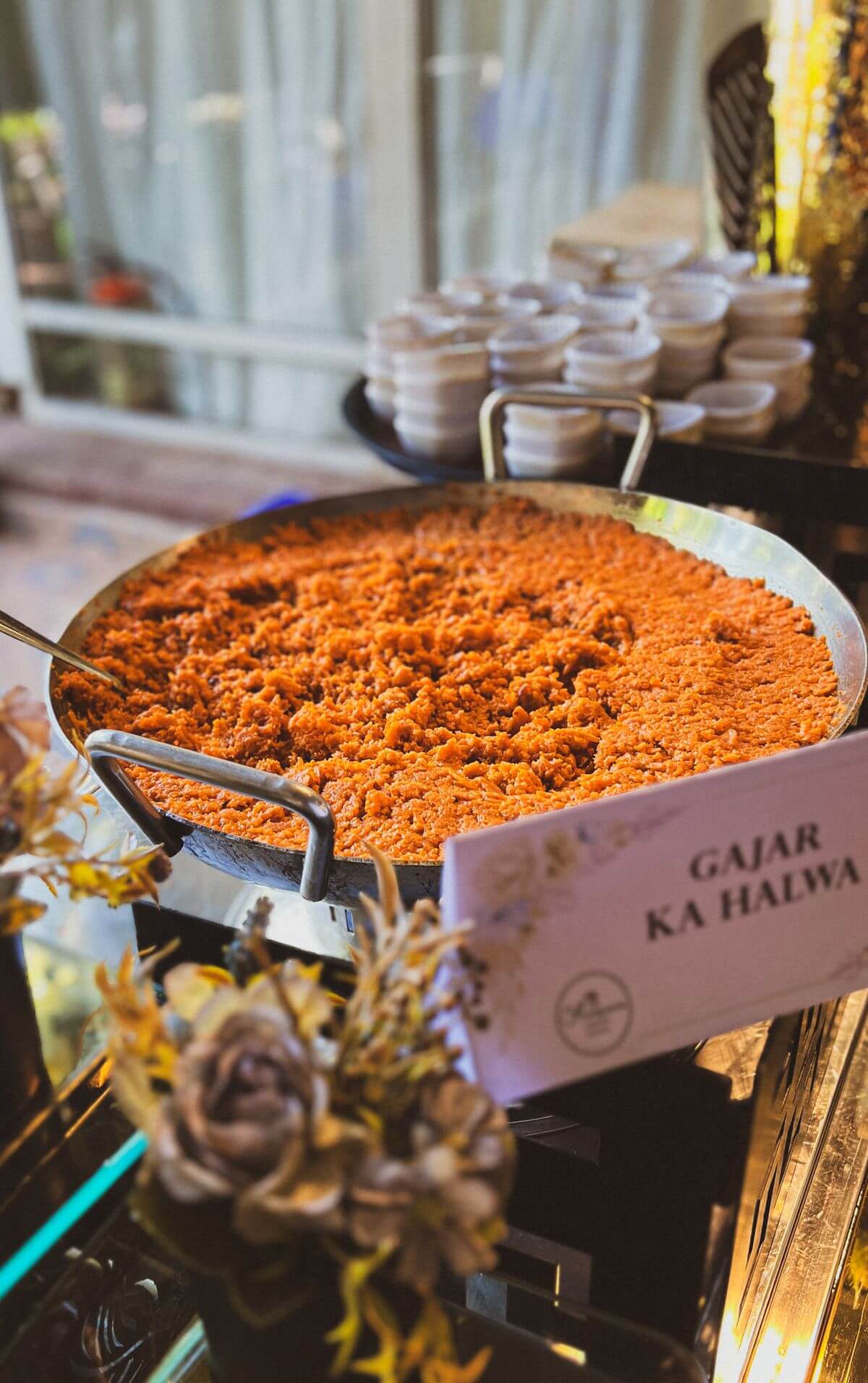
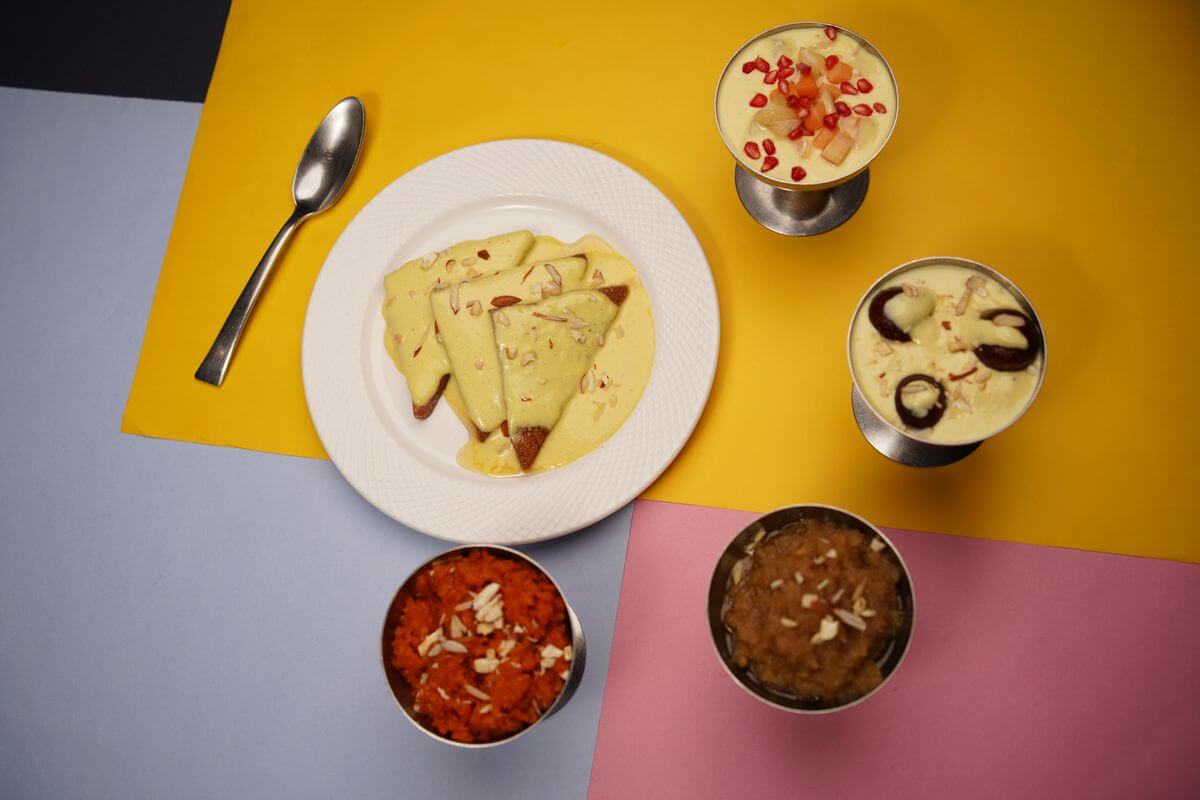
Across South Asia and the diaspora, the arrival of December marks the official commencement of Shaadi (wedding) season. As evening temperatures plunge, banquet lawns and banquet halls glow beneath strings of golden fairy lights, the fragrance of crushed jasmine garlands (*motia*) fills the cool air, and guests in velvet shawls gather around steaming silver chafing dishes. At the heart of every winter wedding dessert buffet stands a timeless royal pairing: glistening, ruby-red, steaming-hot Gajar Ka Halwa (sweet carrot pudding slow-cooked in whole milk and ghee) alongside regal, golden triangles of Shahi Tukda (Mughal-era crisp fried bread soaked in saffron milk and crowned with velvety clotted cream and crushed emerald pistachios).
Home cooks frequently shy away from preparing these traditional banquet sweets, assuming that achieving that deep restaurant gloss, tender carrot texture, and crisp-yet-tender bread pudding requires industrial steam kettles or professional catering brigades. In truth, winter wedding confectionery is governed by elegant dairy chemistry: the slow Maillard caramelization of lactose sugars, the concentration of casein milk solids into natural *khoya*, and the lipid-emulsifying magic of grass-fed desi ghee. With a heavy-bottomed Dutch oven, a box grater, and patient stovetop heat, you can recreate the intoxicating warmth and opulence of a winter wedding banquet in your home kitchen. This comprehensive guide details the dairy science, step-by-step master recipes for authentic Gajar Ka Halwa and Shahi Tukda, make-ahead timelines, and crowd-scaling strategies.
The Confectioner’s Chemistry: Milk Reduction, Khoya & Ghee Sautéing
Traditional Pakistani and North Indian sweets do not rely on flour thickeners or gelatin. Their luxurious richness comes entirely from manipulating milk and fat:
1. The Three Stages of Gajar Ka Halwa Reduction
Great halwa cannot be rushed in twenty minutes. It requires progressing through three distinct chemical phases:
- Phase 1: The Milk-Carrot Simmer (Hydration & Softening): Grated carrots are simmered in full-cream whole milk. As the milk boils, the heat softens the tough cellulose fibers of the carrots, while milk fats and lactose gently penetrate the plant cells.
- Phase 2: Sugar Addition & Moisture Release: Sugar is hygroscopic—when added to cooked carrots, it draws out residual intracellular water, temporarily turning the mixture liquid again. You must cook this water off over medium heat until the mixture thickens.
- Phase 3: The Ghee Sauté (*Bhunai* & Maillard Reaction): Desi ghee is introduced once all liquid has evaporated. Sautéing the carrots in hot ghee above the boiling point of water triggers the Maillard reaction between milk solids and carrot sugars, transforming the pale orange carrots into a glistening, glossy, deep ruby-red confection with intense caramelized aroma.
2. The Science of Crisp Shahi Tukda Bread
Shahi Tukda (literally "The Royal Piece") was created in the royal Mughal court kitchens of Delhi and Awadh. The common mistake home cooks make is pouring warm milk over fresh, soft sandwich bread—which instantly dissolves the bread into baby mush. Authentic Shahi Tukda requires stale, dried bread fried in hot ghee to create an impermeable, rigid starch crust. When this crisp crust is dipped into warm saffron-cardamom sugar syrup, it absorbs the syrup into its micro-pores while retaining structural integrity and a pleasing, chewy crunch.
Master Recipe 1: Royal Slow-Simmered Gajar Ka Halwa
This master recipe produces 8 generous servings of authentic wedding-grade halwa without using shortcuts or synthetic condensed milks:
Ingredients:
- 2.5 lb (1.1 kg) Fresh Red Carrots: Peeled and freshly grated on the medium-large holes of a box grater. Use deep-red winter Delhi carrots if available at ethnic grocers; avoid woody core carrots or pre-shredded dry bagged supermarket carrots.
- 5 cups Whole Full-Cream Milk: High-fat whole milk is essential; as it reduces, it forms rich natural milk curd solids (*khoya*).
- 3/4 cup Granulated Sugar: Adjust slightly to taste; winter carrots contain substantial natural sweetness.
- 6 tablespoons Pure Desi Ghee: Clarified butter provides the signature shine, aroma, and preservation.
- 6 Green Cardamom Pods: Lightly cracked in a mortar to release black seeds.
- 1/3 cup Crushed Unsalted Pistachios and Raw Almonds: Slivered for topping.
- 1/2 cup Fresh Khoya (Mawa) or Ricotta: Crumbled over the top before serving (optional, for royal richness).
Step-by-Step Cooking Technique:
- In a wide, heavy-bottomed Dutch oven or non-stick pot, combine the grated carrots, whole milk, and crushed cardamom pods. Bring to a rolling boil over medium-high heat.
- Reduce heat to medium. Simmer uncovered, stirring every 5 to 7 minutes with a flat wooden spatula, scraping the bottom to prevent sticking. Allow the milk to slowly evaporate and reduce into thick curds, about 45 to 55 minutes.
- When the milk has almost completely reduced and looks like thick moist paste, stir in the granulated sugar. The mixture will immediately loosen and release liquid. Continue stirring over medium heat for 12 to 15 minutes until this syrup is fully absorbed.
- Add the pure desi ghee. Increase heat slightly to medium-high and begin the *bhunai* (sautéing) phase. Stir continuously for 12 to 15 minutes. You will see the carrots darken from orange to deep lustrous red, the texture turn glossy, and golden ghee begin to separate at the pan edges.
- Turn off heat. Fold in half the slivered almonds and pistachios. Transfer to a warm serving bowl, crown with crumbled fresh khoya, and garnish with remaining nuts. Serve piping hot, capturing the timeless indulgence of our gajar ka halwa.
Master Recipe 2: Royal Mughal Shahi Tukda (Saffron Bread Pudding)
This opulent Mughal dessert features golden ghee-fried brioche triangles steeped in cardamom syrup and blanketed in thick homemade saffron-pistachio *rabri*:
Ingredients:
- 8 Slices Artisanal White Bread or Brioche: Crusts removed, sliced diagonally into crisp triangles. Let air-dry on a wire rack for 3 hours before cooking.
- 1/2 cup Pure Desi Ghee: For shallow-frying the bread triangles.
- Sugar Syrup (Sheera): 1 cup water, 3/4 cup sugar, 3 crushed green cardamom pods, simmered for 6 minutes until slightly sticky.
- Saffron Rabri (Thickened Milk Reduction): 4 cups whole milk, 1/4 cup sugar, generous pinch of crushed saffron strands (*zafran*), 1/2 teaspoon cardamom powder, simmered and reduced by half until thick and creamy (25 minutes).
- Garnish: 3 tablespoons crushed green pistachios, slivered almonds, and edible silver leaf (*chandi ka warq*).
Step-by-Step Assembly:
- Heat ghee in a wide frying pan over medium heat. Fry the air-dried bread triangles for 2 minutes per side until deeply golden brown and shatteringly crisp. Drain on paper towels.
- While still warm, submerge each fried triangle into the warm sugar syrup for exactly 15 seconds per side to absorb sweetness, then transfer immediately to an elegant rimmed serving platter in an overlapping fan pattern.
- Ladle the warm, thickened saffron rabri generously over the soaked bread triangles, allowing the rich milk solids to pool around the golden crusts.
- Garnish with crushed emerald pistachios, silvered almonds, and delicate sheets of edible silver leaf. Serve warm or room temperature, celebrating the majestic decadence of shahi tukda.
The Winter Sweet Table: Accompaniments & Pairings
Elevate your dessert spread into a comprehensive celebration table by pairing warm puddings with contrasting cold and spiced elements:
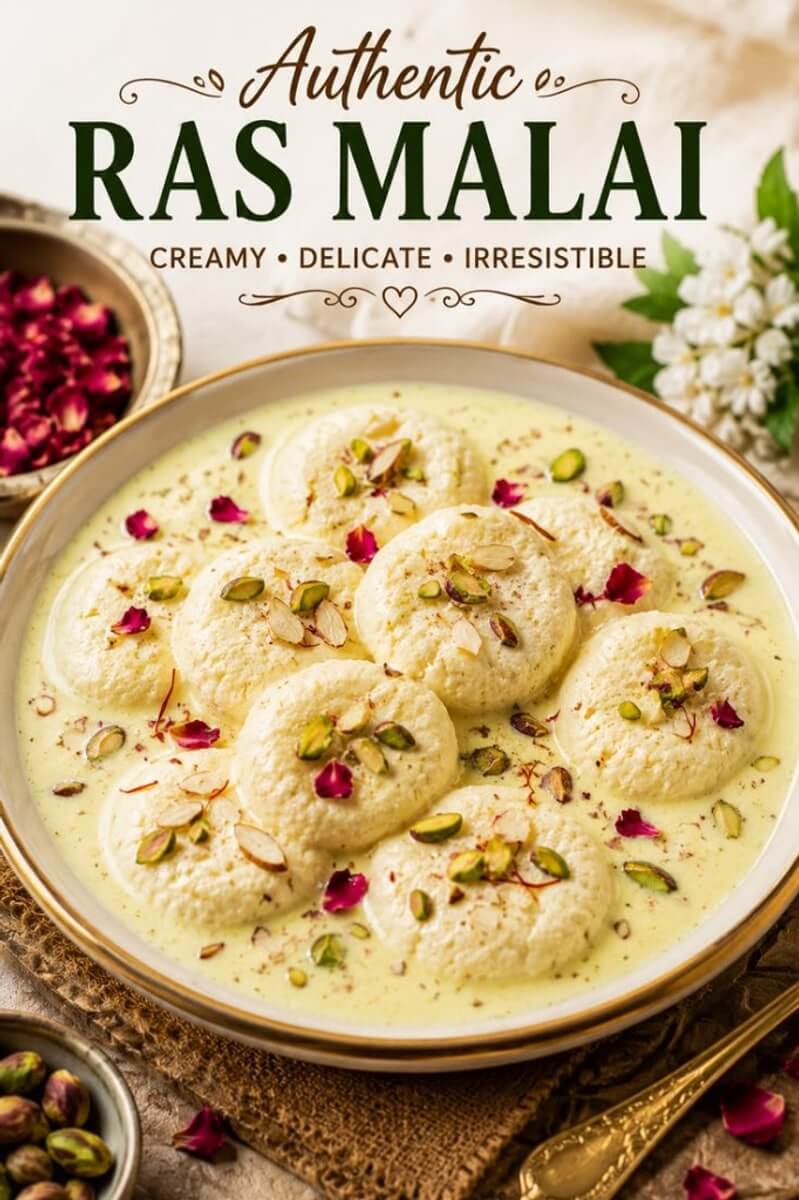
- Chilled Rose-Cardamom Ras Malai: Delicate, spongy cottage cheese patties floating in chilled, saffron-scented evaporated milk provide a cooling, delicate contrast to piping-hot gajar ka halwa. Explore our delicate ras malai.
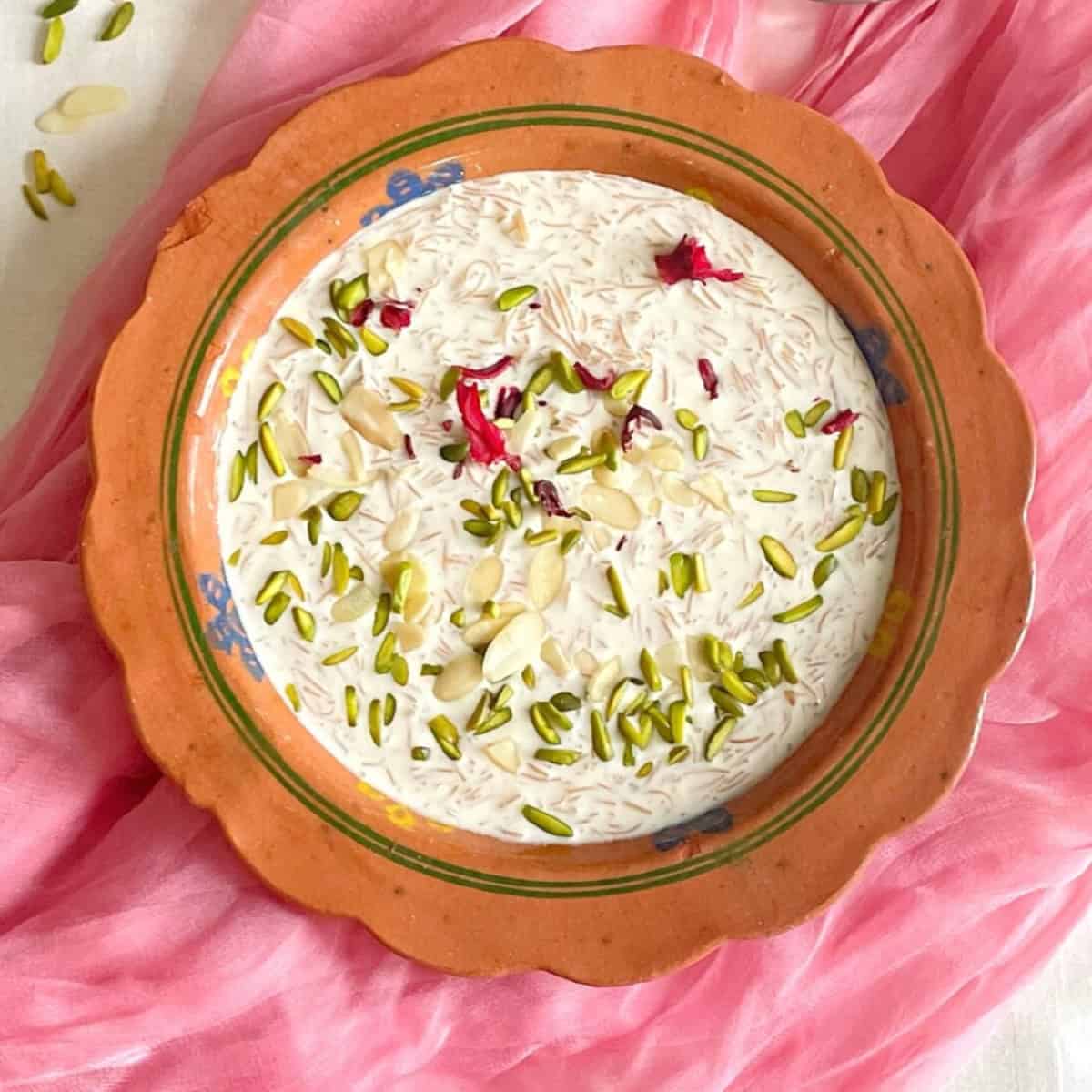
- Slow-Churned Rice Kheer: Traditional basmati rice kheer slow-cooked with green cardamom and rose water provides a creamy, comforting communal favorite that holds up beautifully on a dessert buffet. See our classic rice kheer.
- Kashmiri Pink Chai (Noon Chai): No winter gathering in Pakistan is complete without piping-hot cups of Kashmiri pink tea. Aerated with green tea leaves, baking soda, and cold water, and brewed with whole milk, crushed sea salt, and a pinch of sugar, its rosy color and salty-sweet profile cut through the richness of ghee-laden desserts.
The Winter Gathering Dessert Scaling Matrix
Whether hosting an intimate family dinner of eight or an extended wedding celebration for twenty-four, use this planning framework:
| Dessert Offering | Proportions for 8 Guests | Proportions for 24 Guests | Make-Ahead Window | Reheating & Holding Protocol |
|---|---|---|---|---|
| Gajar Ka Halwa | 2.5 lb carrots | 5 cups milk | 6 tbsp ghee | 7.5 lb carrots | 15 cups milk | 18 tbsp ghee (cook in 2 wide pots) | Make up to 3 days ahead; refrigerate. | Reheat in wide pan with 1/4 cup warm milk over low heat; hold in chafing dish at 150°F. |
| Shahi Tukda | 8 bread slices | 4 cups rabri milk | 24 bread slices | 12 cups rabri milk | Fry bread & make rabri 24h ahead; store separately. | Assemble and ladle warm rabri 30 minutes before serving. Do not reheat assembled dish. |
| Kashmiri Pink Chai | 1 pot (8 cups brewed tea) | 3 pots (24 cups brewed tea) | Brew pink tea concentrate (*kehwa*) 48h ahead. | Boil milk with kehwa right before dessert; hold warm in airpot dispenser. |
5 Costly Mistakes When Cooking Winter Desserts at Home
Avoid these five frequent kitchen pitfalls that compromise delicate milk sweets:
- Using Thin-Bottomed Pots for Halwa: Milk is dense in proteins and natural sugars that settle quickly to the bottom. Cooking in thin aluminum or cheap stainless steel pots guarantees scorched, burnt milk on the bottom of the pan within fifteen minutes, ruining the entire batch with an acrid smoky flavor. Always use heavy enameled cast iron, copper-core, or multi-ply stainless steel cookware.
- Pouring Warm Rabri Over Shahi Tukda Hours in Advance: If you assemble Shahi Tukda hours before guests arrive, the fried bread starches completely absorb the liquid and turn into a soggy, amorphous paste. Always fry the bread and simmer the rabri ahead, but assemble and ladle the warm milk over the bread triangles just 20 to 30 minutes before dessert is served.
- Buying Pre-Shredded Commercial Bagged Carrots: Supermarket pre-shredded carrots are treated with chlorine washes and dehydrated for shelf life. They lack natural sweetness, hold minimal moisture, and remain woody and stringy even after hours of cooking. Grating fresh whole carrots takes eight minutes and is essential for melt-in-the-mouth halwa.
- Adding Sugar at the Very Start of Cooking Halwa: Adding sugar to raw grated carrots before the milk reduces causes the sugar to caramelize prematurely and creates a syrup that prevents carrot fibers from softening. Always wait until the milk is 90% reduced before introducing granulated sugar.
- Frying Bread in Low-Temperature Ghee: If your frying ghee is merely warm (below 325°F / 160°C), bread acts like an open sponge, soaking up cupfuls of grease without developing a crisp surface crust. Heat ghee until a dropped crumb sizzles vigorously (360°F / 182°C) so the bread browns rapidly on the surface while absorbing minimal fat.
Streamline Your Celebration Desserts with Smart Tools
Entertain with complete confidence and eliminate holiday grocery stress using our free interactive suite:
- Scaling halwa and shahi tukda for a large family wedding party? Automatically calculate exact carrot weights, milk gallons, and bread loaves with the servings scaler.
- Consolidate whole dairy, saffron, cardamoms, nuts, and produce into one organized shopping checklist using the grocery list generator.
- Schedule your dessert cooking alongside your savory provincial dinner courses with the meal plan generator.
- Have extra gajar ka halwa left in the fridge? Re-purpose it into delightful baked morning breakfast pastries with the leftover finder.
Frequently Asked Questions
What is the difference between regular orange carrots and red winter carrots?
Red carrots (*Delhi carrots* or Asian winter carrots) are harvested in the winter months across Northern Pakistan and India. They contain high concentrations of lycopene (the same pigment found in tomatoes), have a thinner, sweeter core, and contain higher natural sugar and moisture content than standard Western orange carotene-heavy carrots. While orange carrots produce delicious halwa, red winter carrots yield the traditional ruby-red hue and floral sweetness prized in wedding banquets.
Can I make gajar ka halwa in an electric pressure cooker (Instant Pot) to save time?
Yes. To save 40 minutes of active stirring: sauté grated carrots in 2 tablespoons of ghee in the Instant Pot for 3 minutes, add 1 cup of whole milk and 1/4 cup of heavy cream, and pressure cook on High for 6 minutes with quick release. Then switch to Sauté mode, add sugar and remaining ghee, and sauté vigorously for 10 minutes until glossy. While slightly less concentrated than traditional 2-hour slow reduction, it yields phenomenal results on busy weeknights.
How can I safely reheat leftover gajar ka halwa without drying it out?
Reheating halwa in a dry pan causes it to lose moisture and turn greasy. To reheat: place halwa in a skillet over low heat, add 2 to 3 tablespoons of warm whole milk, cover with a lid for 3 minutes to let steam rehydrate the carrots, then remove the lid and gently stir until steaming hot and glistening. Alternatively, microwave in a glass bowl with a damp paper towel draped over the top for 60 seconds.
Can I bake the bread for shahi tukda instead of frying in ghee?
Yes, for a significantly lighter, lower-calorie version: brush both sides of thick bread triangles generously with melted desi ghee using a pastry brush, arrange on a parchment-lined baking sheet, and bake in a preheated oven at 375°F (190°C) for 8 to 10 minutes, flipping once, until deeply golden and crispy. While slightly less decadent than traditional deep-fried bread, it absorbs the warm rabri beautifully and provides great crunch.