Recipe Planning
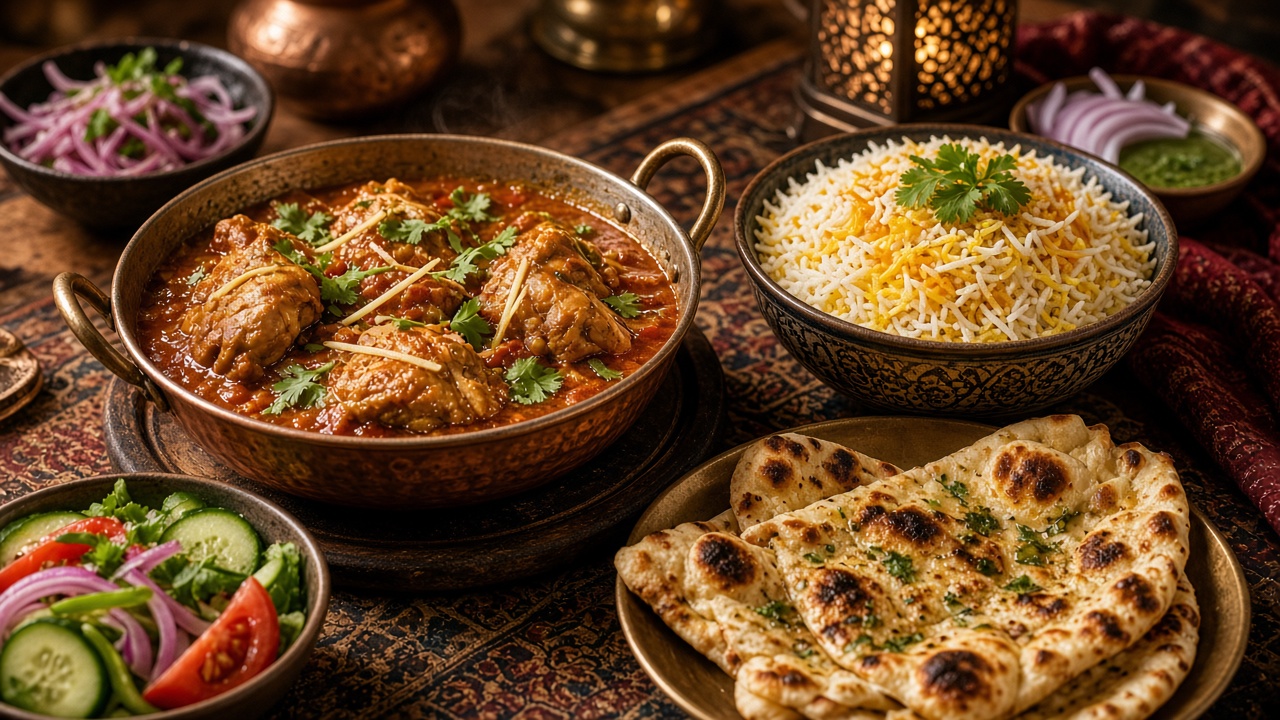
On 23 March (Pakistan Day, commemorating the Lahore Resolution of 1940) and 14 August (Independence Day, celebrating the birth of the nation in 1947), Pakistani households across the homeland and the global diaspora gather to commemorate history, heritage, and identity. In thousands of homes, streets are festooned with paper pennants, green-and-white bunting flutters from balconies, and the evocative strains of national songs drift through open windows. Yet when it comes to the celebration dinner table, many hosts default to a standard chicken curry and plain rice, missing the profound storytelling power of national gastronomy.
Pakistan’s culinary topography is one of the most culturally diverse and geographically dramatic in the world. It stretches from the rugged, arid mountain ranges of Balochistan and the ancient warrior traditions of Khyber Pakhtunkhwa down through the fertile, canal-fed plains of Punjab to the spice-drenched maritime trading ports of Sindh. Designing a true national banquet means building a table that represents all four provincial sisters: the minimalist, primal smoke of Balochi Sajji; the fiery, pomegranate-studded crunch of Peshawari Chapli Kebabs; the complex, plum-scented perfumed layers of Sindhi Biryani; and the soul-satisfying chickpea gravy of Lahori Murgh Chana. Finished with elegant desserts dressed in the symbolic emerald green and pristine white of the national flag, this feast transforms holiday entertaining into an unforgettable cultural tribute. This comprehensive guide outlines the culinary history of each regional centerpiece, step-by-step master recipes, green-and-white dessert techniques, a 48-hour crowd execution timeline, and crowd-scaling strategies.
The Four Provincial Pillars: A Culinary Journey Across Pakistan
Each province in Pakistan possesses a distinctive culinary signature forged by its climate, agricultural geography, and ancestral trade routes:
1. Balochistan: The Ancient Salt-and-Coriander Chicken Sajji
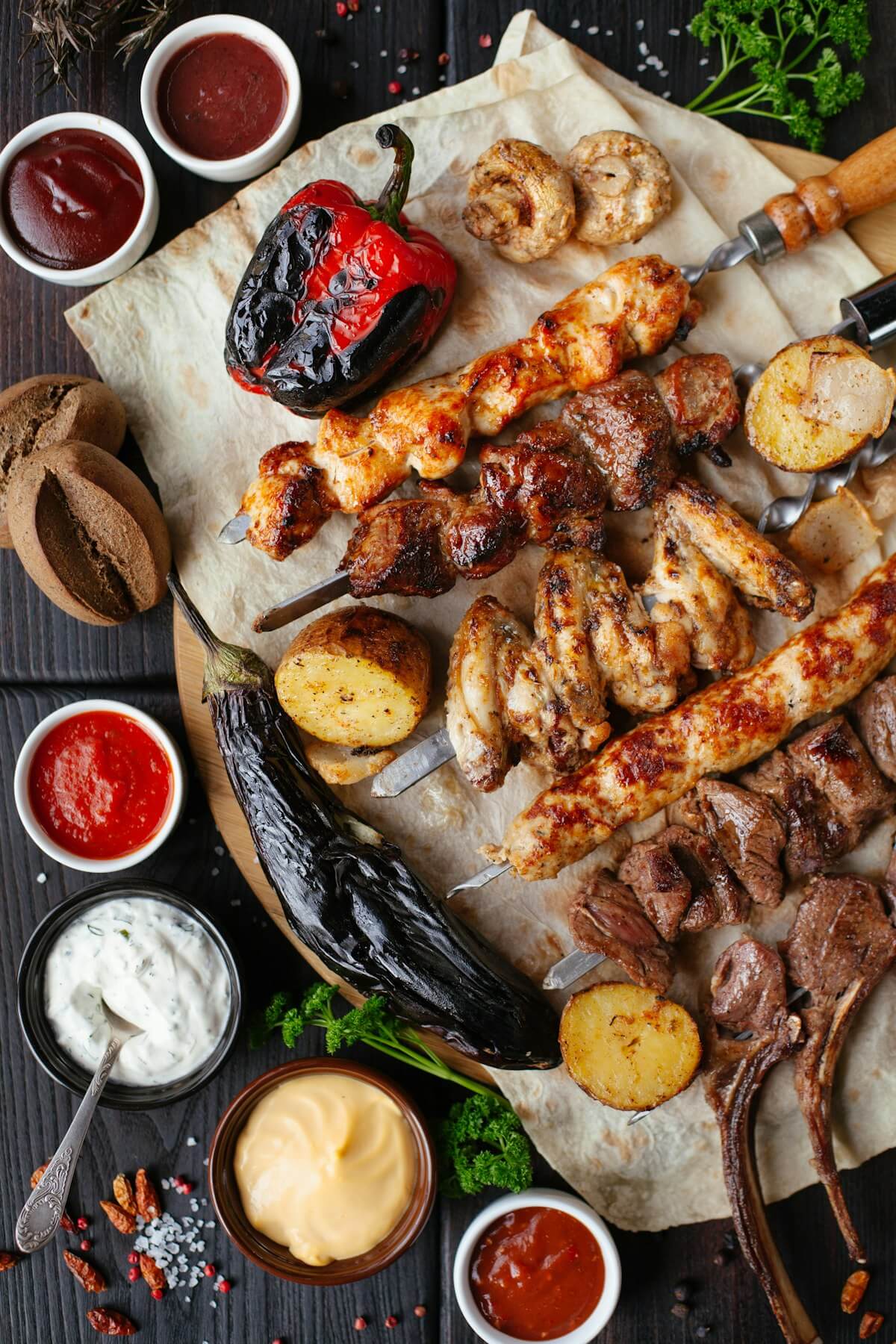
Balochi gastronomy is defined by restraint, pastoral minimalism, and reverence for pure meat flavor. Authentic Sajji was invented by nomadic Baloch tribesmen who spatchcocked whole goats or lambs, skewered them on wooden stakes ringed around burning charcoal pits, and seasoned them with nothing more than rock salt, crushed dried coriander, and wood smoke. In a modern residential kitchen, you can replicate this primal perfection using a whole halal spatchcocked chicken roasted at high heat. Cut out the chicken’s backbone with kitchen shears and press firmly on the breastbone to flatten the bird completely. In a mortar and pestle, coarsely crush 2 tablespoons of sea salt, 1.5 tablespoons of whole coriander seeds, 1 tablespoon of whole black peppercorns, and 1 teaspoon of ground cumin. Rub the chicken inside and out with 2 tablespoons of fresh lemon juice, 1 tablespoon of oil, and the dry spice rub. Let marinate uncovered on a wire rack in the refrigerator for at least 6 hours (this dries the skin for intense crispness). Roast in a preheated oven at 400°F (200°C) on a rack over a baking sheet for 55 to 65 minutes until the skin is deep mahogany and crackling and internal thigh temperature reaches 165°F (74°C). Dust generously with wild sour pomegranate powder (*anardana*) and serve over fragrance-infused long-grain basmati rice.
2. Khyber Pakhtunkhwa: The Sizzling Peshawari Chapli Kebab
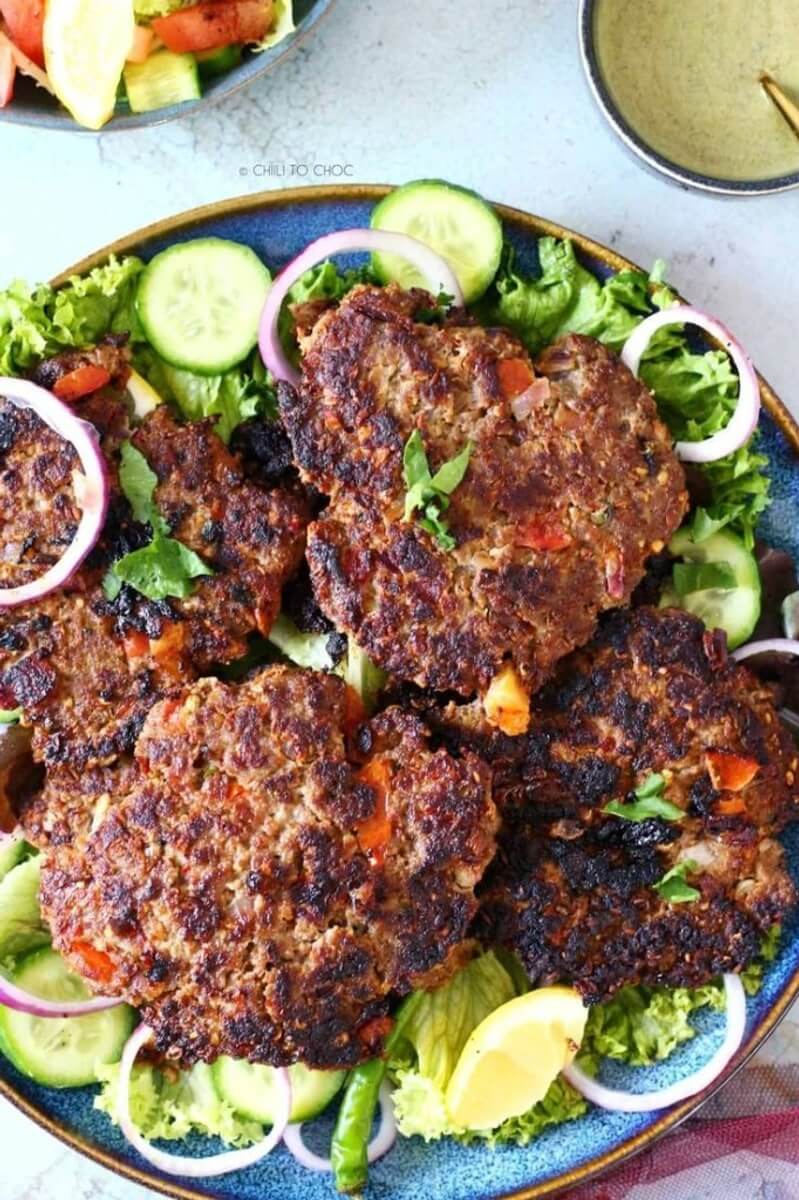
Hailing from the ancient city of Peshawar along the historic Khyber Pass, the Chapli Kebab takes its name from the Pashto word chaprikh (meaning "flat"). These flat, disc-like beef patties are renowned for their ragged, crispy charred edges and juicy, tender interior. The secret that distinguishes a true Peshawari kebab from a Western burger is the inclusion of coarse cracked pomegranate seeds (*anardana*), sweet cornmeal (*makki ka atta*), and raw diced tomatoes. Combine 1.5 lb (700g) of coarse halal beef mince (80/20 fat ratio) with 1 finely chopped medium red onion (squeezed bone-dry of moisture), 2 ripe Roma tomatoes (seeded and diced), 3 finely minced green chilies, 1 beaten egg, 3 tablespoons of coarse cornmeal, 1 tablespoon of coarsely cracked coriander seeds, 1 teaspoon of whole cumin seeds, 1 tablespoon of dried crushed pomegranate seeds, and coarse salt. Knead the meat vigorously with your hands for 5 minutes to develop protein binding, then chill for 30 minutes. Shape into wide, thin 5-inch discs. Shallow-fry on a smoking-hot cast-iron tawa or skillet in 1/2 inch of hot oil or beef tallow for 3 to 4 minutes per side until dark brown and shatteringly crisp at the perimeter. Serve hot with warm tandoori naan, sliced raw onions, and cool mint raita. Explore our recipes for chapli kebab and seekh kebab.
3. Sindh: The Tangy, Aromatic Sindhi Chicken Biryani
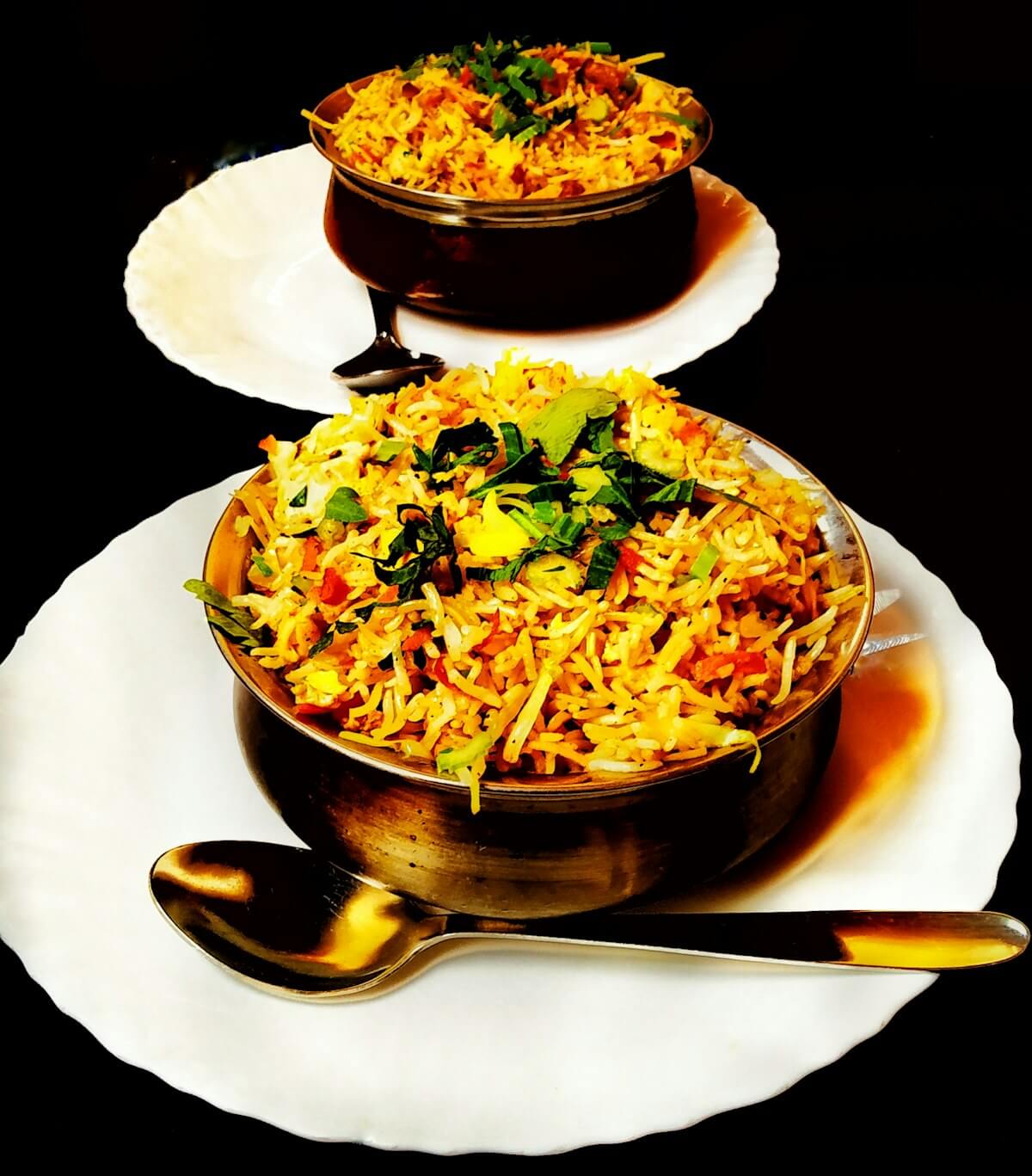
While Lucknowi biryani is subtle and gentle, Sindhi biryani is bold, fiery, intensely aromatic, and rich in tangy complexity. What gives Sindhi biryani its legendary identity is the dual presence of tangy dried plums (*aloo bukhara*) and tender golden potato halves slow-cooked alongside marinated chicken. Soak 3 cups of premium aged basmati rice for 30 minutes. In a wide Dutch oven, fry 3 sliced onions in oil until dark golden brown (crispy birista); remove half for garnishing. Add 2 lb (900g) of bone-in chicken thighs, 1 tablespoon of ginger-garlic paste, 3 chopped Roma tomatoes, 1/2 cup of plain yogurt, 2 tablespoons of Sindhi biryani spice blend, 8 whole dried plums, 3 peeled and quartered golden potatoes, and salt. Simmer covered over medium heat for 25 minutes until chicken and potatoes are tender and the gravy (*yakhni*) is thick and glossy. Meanwhile, parboil the soaked rice in a massive pot of salted water with green cardamom, bay leaves, and cloves until exactly 70% cooked (firm core remaining); drain immediately. Layer the parboiled rice over the simmering chicken and potato gravy. Scatter the reserved fried onions, fresh mint leaves, sliced green chilies, cilantro, and a drizzle of saffron-infused milk and kewra water. Seal the pot tightly with heavy foil and a tight lid, and steam on low heat (*dum*) for 20 minutes. Gently fold the golden grains and red masala together before serving. Savor the majesty of our Pakistani chicken biryani.
4. Punjab: The Velvety Lahori Murgh Chana (Chicken & Chickpea Curry)
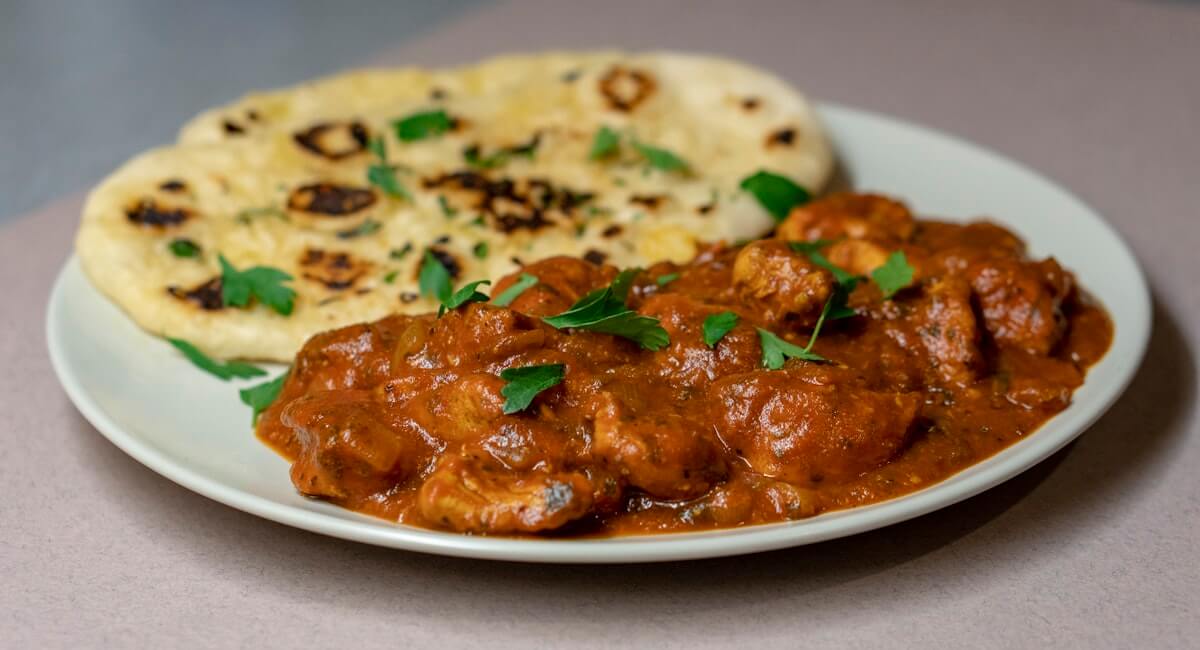
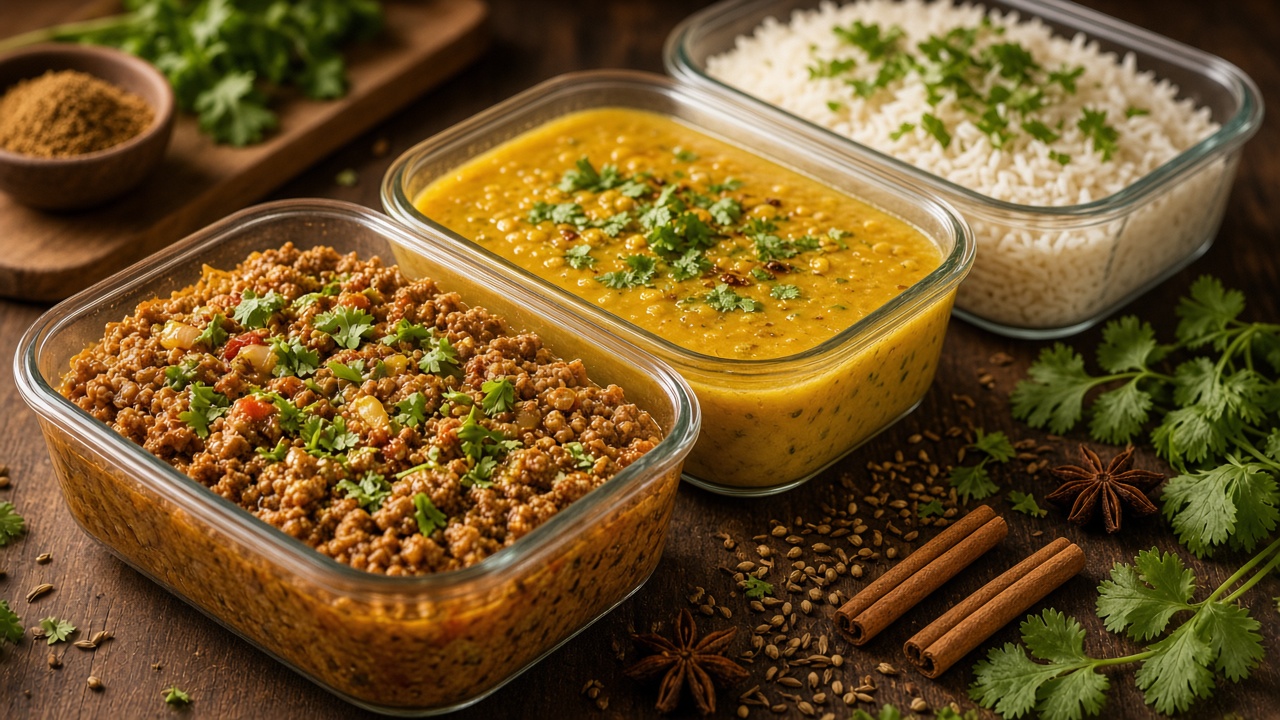
Lahore’s culinary soul is celebrated through its breakfast and dinner street spots, where cauldrons of chicken and chickpeas simmer for hours over charcoal fires. The hallmark of authentic Lahori chana is its rich, thick gravy achieved by cooking split yellow lentils (or mashing a portion of chickpeas) into the aromatic base. In a heavy pot, heat 3 tablespoons of ghee or oil. Sauté 2 finely pureed onions until golden. Stir in 1 tablespoon of ginger-garlic paste, 1 teaspoon of ground cumin, 1.5 teaspoons of coarsely ground black pepper, 1/2 teaspoon of nigella seeds (*kalonji*), 1/2 teaspoon of turmeric, and 1 teaspoon of red chili powder. Add 1 lb (450g) of bone-in chicken pieces and sear for 5 minutes until browned. Add 3 cups of cooked chickpeas along with 1.5 cups of chicken broth. Simmer over low heat for 25 minutes until the chicken is fork-tender. Using the back of a wooden spoon, crush 1/2 cup of the chickpeas against the side of the pot to thicken the sauce into a velvet gravy that clings to warm flatbreads. Finish with fresh ginger juliennes and whole green chilies, pairing beautifully with recipes like chana masala and chicken karahi.
National Pride: Green and White Celebration Desserts
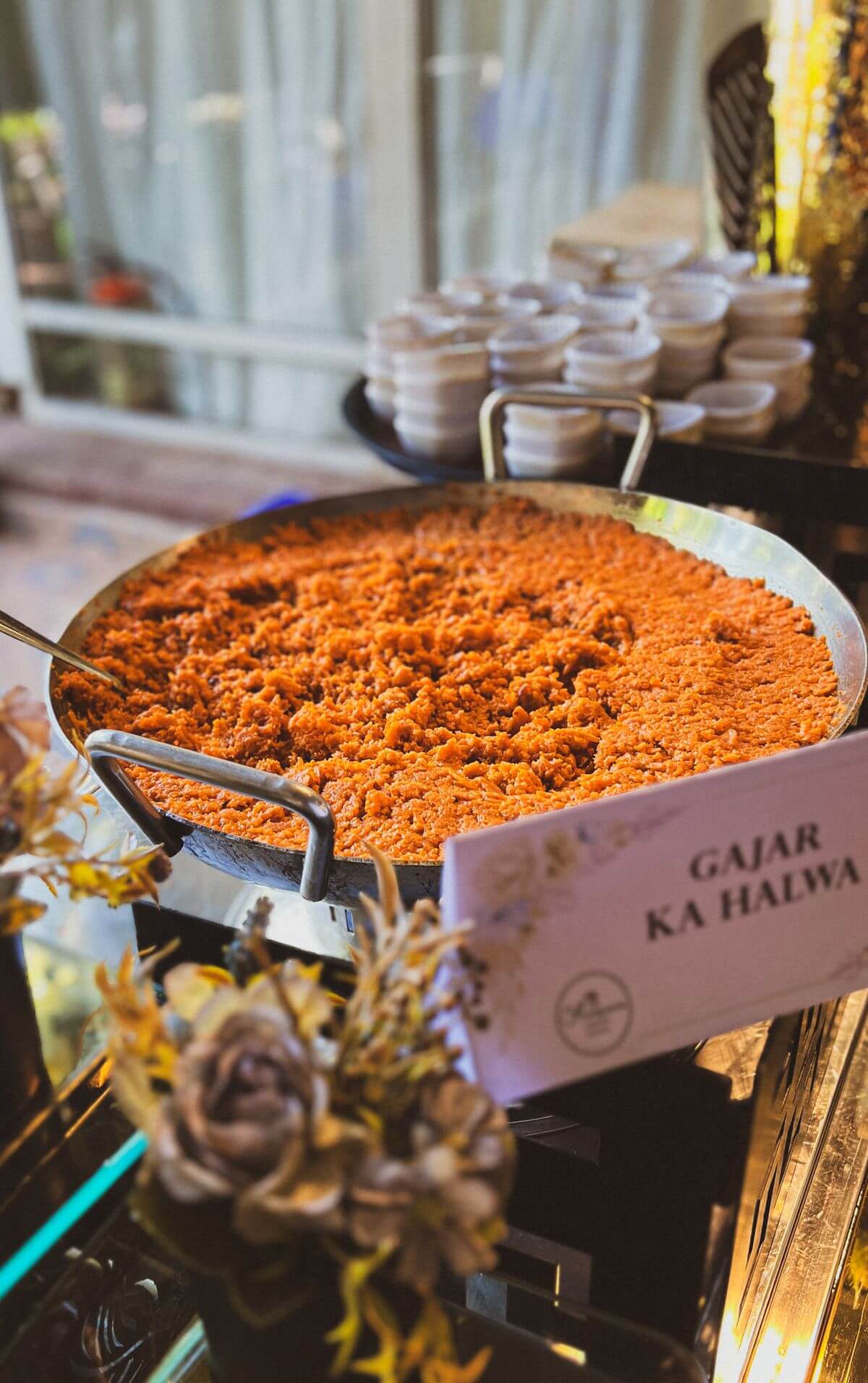
Conclude your national day feast with desserts designed around the iconic emerald green and pearl white of the national flag, relying on natural ingredients rather than artificial chemicals:
| Celebration Dessert | Green & White Architecture | Flavor Profile & Traditional Elements | Make-Ahead Window |
|---|---|---|---|
| Emerald Pistachio Rice Kheer | White base of slow-simmered basmati rice and whole milk, capped with a dense layer of finely ground emerald green Iranian pistachios and crushed cardamom. | Silky, fragrant, creamy pudding; naturally colored by chlorophyll in fresh green pistachios. Garnish with pure edible silver leaf (*chandi ka warq*). | Cook 24 hours ahead; serve refrigerator-chilled. |
| Pandan & Cardamom Green Velvet Trifle | Alternating layers of natural green pandan-scented sponge cake, velvety white vanilla bean custard, and cloud-like whipped mascarpone cream. | Fluffy, modern communal dessert; pandan leaf extract provides an authentic, delicate grassy vanilla sweetness and vibrant green hue. | Assemble 6 hours ahead so sponge absorbs custard. |
| The Crescent & Star Chilled Fruit Platter | A crescent moon carved from chilled white honeydew melon, surrounded by green seedless grapes, kiwi slices, and fresh lychees. | Light, refreshing, zero added sugar; clean palate cleanser after rich provincial curries. | Slice 2 hours ahead; chill on serving platter. |
The Master 48-Hour Kitchen Battle Plan
Cooking four provincial centerpieces alongside themed desserts can overwhelm a home cook if attempted on the day of the party. Follow this professional kitchen production schedule:
| Timeline | Primary Kitchen Action | Specific Culinary Tasks Completed |
|---|---|---|
| 48 Hours Before | Procurement & Dry Prep | Visit halal butcher for whole chicken, beef mince, and bone-in biryani cuts. Slice 6 onions and fry into crisp golden birista; store in airtight jar. Soak chana daal and chickpeas. |
| 24 Hours Before | Marinades & Confectionery | Spatchcock chicken; apply Balochi sajji dry rub and let air-dry in fridge. Knead Peshawari chapli kebab mince; cover tightly. Cook emerald pistachio kheer; chill in glass serving bowls. |
| Morning of Feast | Stovetop Foundations | Simmer Lahori Murgh Chana completely (curry improves as it rests). Cook the chicken-potato-plum masala base for the Sindhi biryani. Parboil basmati rice. |
| 90 Minutes Before Serving | Oven & Assembly | Preheat oven to 400°F; place Sajji chicken in to roast (60 min). Layer biryani in Dutch oven and place on lowest heat for 20 minutes of sealed *dum* steaming. |
| 15 Minutes Before Serving | The Final Sizzle | Heat cast-iron tawa; shallow-fry chapli kebabs until sizzling and crisp. Carve hot Sajji. Uncover biryani and gently mix. Bring all four provinces to the table piping hot. |
5 Costly Mistakes When Cooking a Celebration Feast
Ensure your national celebration meal runs flawlessly by dodging these five common entertaining errors:
- Attempting Same-Day Linear Cooking: Trying to marinate the sajji, fry kebabs, simmer chana, and layer biryani all starting at 3:00 PM on the holiday guarantees late dinner, smoke-filled kitchens, and an exhausted host. Follow the 48-hour timeline so you spend party evening relaxing with family.
- Rushing the Biryani "Dum" Steam: Dum cooking is not passive waiting; it is where flavors marry. If you lift the lid repeatedly to check on the rice, steam escapes, the top layer of rice remains raw, and the bottom scorched. Seal with heavy foil and leave undisturbed for a full 20 minutes.
- Over-Salting or Over-Moisturizing Chapli Kebabs: If onions added to the beef mince are not squeezed bone-dry, they release water into the mixture, causing kebabs to tear and fall apart in the oil. Squeeze diced onions in a clean tea towel before adding to meat.
- Roasting Sajji at Too Low a Temperature: Roasting chicken at 325°F or 350°F causes the fat to melt slowly without crisping the skin, leaving you with pale, rubbery poultry. Roast at 400°F (200°C) on an elevated rack so hot dry air circulates around the entire bird.
- Dumping Commercial Chemical Green Food Dye: Cheap artificial green dye leaves a synthetic, chemical metallic aftertaste in delicate milk desserts. Use natural chlorophyll sources: blanched spinach puree for baked items, pandan extract, or dense layers of finely pulverized emerald Iranian pistachios.
Streamline Your Holiday Banquet with Digital Tools
Coordinating an ambitious celebration spread is simple when portion scaling and market lists are automated:
- Scaling from an intimate family dinner to a holiday gathering of twenty relatives? Automatically adjust meat weights, spice ratios, and basmati rice with the servings scaler.
- Consolidate whole poultry, butcher mince, basmati rice, produce, and whole spices into one organized market checklist using the grocery list generator.
- Integrate celebration feasts with light post-holiday meals throughout your week using the meal plan generator.
- Have extra biryani or roast sajji chicken on Monday? Transform celebration leftovers into delicious weekday lunches with the leftover finder.
Frequently Asked Questions
What gives Sindhi biryani its unique flavor compared to other biryanis?
Sindhi biryani is distinctly characterized by its spicy-tangy balance (*chatpata*). Unlike Hyderabad biryani which relies on heavy fried onions and yogurt, or Lucknowi biryani which is fragrant and floral, Sindhi biryani incorporates dried sour plums (*aloo bukhara*), halved potatoes that absorb the savory meat juices, chopped tomatoes, and a generous heat profile featuring crushed red chilies and green chilies.
Can I make authentic Balochi sajji in an ordinary oven without charcoal?
Yes. By roasting spatchcocked chicken on a wire rack at 400°F (200°C), you achieve the signature dry, crispy skin and succulent meat of traditional sajji. To replicate the wood-smoke aroma of nomadic campfires, place a small piece of natural lump charcoal over a stove flame until red-hot, place it in a small metal cup or foil bowl inside the roasting tray, drizzle with 1/2 teaspoon of ghee, and cover the tray tightly with foil for 5 minutes before serving.
How do I keep chapli kebabs juicy when cooking for a large crowd?
Never cook chapli kebabs hours in advance and microwave them, as microwaving expels moisture and turns beef tough and rubbery. Instead, shape all patties ahead and keep them separated by wax paper on trays in the refrigerator. Fry them in a large electric skillet or wide cast-iron tawa in front of your guests in batches; they cook in just 6 minutes and arrive at the table sizzling hot with maximum juiciness.
What is anardana and why is it essential in Peshawari kebabs?
Anardana refers to the dried seeds of wild sour pomegranates. Unlike sweet table pomegranate seeds, wild anardana has intense, mouth-puckering malic acidity and a delightful chewy, crunchy seed texture. When cracked coarsely into chapli kebab mince, it cuts through rich beef fat and releases bursts of tart brightness with every chew.