Recipe Planning
Eid al-Fitr is known across the Islamic world as "Sweet Eid" (Meethi Eid)—a joyous festival celebrating the successful completion of a month of fasting, spiritual renewal, and communal charity. On Eid morning, the kitchen awakens not to the hurried silence of suhoor, but to the intoxicating aromas of simmering cardamom milk, roasted saffron threads, toasted almonds, and sweet golden vermicelli. It is a morning meant for laughter, dressing in finest clothes, welcoming visiting elders, and sharing confectionery with neighbors.
Yet, in far too many households, the host spends Eid morning trapped in a steamy kitchen over splattering pans of hot oil, frantically rolling flatbreads while guests arrive in the living room. The secret to a magnificent Eid morning lies in strategic culinary staging. Traditional Eid desserts like rich sheer khurma and decadent badam halwa actually taste significantly richer and more cohesive when prepared 24 hours ahead, allowing milk proteins to mature and spices to infuse. Here is your definitive blueprint for hosting an unforgettable, stress-free Eid breakfast.
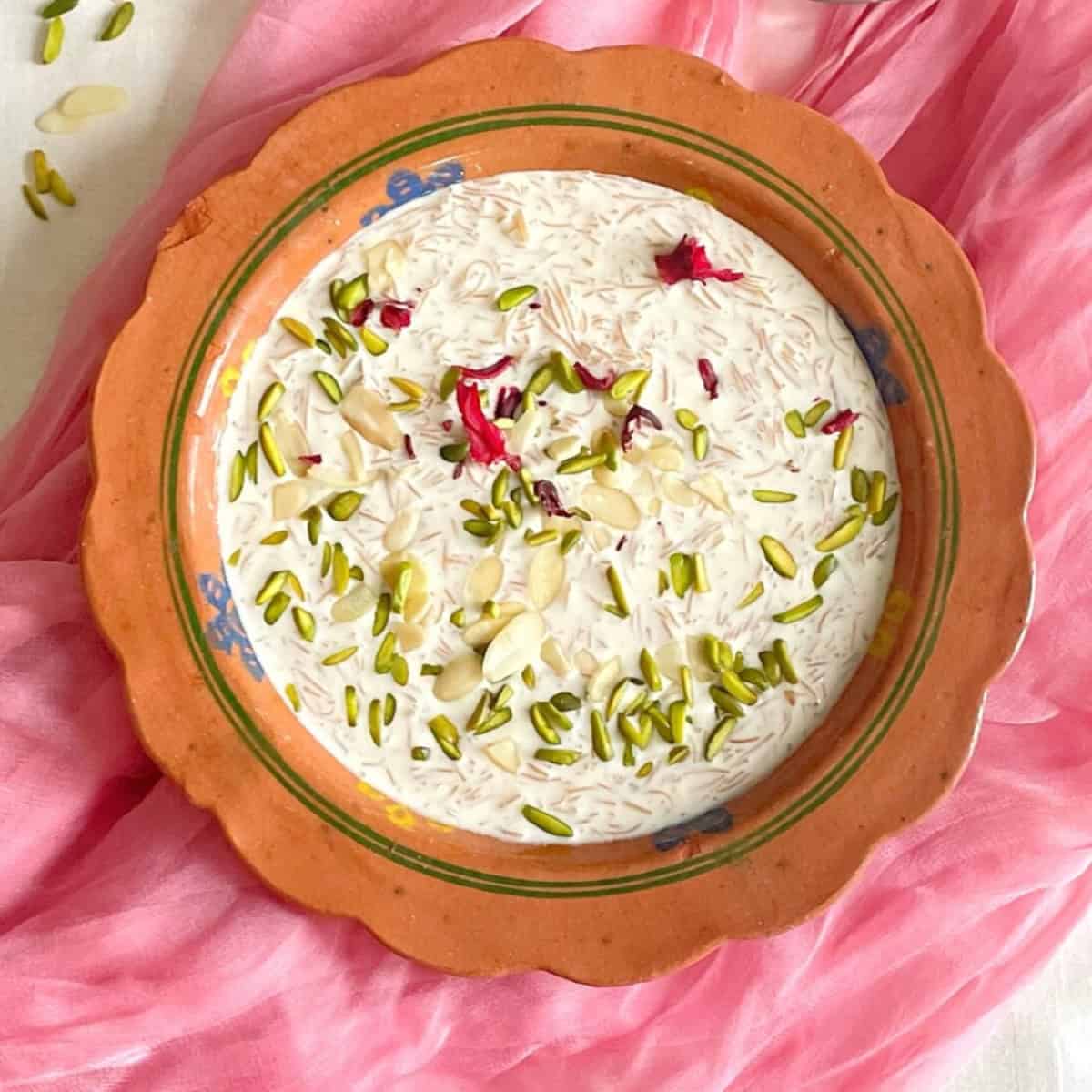
The food science of velvety sheer khurma
Sheer Khurma (literally "milk with dates" in Persian) is the undisputed culinary crown jewel of Eid al-Fitr. While simple in concept, mastering its velvety emulsion requires attention to milk-fat chemistry:
- Dry Vermicelli Roasting in Desi Ghee: Fine roasted vermicelli (seviyan) must be gently sautéed in pure clarified butter (desi ghee) over medium-low heat until it turns a deep amber brown. This Maillard reaction toasts the starches, creating a nutty aromatic profile and coating each strand in hydrophobic milk fat, which prevents the noodles from dissolving into mush when simmered in milk.
- Milk Protein Reduction: Authentic sheer khurma relies on slowly simmering whole milk (or buffalo milk where available) until reduced by 25% to 30%. As water evaporates, natural lactose sugars concentrate, yielding an unctuous, naturally sweet creaminess without requiring excessive added cane sugar.
- Dried Date Hydration: Traditional dry dates (chhuara) are dense and fibrous. Soaking them overnight in warm milk or water plumps their cellular walls, allowing them to release their deep caramel undertones into the custard without curdling the dairy.
- Nut Blanching and Slivering: Raw pistachios, almonds, and chironji (charoli seeds) should be blanched, skinned, and slivered before a brief sauté in ghee. Toasting removes bitter tannins from the skin and ensures a crisp contrast against the delicate noodles.
Eid morning banquet layout & prep matrix
Plan your holiday spread across three temperature categories so food remains food-safe and appetizing throughout a four-hour morning visiting window. Scale your quantities with our free servings scaler.
| Course / Item | Signature Recipe | Service Style & Temp | Prep Window | Host Logistics & Service Notes |
|---|---|---|---|---|
| Crown Sweet | Velvety sheer khurma with saffron and dates | Warm or chilled in crystal bowls | 24 hours ahead | Reheat gently in a double boiler if serving warm, or chill overnight. Garnish with edible silver leaf (varq) and pistachios. |
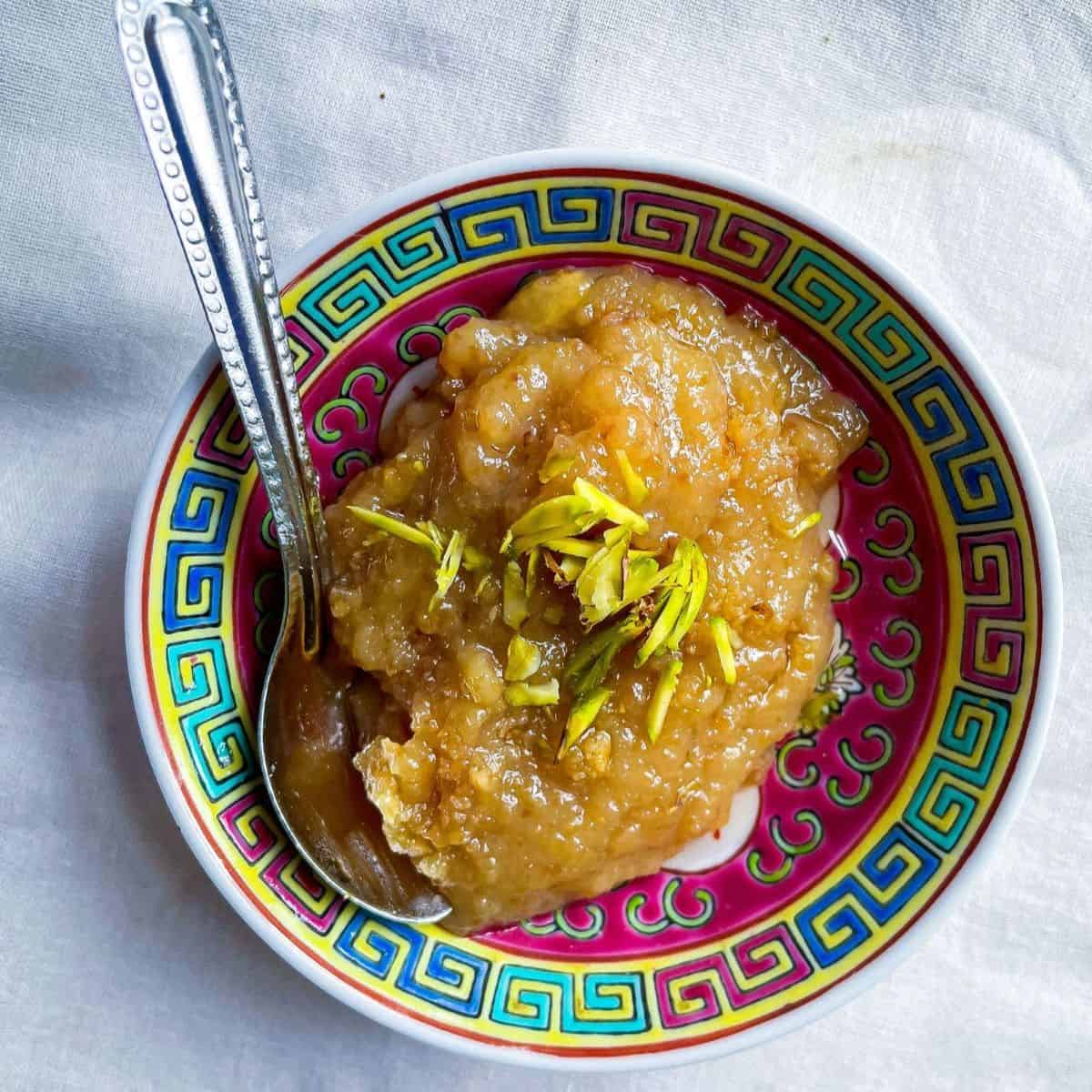
| Festive Halwa | Melt-in-mouth badam halwa (rich almond sweet) | Warm or room temperature | 24 hours ahead | Keep covered at room temperature. Microwave individual ramekins for 15 seconds before serving to release ghee aromatics. |
| Fragrant Semolina | Quick spiced semolina halwa | Steaming hot | Morning of Eid (10 mins) | Toast semolina the day before; simply simmer with spiced sugar syrup 10 minutes before the first guests arrive. |
| Savory Hot Main | Flaky anda paratha or layered lachha paratha | Fresh off the tawa (piping hot) | Dough prepped night before | Roll discs in advance and separate with parchment. Sear 2 minutes per side in a heavy cast-iron pan. |
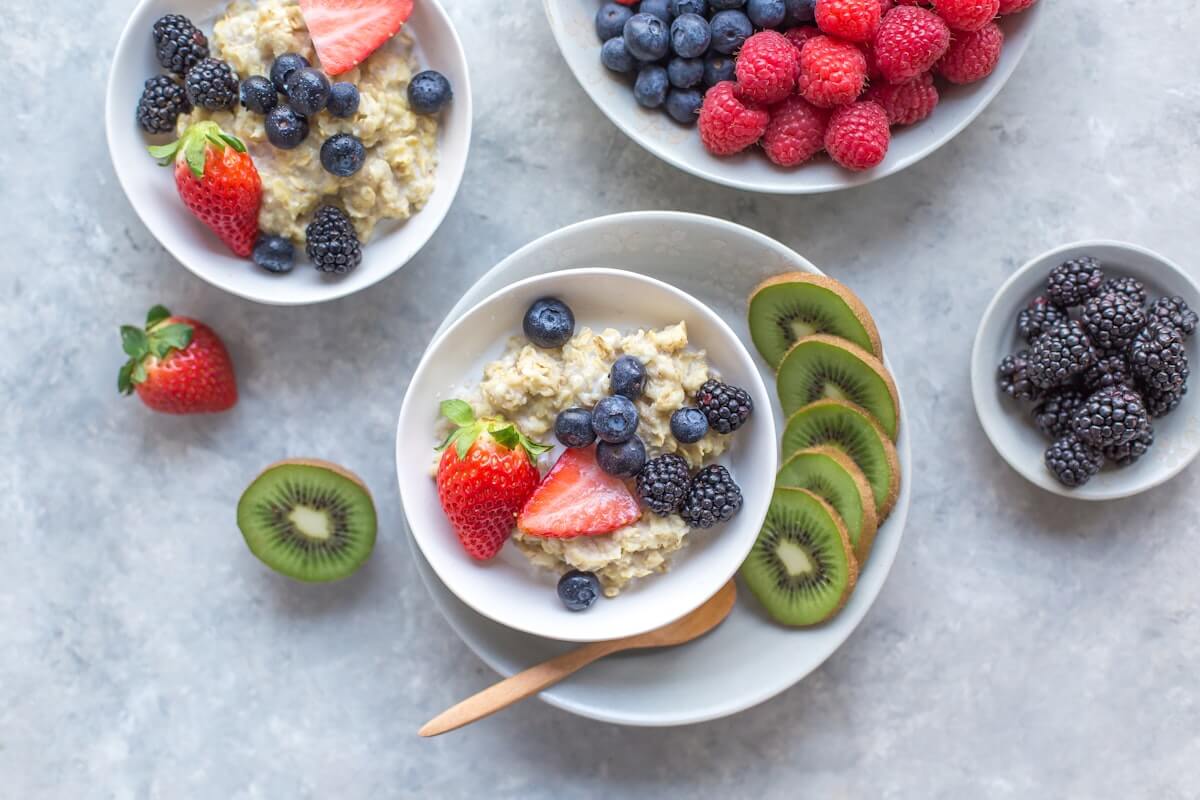
| Light Balance | Chilled overnight oats with berries | Cold grab-and-go jars | Night before | Set out alongside fresh seasonal berries for children and health-conscious guests who want a lighter bite. |
The 48-hour Eid hosting timeline
Following this precise timeline ensures that all complex cooking is finished before Eid day, leaving the morning entirely free for prayer, celebration, and greeting guests:
- Two Days Before Eid (48 Hours Out):
- Purchase all dairy, whole milk, cream, nuts, dried dates, saffron, and fine vermicelli. Use our grocery list generator to ensure nothing is missed.
- Blanch almonds and pistachios in boiling water for 60 seconds; slip off skins and finely sliver. Store in an airtight container.
- Soak dry dates (chhuara) in water or milk in the refrigerator.
- The Day Before Eid (24 Hours Out):
- Cook the sheer khurma in a large, heavy-bottomed stainless steel or copper pot. Allow to cool completely, then refrigerate in serving tureens.
- Prepare the badam halwa, stirring continuously until the ghee separates from the sides of the pan. Store in a glass dish.
- Knead the paratha dough, shape into balls, coat lightly in ghee, and refrigerate in a covered container.
- Polish serving trays, teacups, dessert bowls, and festive linens. Set the dining room table before going to sleep.
- Eid Morning (Dawn & Breakfast):
- Return from Eid prayers, brew a large pot of spiced cardamom tea or Kashmiri pink chai.
- Transfer sheer khurma to the buffet table (or warm gently if family prefers it hot).
- Sear the laminated parathas in 10 minutes and fry eggs to order for breakfast.
- Sit down, enjoy the meal with your family, and celebrate!
What fails: 5 common Eid cooking mistakes
- Scorching milk at the bottom of the pot: Milk contains casein proteins and sugars that settle quickly. Once scorched, the burnt taste permeates the entire batch of sheer khurma. Always use a heavy, thick-bottomed pot and stir continuously with a flat wooden spatula along the base.
- Using skim or 2% milk: Eid sweets require rich dairy fat for structure and mouthfeel. Using low-fat milk yields thin, watery desserts that cause vermicelli to sink to the bottom like soup. Use whole milk with at least 3.8% butterfat or half-and-half.
- Frying parathas while guests sit unattended: Do not trap yourself at the stove for an hour cooking round after round of bread. Cook parathas in a rapid batch of 8 to 10, stack them wrapped in a clean cotton tea towel inside an insulated roti warmer, and serve them all at once.
- Leaving dairy desserts at ambient summer heat: In warmer climates, milk-based sweets left on a dining table for six hours become prime breeding grounds for foodborne bacteria. Set out desserts in small batches and keep the backup bowls in the refrigerator.
- Adding raw, un-toasted nuts directly into warm desserts: Raw nuts absorb liquid and turn rubbery and pale. Always sauté slivered nuts in desi ghee for 90 seconds until crisp and aromatic before folding them into halwa or pudding.
Frequently asked questions
How many days does homemade sheer khurma stay fresh?
Stored in an airtight glass container in the coldest zone of your refrigerator (at or below 40°F / 4°C), sheer khurma stays delicious and fresh for up to 4 to 5 days. If reheating, warm only the portion you plan to consume immediately, as repeated heating cycles degrade dairy stability.
Can badam halwa be frozen for later entertaining?
Yes. Badam halwa freezes extraordinarily well thanks to its high healthy fat and sugar content. Freeze in airtight containers for up to 2 months. Thaw in the refrigerator overnight and reheat in a nonstick pan with a teaspoon of ghee over low heat until glossy and warm.
How can I accommodate lactose-intolerant or vegan guests on Eid?
You can make a stellar dairy-free sheer khurma by substituting cashew milk and rich full-fat coconut milk for cow's milk, and replacing ghee with refined coconut oil or vegan butter. Cashew cream provides the unctuous body that almond or soy milk lacks.
How do I calculate dessert quantities for an open-house Eid party?
For an open house where guests drop in throughout the day, plan approximately 1 cup (240 ml) of sheer khurma and 2 tablespoons (50 g) of dense badam halwa per adult guest. Pair with our servings scaler to automatically calculate milk gallons, nuts, and spice ratios for 10 to 50 guests.