Recipe Planning
The birth of a child is an extraordinary physiological transition, yet our modern culture often shifts all attention to the newborn while leaving the birthing mother entirely unsupported. In traditional postpartum cultures around the world—from Ayurvedic traditions in India to Zuo Yuezi in China and Cuarentena in Latin America—the first 40 days following childbirth are recognized as a sacred window of physiological recovery, demanding warm, easily digestible, deeply nourishing foods that replenish blood, repair tissue, and soothe the nervous system.
Physiologically, your postpartum body is healing an internal placental wound the size of a dinner plate, undergoing rapid uterine involution, rebalancing massive hormonal shifts (precipitous drops in progesterone and estrogen), and potentially producing hundreds of milliliters of breast milk daily on fragmented sleep. Trying to restrict calories or "bounce back" during this vulnerable window elevates cortisol, impairs lactation, worsens postpartum depression risks, and delays tissue repair. This realistic 7-day postpartum meal plan focuses on restorative, one-handed, freezer-friendly nourishment that revitalizes your body without guilt.
Important: This guide is for general meal-planning ideas only, not medical advice. Always consult your OB-GYN, midwife, or registered dietitian for personal nutrition needs, supplements, food safety, weight changes, gestational diabetes, blood pressure, nausea, breastfeeding, or recovery.
The four physiological pillars of fourth-trimester nutrition
When planning postpartum meals, design your kitchen routines around these four restorative principles:
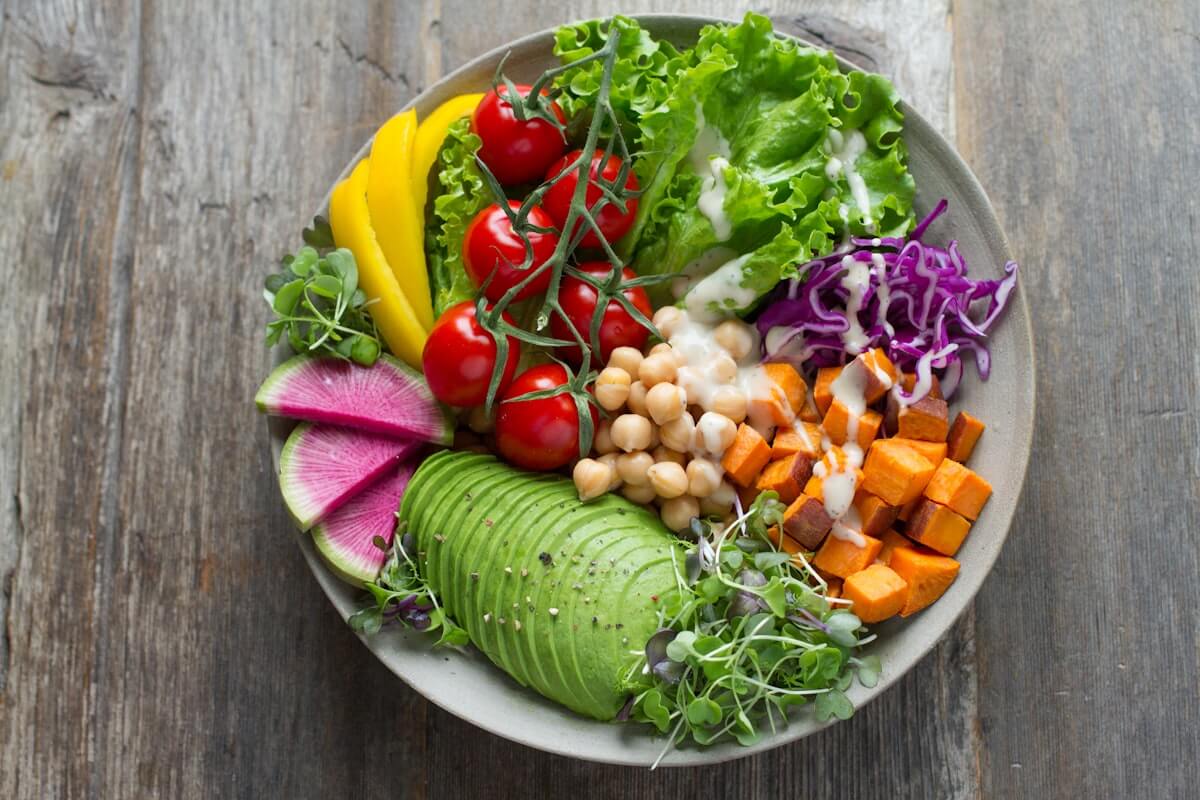
- Warming, Liquid-Rich, Easily Digestible Foods: Following labor, digestive enzymes and gastrointestinal motility are temporarily sluggish. Cold, dry, raw foods (like large raw salads or cold sandwiches) can cause bloating and digestive distress. Emphasize warm, slow-simmered bone broths, hearty lentil stews, congees, and roasted root vegetables that require minimal digestive effort.
- Collagen, Glycine & Tissue Repair Amino Acids: Healing perineal tears, surgical cesarean incisions, and stretched pelvic floor ligaments requires high concentrations of the amino acids proline and glycine. Slow-cooked meats, bone broths, gelatin, poultry thighs, and stews deliver the exact structural peptides required for connective tissue synthesis.
- Blood-Building Iron & Micronutrients: Blood loss during delivery combined with lochia (postpartum bleeding) depletes maternal ferritin stores. Rebuilding hemoglobin requires bioavailable heme iron (slow-cooked beef, lamb, poultry) paired with vitamin C and folate from cooked leafy greens and citrus.
- One-Handed Density for Cluster Feeding: When holding, nursing, or rocking a newborn, sitting down with a knife and fork is often impossible. Keep one-handed, nutrient-dense foods ready: homemade oat-and-nut energy bites, lactation muffins, hard-boiled eggs, and drinkable smoothies.
7-Day postpartum recovery meal plan
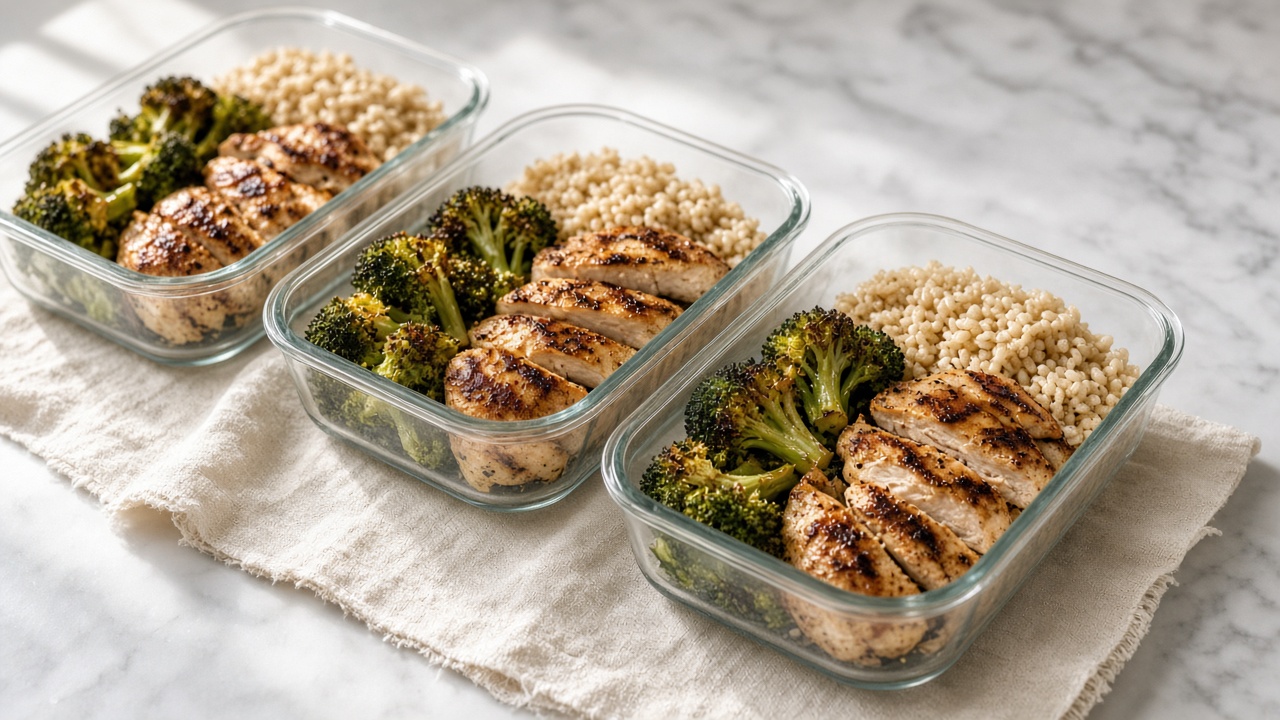
This weekly dinner schedule features comforting, batch-cookable meals that reheat in minutes. Scale recipes effortlessly using our free servings scaler.
| Day | Breakfast | Lunch | Dinner | Postpartum Healing Focus |
|---|---|---|---|---|
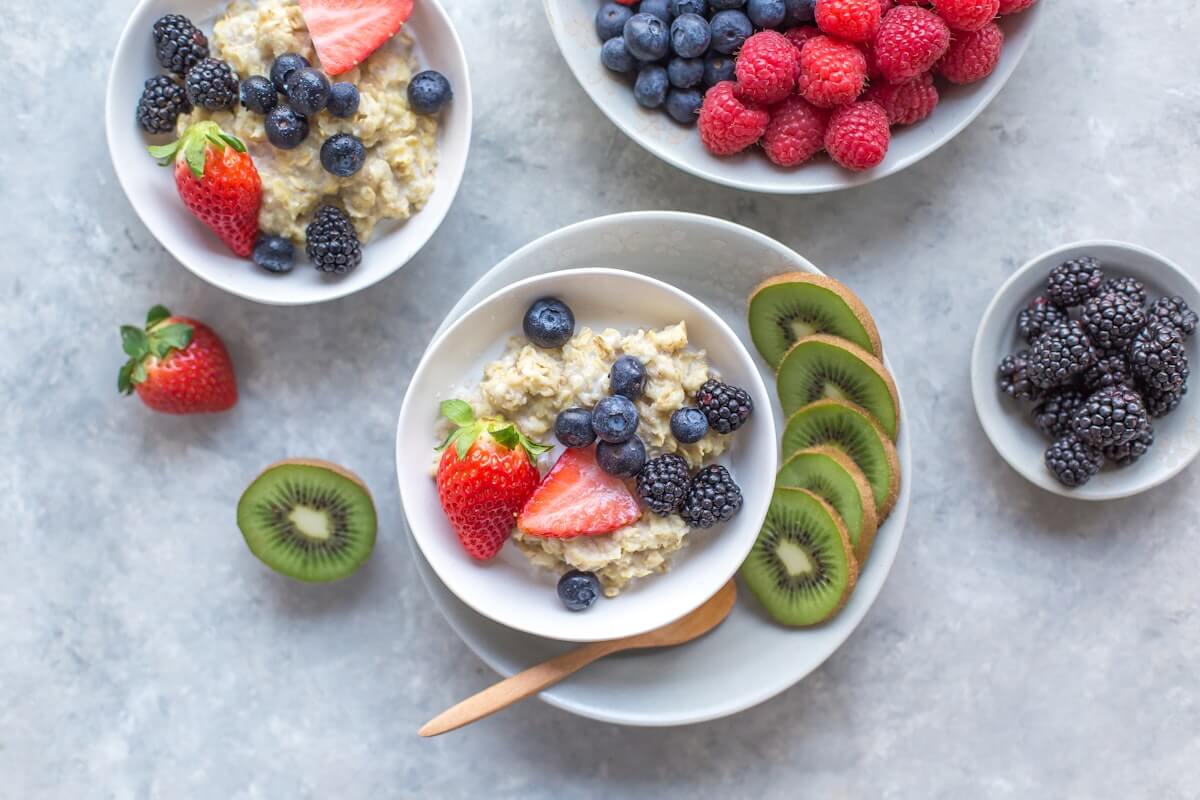
| Monday | Warm steel-cut oatmeal cooked in milk, stirred with ghee, ground flaxseed, and stewed cinnamon apples | Warm hearty lentil soup with bone broth and a slice of buttered sourdough | Slow-simmered chicken and root vegetable stew with carrots, parsnips, and fresh thyme | Warming spices (cinnamon, ginger) stimulate blood circulation; collagen from chicken stew repairs tissue. |
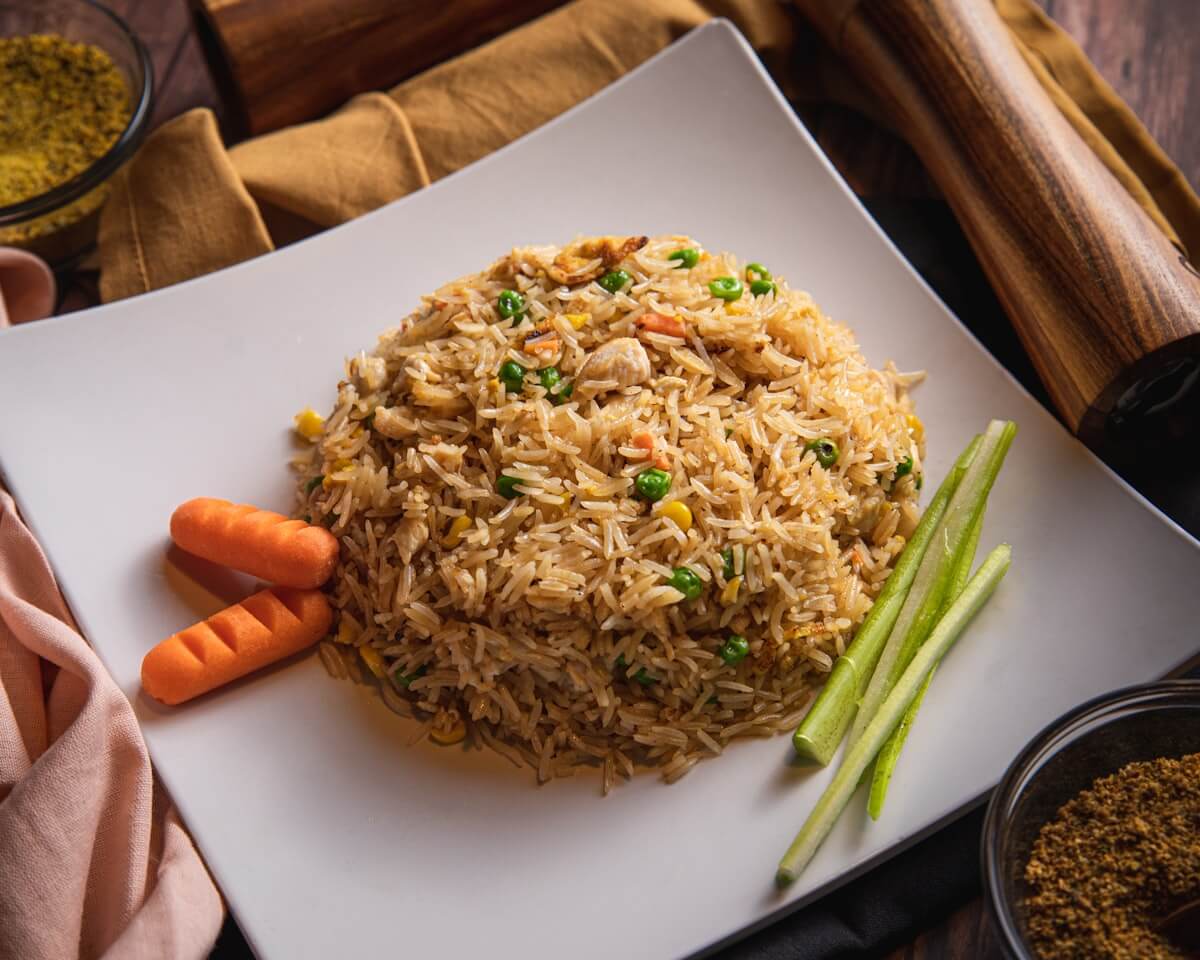
| Tuesday | Two scrambled eggs in grass-fed butter with baby spinach and avocado on toasted sourdough | Leftover chicken and root vegetable stew with pre-cooked wild rice | Quick, nourishing chicken fried rice lunch bowl with edamame and sesame oil | Choline and healthy fats from eggs support mood regulation; sesame oil adds warming aromatics. |
| Wednesday | Overnight oats with berries warmed slightly, topped with raw walnuts and maple drizzle | Leftover chicken fried rice bowl with steamed broccoli florets | Tender lemon herb chicken with roasted sweet potatoes and green beans | Beta-glucan from oats supports digestive regularity and prolactin signaling; sweet potatoes provide easy complex carbs. |
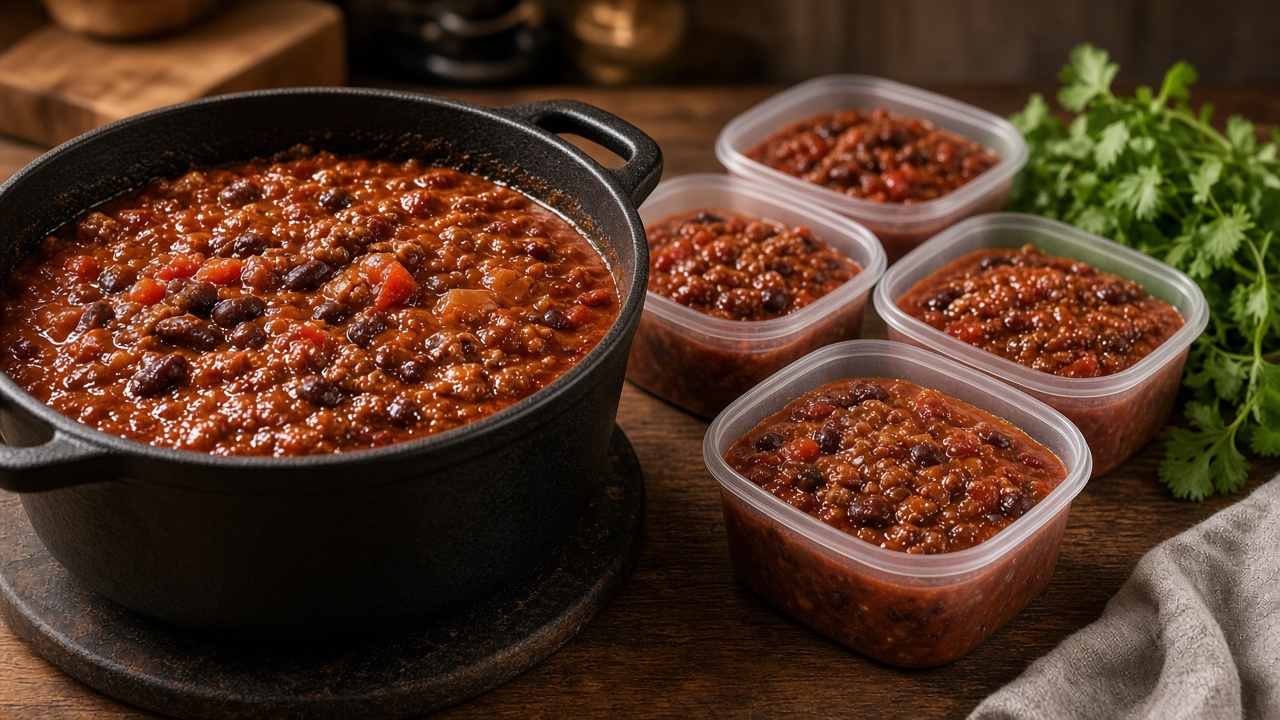
| Thursday | Spiced chia pudding soaked in coconut milk with blueberries, hemp hearts, and sunflower seed butter | Warm lentil soup leftovers with diced avocado and a squeeze of fresh lemon | Classic beef and sweet potato chili simmered with black beans and fire-roasted tomatoes | Bioavailable heme iron and zinc from lean beef replenish maternal ferritin and red blood cell stores. |
| Friday | Buckwheat porridge with almond butter, ripe sliced bananas, and a dollop of Greek yogurt | Leftover beef and sweet potato chili with tortilla chips and guacamole | Flaky oven-baked salmon fillet with roasted asparagus and mashed garlic sweet potatoes | Marine DHA omega-3s support maternal emotional balance and pass into breast milk for infant brain growth. |
| Saturday | Baked egg muffins with diced bell peppers, spinach, and goat cheese (prepped ahead) | Quinoa and roasted vegetable bowl with shredded salmon and lemon-tahini dressing | Slow-cooker chicken tikka masala or mild curry with brown basmati rice and peas | Turmeric in curry provides anti-inflammatory curcumin to ease postpartum musculoskeletal aches. |
| Sunday | Protein waffles with warm blackberry compote and a spoonful of almond butter | Leftover chicken curry over brown basmati rice with sliced cucumbers | Sheet-pan baked chicken thighs with butternut squash, Brussels sprouts, and red onions | High magnesium from butternut squash eases muscle tension and supports restorative sleep. |
Setting up your "freezer stash" before delivery
If you are still pregnant, the greatest gift you can give your future self is a stocked freezer. In your third trimester (around weeks 34–37), prepare double batches of freezer-friendly dishes:
- Freeze Flat in Gallon Bags: Ladle hearty lentil soups, turkey chili, and shredded chicken stews into gallon freezer bags, squeeze out all air, and freeze them completely flat on a baking sheet. Flat bags thaw in under 15 minutes in a bowl of warm water.
- Bake Oatmeal Lactation Bars: Combine rolled oats, almond flour, brewer's yeast, ground flaxseed, dark chocolate chips, and coconut oil. Bake, slice into individual squares, and freeze in parchment paper.
- Portion Smoothie Packs: Pre-pack freezer bags with frozen berries, spinach, pre-portioned protein powder, and chia seeds. In the morning, dump the contents into a blender with milk and blend in 60 seconds.
What fails: 5 postpartum meal planning mistakes
- Falling into the "bounce-back" restriction trap: Cutting calories to 1,200–1,500 kcal within the first six weeks postpartum places your body under severe starvation stress. Cortisol surges, thyroid conversion slows, milk supply plummets, and postpartum hair loss accelerates. Nourish your body fully; weight naturally normalizes over 9 to 12 months as hormones stabilize.
- Forgetting hydration during nocturnal feedings: Nursing or pumping releases oxytocin, which immediately triggers acute thirst. Dehydration exacerbates fatigue, headaches, and constipation. Place a 32-ounce insulated water bottle at every nursing chair and on your nightstand.
- Eating dry, cold convenience foods: Surviving on cold processed protein bars, dry crackers, and cold deli items slows digestion and often leads to painful postpartum constipation. Prioritize warm, comforting, moisture-rich meals.
- Refusing outside meal support: When friends and family ask, "How can I help?", do not say "We're fine!" Give them specific meal requests: ask for a pot of chicken soup, a tray of roasted vegetables, or a grocery delivery of fresh fruit and yogurt.
- Skipping stool-softening fibers and healthy fats: Postpartum bowel movements can be intimidating, particularly after perineal tears or cesarean surgery. Ensure you consume plenty of soluble fiber (oats, chia seeds, stewed prunes) alongside healthy fats (ghee, olive oil, avocado) and copious water.
Frequently asked questions
How many calories do I need while recovering postpartum?
If you are exclusively breastfeeding or pumping, your body requires approximately 450 to 500 additional calories per day above pre-pregnancy maintenance. Even if formula feeding, healing from labor and surgery requires generous baseline fueling (typically 2,000 to 2,400 kcal daily). Listen to your natural hunger cues rather than counting numbers.
Are bone broths truly beneficial for postpartum healing?
Yes. Slow-simmered bone broths are dense in gelatin, collagen, proline, glycine, and essential electrolytes (sodium, potassium, magnesium). These compounds soothe the gut mucosal lining, support pelvic floor tissue remodeling, and provide instant, warming hydration that is effortless to digest.
What should I do if my baby seems fussy after I eat certain foods?
While true food sensitivities in breastfed infants occur (most commonly to cow's milk protein), everyday foods like spicy spices, garlic, or cruciferous vegetables rarely cause infant colic. Before eliminating healthy foods, consult your pediatrician or pediatric dietitian to evaluate latch, reflux, or typical newborn developmental crying periods.
How can I make postpartum cooking effortless?
Remove stress by using our free digital kitchen tools. Use our meal plan generator to organize easy meals, generate a consolidated shopping trip with our grocery list generator, and find creative dinners for pantry staples with our leftover finder.
Helpful resources from Tap Baby Care
For pregnancy tracking and newborn planning, Tap Baby Care provides trusted free clinical tools and guides:
- Getting pregnant hub and Pregnancy hub.
- Due date calculator, Ovulation calculator, and Pregnancy weight gain calculator.
- Kick counter, Contraction timer, Hospital bag checklist, and Birth plan tool.
- Newborn essentials checklist and Baby hub for life after delivery.
- Tap Baby Care blog with evidence-based articles on pregnancy and maternal wellness.
Educational content only — not medical advice. Consult your OB-GYN, midwife, or care team.