Recipe Planning
Pregnancy represents one of the most metabolically demanding physiological events in human biology. Over 40 weeks, your body constructs an entire endocrine organ (the placenta), expands maternal plasma volume by nearly 50%, builds fetal organ systems, and lays down tissue reserves for lactation. Yet, pregnant mothers are often handed vague advice to "eat healthy" while coping with debilitating first-trimester nausea, severe food aversions, erratic blood sugar fluctuations, and third-trimester exhaustion.
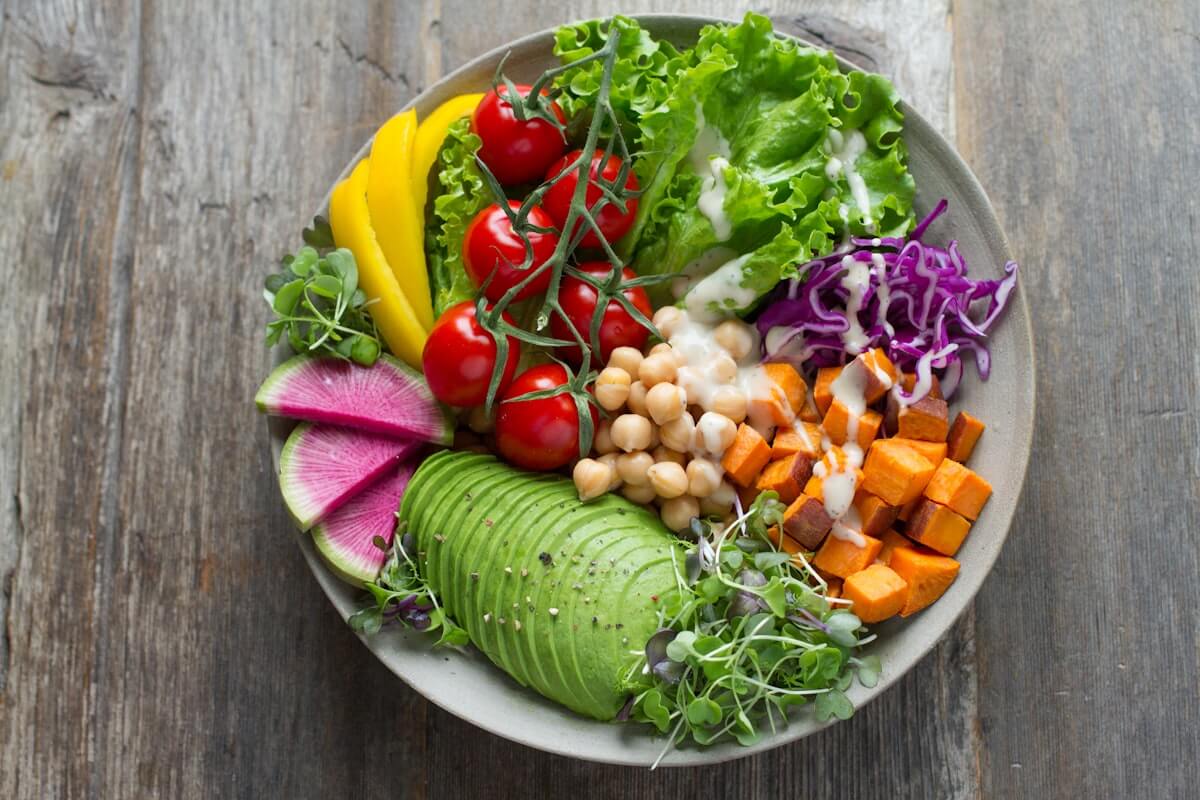
Effective pregnancy meal planning eliminates stress by shifting from rigid dietary rules to flexible, nutrient-dense systems. Rather than doubling portion sizes, the clinical objective is maximizing nutrient density per bite: providing essential micronutrients like folate, bioavailable iron, choline, iodine, and omega-3 DHA while accommodating fluctuating digestion and energy levels. By preparing versatile staples in advance and maintaining a structured weekly meal plan, you ensure consistent nourishment without spending hours standing over a hot stove. This comprehensive guide outlines trimester-specific nutrition, practical weekly menus, and safe meal prep routines.
Important: This guide is for general meal-planning ideas only, not medical advice. Always consult your OB-GYN, midwife, or registered dietitian for personal nutrition needs, prenatal supplements, food safety, weight changes, gestational diabetes, blood pressure, nausea, breastfeeding, or recovery. Never alter clinical recommendations based on online content.
Trimester-by-trimester nutritional priorities
Nutritional needs evolve dramatically across the gestational timeline:
- First Trimester (Weeks 1–12): Cellular Division & Survival Mode: Calorie needs do not increase significantly during early pregnancy, but micronutrient demands—particularly for natural folate (vitamin B9) for neural tube formation and vitamin B6 for neurotransmitter synthesis—are at their peak. For many women, nausea and morning sickness dictate eating: focus on cold, low-odor, carbohydrate-rich foods eaten in small, frequent bites to maintain hydration and prevent hypoglycemia.
- Second Trimester (Weeks 13–27): Rapid Fetal Growth & Skeletal Expansion: As morning sickness subsides and appetite returns, calorie needs increase modestly by approximately 300 to 350 kcal per day. The focus shifts to calcium and magnesium for fetal bone mineral accretion, alongside choline and iron to support expanding maternal red blood cell mass.
- Third Trimester (Weeks 28–40): Brain Development & Maternal Prep: Calorie needs increase by approximately 450 kcal per day. The fetal brain undergoes exponential growth and lipid accumulation, dramatically increasing maternal requirements for docosahexaenoic acid (DHA omega-3). As the growing uterus compresses the stomach, large meals become physically uncomfortable; transition to 5 or 6 nutrient-dense mini-meals spaced throughout the day.
7-Day pregnancy meal plan template
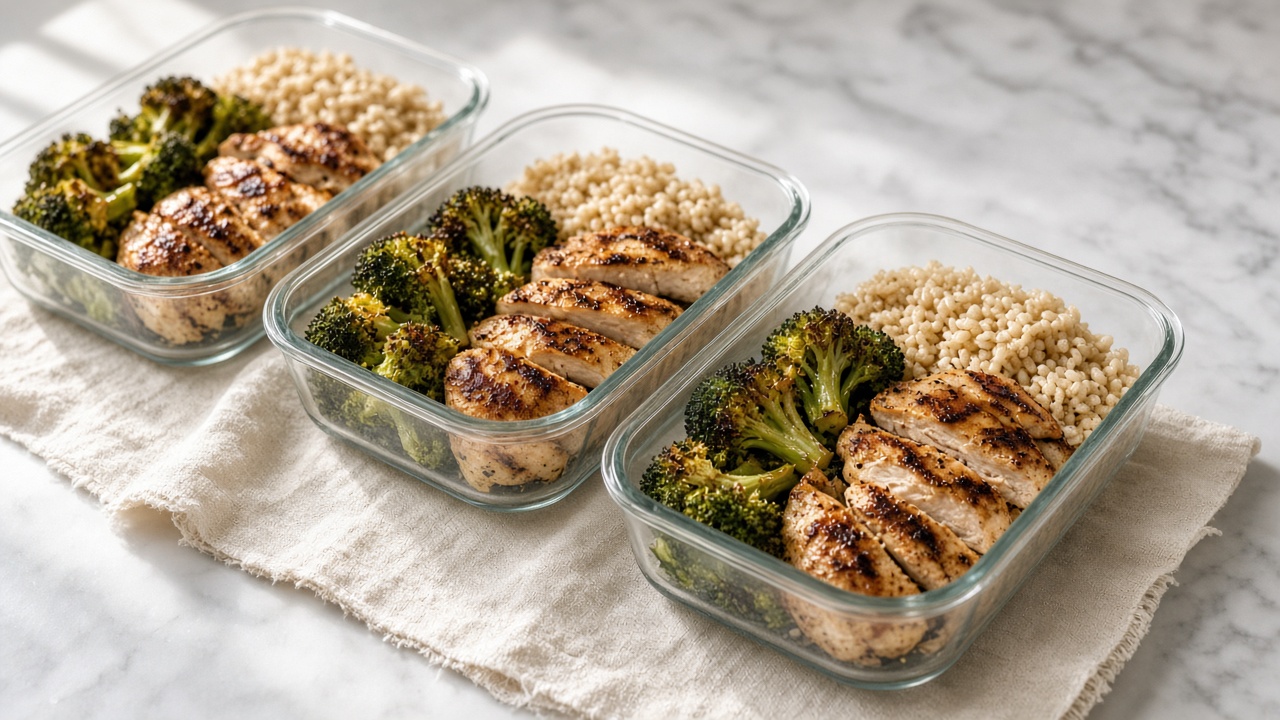
This 7-day dinner rotation emphasizes thoroughly cooked proteins, non-starchy vegetables, and slow-digesting intact grains. Adjust portions easily for your family using our free servings scaler.
| Day | Breakfast | Lunch | Dinner | Nutrient & Comfort Focus |
|---|---|---|---|---|
| Monday | Warm rolled oats simmered in pasteurized milk with sliced banana, chia seeds, and raw almond butter | Mediterranean quinoa bowl: pre-cooked quinoa, canned wild salmon (cooked), diced cucumbers, and lemon-tahini dressing | Juicy lemon herb chicken with baked sweet potato wedges and steamed broccoli | DHA from canned wild salmon; beta-carotene and vitamin C supporting maternal tissue elasticity. |
| Tuesday | Two thoroughly cooked scrambled eggs with baby spinach, diced tomatoes, and sprouted whole-grain toast | Leftover lemon herb chicken sliced over mixed garden greens with olive oil vinaigrette | Comforting hearty lentil soup with a side of steamed green beans | Choline from egg yolks for fetal neurodevelopment; plant iron and folate from brown lentils. |
| Wednesday | Pasteurized Greek yogurt parfait with cinnamon, hemp hearts, and fresh raspberries | Leftover hearty lentil soup with whole-grain crackers and sliced pasteurized cheddar | Flaky, fully cooked herb-baked salmon with steamed asparagus and brown basmati rice | Calcium and probiotics from Greek yogurt; high marine omega-3s supporting fetal retinal growth. |
| Thursday | Steel-cut oats with ground flaxseed, unsweetened applesauce, and crushed raw walnuts | Whole-grain wrap with flaked cooked salmon, avocado spread, and shredded romaine | Vibrant vegetable stir-fry with tofu over brown rice | Non-GMO plant protein and calcium from firm tofu; ginger in stir-fry soothing gentle digestion. |
| Friday | Pasteurized cottage cheese with sliced ripe peaches, chia seeds, and a sprinkle of cinnamon | Leftover vegetable tofu stir-fry with a hard-boiled egg for extra satiety | Lean turkey breast and white bean chili simmered with fire-roasted tomatoes and bell peppers | High-protein poultry and legumes supporting plasma expansion; vitamin C enhancing non-heme iron uptake. |
| Saturday | Whole-grain avocado toast with hard-cooked egg slices, hemp hearts, and lemon zest | Leftover turkey chili served over pre-cooked farro as a hearty grain bowl | Oven-baked cod or haddock with stewed Mediterranean tomatoes, zucchini, and roasted potatoes | Potassium from roasted potatoes easing leg cramps; low-mercury lean marine protein. |
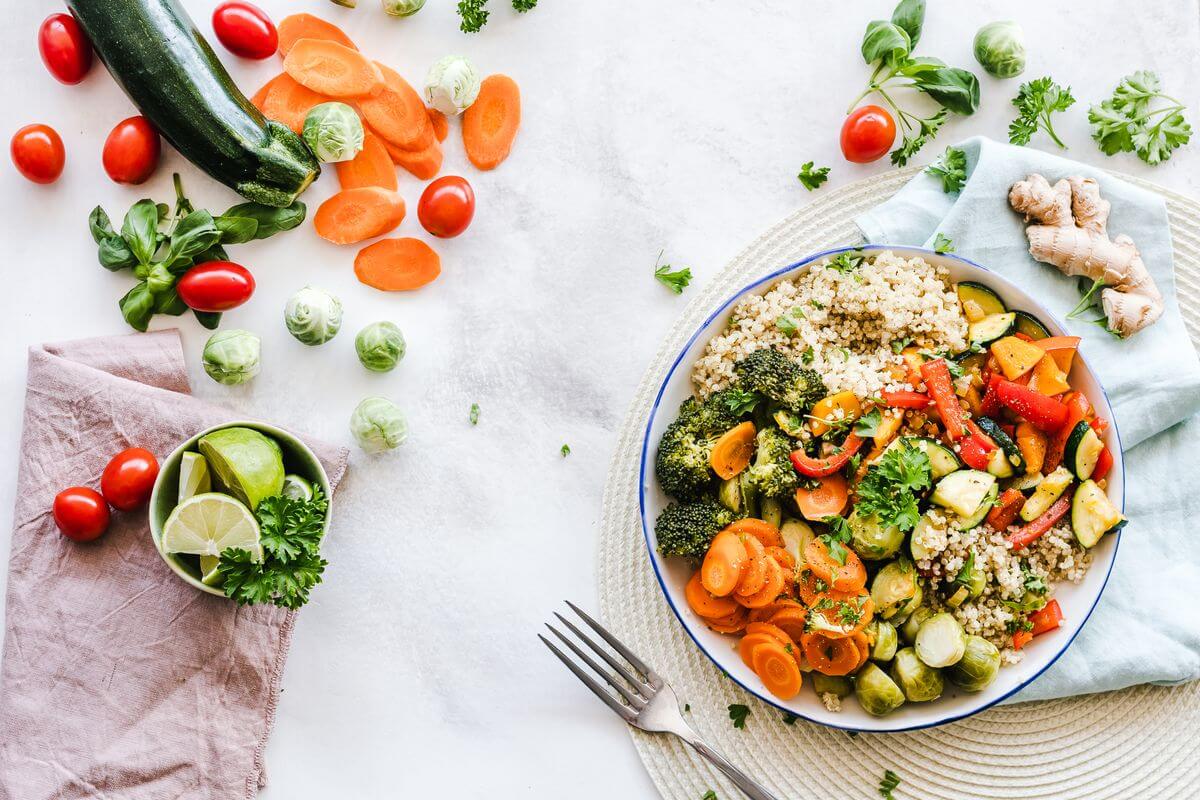
| Sunday | Buckwheat waffles topped with unsweetened blueberry compote and pasteurized Greek yogurt | Chilled mediterranean quinoa salad with chickpeas and fresh parsley | Sheet-pan baked chicken breasts with roasted carrots, Brussels sprouts, and butternut squash | Sunday batch-prep friendly; colorful carotenoids and magnesium supporting vascular comfort. |
Managing morning sickness and nausea through meal design
For roughly 70% of pregnant women, the first trimester brings varying degrees of nausea (often caused by surging human chorionic gonadotropin and estrogen). Use these culinary strategies to stay nourished during nausea flares:
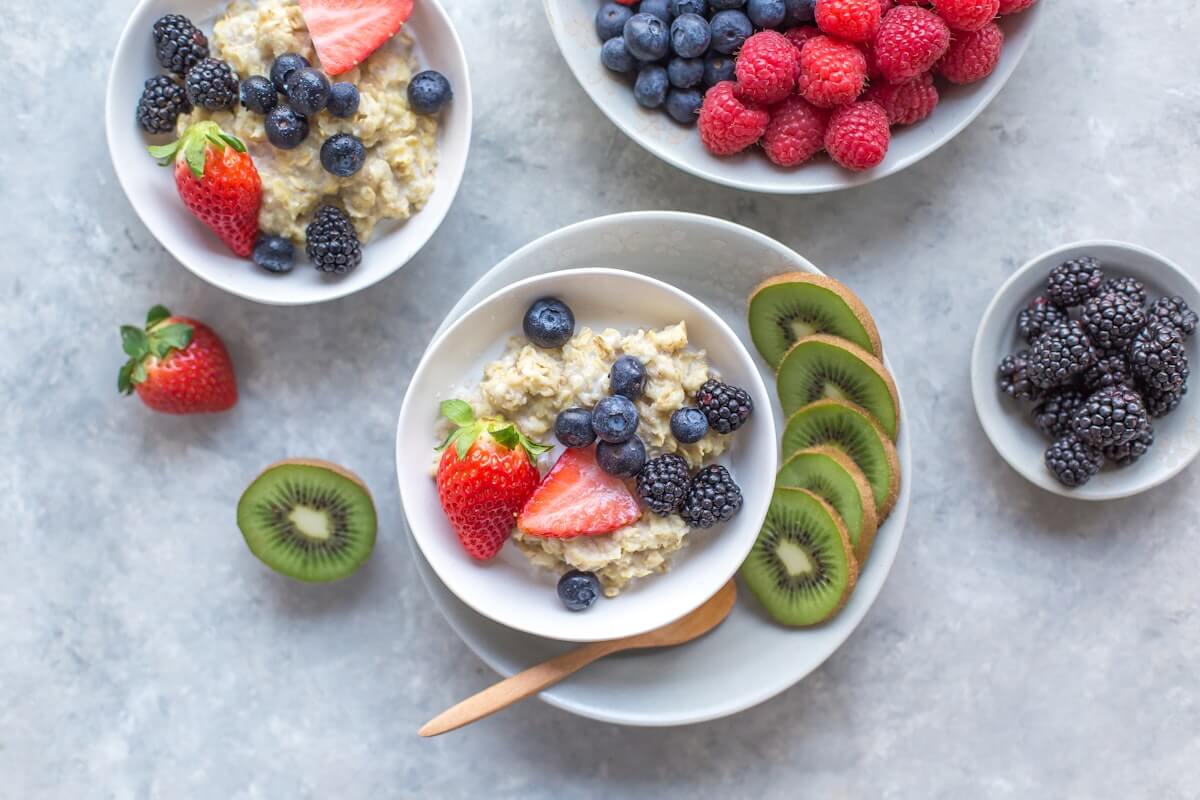
- Prioritize Cold and Low-Aroma Foods: Hot, steaming meals emit volatile aroma molecules that instantly trigger the olfactory nausea reflex. Cold or room-temperature dishes (chilled quinoa salads, overnight oats, cold fruit, smoothies) are significantly easier to tolerate.
- Eat Before Rising: Keep plain whole-grain crackers or dry oat biscuits on your bedside nightstand. Eating two small crackers 10 minutes before getting out of bed absorbs gastric acid and prevents morning hypoglycemia, the primary physiological trigger for early morning nausea.
- Incorporate Fresh Ginger: Clinical trials show that gingerols and shogaols in fresh ginger bind to serotonin 5-HT3 receptors in the gut, dampening nausea signaling. Sip warm fresh ginger tea with lemon or nibble crystallized ginger slices.
- Separate Liquids from Solids: Drinking large glasses of water alongside meals distends the stomach and triggers acid reflux. Drink fluids 30 to 45 minutes before or after meals, rather than during eating.
What fails: 5 common pregnancy meal planning mistakes
- Literally "eating for two" in early pregnancy: Believing you must double your food intake in the first or second trimester often results in excessive gestational weight gain, which increases the clinical risk of gestational diabetes, preeclampsia, and macrosomia. Calorie needs increase by only ~300 calories in the second trimester—roughly equivalent to an apple with peanut butter and a glass of milk.
- Consuming unpasteurized juices, milks, or soft cheeses: Foodborne pathogens like Listeria monocytogenes can cross the placental barrier, leading to miscarriage or severe fetal infection. Always ensure dairy products (brie, camembert, feta, queso fresco) and fruit juices are clearly labeled "Made with Pasteurized Milk" or "Pasteurized".
- Skipping meals due to fatigue: When exhaustion hits at 6 PM, it is tempting to skip dinner and sleep. However, prolonged overnight fasting can cause morning hypoglycemia, worsening nausea and dizziness. Keep pre-portioned, freezer-ready meals (like lentil soup or chicken chili) ready to reheat in 3 minutes.
- Taking iron supplements with calcium-rich dairy: Iron and calcium compete directly for the same divalent metal transporter (DMT1) in the duodenal brush border. If you take an iron supplement, take it with a source of vitamin C (like citrus or bell peppers) and wait at least two hours before consuming milk, yogurt, or calcium supplements.
- Ignoring food thermometer safety: Eyeballing meat doneness during pregnancy is dangerous. Use a digital instant-read thermometer to verify internal temperatures: poultry must reach 165°F (74°C), ground meats 160°F (71°C), and whole cuts of beef or fish at least 145°F (63°C).
Frequently asked questions
How much water should I drink during pregnancy?
The American College of Obstetricians and Gynecologists (ACOG) recommends consuming 8 to 12 cups (64 to 96 ounces) of water daily during pregnancy. Adequate hydration supports amniotic fluid production, promotes expanding maternal blood volume, and helps prevent common pregnancy complications including constipation, hemorrhoids, and urinary tract infections.
Is seafood safe to eat during pregnancy?
Yes, and it is strongly encouraged. The FDA and EPA recommend 8 to 12 ounces per week of low-mercury seafood. Safe, nutrient-rich options include wild salmon, canned light tuna, shrimp, pollock, cod, tilapia, and sardines. Avoid high-mercury apex predators: shark, swordfish, king mackerel, bigeye tuna, marlin, and tilefish.
Can I drink coffee or caffeinated tea while pregnant?
Major health organizations (including ACOG and the WHO) advise limiting caffeine intake to less than 200 milligrams per day (approximately one 12-ounce cup of brewed coffee). Higher doses of caffeine cross the placenta and may affect fetal heart rate and growth. Unsweetened herbal teas (like rooibos, peppermint, or ginger) are excellent caffeine-free alternatives.
How can I automate my weekly pregnancy meal plan?
Save energy and eliminate grocery stress with our free kitchen tools. Use our meal plan generator to create balanced weekly menus, export an organized shopping trip with our grocery list generator, and find creative recipes for leftover pantry staples with our leftover finder.
Helpful resources from Tap Baby Care
For pregnancy tracking and newborn planning, Tap Baby Care provides trusted free clinical tools and guides:
- Getting pregnant hub and Pregnancy hub.
- Due date calculator, Ovulation calculator, and Pregnancy weight gain calculator.
- Kick counter, Contraction timer, Hospital bag checklist, and Birth plan tool.
- Newborn essentials checklist and Baby hub for life after delivery.
- Tap Baby Care blog with evidence-based articles on pregnancy and maternal wellness.
Educational content only — not medical advice. Consult your OB-GYN, midwife, or care team.