Recipe Planning
Lactation is an astonishing metabolic feat. Producing an average of 25 to 35 ounces of breast milk each day demands roughly 450 to 500 additional calories—more metabolic energy than your body expended during the third trimester of pregnancy! Every ounce of human milk is synthesized from nutrients drawn directly from maternal circulation and body stores, providing your baby with optimal macronutrients, immunoglobulins, stem cells, enzymes, and oligosaccharides.
However, many nursing mothers find themselves caught between ravenous "nursing hunger", relentless thirst, and zero free hands to cook elaborate meals. The key to sustainable breastfeeding meal planning is not hunting for magic herbal galactagogues, but rather establishing an abundance-based, high-hydration, one-handed eating system. When your pantry is stocked with protein-dense snacks, whole grains, and restorative fats, keeping your energy stable and your milk supply supported becomes effortless. This guide breaks down lactation biology, daily meal plans, and real-world kitchen strategies for nursing parents.
Important: This guide is for general meal-planning ideas only, not medical advice. Always consult your OB-GYN, midwife, international board-certified lactation consultant (IBCLC), or registered dietitian for personal nutrition needs, milk supply concerns, mastitis, infant weight gain, or food allergies.
The biology of milk supply: what food can and cannot do
To navigate breastfeeding nutrition effectively, it is critical to separate physiological reality from internet marketing:
- Supply is Driven by Frequent, Complete Milk Removal: The primary biological driver of breast milk synthesis is supply and demand (autocrine regulation via Feedback Inhibitor of Lactation / FIL). No food, cookie, or tea can compensate for infrequent nursing, poor latch, or incomplete breast emptying. If supply is low, the first step is always working with an IBCLC to evaluate milk transfer.
- Caloric Adequacy Protects Maternal Reserves: If maternal calorie intake drops severely (under 1,800 kcal daily), your body will prioritize milk production by mobilizing maternal bone calcium, muscle protein, and nutrient stores, leaving you exhausted and depleted. Consistent, balanced meals protect maternal longevity.
- Hydration Requires Electrolytes, Not Just Plain Water: Breast milk is approximately 87% water. While drinking adequate fluids is essential, chugging gallons of plain distilled water can dilute maternal serum sodium and paradoxically trigger urinary excretion without improving cellular hydration. Pair your water with natural electrolytes: coconut water, bone broths, and potassium-rich fruits.
- Micronutrients Transferred into Milk: Levels of water-soluble vitamins (vitamins B1, B2, B6, B12, vitamin C) and fat-soluble vitamin A and iodine in breast milk vary directly with maternal diet. Eating colorful, nutrient-dense whole foods directly enhances milk composition.
7-Day breastfeeding meal plan
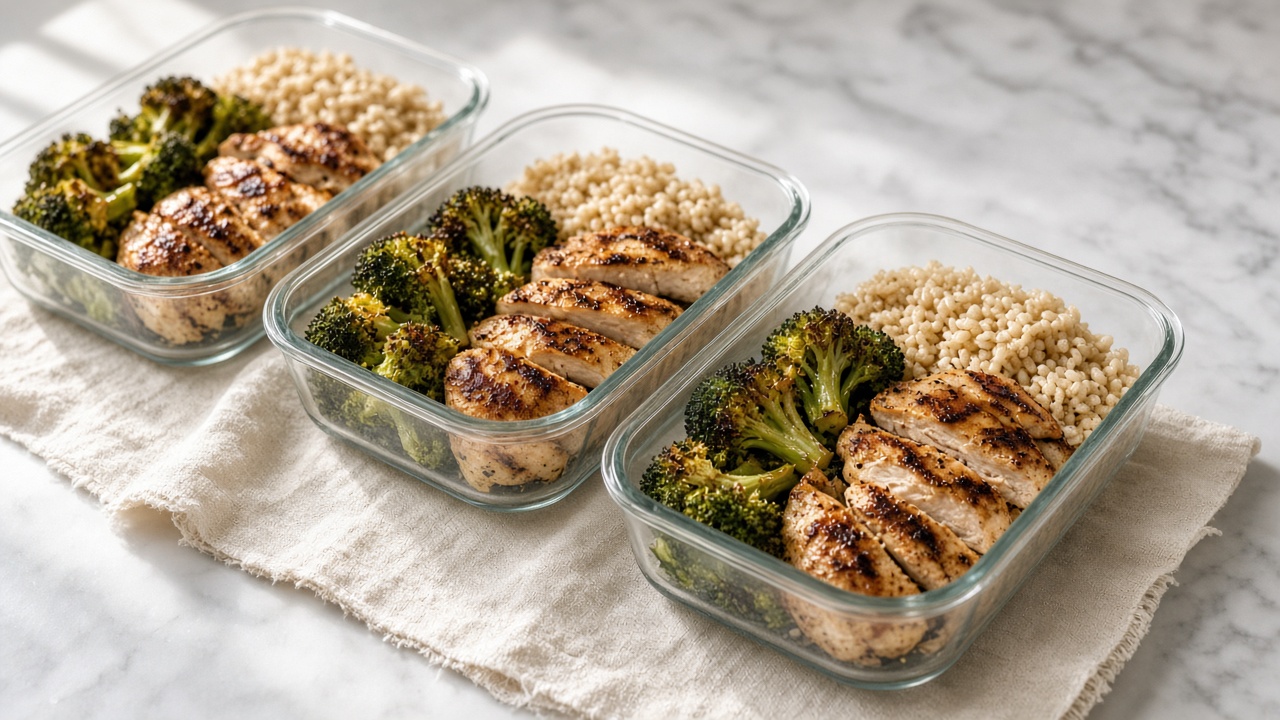
This 7-day schedule provides complete breakfast, lunch, dinner, and snack templates designed for busy nursing days. Scale recipes effortlessly using our free servings scaler.
| Day | Breakfast | Lunch | Dinner | Lactation & Energy Focus |
|---|---|---|---|---|
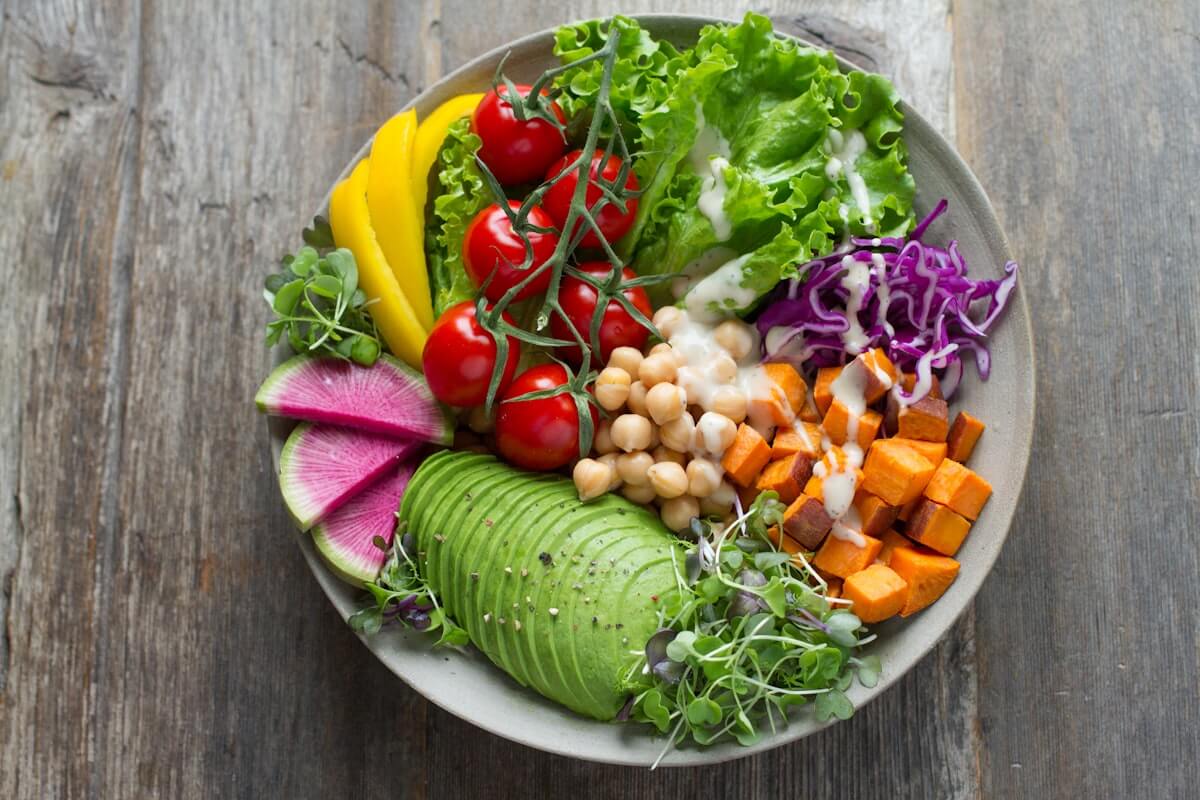
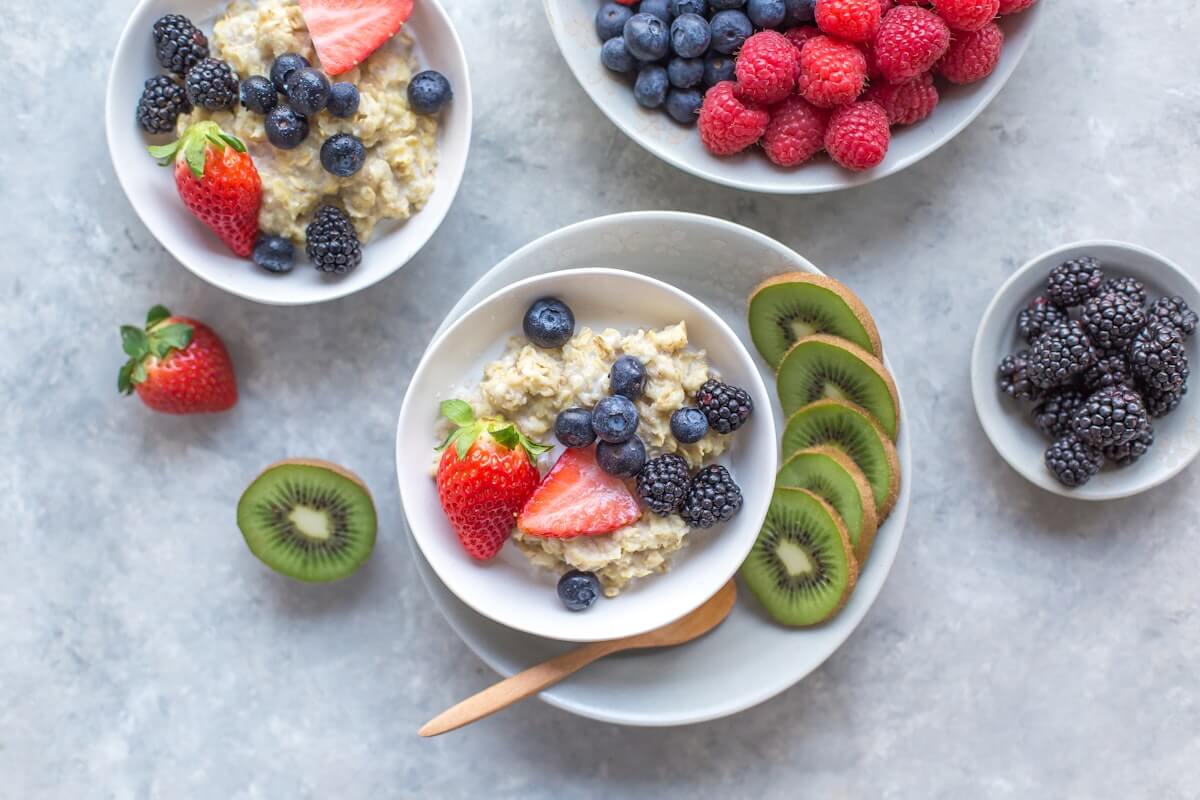
| Monday | Overnight oats with berries, ground flaxseed, chia seeds, and raw almond butter | Mediterranean quinoa bowl with canned wild salmon, cucumbers, cherry tomatoes, and olive oil | Juicy lemon herb chicken with roasted sweet potatoes and steamed broccoli | Beta-glucan from oats stimulates prolactin release; marine DHA enriches breast milk fatty acid profile. |
| Tuesday | Two scrambled eggs in olive oil with baby spinach, sliced avocado, and sprouted whole-grain toast | Leftover lemon herb chicken wrap with mixed greens and hummus | Warm hearty lentil soup served with a crisp romaine side salad | Choline from egg yolks for infant brain development; iron and plant protein from brown lentils. |
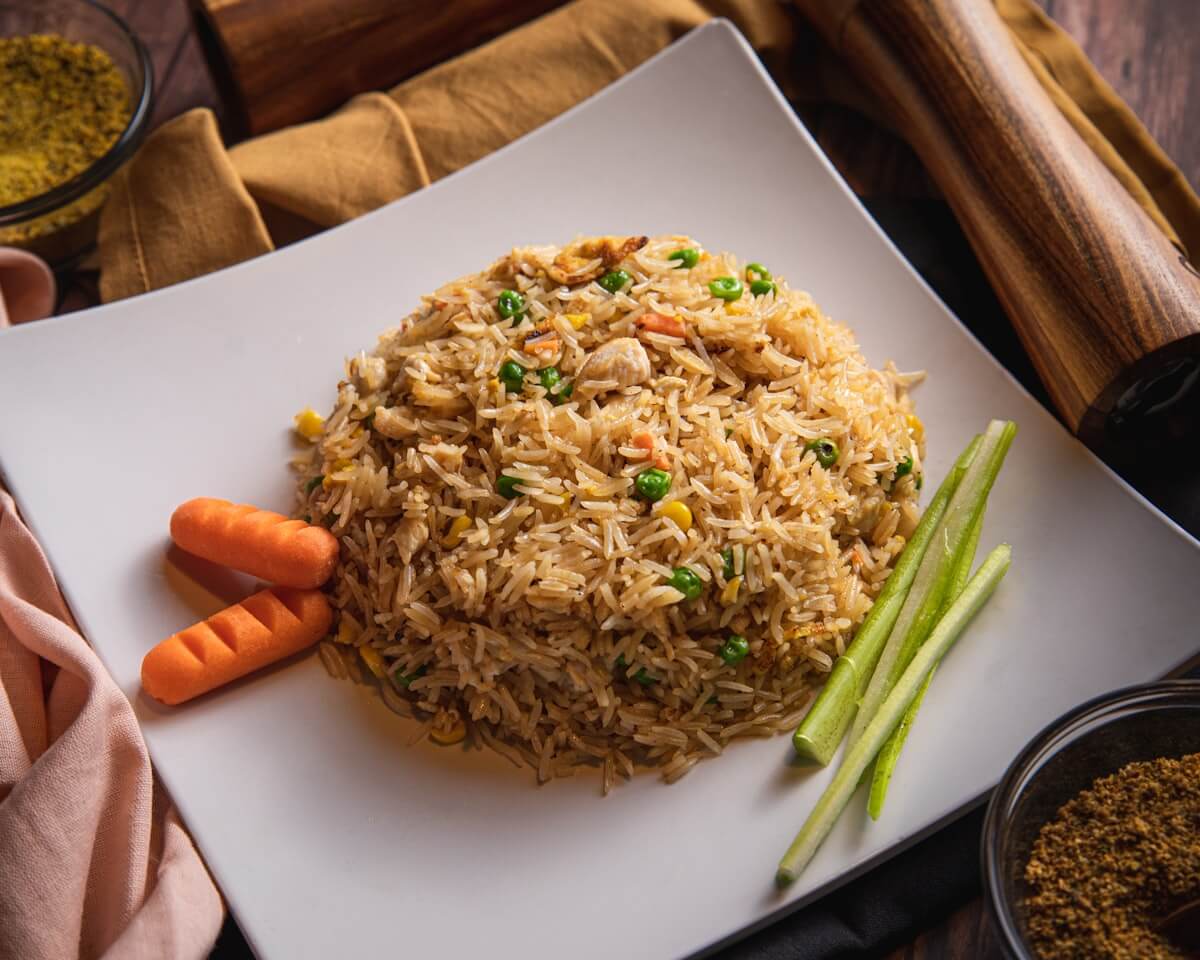
| Wednesday | Greek yogurt parfait with cinnamon, raw walnuts, and fresh blueberries | Leftover hearty lentil soup with whole-grain sourdough bread | Comforting chicken fried rice lunch bowl with edamame, carrots, and sesame oil | High bioavailable calcium from Greek yogurt; complete amino acids supporting maternal recovery. |
| Thursday | Warm steel-cut oatmeal cooked in milk, stirred with mashed banana, hemp seeds, and peanut butter | Leftover chicken fried rice bowl with a hard-boiled egg | Flaky herb-baked salmon with steamed asparagus and wild rice | Potassium from bananas and sweet potatoes; omega-3s promoting healthy infant neurodevelopment. |
| Friday | Chia seed pudding with coconut milk, fresh raspberries, and unsweetened coconut flakes | Mediterranean wrap: flaked salmon, avocado, and spinach on whole-wheat flatbread | Turkey and black bean chili simmered with fire-roasted tomatoes and bell peppers | Medium-chain triglycerides (MCTs) from coconut; high-protein poultry and legumes supporting plasma expansion. |
| Saturday | Baked egg and vegetable muffins (batch-prepped) with a side of sliced cantaloupe | Leftover turkey chili served over brown rice as a hearty bowl | Slow-baked cod or white fish with stewed Mediterranean tomatoes, zucchini, and farro | Vitamin A and hydration from cantaloupe; lycopene and lean marine protein for cellular repair. |
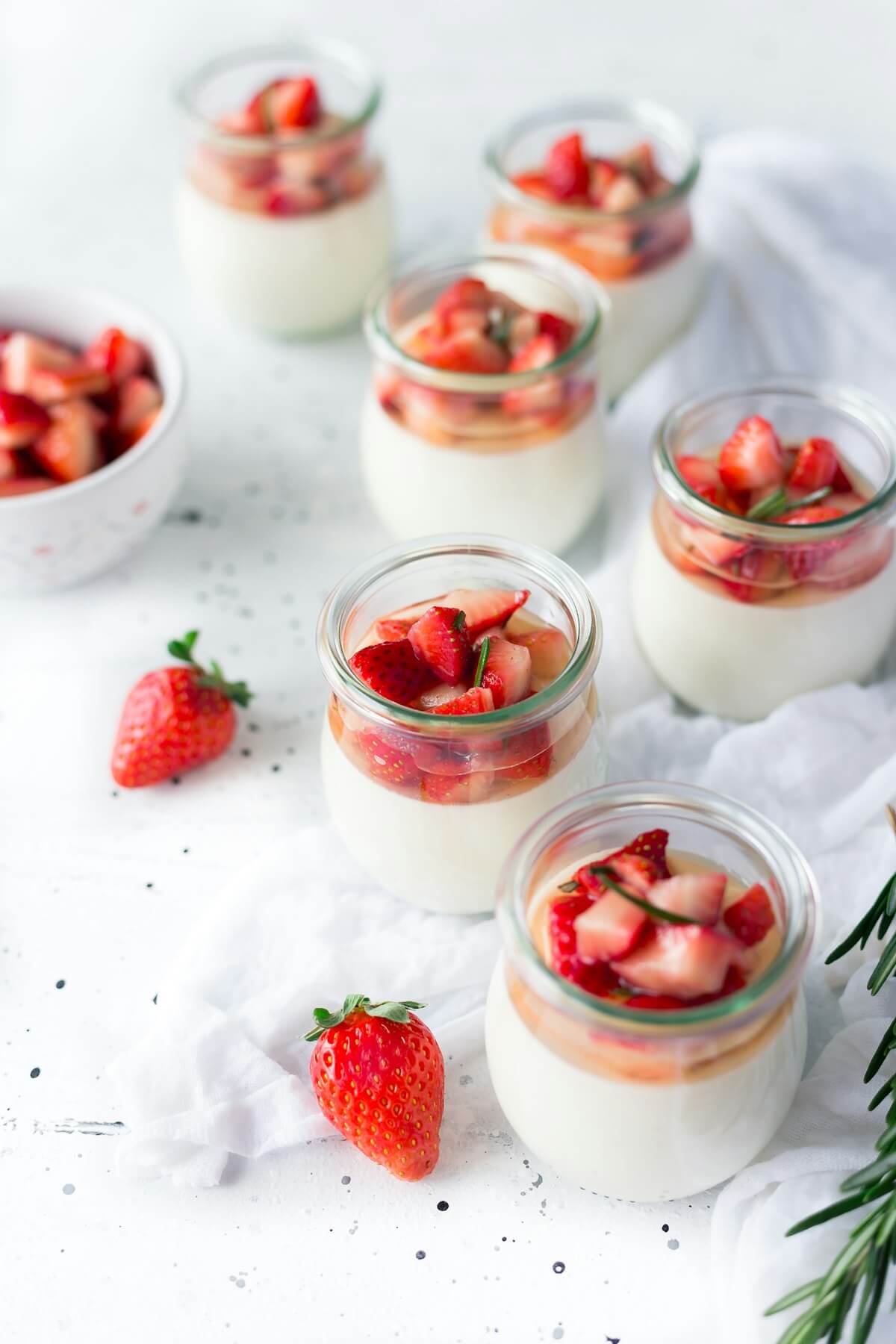
| Sunday | Buckwheat waffles topped with Greek yogurt and warm strawberry compote | Chilled mediterranean quinoa salad with chickpeas and fresh herbs | Sheet-pan baked chicken thighs with butternut squash, Brussels sprouts, and red onions | Sunday batch-prep friendly; rich in brassica indoles and magnesium supporting restorative sleep. |
The ultimate one-handed snack toolkit
When baby is nursing for 45 minutes, having accessible, nutrient-dense snacks within arm's reach prevents blood sugar crashes:
- No-Bake Energy Bites: Combine 1 cup rolled oats, 1/2 cup natural peanut butter, 1/3 cup raw honey, 2 tbsp ground flaxseed, and 2 tbsp dark chocolate chips. Roll into bite-sized balls and store in the fridge.
- Pre-Peeled Hard-Boiled Eggs: Boil a dozen eggs on Sunday. Keep them peeled in an airtight container for an instant 6 grams of complete protein and choline.
- Greek Yogurt Drinkable Pouches or Smoothies: Blend plain yogurt, milk, frozen berries, and a banana. Drink directly from an insulated straw cup without needing a spoon.
- Roasted Salted Edamame and Almonds: High in plant protein, magnesium, and healthy monounsaturated fats.
What fails: 5 common breastfeeding nutrition myths
- Believing "lactation cookies" are a magic cure for low supply: Commercial lactation cookies often cost $30 per box and consist primarily of white flour, refined cane sugar, and butter, with a tiny pinch of brewer's yeast or flaxseed. Eating high-sugar cookies causes glucose spikes without addressing the root cause of supply issues. Stick to homemade oatmeal and balanced meals.
- Eliminating dairy, gluten, and spices preemptively: Many nursing mothers cut out coffee, spicy food, onions, broccoli, and dairy because they fear it will "upset the baby's stomach." Unless your infant exhibits verified symptoms of an IgE or non-IgE mediated allergy (blood in stool, severe eczema, failure to thrive diagnosed by a pediatrician), eat a diverse, varied diet. Maternal diet variety actually flavors amniotic fluid and breast milk, preparing babies for solid food acceptance!
- Drinking gallons of water without eating electrolytes: Over-hydration without sodium and potassium can dilute maternal blood electrolytes and actually down-regulate oxytocin release. Drink to satisfy natural thirst, and include nourishing broths and mineral-rich foods.
- Relying on severe calorie-restricted diets to lose baby weight: Dropping below 1,500–1,800 kcal can cause your body to enter an energy-conservation state, triggering a dip in milk production. Focus on nutrient density; lactation naturally mobilizes gestational fat stores over time.
- Ignoring calcium intake: Lactating mothers transfer roughly 200 to 300 mg of calcium into breast milk daily. If dietary calcium is lacking, maternal bones will undergo temporary demineralization. Consume 3 servings daily of dairy or fortified plant alternatives.
Frequently asked questions
Can I drink coffee or tea while breastfeeding?
Yes. The CDC and American Academy of Pediatrics state that consuming 200 to 300 milligrams of caffeine daily (about 2 to 3 cups of brewed coffee) is safe while nursing. Less than 1% of the caffeine ingested by the mother passes into breast milk. If your newborn appears unusually jittery or has trouble sleeping, consider reducing intake temporarily.
Do I need to continue taking my prenatal vitamin while nursing?
Yes. Obstetricians and pediatricians strongly recommend continuing your prenatal vitamin—or transitioning to a dedicated postnatal multivitamin—throughout your entire breastfeeding journey. This ensures that maternal stores of iron, zinc, vitamin D, choline, and iodine remain fully supported.
How do I know if my baby is getting enough milk?
Do not judge your milk supply by how your breasts feel or by how much milk you pump (pumps are less efficient than a nursing baby). Reliable clinical indicators that your baby is receiving enough milk include: 6 or more wet diapers per 24 hours, regular bowel movements, alert behavior when awake, and steady weight gain along their pediatric growth curve.
How can I automate my breastfeeding meal planning and grocery shopping?
Free up precious time with your newborn by using our free digital tools. Use our meal plan generator to organize easy recipes, generate a consolidated shopping trip with our grocery list generator, and rescue extra pantry staples with our leftover finder.
Helpful resources from Tap Baby Care
For pregnancy tracking and newborn planning, Tap Baby Care provides trusted free clinical tools and guides:
- Getting pregnant hub and Pregnancy hub.
- Due date calculator, Ovulation calculator, and Pregnancy weight gain calculator.
- Kick counter, Contraction timer, Hospital bag checklist, and Birth plan tool.
- Newborn essentials checklist and Baby hub for life after delivery.
- Tap Baby Care blog with evidence-based articles on pregnancy and maternal wellness.
Educational content only — not medical advice. Consult your OB-GYN, midwife, or care team.