Recipe Planning
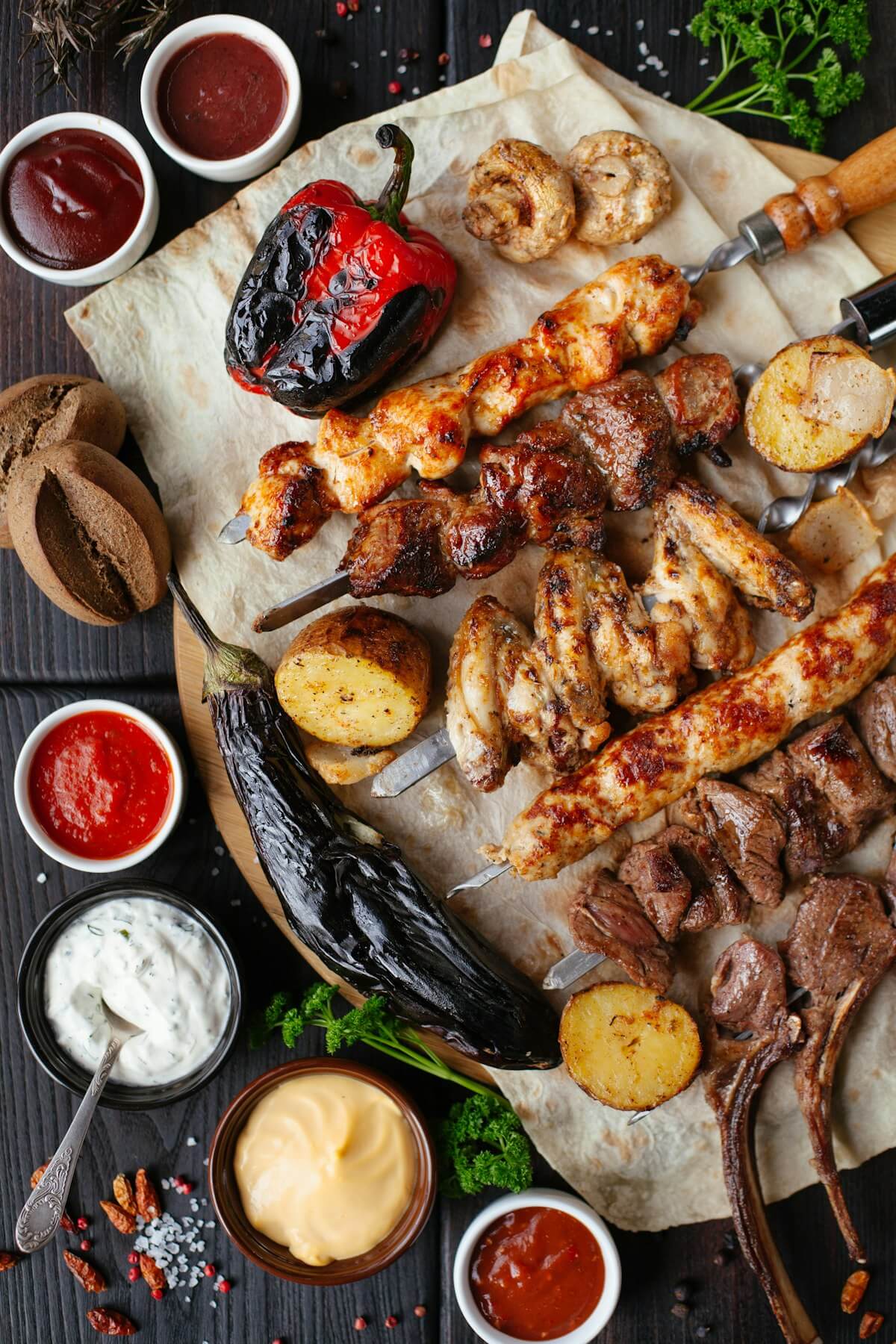
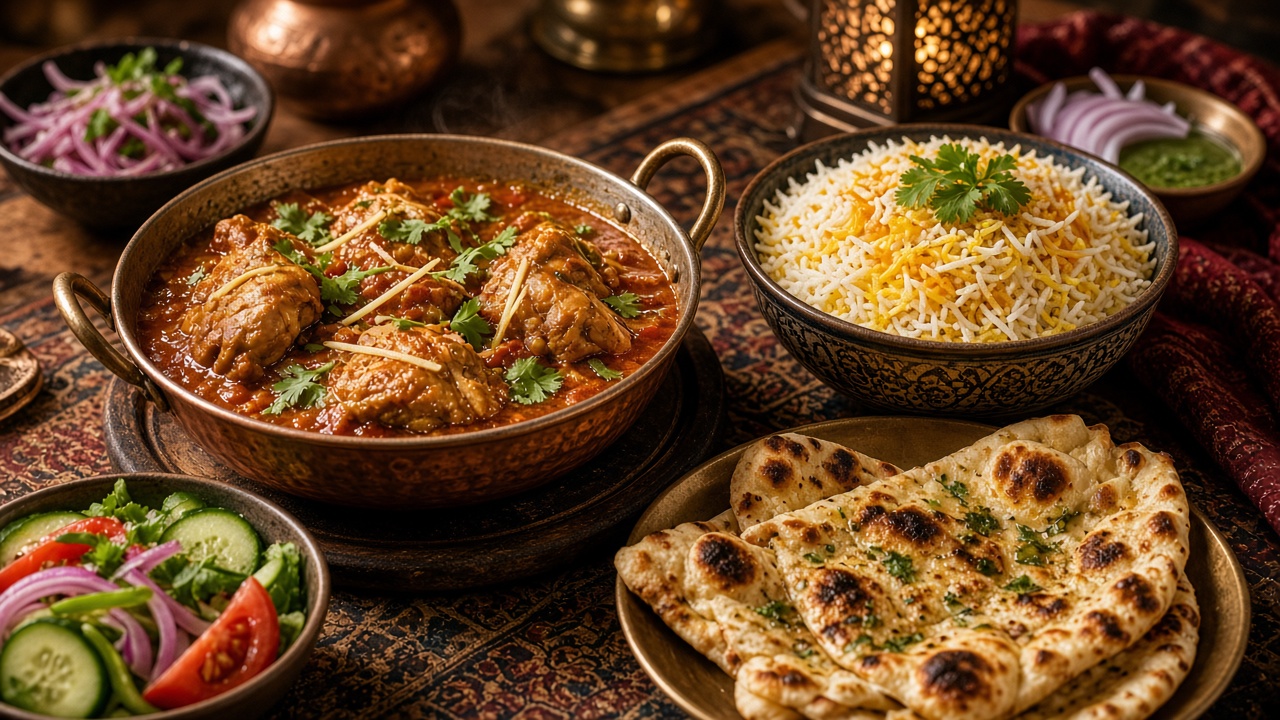
Pakistan Day, celebrated annually on 23 March (Youm-e-Pakistan), commemorates the historic passage of the Lahore Resolution in 1940. Across cities from Karachi to Lahore, Islamabad, and worldwide diaspora communities, the holiday is marked by military parades, flag-hoisting ceremonies, and joyful gatherings of extended family around the dining table. A national celebration calls for a patriotic feast that captures the rich tapestry of Pakistani gastronomy: the sizzle of spiced charcoal kebabs, the slow-simmered comfort of home-style vegetable curries, fragrant steamed basmati rice, and decadent festive halwa.
Yet orchestrating an authentic multi-course Pakistani holiday dinner can easily become stressful if the cook is juggling six different simmering pots simultaneously. The key to hosting a magnificent 23 March family dinner lies in understanding course balance and advance staging. By pairing vibrant make-ahead kebabs with a rich vegetarian curry, a silky lentil base, and a chilled almond sweet, the host can step out of the kitchen, sit with visiting relatives, and celebrate with zero culinary stress.
The culinary science of juicy seekh kebabs & dhungar smoke
Home cooks frequently struggle with homemade seekh kebabs: either the spiced ground meat crumbles off the skewer into the coals, or the kebabs cook into dense, dry, rubbery cylinders. Achieving the tender, springy, melt-in-the-mouth texture of traditional food-street kebabs requires mastering meat protein binding and smoking physics:
- Fat-to-Lean Ratio: Seekh kebabs cannot be made with lean meat. Authentic kebabs require strictly 20% to 25% natural animal fat (preferably lamb or beef kidney fat/suet). During cooking, the fat melts slowly, basting the muscle fibers from the inside out and preventing moisture loss.
- Salt Osmosis and Myosin Extraction: When ground meat is vigorously kneaded with salt for 8 to 10 minutes, the salt breaks down muscle proteins and extracts myosin. Myosin forms a sticky, fibrous protein gel that binds the meat tightly together, ensuring the kebabs stay firmly on the skewer or skillet without requiring breadcrumb fillers.
- Onion Moisture Extraction: Fresh onions contain high water content. Finely grating an onion and adding it directly to ground meat will turn your kebab mixture into wet mush. Always squeeze grated onions in a clean cheesecloth until bone-dry before folding them into the seasoned mince.
- The Dhungar Smoking Technique: To infuse authentic tandoor charcoal flavor on an ordinary apartment stovetop, place a small heatproof bowl or onion peel into the center of the seasoned raw kebab meat. Place a lump of red-hot lump hardwood charcoal into the bowl, drizzle with half a teaspoon of ghee, and instantly seal the bowl with a tight lid for 5 minutes. The rich smoke molecules penetrate the fat molecules, imparting an unmistakable barbecue aroma.
The 23 March banquet course matrix
This balanced holiday dinner accommodates meat lovers and vegetarians alike. Scale quantities effortlessly for 6 to 25 family members using our interactive servings scaler.
| Course / Element | Featured Recipe | Primary Flavor & Texture Profile | Advance Prep Window | Service Presentation |
|---|---|---|---|---|
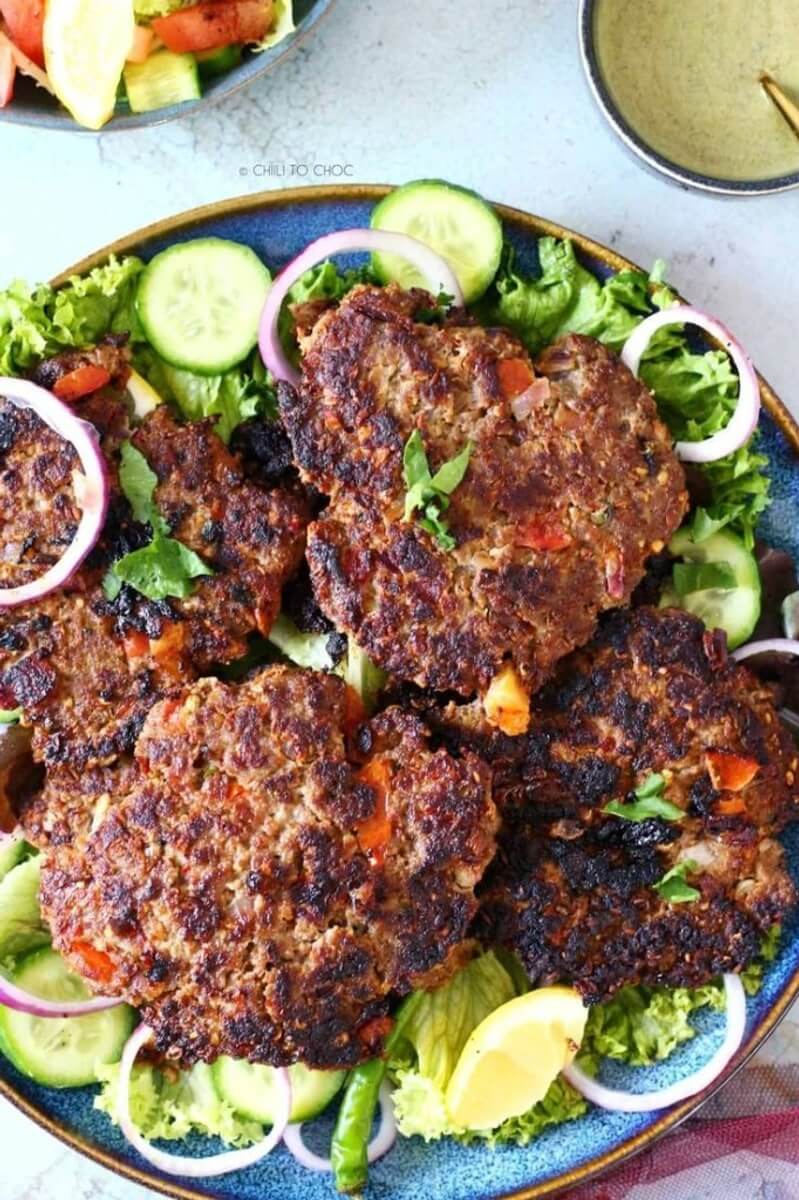
| Festive Kebab 1 | Smoked beef seekh kebab | Savory, charred, spiked with green chillies & roasted cumin | Knead & shape 24 hrs ahead | Serve piping hot on a bed of thinly sliced red onions and fresh lemon wedges with mint raita. |
| Festive Kebab 2 | Peshawari chapli kebab | Coarse texture, cracked coriander seeds & pomegranate seeds (anardana) | Season mince night before | Pan-sear in shallow ghee for 3 minutes per side until deeply crusted; garnish with tomato slices. |
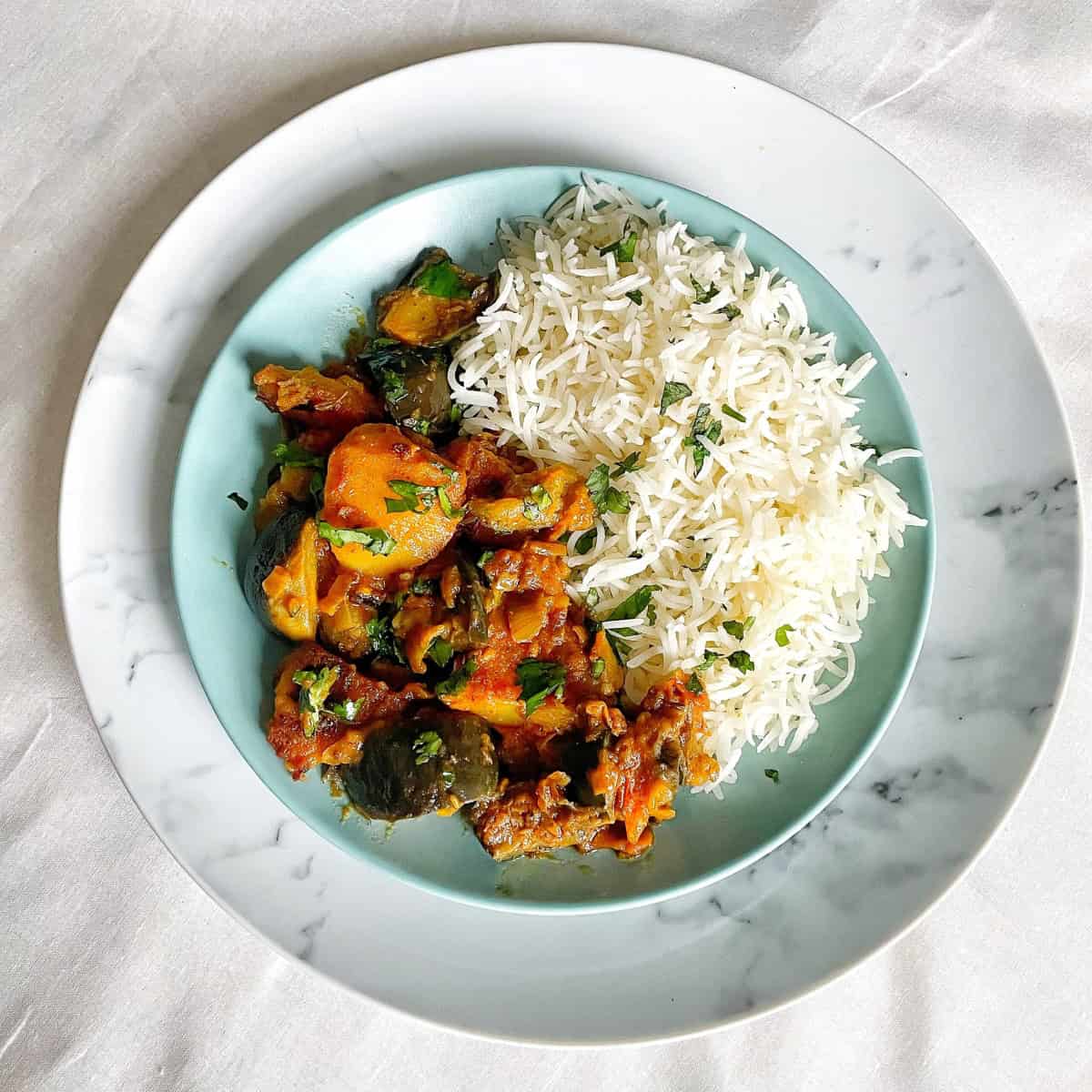
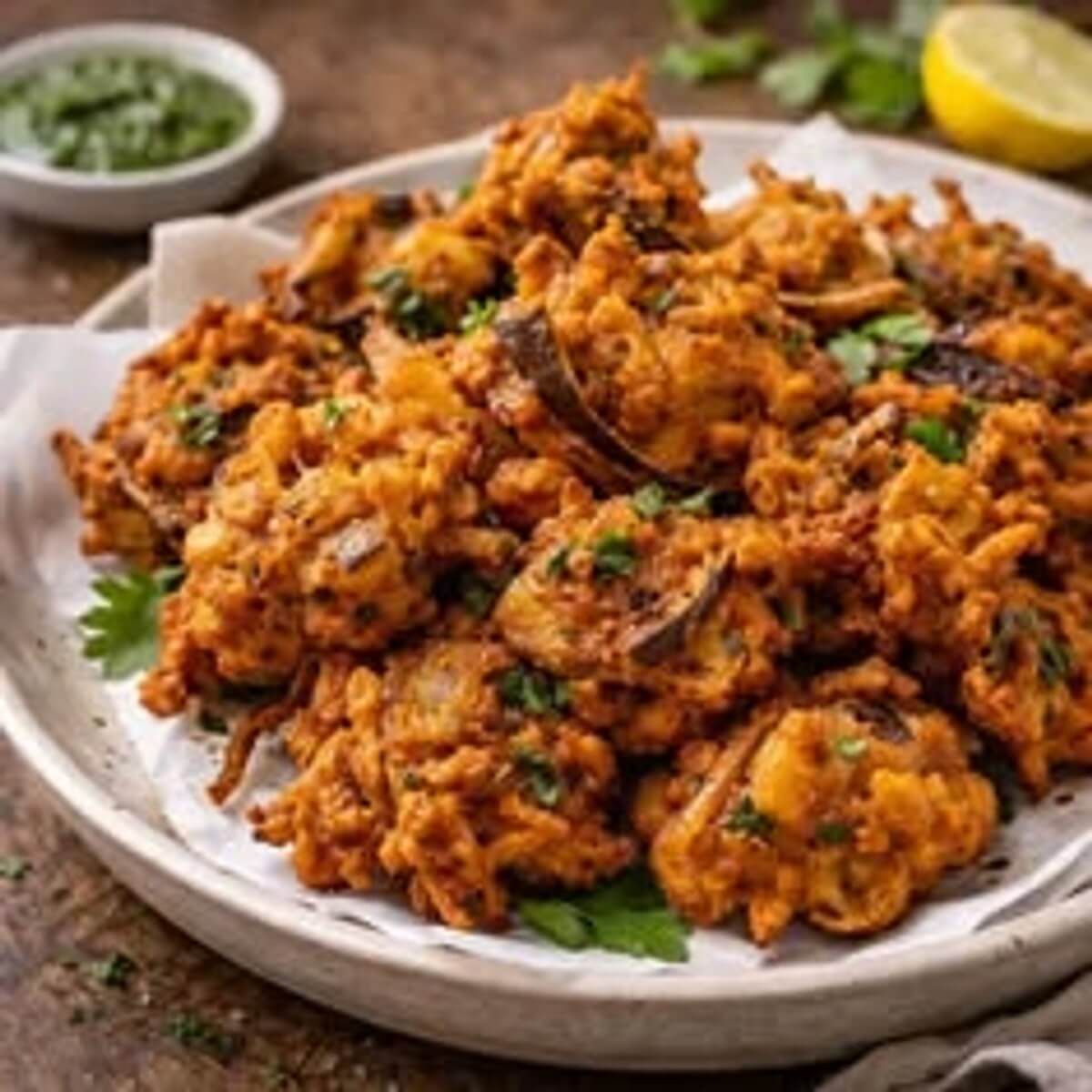
| Seasonal Sabzi | Velvety aloo baingan (potato & eggplant) | Melted roasted aubergines, tender potatoes, kalonji & mustard seeds | Cook morning of feast | Keep warm in a ceramic tureen; garnish with slivered ginger and fresh cilantro. |
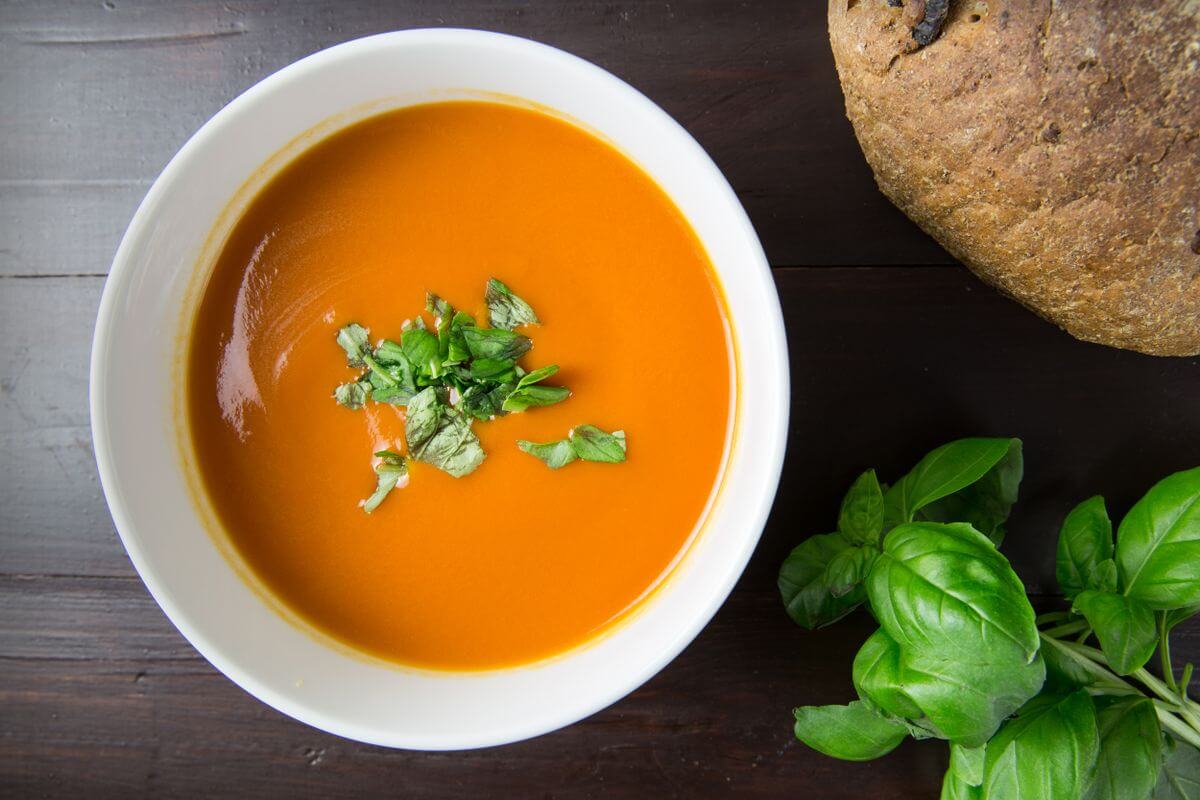
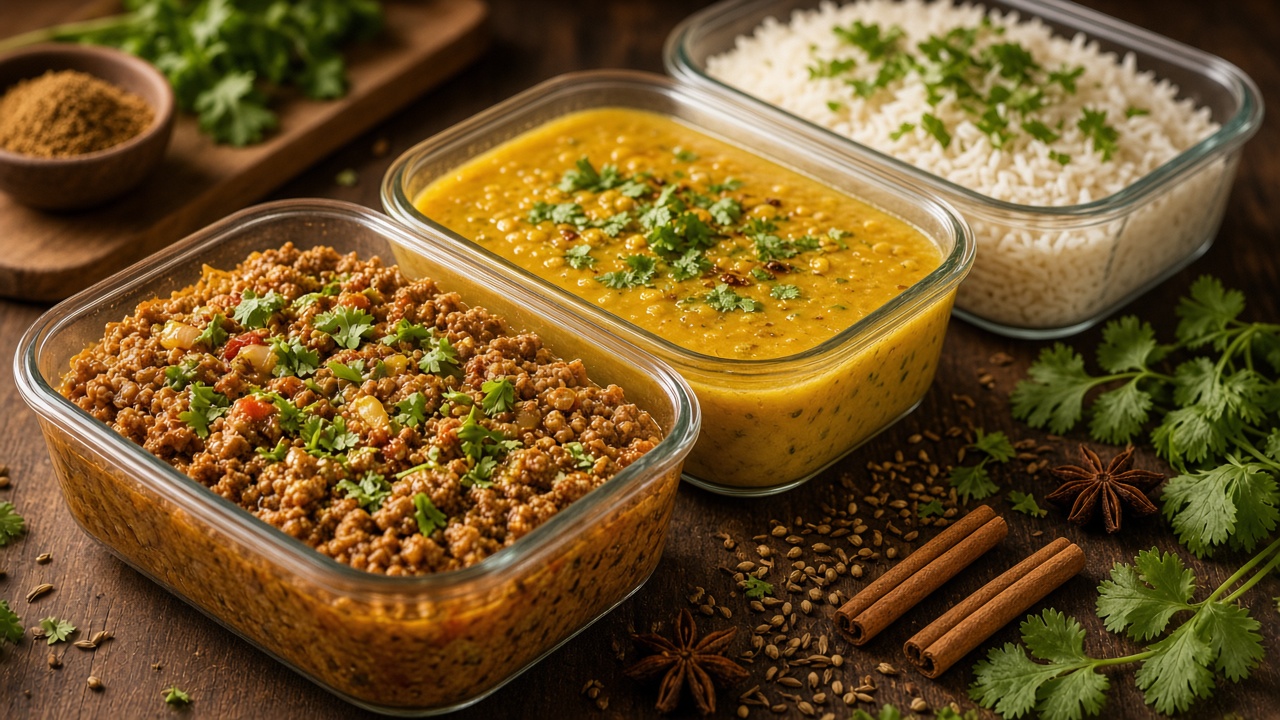
| Comfort Foundation | Homestyle daal chawal (yellow lentils & basmati) | Silky moong and masoor lentils with garlic-cumin tadka | Simmer daal morning of feast | Serve alongside long-grain aged basmati rice and tangy mango pickle (achar). |
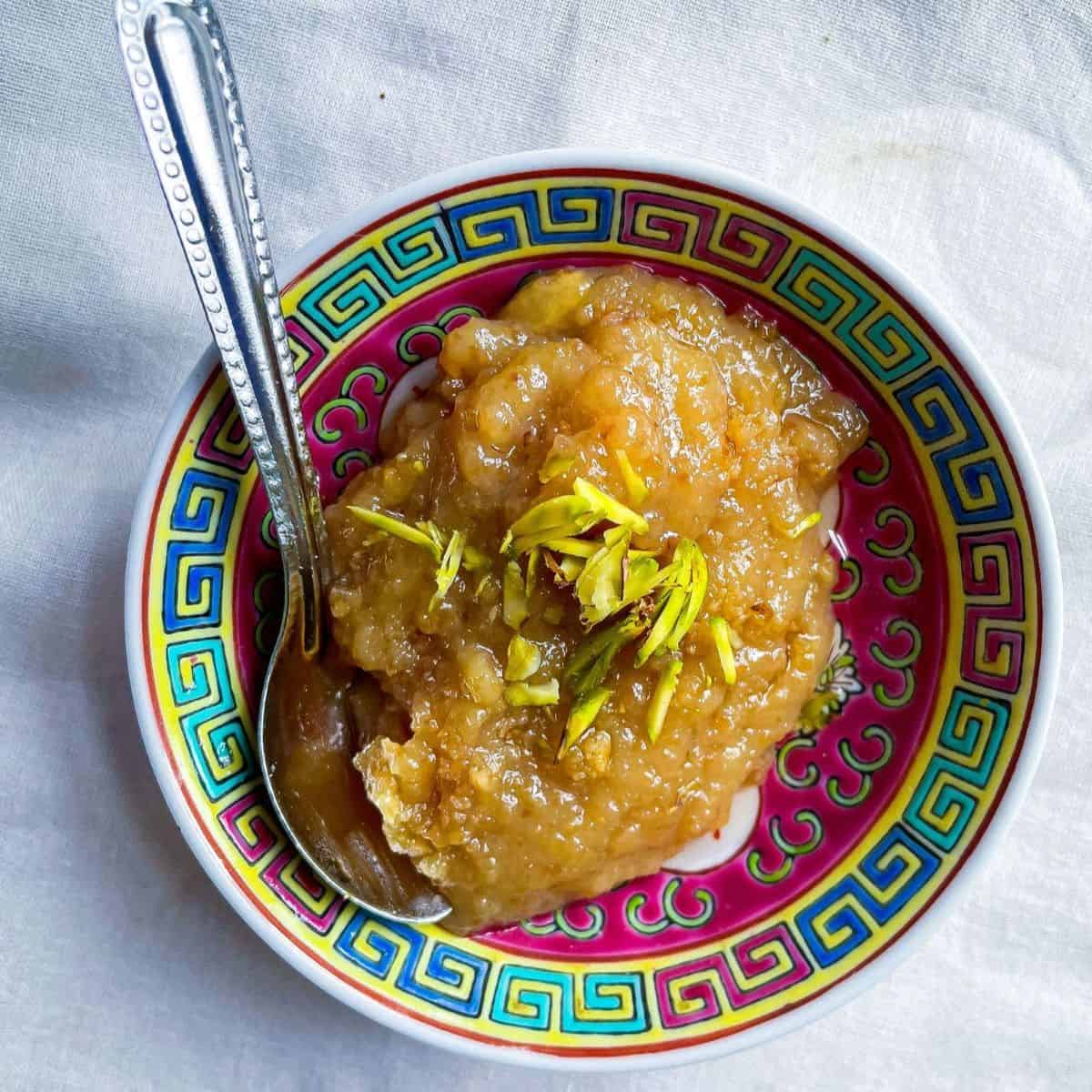
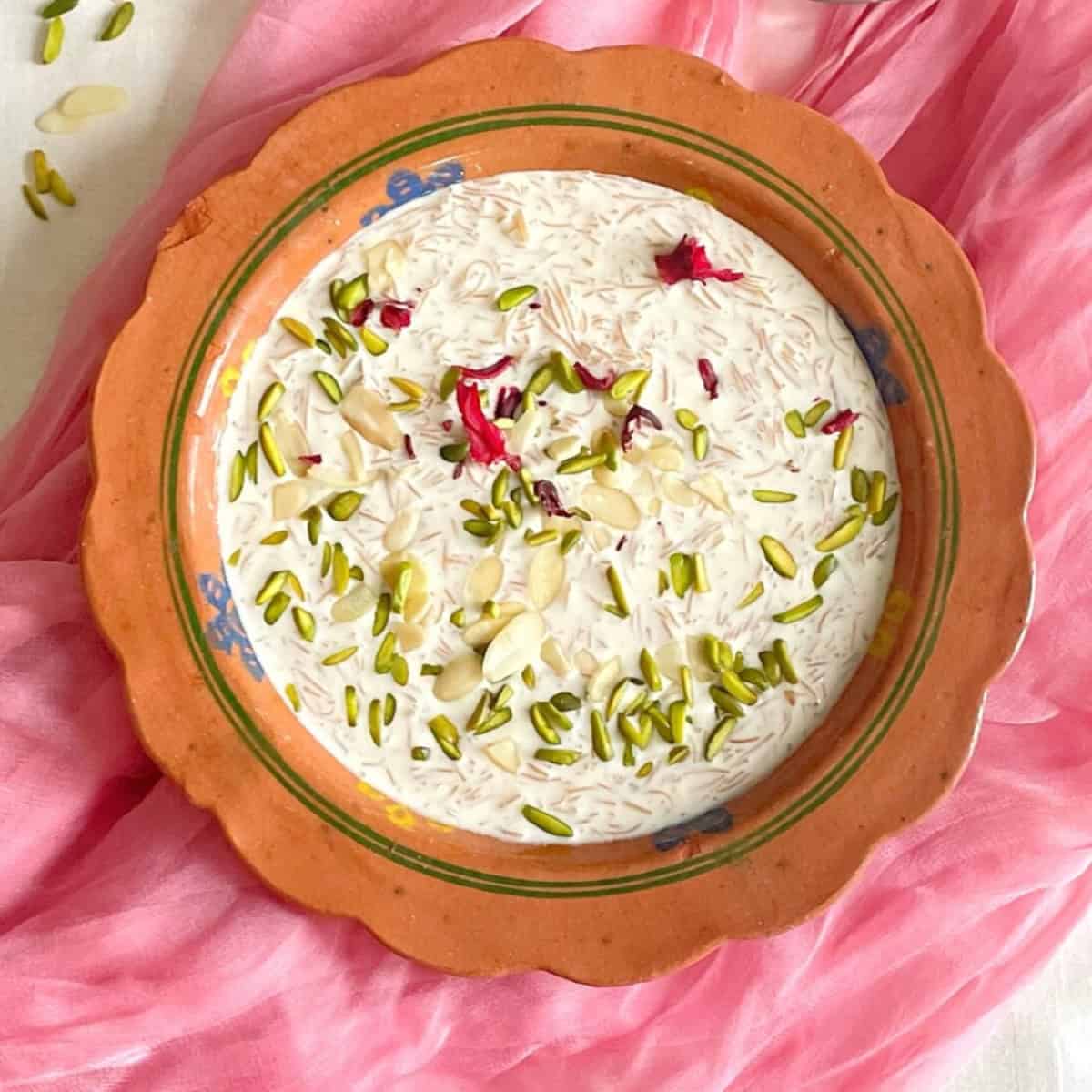
| Grand Royal Sweet | Decadent badam halwa (rich almond sweet) | Almond paste cooked in desi ghee, green cardamom & saffron | 24 hours ahead | Serve warm in silver bowls, topped with toasted pistachios and edible silver leaf (chandi ka varq). |
The 24-hour kitchen execution timeline
Follow this logical roadmap to ensure all complex cooking is finished hours before family arrives at your door:
- Saturday (The Day Before):
- Prepare the badam halwa completely. Once cooled, cover and store in the refrigerator.
- Grind the kebab meat twice through a fine die. Knead with spices, salt, and squeezed onions for 10 minutes. Perform the live charcoal dhungar smoke. Shape onto skewers or patties, cover with parchment, and refrigerate.
- Chop onions, peel garlic, and puree ginger for the curries.
- Sunday Morning (Feast Day - 10:00 AM):
- Simmer the daal until creamy and smooth. Fry the garlic, cumin, and dried red chilli tadka in ghee; pour sizzle over the lentils and cover immediately to trap aromas.
- Prepare the aloo baingan curry on low heat (dum) until the eggplant melts into a rich, spiced gravy and potatoes are tender.
- Sunday Afternoon (1 Hour Before Guests Arrive):
- Steam a large pot of aged basmati rice with whole cloves, green cardamom, and a bay leaf.
- Whisk fresh yogurt with roasted cumin powder, black salt, and finely chopped mint for the raita.
- Grill or pan-fry the seekh kebabs and chapli kebabs in batches; transfer to a covered warming tray inside a 200°F (95°C) oven.
- Dinner Service:
- Uncover the kebabs, serve steaming daal and curries family-style, and warm the badam halwa for dessert!
What fails: 5 common Pakistani holiday cooking mistakes
- Over-soaking or rushing basmati rice: Pakistani basmati requires gentle handling. Soak aged long-grain basmati for strictly 30 to 45 minutes in cold water before boiling. Soaking less causes broken, brittle grains; soaking too long causes mushy rice.
- Using lean store-bought ground beef for kebabs: 90/10 ground beef will yield hard, crumbly, flavorless kebabs. Always request ground chuck or shoulder with 20% fat, or ask your butcher to grind a piece of fat directly with the meat.
- Adding cold water to a simmering curry: Pouring cold tap water into a hot salan drops the pot temperature, causes oil and spice emulsions to break, and toughens vegetables. Always add boiling water to adjust gravy consistency.
- Letting cooked kebabs dry out under open air: Freshly grilled kebabs lose their internal juices within 4 minutes if left exposed on a cold platter. Keep them tented in heavy foil or held in an insulated food warmer until the instant they are served.
- Discarding leftover festive daal or curries: Leftover aloo baingan and daal taste even deeper on Monday. Enter them into our free leftover recipe finder to craft savory breakfast paratha roll-ups or lunch bowls.
Frequently asked questions
Can I bake seekh kebabs in a conventional oven instead of grilling?
Yes. Preheat your oven to its highest broil setting (500°F / 260°C). Place the shaped kebabs on a wire rack set over a baking sheet lined with aluminum foil. Broil for 8 to 10 minutes, turning once halfway through and brushing generously with melted ghee. They will develop charred edges while remaining tender inside.
How far ahead can badam halwa be made?
Badam halwa can be prepared up to 4 days in advance. Because it contains pure ghee and sugar, it preserves exceptionally well in an airtight glass container in the refrigerator. Reheat gently in a nonstick pan over low heat with a teaspoon of milk to restore its glossy sheen.
What is the secret to getting a clear oil separation (roghan) on curries?
In classical Pakistani cuisine, the separation of glistening spiced oil on top of the curry indicates that the onion, tomato, and spices are thoroughly cooked and moisture has evaporated. Achieve this by covering the pot and letting the curry simmer on the lowest heat setting (dum) for the final 10 minutes of cooking.
How do I organize one grocery shopping list for the entire holiday menu?
Consolidate your holiday grocery run using our free grocery list generator. It automatically aggregates meat cuts, produce, dairy, and spices into an organized, aisle-by-aisle shopping checklist.