Recipe Planning
The greatest challenge of preparing iftar during Ramadan is the unforgiving deadline: dinner must be completely assembled, hot, and plated the exact second the Maghrib adhan echoes. Unlike conventional dinner parties where service can slide by fifteen minutes while guests mingle over drinks, fasting diners are running on empty glycogen stores and depleted hydration. When cooks attempt elaborate multi-pot feasts in the final hour of fasting, the result is nearly always kitchen chaos, burned oil, physical exhaustion, and missed family prayers.
The secret to effortless, joyful iftars is not spending four hours hovering over sputtering frying pans. It lies in mastering a streamlined 30-minute culinary execution anchored by smart ingredient prep. By dividing your table into a three-tier sequencing structure—light immediate rehydration, crisp hot appetizers, and a satisfying core main—you can serve deeply satisfying meals in 30 minutes of active cooking every single night. Because Ramadan moves by approximately 10 to 11 days each solar year according to lunar sightings, check your local community timetable to plan your sunset service accurately.
The 3-tier iftar sequencing framework
Fasting alters gastric motility and digestive enzyme secretion. Sitting down to a mountain of heavy, fat-saturated foods immediately upon sunset leads to severe indigestion, post-meal lethargy, and sleep disruption. Professional culinary planning for Ramadan utilizes the Three-Tier Staged Service Framework:
- Tier 1: Immediate Awakening (Sunset Minute 0 to 10): Fresh Medjool dates, room-temperature mineral water, and hydrating slices of cold watermelon or cucumber. Dates provide simple fructose and potassium to rapidly stabilize blood glucose, while water awakens salivary and gastric glands without shocking the stomach.
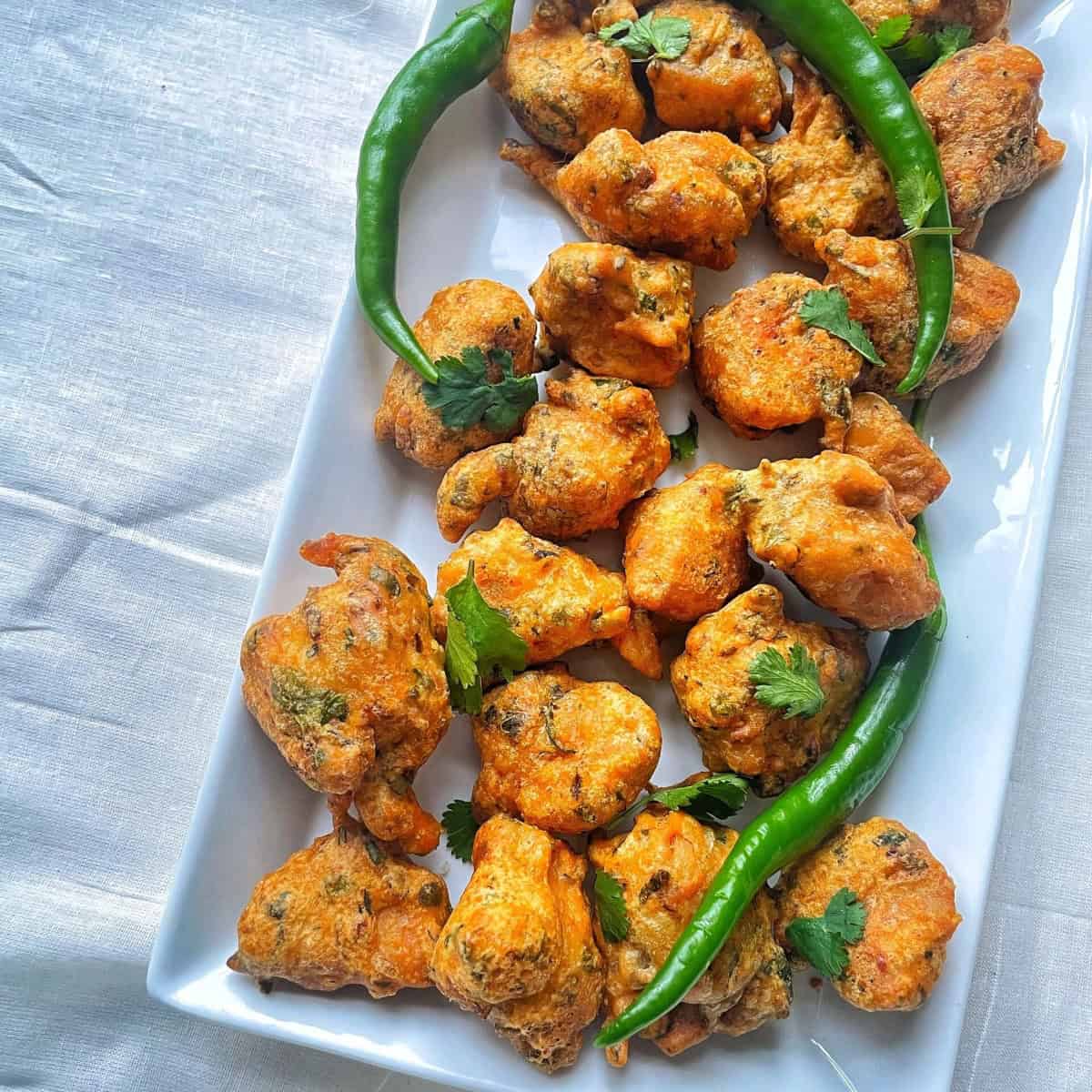
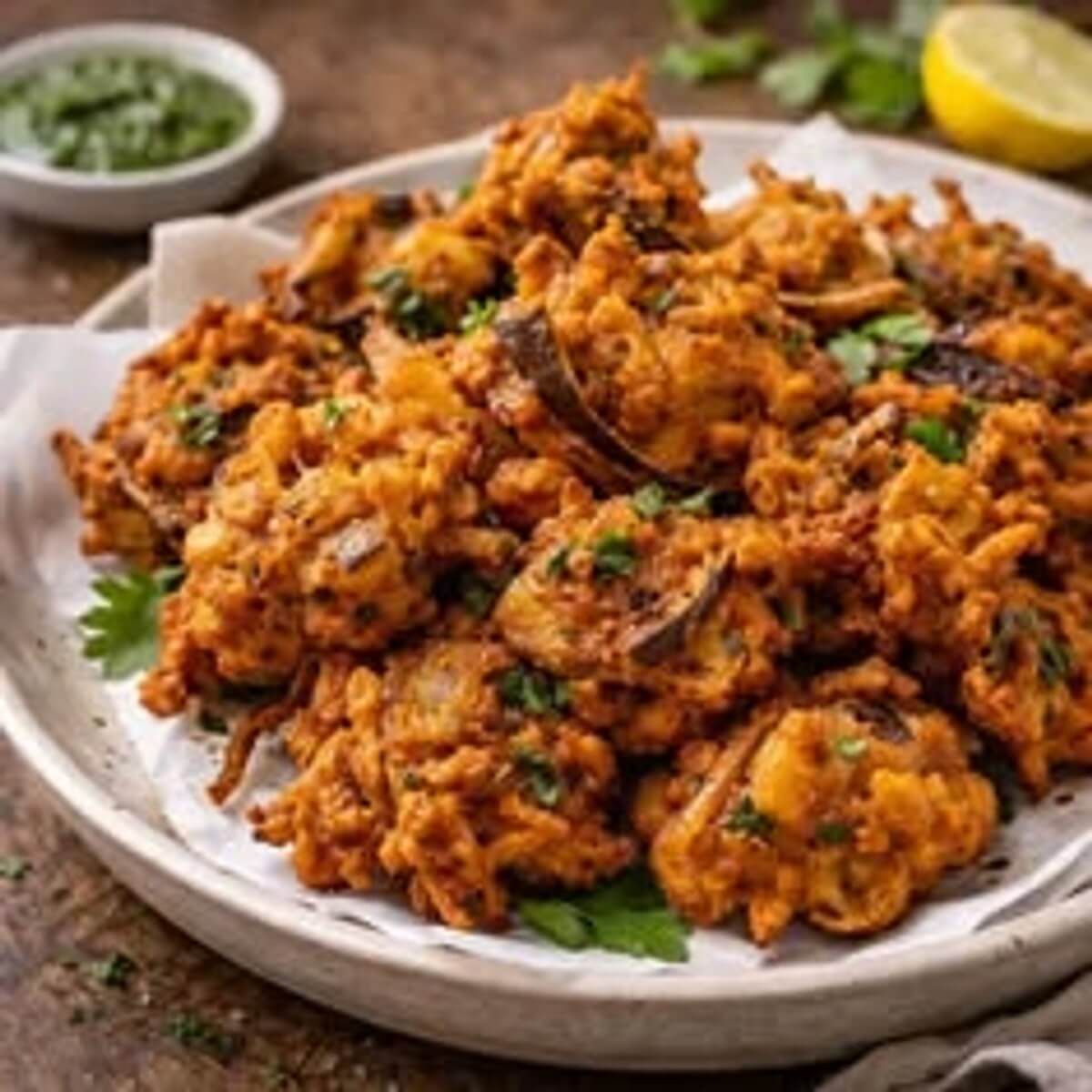
- Tier 2: The Crispy Warmth (Post-Prayer Appetizer): A single hot, textured item—such as golden crispy chicken pakoras or fragrant mixed vegetable pakoras—accompanied by tangy mint-coriander yogurt chutney. Frying or baking this single element in the final 12 minutes before sunset ensures peak crunch.
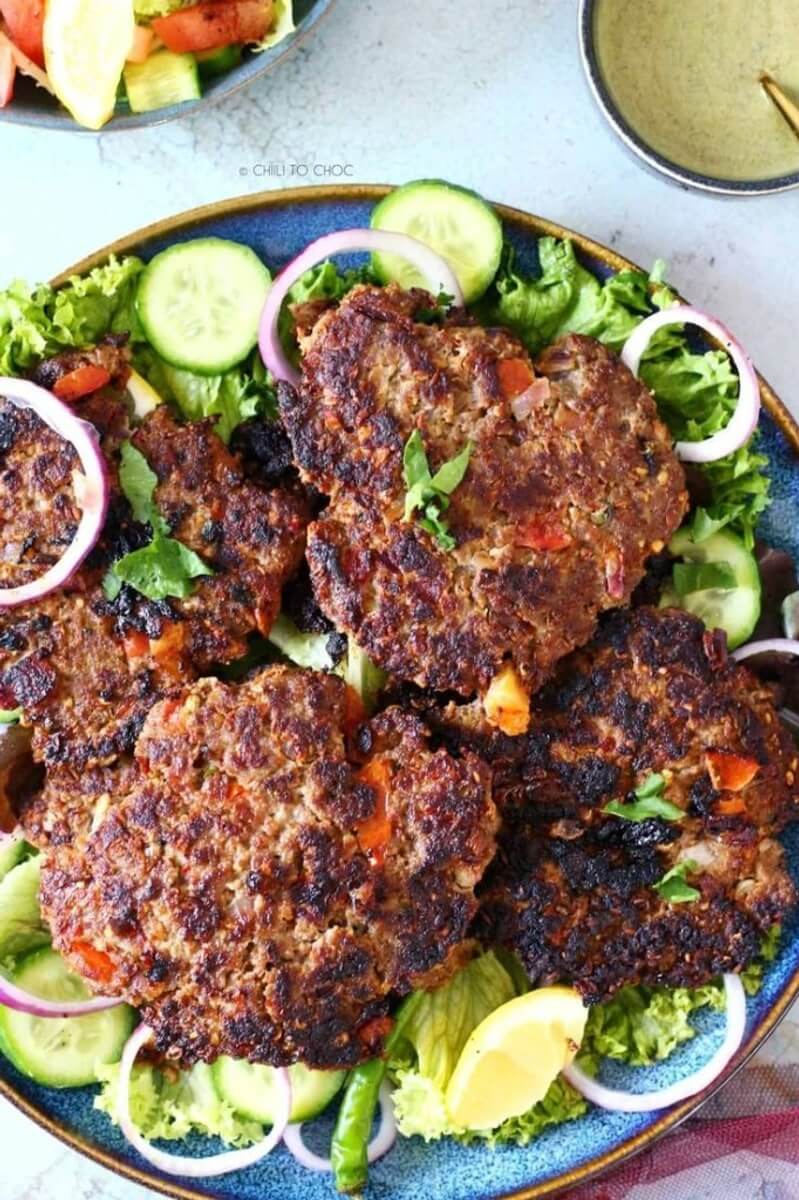
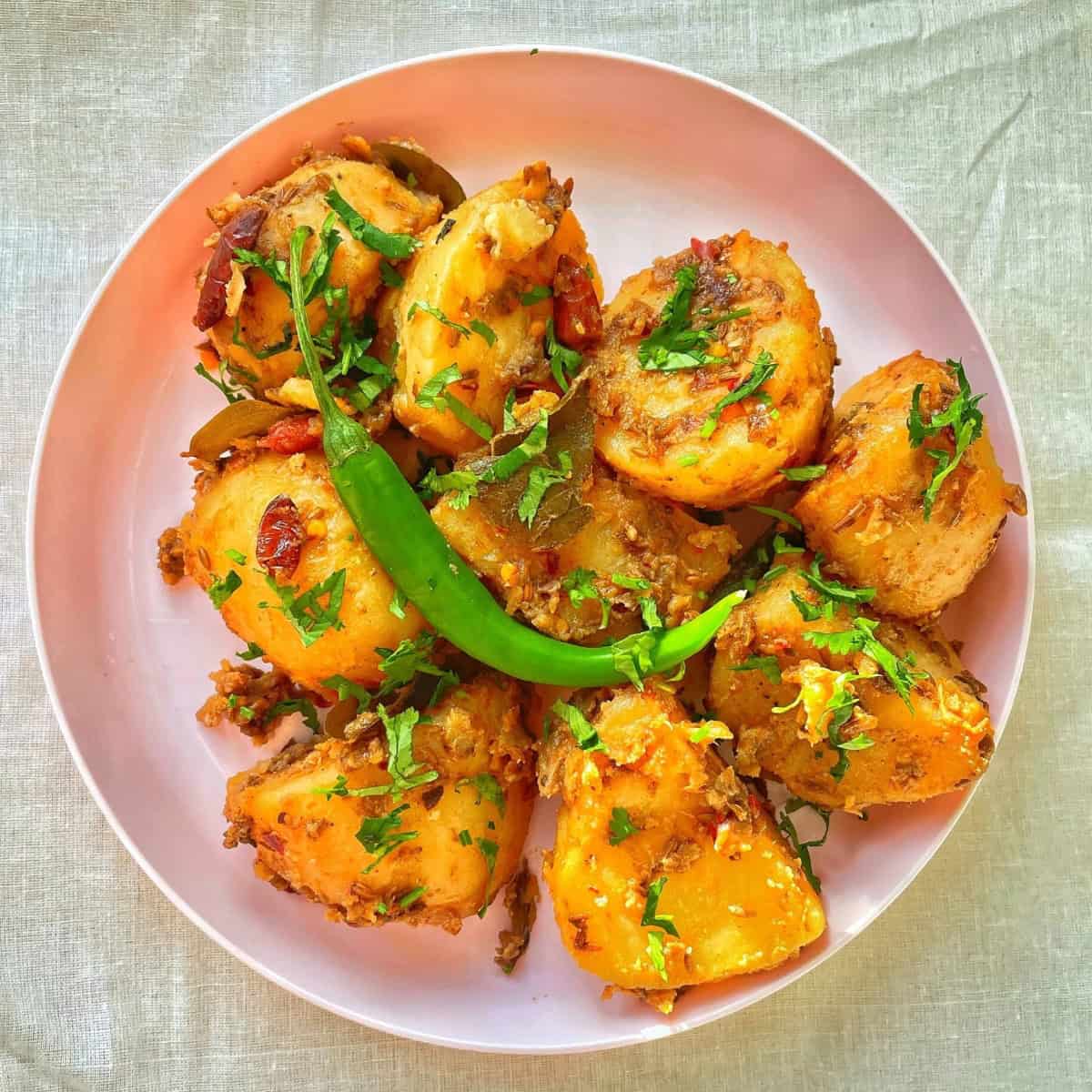
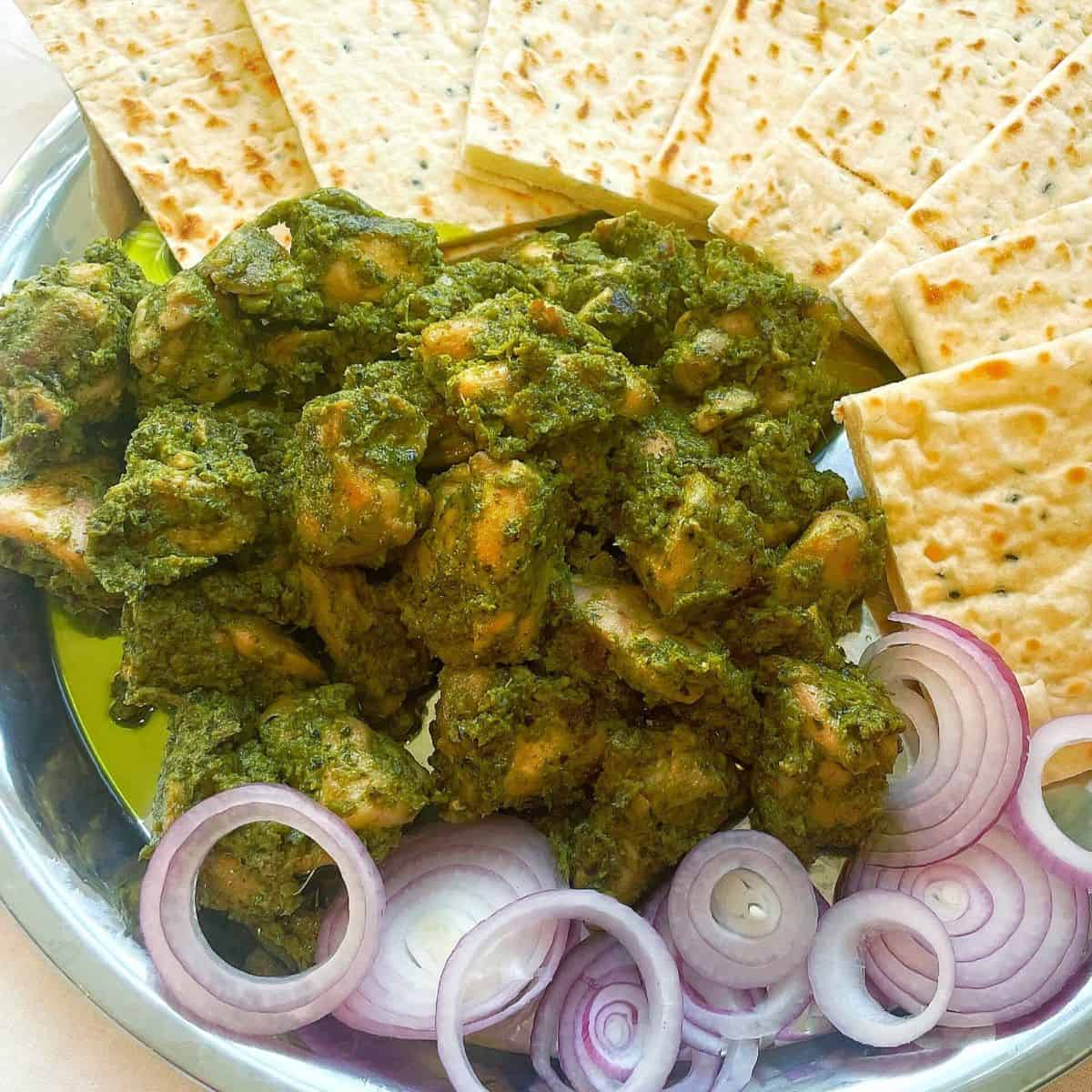
- Tier 3: The Sustaining Core (Dinner Table): A high-protein, spiced centerpiece paired with complex carbohydrates, such as tender pan-seared chapli kebabs, aromatic green chicken, or tangy skillet khatte aloo alongside steamed basmati rice or warm flatbread.
The culinary science of crisp, oil-free pakoras
Nothing ruins an iftar faster than a soggy, oil-logged pakora. Fritters become heavy sponges when the oil temperature drops or the batter lacks proper starch architecture. To guarantee ultra-crisp, featherlight fritters every time, apply these food science principles:
- Besan-to-Rice Flour Ratio: While pure gram flour (chickpea flour) yields rich flavor, adding 20% fine rice flour or cornstarch dramatically reduces gluten development and prevents moisture retention, creating a shattering exterior crust.
- Oil Temperature Precision: Deep-frying oil must remain strictly between 350°F and 365°F (177°C–185°C). At this temperature, moisture inside the vegetable or chicken instantly turns to steam, forcing its way outward and creating a protective vapor barrier that repels oil penetration. If the oil drops below 330°F (165°C), the batter absorbs oil rapidly.
- Resting the Vegetables: Toss sliced onions, spinach, and shredded potatoes with salt 15 minutes before frying. Allow the osmotic pressure to draw out cellular moisture, then bind with dry chickpea flour without adding water. This prevents a watery batter that splatters and steams into mush.
7-Day fast & nourish iftar rotation
Use our interactive servings scaler to automatically calculate ingredient weights whether cooking for two people or hosting extended family.
| Night | Sunset Opening (Tier 1) | Hot Crispy Element (Tier 2) | 30-Min Core Main (Tier 3) | Afternoon Make-Ahead Prep (10 Mins) |
|---|---|---|---|---|
| Day 1 | Medjool dates, mint infused iced water | Golden chicken pakora with green chutney | Tangy skillet khatte aloo & steamed basmati | Cut chicken into bite-sized strips; blend mint and cilantro chutney. |
| Day 2 | Soft dates, fresh sweet orange slices | Spiced mixed vegetable pakora | Herb-marinated green chicken with warm roti | Slice onions and spinach; marinate chicken in herb-yogurt paste. |
| Day 3 | Dates, chilled cucumber and lemon water | Air-fried vegetable samosas or rolls | Juicy pan-seared chapli kebab with tomato onion salad | Knead ground beef with cracked coriander, pomegranate seeds, and chillies. |
| Day 4 | Dates, rose syrup milk drink | Crispy onion bhajis | Quick chicken karahi with fresh ginger matchsticks | Puree tomatoes with garlic and ginger; portion whole garam masala. |
| Day 5 | Dates, fresh cantaloupe chunks | Crispy seasoned potato wedges with chaat masala | Leftover chapli kebab naan wraps with garlic sauce | Assemble pickled red onions and shred crisp romaine lettuce. |
| Day 6 | Dates, coconut water with lime | Crisp chickpea chaat with tamarind drizzle | Creamy yellow daal tadka with cumin basmati rice | Pressure cook yellow lentils during the day; prepare garlic tadka in 5 mins. |
| Day 7 | Dates, iced hibiscus herbal tea | Assorted vegetable and paneer pakoras | One-pot spiced chicken pulao with cucumber raita | Par-soak basmati rice; brown onions and par-cook chicken base. |
Smart pantry prep: the 3-compound shortcut
To reduce weeknight cooking time from 75 minutes down to 25 minutes, spend 45 minutes on Sunday preparing these three multi-purpose flavor compounds:
- The Ginger-Garlic-Chilli Confit: Blitz equal weights of peeled ginger, garlic, and serrano chillies with neutral vegetable oil. Stored in an airtight glass jar in the refrigerator, this paste eliminates peeling and chopping every evening and forms the immediate aromatic base for curries, kebabs, and marinades.
- Dry Master Pakora Mix: Whisk 4 cups of sifted besan with 1 cup of rice flour, ajwain (carom seeds), cracked coriander seeds, roasted cumin powder, red chilli flakes, turmeric, and sea salt. Store in a dry pantry container. At 6:00 PM, simply scoop 1 cup of dry mix over sliced vegetables, splash with cold water, and fry immediately.
- Sweet & Tangy Tamarind Glaze: Simmer seedless tamarind pulp with jaggery, roasted cumin, and black salt (kala namak) for 15 minutes. Strain and chill. This provides an instant dipping condiment for chaat, samosas, and pakoras that keeps for the entire month.
What fails: 5 common iftar cooking mistakes
- Frying cold protein directly from the refrigerator: Dropping ice-cold chicken into hot oil immediately drops the frying temperature by 40°F, guaranteeing pale, greasy food. Pull marinated chicken out 20 minutes before frying so it reaches room temperature.
- Crowding the frying vessel: Adding too many pakoras simultaneously traps steam between fritters, causing the batter to boil in oil rather than fry. Fry in batches with at least 30% open surface area.
- Relying exclusively on heavy fried foods: Deep-frying every component leaves fasting family members dehydrated and sluggish. Maintain balance: if your appetizer is fried, keep your dinner main grilled, seared, or simmered in a light sauce.
- Starting dinner without mise en place: 15 minutes before sunset is not the time to search for a can opener or dice fresh coriander. Lay out every serving spoon, napkin, condiment bowl, and water pitcher by 45 minutes before Maghrib.
- Discarding leftover kebab mince or cooked chicken: Never throw out leftover grilled proteins. Shred them into our free leftover recipe finder to instantly generate lunchbox wraps, savory breakfast frittatas, or quick suhoor quesadillas.
Frequently asked questions
How can I keep pakoras hot and crispy if guests are delayed?
Never cover hot pakoras with aluminum foil or a solid lid; trapped steam softens the batter within 90 seconds. Instead, transfer cooked fritters to a wire cooling rack set inside a rimmed baking sheet and hold them in an oven preheated to 200°F (95°C). The circulating warm air keeps the outer crust dry and shattering for up to 35 minutes.
What is the healthiest oil for high-heat iftar frying?
Opt for neutral cooking oils with high smoke points (above 420°F / 215°C) and stable monounsaturated fatty acid profiles, such as peanut oil, high-oleic sunflower oil, or avocado oil. Avoid unrefined olive oil or butter for deep frying, as their low smoke point causes burning and acrid off-flavors.
Can I freeze raw chapli kebab patties in advance?
Yes. Shape the seasoned ground meat patties and arrange them in a single layer on parchment-lined baking sheets. Freeze for 2 hours until solid, then stack them between squares of wax paper inside a heavy-duty freezer bag. Cook them directly from frozen in a shallow cast-iron skillet over medium heat, adding 2 extra minutes per side.
How do I organize grocery shopping for Ramadan dinners?
Avoid chaotic daily supermarket trips during fasting hours. Consolidate your monthly dry spices, flours, lentils, and canned goods in one trip, then schedule a weekly produce and meat run using our free grocery list generator. For custom dietary needs, run ingredients through our diet and allergy checker.