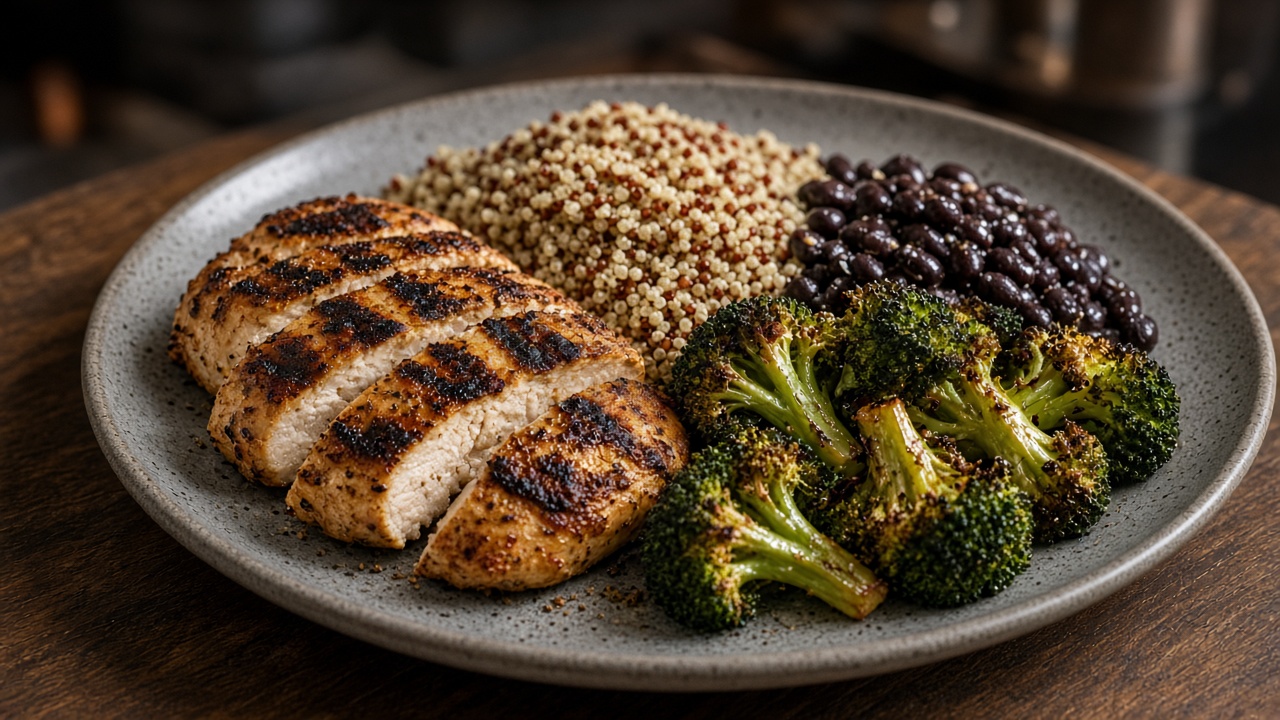
Recipe Planning
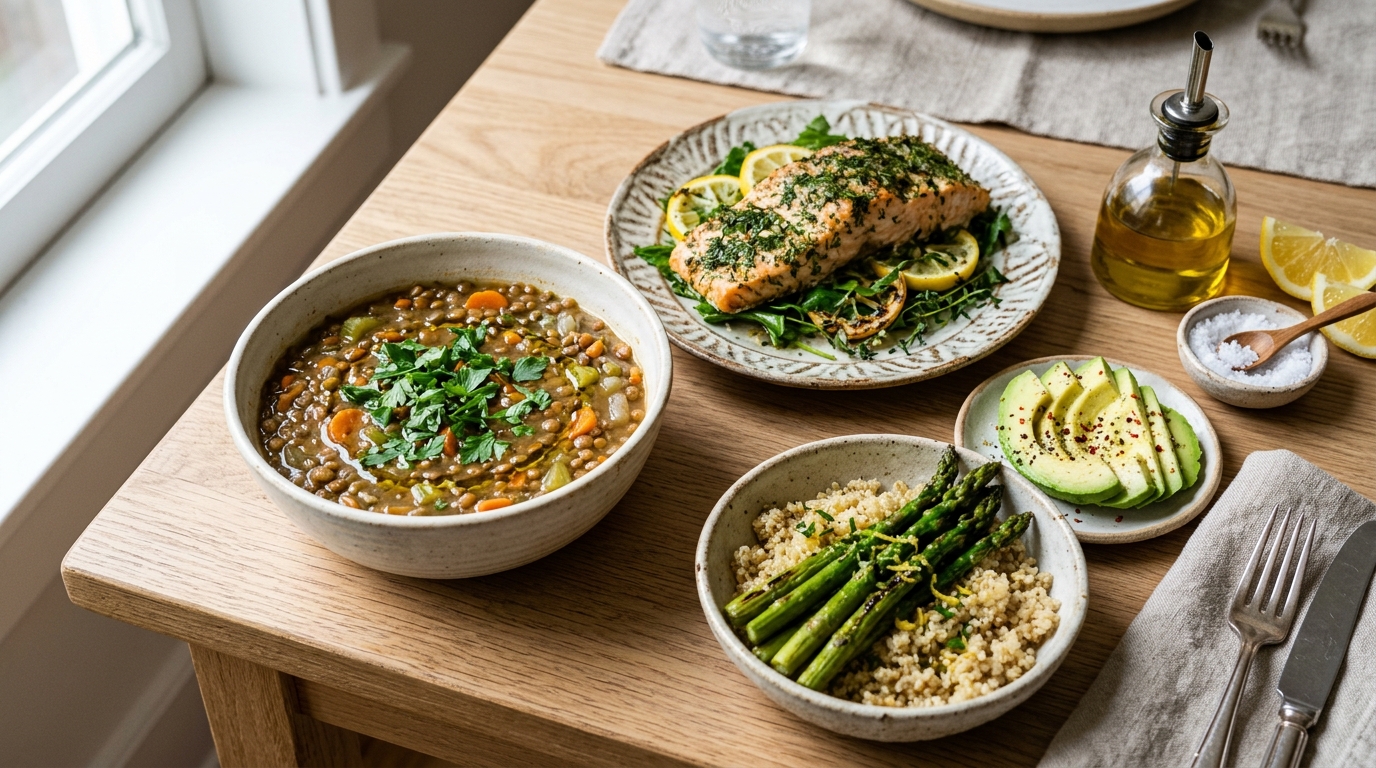
Receiving a blood test showing elevated total cholesterol, high LDL (low-density lipoprotein), or increased ApoB (apolipoprotein B) can feel alarming. For decades, the standard advice was to eliminate eggs, avoid all butter, and eat a dry, joyless low-fat diet. However, modern nutritional lipidology has revealed that dietary cholesterol has a relatively modest impact on blood cholesterol for the vast majority of people, while saturated fat intake, trans fats, and soluble fiber deficiency are the true dietary drivers of atherogenic lipoproteins.
More importantly, nutritional science has shown that you can actively drive LDL cholesterol downward by strategically adding specific lipid-clearing foods to your daily routine. Groundbreaking research on the Portfolio Diet—developed by Dr. David Jenkins at the University of Toronto—demonstrated that combining four specific food components (soluble fiber, plant sterols, soy/legume proteins, and tree nuts) lowered LDL cholesterol by nearly 30%, a therapeutic efficacy comparable to first-generation statin medications. This comprehensive 7-day cholesterol-friendly meal plan puts those evidence-based principles into practice through vibrant, satisfying home-cooked meals.
Important: This guide is for general meal-planning ideas only, not medical advice or treatment. If you have familial hypercholesterolemia, established cardiovascular disease, or take lipid-lowering medications like statins or PCSK9 inhibitors, follow your cardiologist or physician's clinical guidance. Never stop or modify prescription medications based on dietary adjustments alone.
The Portfolio framework: 4 pillars of dietary cholesterol reduction
To optimize your lipid profile through meal planning, construct your weekly grocery cart around the four scientifically proven cholesterol-lowering food groups:
- Viscous Soluble Fiber (Target: 10–20g daily): Soluble fibers form a thick gel in the gastrointestinal tract that binds to bile acids (which are made from cholesterol) and excretes them in stool. The liver is then forced to pull circulating LDL particles from your bloodstream to synthesize replacement bile acids. Top sources include steel-cut oats, oat bran, barley, black beans, lentils, Brussels sprouts, apples, and psyllium husk.
- Plant Sterols and Stanols (Target: 2g daily): Plant sterols share a molecular structure remarkably similar to human cholesterol. In the small intestine, they competitively bind to micelle transport channels, blocking the absorption of both dietary and biliary cholesterol. Natural dietary sources include raw almonds, walnuts, sesame seeds, sunflower seeds, and legumes.
- Legume & Plant Proteins (Target: 25–40g daily): Replacing animal proteins that carry high saturated fat with plant proteins (lentils, chickpeas, edamame, tofu, tempeh) reduces hepatic cholesterol synthesis and stimulates LDL receptor expression.
- Tree Nuts & Monounsaturated Fats (Target: 45g daily): Raw almonds, walnuts, pistachios, and cold-pressed extra virgin olive oil provide oleic acid and polyphenols that improve LDL particle resistance to oxidation and enhance HDL functional capacity.
7-Day cholesterol-friendly meal plan
This 7-day dinner plan delivers generous amounts of viscous soluble fiber, omega-3 fatty acids, and plant sterols while keeping saturated fat below 5% to 6% of total daily calories. Adjust portion sizes with our free servings scaler.
| Day | Breakfast | Lunch | Dinner | Lipid-Clearing Nutritional Mechanism |
|---|---|---|---|---|
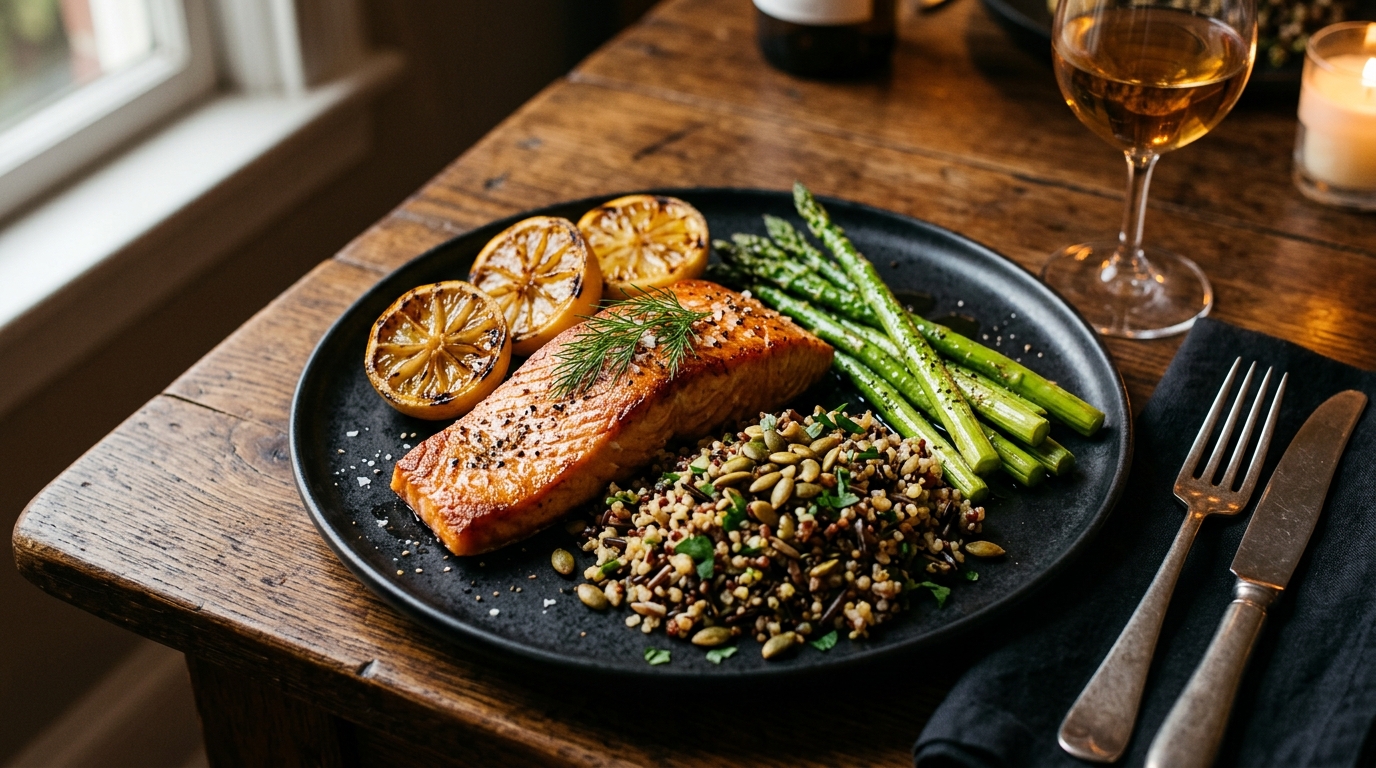
| Monday | Bowl of rolled oats and oat bran simmered in soy milk with diced apple, cinnamon, and walnuts | Mediterranean lentil salad with cherry tomatoes, cucumbers, fresh parsley, and lemon dressing | Flaky herb-baked salmon with steamed broccoli and fluffy quinoa | Beta-glucan from oats and oat bran binding bile salts; EPA/DHA omega-3s lowering triglycerides. |
| Tuesday | Chia seed pudding soaked in unsweetened almond milk with fresh blackberries and raw almonds | Leftover herb-baked salmon over mixed greens, shaved carrots, and olive oil vinaigrette | Comforting hearty lentil soup with a side of steamed kale | Soluble viscous pectin from blackberries; legume protein from brown lentils. |
| Wednesday | Whole-grain avocado toast topped with hemp hearts, lemon zest, and sliced radishes | Chilled mediterranean quinoa salad with chickpeas and kalamata olives | Savory lemon herb chicken with roasted sweet potatoes and asparagus | Monounsaturated oleic acid from avocado; plant sterols and fiber from chickpeas. |
| Thursday | Warm steel-cut oatmeal stirred with 1 tbsp ground flaxseed, blueberries, and raw pumpkin seeds | Leftover lemon herb chicken wrap in a whole-grain tortilla with hummus and spinach | Vibrant vegetable stir-fry with tofu over brown basmati rice | Non-GMO soy isoflavones from tofu replacing animal saturated fat; lignans from ground flax. |
| Friday | Greek yogurt bowl (0% fat plain) with raspberries, chia seeds, and sliced almonds | Leftover vegetable tofu stir-fry with a side of steamed edamame | Oven-roasted cod with stewed Mediterranean tomatoes, capers, and garlic over farro | Plant sterols from almonds; lycopene and allicin supporting vascular endothelial health. |
| Saturday | Buckwheat waffles topped with unsweetened warm berry compote and a spoonful of almond butter | Black bean and roasted corn salad tossed with fresh lime juice, cilantro, and diced avocado | Slow-simmered white bean and kale stew with roasted garlic, mirepoix, and sweet paprika | Soluble galactomannans from black beans and cannellini beans for maximum bile binding. |
| Sunday | Vegetable frittata made with egg whites, baby spinach, cremini mushrooms, and red onions | Leftover white bean and kale stew served with a crisp green side salad | Sheet-pan baked chicken breasts with Brussels sprouts, red onion wedges, and roasted baby potatoes | Soluble fiber from Brussels sprouts; lean poultry protein keeping saturated fat minimal. |
Smart pantry swaps for cholesterol management
Transforming your lipid panel relies on making consistent, intelligent substitutions every time you reach into your refrigerator or pantry:
- Butter & Lard → Extra Virgin Olive Oil: Replacing 2 tablespoons of butter daily with extra virgin olive oil removes roughly 14 grams of saturated fat and replaces it with cardioprotective oleic acid and phenolic antioxidants.
- Ground Beef → Brown Lentils or Extra-Firm Tofu: Swap half or all of the ground beef in tacos, chili, and pasta sauces with cooked brown lentils. Lentils mimic the texture of minced meat while adding zero saturated fat and 8 grams of soluble fiber per cup.
- Refined Breakfast Cereals → Steel-Cut Oats or Oat Bran: Commercial breakfast flakes contain virtually zero soluble fiber. Oat bran contains roughly 50% more soluble beta-glucan than standard rolled oats, making it an extraordinary cholesterol-clearing breakfast staple.
- Heavy Cream & Mayonnaise → Greek Yogurt or Tahini: Use plain nonfat Greek yogurt mixed with lemon and garlic as a creamy sauce base, or whisk sesame tahini with warm water and lemon juice for rich, heart-healthy dressings.
What fails: 5 mistakes that stall cholesterol improvement
- Focusing on dietary cholesterol while ignoring saturated fat: Many people obsess over avoiding shrimp or whole eggs, while continuing to cook with coconut oil, butter, and heavy cream. In clinical trials, saturated fatty acids have roughly 4 to 5 times greater impact on raising blood LDL cholesterol than dietary cholesterol does, because saturated fats directly suppress the activity of LDL clearance receptors on liver cells.
- Eating flavored instant oatmeal packets: Instant microwave oatmeal packets are heavily processed, stripped of coarse bran, and loaded with up to 12 grams of added refined sugar per pouch. Rapid digestion causes quick insulin spikes without providing the viscous beta-glucan gel needed for bile binding. Always choose steel-cut or thick-rolled oats and sweeten with fresh fruit.
- Cooking with coconut oil under the belief it raises "good" cholesterol: While coconut oil does raise HDL cholesterol, it also raises atherogenic LDL cholesterol and ApoB significantly. The European Society of Cardiology and American Heart Association strongly advise against using coconut oil as a primary cooking fat. Stick with cold-pressed olive or avocado oil.
- Avoiding nuts out of fear of dietary fat and calories: A common mistake is avoiding walnuts and almonds because "they have too much fat." In reality, tree nuts are dense in monounsaturated fats, arginine, and phytosterols. Clinical trials show that 1.5 ounces of tree nuts daily significantly improves the LDL-to-HDL ratio and reduces cardiovascular risk.
- Giving up after 4 weeks: Hepatic lipid remodeling and biliary cholesterol clearance require time. Expecting LDL numbers to plummet in two weeks leads to premature abandonment of the diet. Give your body 8 to 12 weeks of consistent meal planning before retesting your lipid panel with your physician.
Frequently asked questions
How much soluble fiber do I need each day to lower LDL cholesterol?
Clinical studies show that consuming 5 to 10 grams of viscous soluble fiber per day can reduce LDL cholesterol by approximately 5% to 11%. Consuming 15 grams or more produces even greater reductions. For context: 1/2 cup of cooked oat bran provides 3 grams of soluble fiber, 1/2 cup of cooked black beans provides 2.4 grams, and 1/2 cup of cooked Brussels sprouts provides 2 grams.
What is the difference between LDL cholesterol and ApoB?
Standard lipid panels measure LDL-C, which is the total mass of cholesterol carried inside LDL particles. ApoB (apolipoprotein B) measures the actual number of circulating atherogenic particles (including LDL, VLDL, and IDL). Because every atherogenic particle carries exactly one ApoB molecule, many lipidologists consider ApoB a more accurate predictor of cardiovascular risk. Plant-rich, low-saturated-fat meal plans lower both LDL-C and ApoB simultaneously.
Can lifestyle and meal planning completely replace a statin?
For individuals with mild to moderate hypercholesterolemia and low overall cardiovascular risk, comprehensive dietary and lifestyle changes often lower LDL sufficiently to meet target goals. However, for individuals with very high baseline risk, genetic familial hypercholesterolemia, or established arterial plaque, dietary changes should be viewed as a powerful adjunct to prescribed medication, not a replacement. Always consult your physician.
How can I build an automated cholesterol-friendly grocery list?
Making cholesterol-conscious cooking sustainable is simple with our interactive tools. Use our free meal plan generator to organize your week, generate a clean, consolidated shopping list with our grocery list generator, and find creative recipes for leftover legumes with our leftover finder.