Recipe Planning
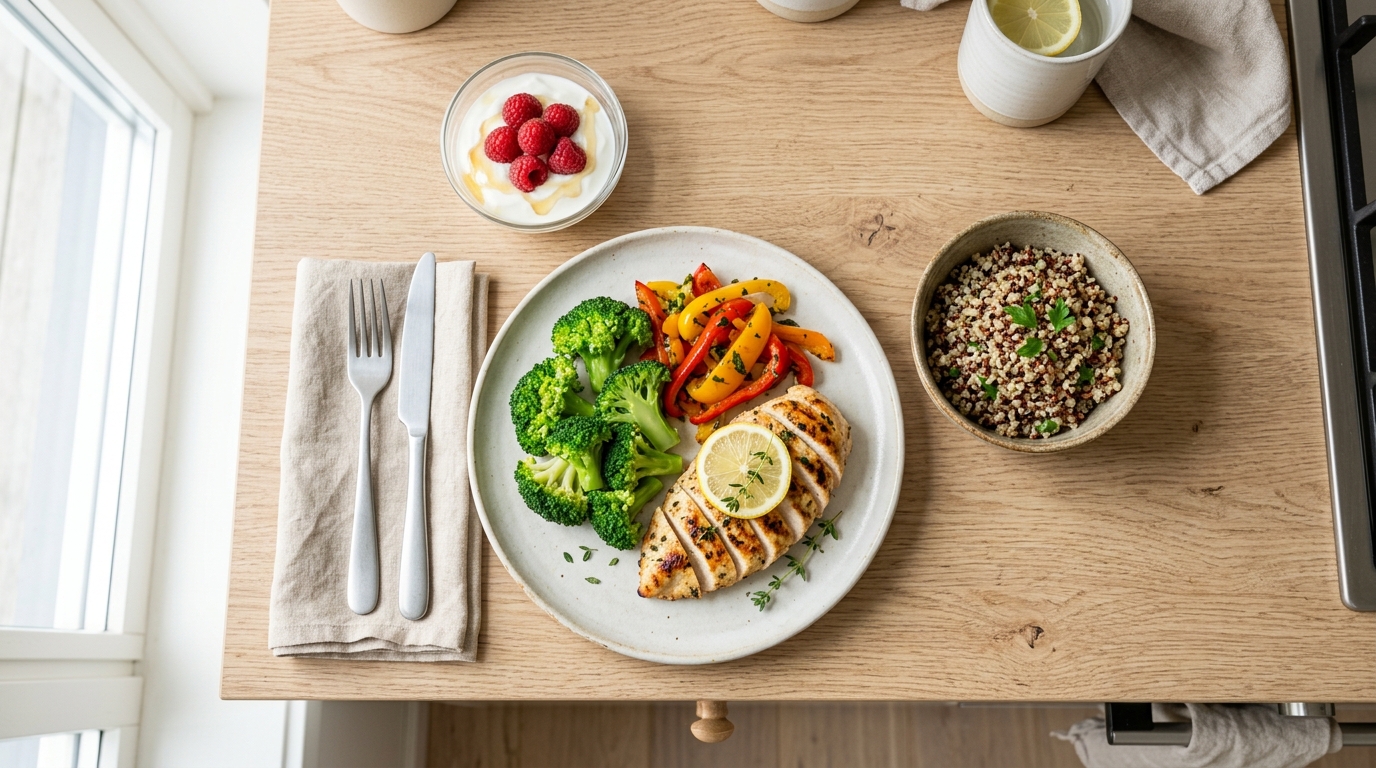
The Dietary Approaches to Stop Hypertension (DASH) eating plan is widely considered the gold standard of evidence-based cardiovascular nutrition. Developed through landmark clinical trials sponsored by the National Institutes of Health (NIH), the DASH diet has repeatedly demonstrated the ability to lower systolic and diastolic blood pressure within as little as two weeks, producing therapeutic outcomes comparable to first-line antihypertensive medications.
What makes the DASH framework extraordinarily sustainable is its abundance mindset. Unlike restrictive fad diets that eliminate entire macronutrient categories, DASH is an additive, nutrient-dense pattern. It focuses on saturating your daily routine with three critical cardioprotective minerals—potassium, magnesium, and calcium—while moderating sodium and reducing saturated fat. When you build your meals around colorful vegetables, intact whole grains, lean proteins, and low-fat dairy or calcium-fortified plant alternatives, cardiovascular wellness becomes a natural byproduct of flavorful everyday cooking.
Important: This guide is for general meal-planning ideas only, not medical advice or treatment. If you have high blood pressure, heart disease, high cholesterol, PCOS, or take medication, follow your clinician or registered dietitian's plan. Never change medication or treatment based on a blog post.
The mineral triad: why DASH works at the vascular level
The cardiovascular benefits of the DASH diet do not stem solely from sodium restriction; they are driven by the synergistic biological interplay of essential electrolytes:
- Potassium (The Sodium Antagonist): Potassium promotes urinary sodium excretion while relaxing the smooth muscle lining of your arterial walls, directly easing vascular peripheral resistance. Rich dietary sources include leafy spinach, baked sweet potatoes, bananas, lentils, and avocados.
- Magnesium (The Vascular Vasodilator): Magnesium acts as a natural calcium-channel regulator within vascular tissue, preventing arterial spasm and promoting endothelial flexibility. Top DASH staples for magnesium include pumpkin seeds, chia seeds, almonds, black beans, and dark leafy greens.
- Calcium (The Smooth-Muscle Regulator): Adequate dietary calcium supports normal vascular tone and cardiac muscle contraction. DASH incorporates calcium through unsweetened Greek yogurt, skim milk, kefir, calcium-set tofu, and dark brassicas like collards and kale.
- Dietary Fiber (The Metabolic Buffer): By providing 30 to 40 grams of diverse soluble and insoluble fibers daily, DASH slows gastric emptying, stabilizes postprandial insulin surges, and supports a healthy gut microbiome that generates short-chain fatty acids (SCFAs) known to modulate arterial pressure.
7-Day DASH diet meal plan
This 7-day menu provides complete daily templates balancing complex carbohydrates, lean proteins, and unsaturated fats. You can automatically adjust ingredient proportions using our free servings scaler.
| Day | Breakfast | Lunch | Dinner | Mineral & Satiety Focus |
|---|---|---|---|---|
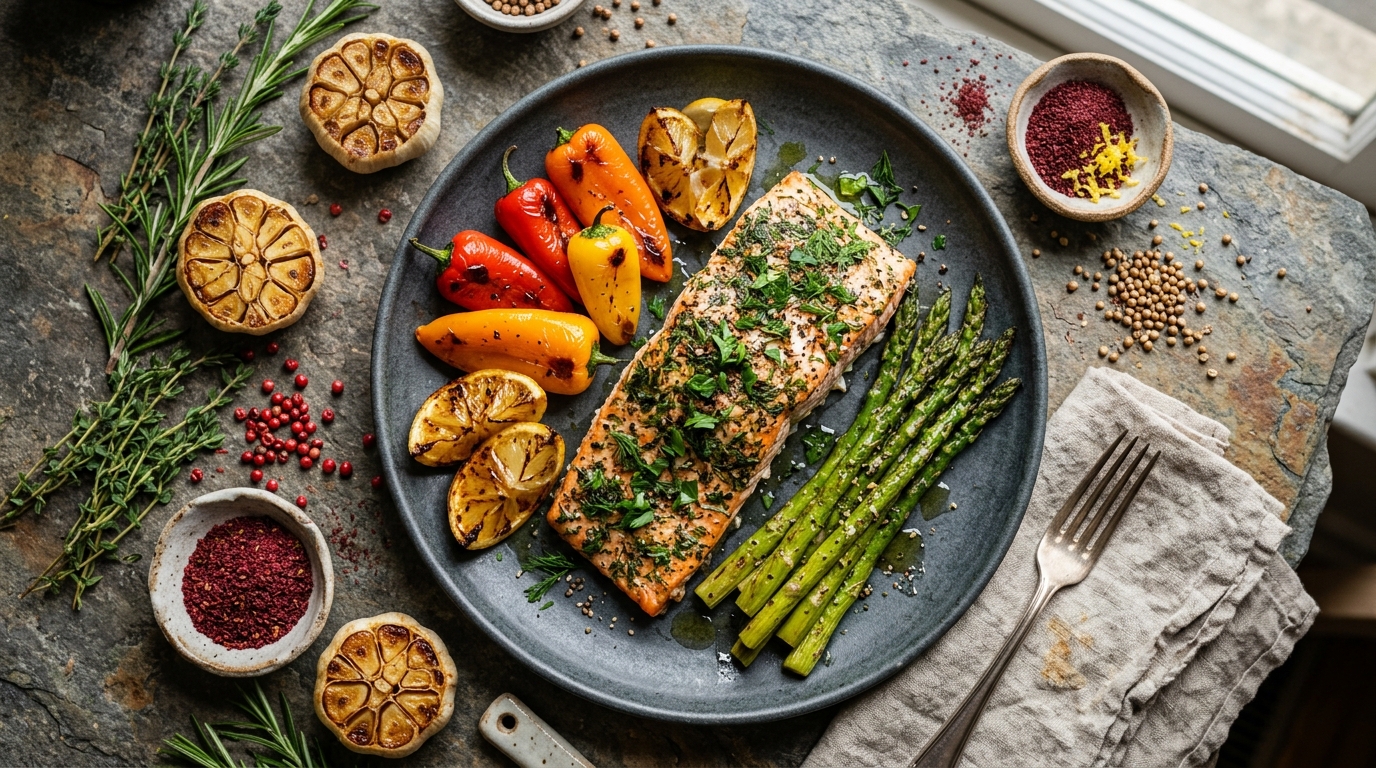
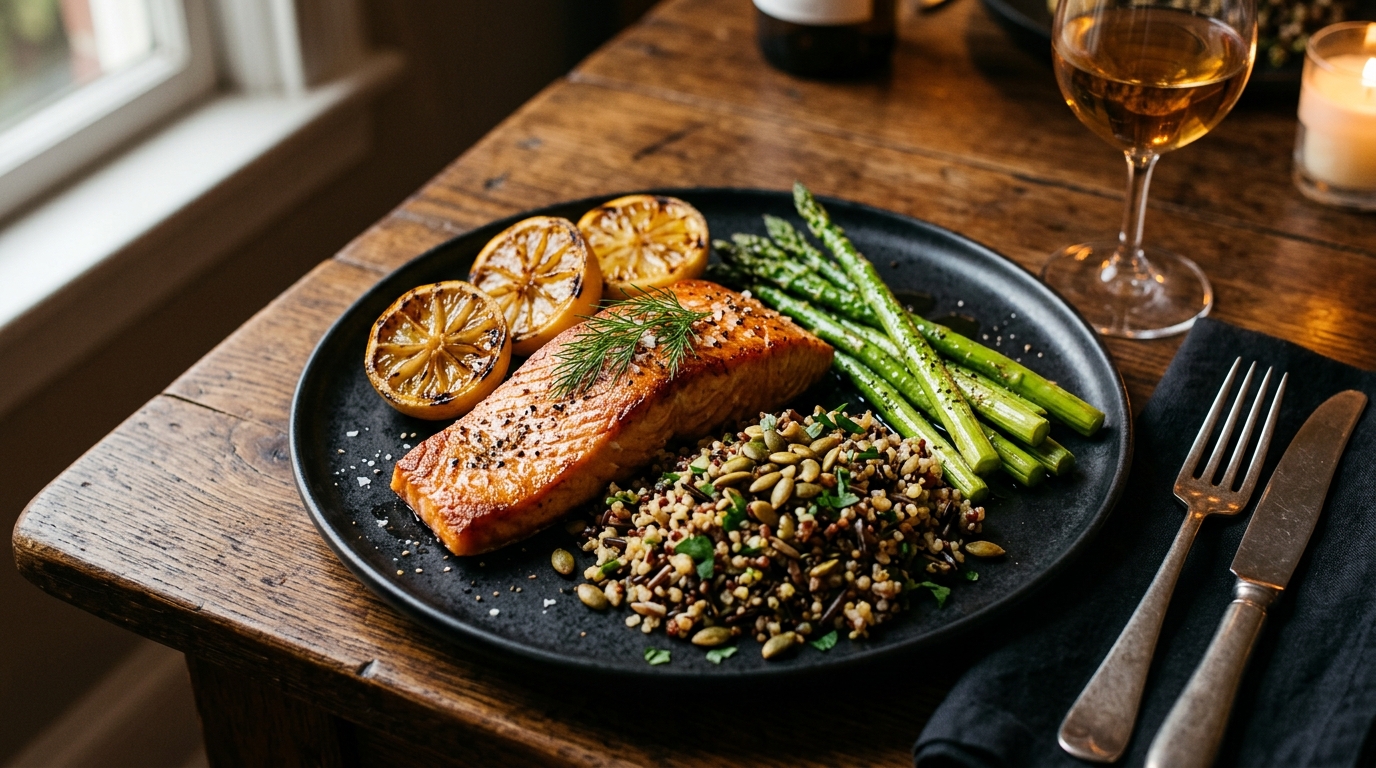
| Monday | Overnight rolled oats soaked in low-fat milk with chia seeds, blueberries, and sliced almonds | Mediterranean wrap with roasted chicken breast, hummus, cucumbers, and spinach on whole-wheat lavash | Flaky herb-baked salmon with steamed broccoli and fluffy quinoa | High potassium from spinach and broccoli; rich marine omega-3s from wild salmon. |
| Tuesday | Two poached eggs over sautéed kale and sliced tomatoes with a slice of whole-grain toast | Chilled mediterranean quinoa salad with chickpeas and lemon vinaigrette | Juicy lemon herb chicken with baked sweet potato wedges and steamed green beans | Magnesium powerhouse from chickpeas and quinoa; beta-carotene and potassium from sweet potatoes. |
| Wednesday | Smoothie bowl with low-fat plain Greek yogurt, frozen berries, baby spinach, and hemp seeds | Leftover lemon herb chicken sliced over mixed garden greens with olive oil dressing | Fragrant hearty lentil soup served with a crisp romaine side salad | High calcium from Greek yogurt; viscous soluble fiber and plant protein from brown lentils. |
| Thursday | Warm steel-cut oatmeal topped with sliced bananas, ground flaxseed, and a dash of cinnamon | Whole-grain pita stuffed with flaked white tuna in olive oil, grated carrots, and baby arugula | Vibrant vegetable stir-fry with tofu over steamed brown basmati rice | Plant isoflavones and calcium from firm tofu; high nitrate concentration from fresh arugula. |
| Friday | Whole-grain waffle topped with low-fat cottage cheese and warm unsweetened berry compote | Leftover hearty lentil soup with a side of crunchy celery and raw baby carrots | Grilled cod or white fish fillet with roasted zucchini, bell peppers, and farro | Dual mineral support: calcium from cottage cheese combined with magnesium and zinc from intact farro. |
| Saturday | Vegetable omelet with two whole eggs, baby spinach, cremini mushrooms, and diced red onion | Farro and roasted vegetable bowl drizzled with house-made lemon tahini dressing | Lean turkey breast and white bean chili simmered with fire-roasted tomatoes and sweet peppers | Lycopene from cooked tomatoes; low-fat lean poultry protein for tissue repair. |
| Sunday | Whole-grain avocado toast topped with hemp hearts, lemon zest, and sliced radishes | Leftover turkey and white bean chili with a slice of sourdough bread | Sheet-pan roasted chicken breast with Brussels sprouts, red onion wedges, and roasted baby potatoes | Potassium-rich Brussels sprouts; heart-healthy monounsaturated fatty acids from fresh avocado. |
DASH portion guidelines for everyday meal prep
To implement DASH effectively without counting every gram, structure your daily plates according to recommended food group servings:
- Vegetables (4–5 servings daily): Fill half your plate at lunch and dinner with deeply colored produce. A serving equals 1 cup of raw leafy greens or 1/2 cup of cooked vegetables.
- Fruits (4–5 servings daily): Incorporate whole fruits into breakfasts and mid-afternoon snacks. One medium apple, 1/2 cup of fresh berries, or 1/4 cup of unsweetened dried fruit represents one serving.
- Grains (6–8 servings daily, prioritizing whole grains): Choose 100% whole-wheat bread, brown rice, steel-cut oats, quinoa, or buckwheat over refined white carbohydrates. One serving equals one slice of bread or 1/2 cup of cooked grains.
- Low-Fat or Fat-Free Dairy (2–3 servings daily): Opt for plain unsweetened yogurt, low-fat milk, or fortified plant milks (soy, almond, pea) fortified with calcium and vitamin D.
- Lean Meats, Poultry & Fish (6 or fewer servings daily): Emphasize skinless poultry and wild fish, trimming all visible fat. One serving equals 1 ounce of cooked meat (a standard palm-sized portion is 3 to 4 ounces).
- Nuts, Seeds & Legumes (4–5 servings per week): Consume 1/3 cup of raw nuts, 2 tablespoons of seeds, or 1/2 cup of cooked beans to secure healthy fats, protein, and magnesium.
What fails: 5 common DASH diet pitfalls
- Slashing sodium drastically on day one: If you suddenly cut sodium from 4,000 mg to 1,200 mg overnight without increasing fluid and mineral intake, you may experience headaches, lethargy, and intense cravings that lead to bingeing. Gradually taper sodium over 10 to 14 days while letting your palate adjust to natural herb seasonings.
- Selecting flavored "low-fat" yogurts loaded with sugar: In an effort to meet low-fat dairy recommendations, many shoppers purchase fruit-on-the-bottom yogurts containing up to 22 grams of added refined sugar per cup. Always buy 100% plain low-fat Greek yogurt or kefir and sweeten naturally with fresh berries or cinnamon.
- Neglecting bread and bakery sodium: You might avoid salty chips and salted nuts, but bread is statistically one of the largest single contributors to daily sodium in modern diets. Two slices of commercial sandwich bread can pack 350 to 500 mg of sodium. Look for artisan whole-grain breads made with minimal ingredients or certified low-sodium varieties.
- Failing to prep grains and beans in batches: The DASH diet relies heavily on cooked whole grains and legumes. If you arrive home exhausted at 7 PM without pre-cooked brown rice or canned beans on hand, you are far more likely to order takeout. Spend 60 minutes on Sunday cooking a pot of quinoa and simmering brown lentils.
- Ignoring restaurant and takeout hidden fats: Even dishes that sound healthy on restaurant menus (such as grilled salmon with vegetables) are often basted in salted butter, soy sauce marinades, or high-sodium broths. Prepare at least 80% of your weekly meals in your own kitchen so you maintain total control over ingredients.
Frequently asked questions
What is the difference between standard DASH and lower-sodium DASH?
The standard DASH eating plan caps sodium intake at 2,300 milligrams per day (approximately one teaspoon of table salt), which aligns with general dietary guidelines. The lower-sodium DASH plan reduces daily intake to 1,500 milligrams per day, which has been shown in clinical trials to produce even greater reductions in blood pressure, particularly in middle-aged and older adults, individuals with pre-existing hypertension, and those of African descent.
Can I follow the DASH diet if I eat a vegetarian or vegan lifestyle?
Absolutely. The DASH framework is inherently plant-centric. A vegetarian or vegan DASH plan replaces animal proteins and dairy with edamame, lentils, black beans, chickpeas, calcium-set tofu, tempeh, hemp seeds, and fortified unsweetened soy milk. Plant-based DASH plans typically deliver even higher concentrations of potassium, magnesium, and dietary fiber.
How quickly can I expect to see improvements in blood pressure on DASH?
In clinical trials, significant reductions in blood pressure are frequently observed within 14 days of strict adherence to the DASH eating pattern. However, individual response times depend on baseline blood pressure, physical activity levels, weight changes, alcohol intake, and prescribed medications. Always monitor your readings under your physician's supervision.
How can I build an automated weekly grocery list for the DASH diet?
Managing the wide variety of fresh produce, whole grains, and lean proteins required by DASH is seamless with our digital meal tools. Use our meal plan generator to organize your week, convert your recipes into one aisle-organized shopping trip with our grocery list generator, and rescue extra ingredients using our leftover finder.