Recipe Planning
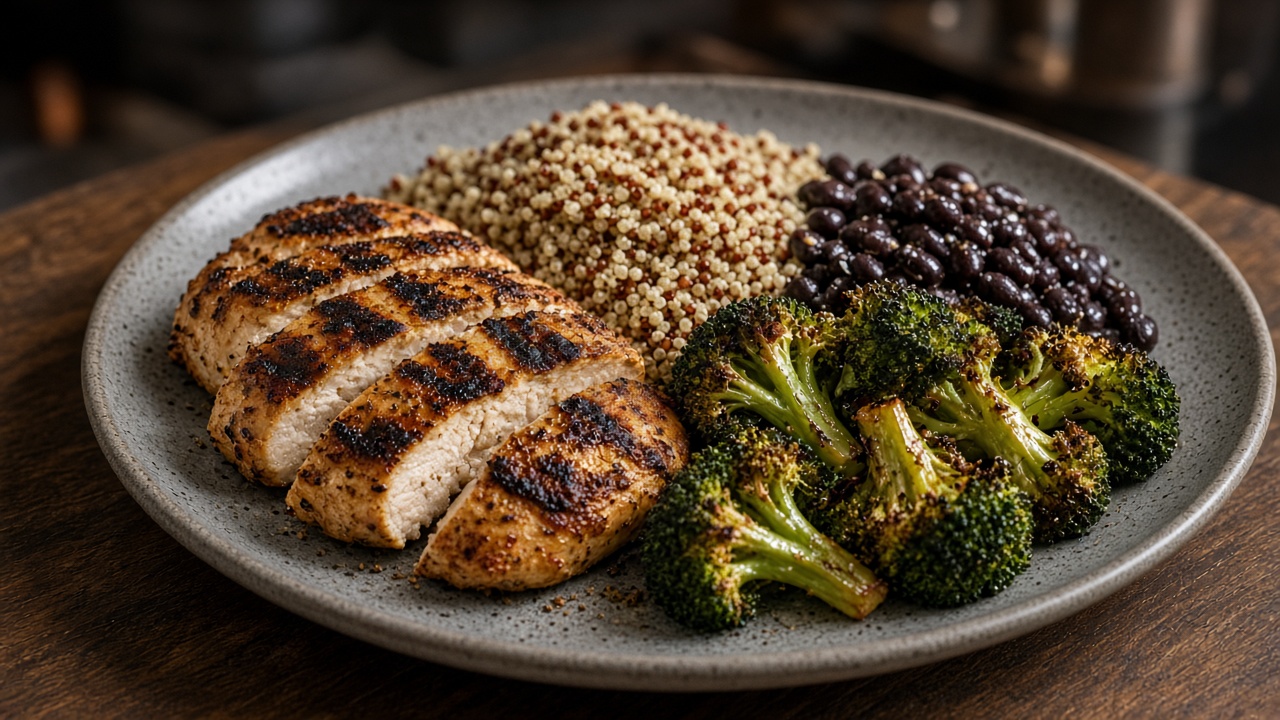
Whether your physical objective is building lean skeletal muscle, accelerating post-workout recovery, or supporting fat loss through prolonged satiety, adopting a high-protein dietary pattern is scientifically backed by sports nutrition literature. Protein stimulates peptide YY and GLP-1 (satiety hormones), blunts ghrelin (the hunger hormone), and possesses the highest thermic effect of food (TEF) of any macronutrient, requiring your body to expend roughly 20% to 30% of its caloric value simply digesting and processing it.
However, the execution of high-protein diets is notoriously plagued by culinary misery. Many fitness enthusiasts attempt to eat dry, unseasoned chicken breasts, chalky protein powders, and soggy canned tuna day after day. By Thursday, taste fatigue and sensory boredom set in, prompting a massive rebound binge on fast food. Sustainable high-protein cooking requires culinary finesse: bold pan sauces, dynamic acid marinades, optimal searing techniques, and overlapping prep systems that keep protein juicy and craveable all week.
The physiological rules of high-protein meal architecture
To optimize muscle protein synthesis (MPS) and keep appetite fully regulated throughout a demanding workday, structure your meals around these four principles:
- Target 30g–45g of Protein per Main Meal: Research indicates that roughly 2.5 to 3 grams of the essential amino acid leucine are required to fully trigger the mTOR pathway responsible for muscle protein synthesis. Hitting 30 to 45 grams of high-quality protein per meal comfortably clears this threshold.
- Anchor Every Dinner in a Juicy Whole Food Protein: Boneless skinless chicken thighs, lean flank steak, wild salmon, ground turkey breast, cod, or extra-firm organic tofu.
- Loud Sauces Are Mandatory, Not Optional: Plain protein is why meal plans fail. Buy and prep bold, low-sugar sauces: lemon herb chimichurri, garlic tahini emulsion, ginger sesame glaze, roasted salsa verde, or yogurt tzatziki.
- Pair Protein with High-Volume Fiber: Protein without fiber leads to sluggish motility. Every plate must balance dense protein with 2 cups of fibrous greens, cruciferous vegetables, or whole grains.
7-day high protein weeknight dinner plan
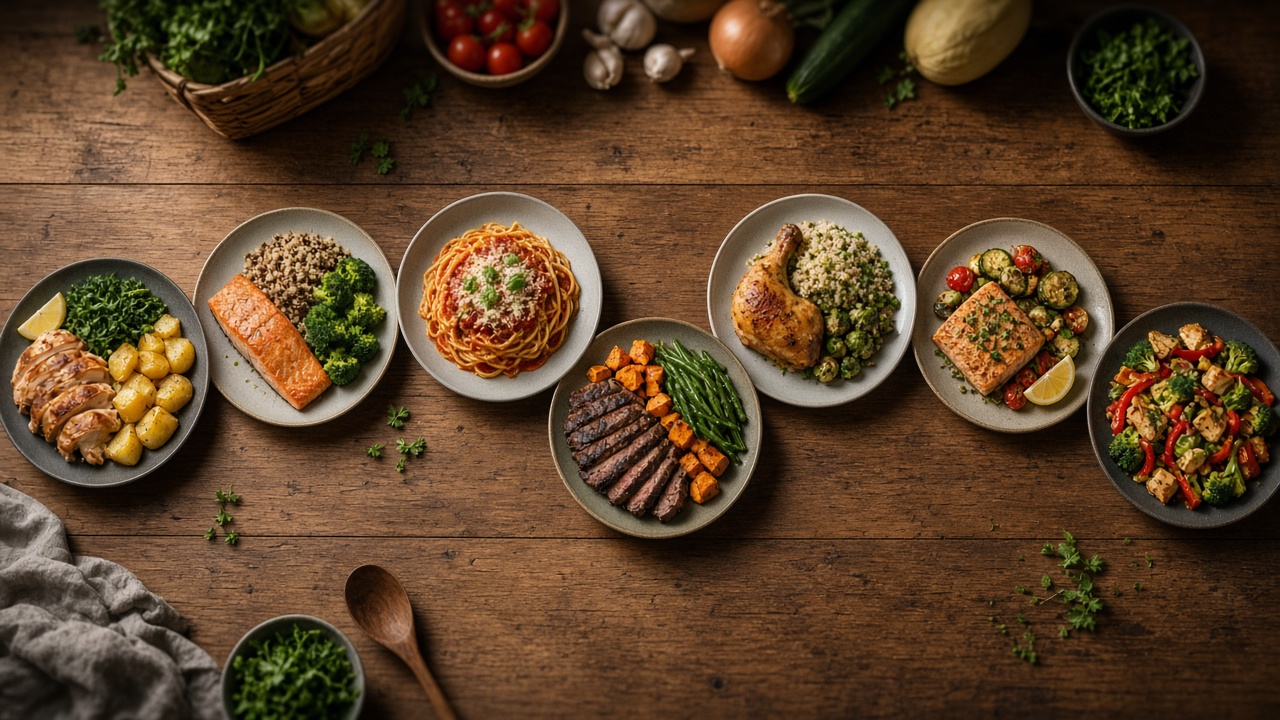
This plan delivers 130g to 160g of daily protein without forcing you to consume chalky powders. Portions can be tailored easily with our interactive servings scaler.
| Day | Breakfast | Lunch | Dinner | Protein Target & Culinary Prep Focus |
|---|---|---|---|---|
| Monday | 3 eggs scrambled with 1/2 cup egg whites, baby spinach, and 1 oz feta cheese (32g protein) | Grilled chicken breast over quinoa, chopped cucumbers, and lemon tahini dressing (42g protein) | Pan-seared lemon herb chicken with roasted rosemary potatoes and green beans (44g protein) | Pound chicken breasts to an even 1/2-inch thickness before searing in olive oil; finish with fresh lemon juice and rosemary. |
| Tuesday | 1 cup nonfat Greek yogurt with scoop of chia seeds, fresh blueberries, and almonds (28g protein) | Leftover lemon herb chicken tossed with mixed greens, cherry tomatoes, and balsamic glaze (40g protein) | Savory beef and broccoli stir-fry with flank steak over brown jasmine rice (46g protein) | Slice flank steak against the grain into thin strips; sear over smoking-hot cast iron for 2 minutes to lock in juices. |
| Wednesday | High-protein smoothie: unsweetened almond milk, frozen berries, Greek yogurt, and hemp protein (34g protein) | Leftover beef and broccoli stir-fry reheated over steamed brown rice (44g protein) | Baked paleo turkey meatballs simmered in rich marinara over zucchini noodles (42g protein) | Combine 93/7 lean ground turkey with minced garlic, egg, and almond flour; bake at 400°F (204°C) for 18 minutes. |
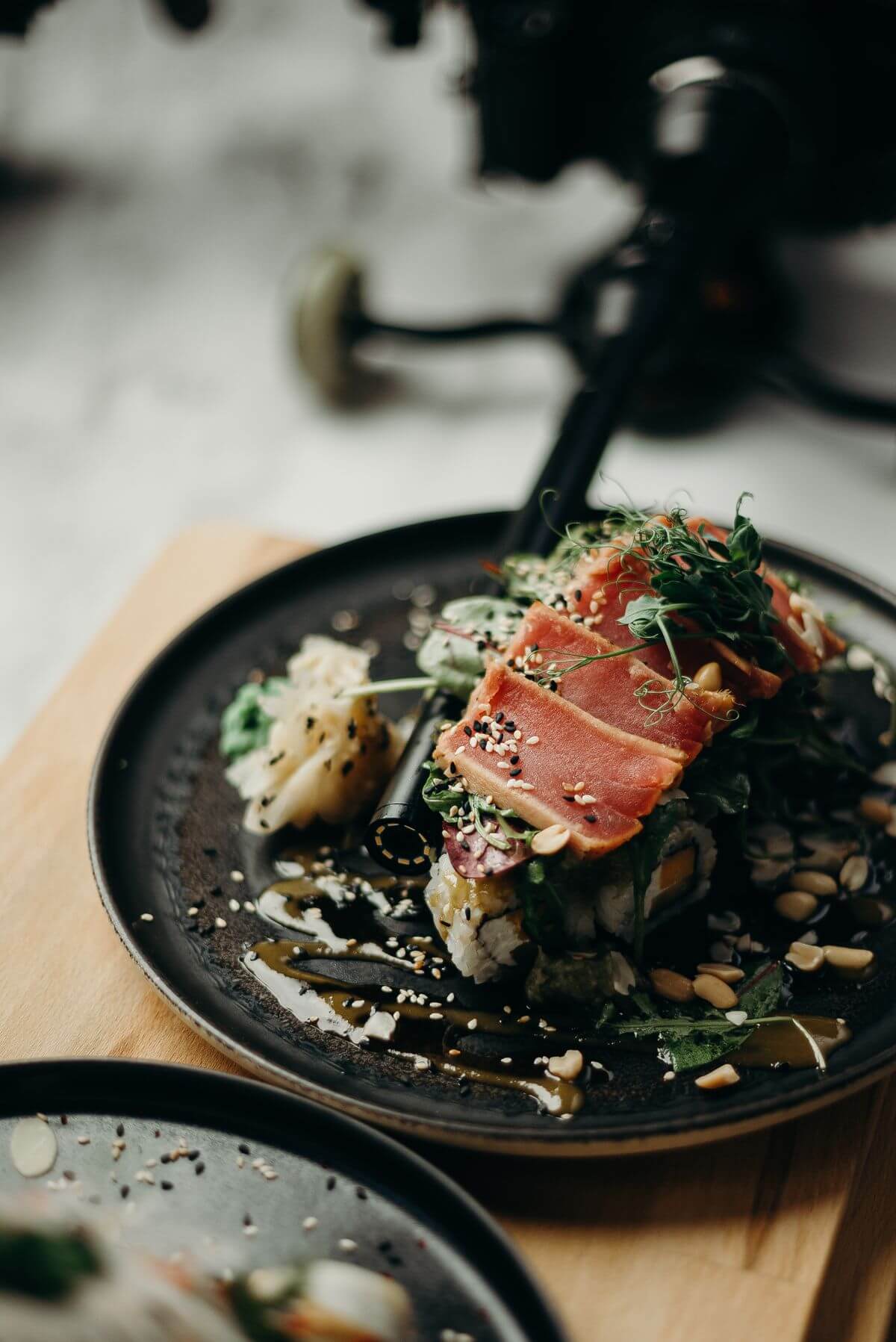
| Thursday | Egg white and turkey bacon breakfast sandwich on sprouted whole-grain English muffin (30g protein) | Turkey meatball lunch bowl with marinara, steamed green beans, and quinoa (38g protein) | Sesame-crusted seared tuna steaks: sesame-crusted tuna steaks with sautéed bok choy (48g protein) | Coat sushi-grade yellowfin tuna in sesame seeds; sear in hot skillet for 60 seconds per side, leaving center medium-rare. |
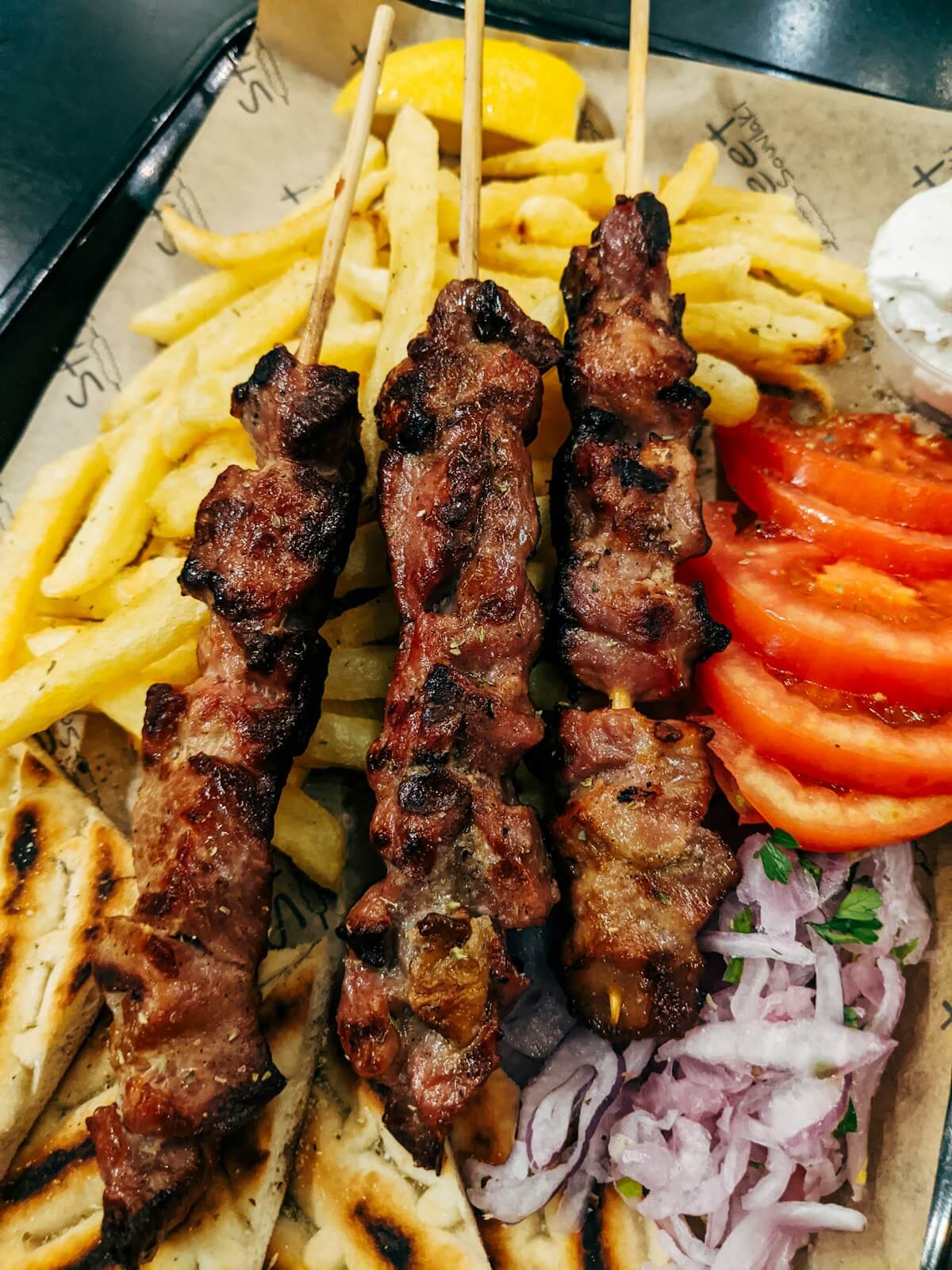
| Friday | Cottage cheese bowl (1 cup 2%) with diced peaches, raw walnuts, and cinnamon (30g protein) | Flaked tuna salad lettuce wraps with celery, Greek yogurt mayo, and dijon mustard (42g protein) | Charred greek chicken skewers with tzatziki, warm pita, and chopped Greek salad (45g protein) | Marinate chicken breast cubes in lemon juice, garlic, and dried oregano; grill or broil until golden and slightly charred. |
| Saturday | Protein oat waffles topped with whipped Greek yogurt and warm raspberry compote (32g protein) | Greek chicken salad bowl with romaine, diced cucumbers, kalamata olives, and feta (40g protein) | Flaky herb-baked salmon with roasted asparagus and sweet potato wedges (42g protein) | Generously season wild salmon with fresh dill, cracked black pepper, and lemon slices before baking for 14 minutes. |
| Sunday | Vegetable frittata made with 4 whole eggs, 1/2 cup egg whites, mushrooms, and spinach (34g protein) | Leftover herb-baked salmon flaked over cold wild rice and asparagus salad (38g protein) | Golden pan-seared vegetable stir-fry with tofu and edamame over quinoa (36g protein) | Plant-protein power night: pair cubed extra-firm pressed tofu with shelled edamame and quinoa for a complete amino acid profile. |
The high-protein supermarket shopping strategy
Economize your meat and poultry purchases by buying versatile family packs and organizing your cart around clean protein staples:
- Poultry & Lean Meats: 3 lb boneless skinless chicken breasts, 1.5 lb lean flank steak or top sirloin, 1.5 lb lean ground turkey (93/7), and 2 dozen pastured eggs.
- Seafood: 4 wild salmon fillets (6 oz each), 2 yellowfin tuna steaks or white cod fillets.
- Dairy & Plant Proteins: Two 32-oz tubs plain nonfat Greek yogurt, one 16-oz tub low-fat cottage cheese, 2 blocks extra-firm organic tofu, and 1 bag frozen shelled edamame.
- Produce & Sides: 2 large heads broccoli, 1 lb bok choy, 2 bunches asparagus, 1 lb baby spinach, 4 sweet potatoes, and 3 heads garlic.
Use our automated grocery list generator to merge ingredients by aisle, and read our comprehensive high-protein meal prep guide for batch cooking tips.
What fails: 5 mistakes that derail high-protein diets
- Overcooking lean meats into leather: Lean chicken breasts, pork tenderloin, and flank steak have virtually no intramuscular fat. Overcooking them by even three minutes expels all moisture, leaving them chalky and difficult to swallow. Use a digital meat thermometer and pull poultry at 165°F (74°C) and beef at 135°F (57°C).
- Ignoring the importance of dynamic sauces: Eating plain grilled chicken breast five nights in a row is the fastest route to diet burnout. Master five-minute emulsified sauces — like chimichurri, lemon tahini, and spicy chipotle yogurt — that add incredible moisture without unwanted refined sugars.
- Neglecting dietary fiber and water intake: Metabolizing high quantities of dietary protein produces increased nitrogenous waste and requires substantial hydration. Failing to drink sufficient water alongside 30g+ of daily fiber can cause chronic digestive sluggishness and constipation.
- Relying exclusively on processed protein bars: Packaged protein bars often masquerade as health food while containing 12g of sugar alcohols, palm oil, and synthetic emulsifiers that cause severe abdominal bloating. Prioritize real food sources: eggs, Greek yogurt, chicken, fish, and legumes.
- Skipping protein distribution throughout the day: Consuming 15 grams of protein across breakfast and lunch and then attempting to eat a massive 110-gram steak at 8:00 p.m. is sub-optimal for muscle protein synthesis. Distribute your protein evenly into 30g to 45g boluses every 3 to 5 hours.
Frequently asked questions
How much protein do I actually need per day?
For active adults, weightlifters, and those seeking body recomposition, sports science consensus recommends 1.6 to 2.2 grams of protein per kilogram of body weight (roughly 0.75 to 1.0 gram per pound). For a 160-pound individual, this translates to 120 to 160 grams daily.
How can I meal prep chicken without it drying out when reheated?
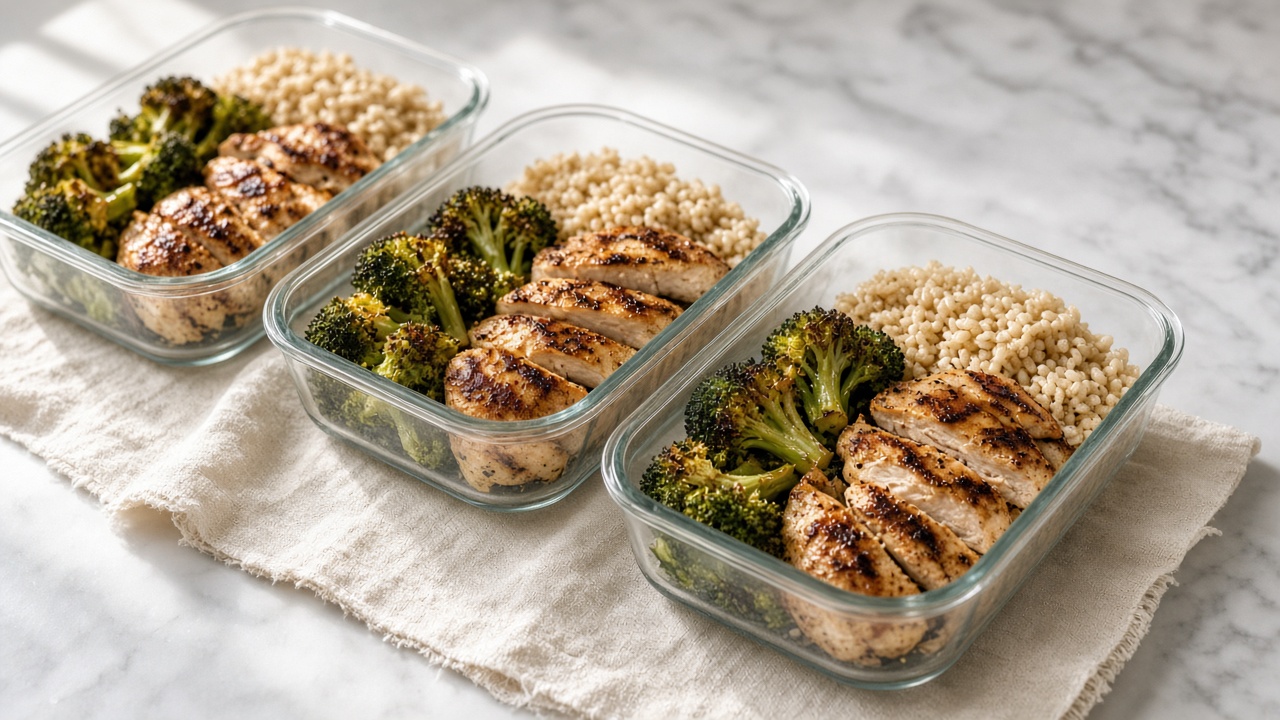
Two critical techniques prevent dry reheated poultry: dry-brining (salting chicken breasts 4 hours before cooking to help muscle fibers retain moisture) and gentle reheating. Reheat prepped chicken in a skillet on medium-low with 2 tablespoons of water or broth and a lid, rather than blasting it on high power in the microwave.
Can I hit 130+ grams of protein if I eat a vegetarian diet?
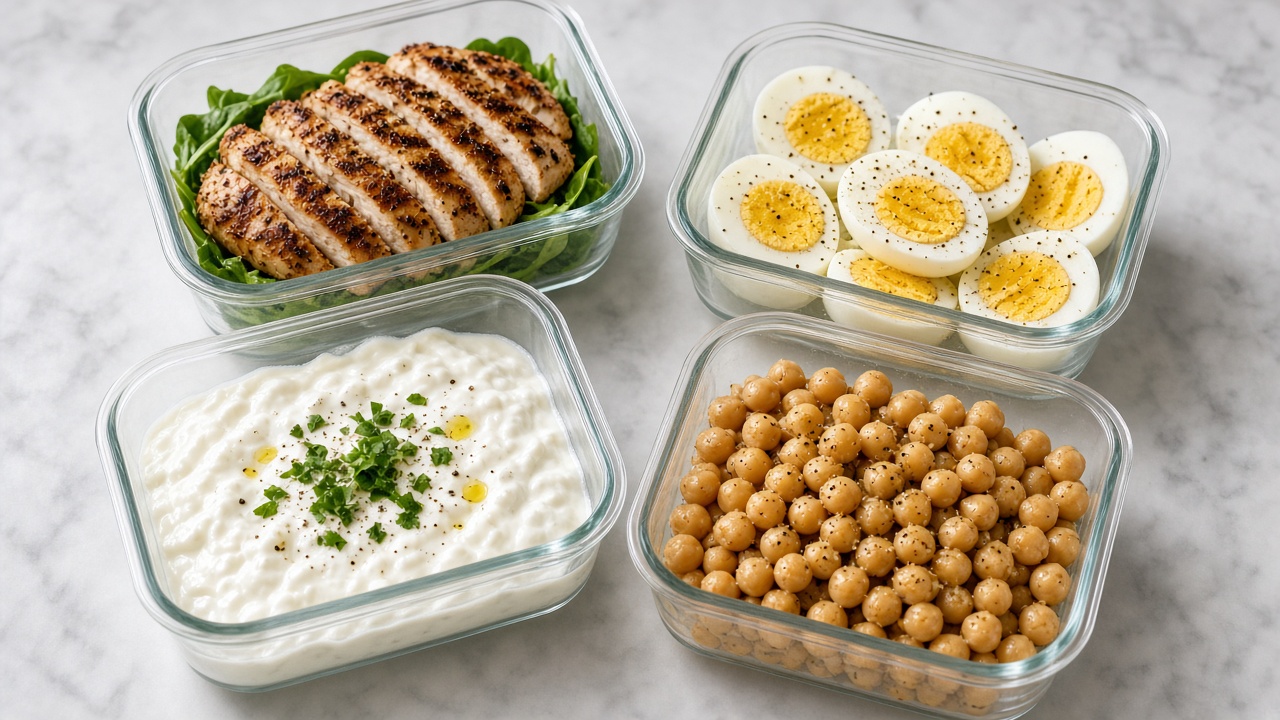
Yes. By strategically pairing high-protein vegetarian staples like nonfat Greek yogurt (15–20g per cup), cottage cheese (25g per cup), eggs (6g each), extra-firm tofu (20g per cup), tempeh (30g per cup), and shelled edamame (17g per cup), you can effortlessly reach 130+ grams without meat.
How do I generate an automated high-protein grocery list?
Use our free meal plan generator to create a high-protein calendar customized to your dietary preferences, adjust batch sizes with our servings scaler, and discover creative ways to repurpose remaining cooked proteins with the leftover finder.