Recipe Planning
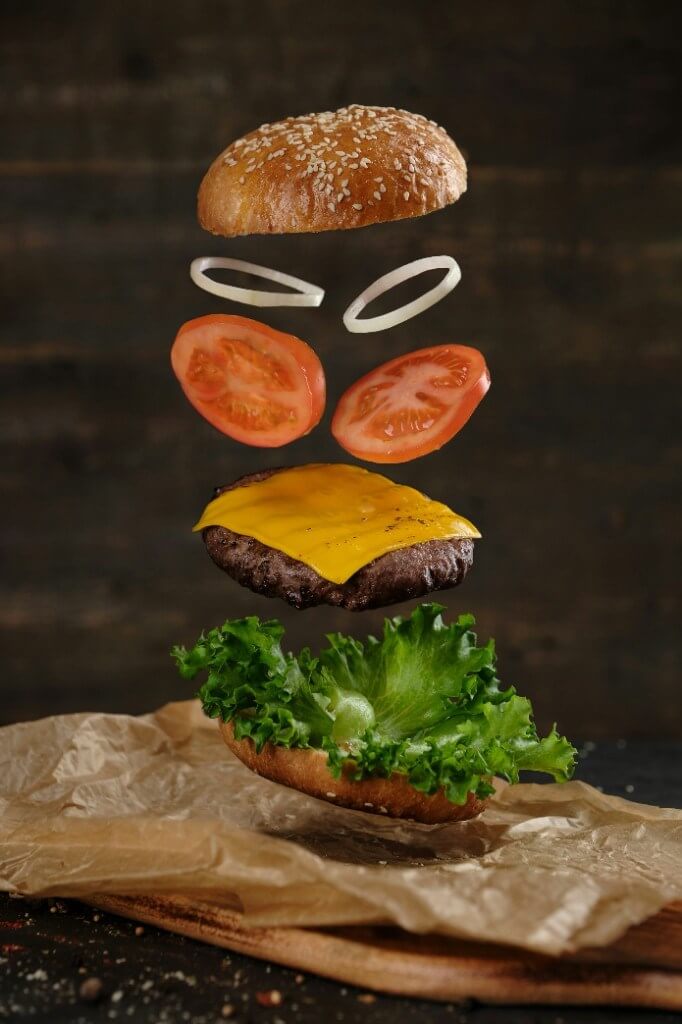
Over the past decade, a quiet culinary revolution has transformed the global burger landscape. For years, home cooks and mainstream diners were fed the gospel of the "gourmet thick burger"—a monolithic, eight-ounce baseball-sized patty that inevitably emerged from the grill charred black on the outside, lukewarm or raw in the center, and so dense and rubbery that eating it felt like jaw endurance training. When you finally took a bite, the slippery tomato and lettuce shot out the back of a stale, cold bun while lukewarm juices soaked through the cardboard takeout box.
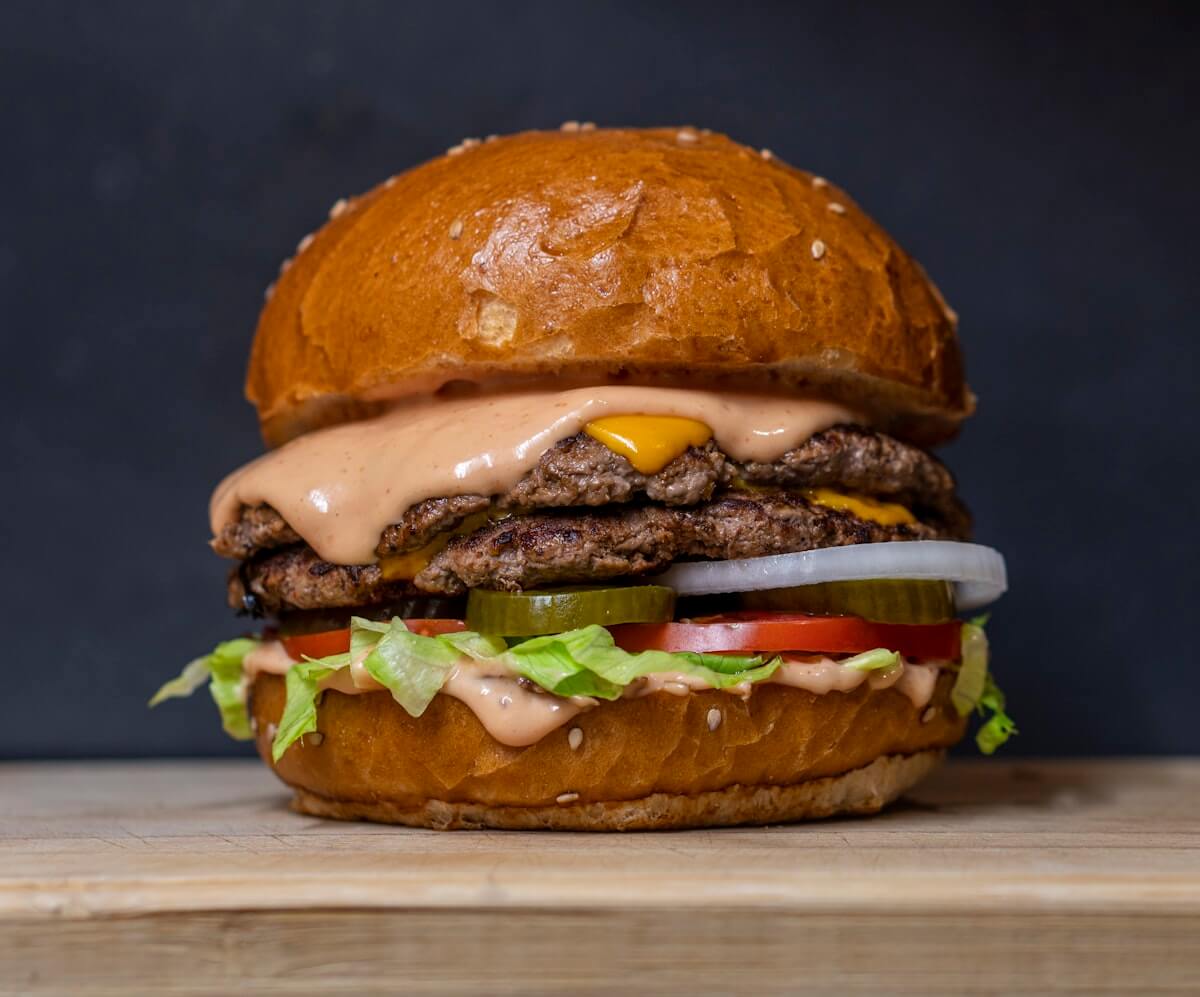
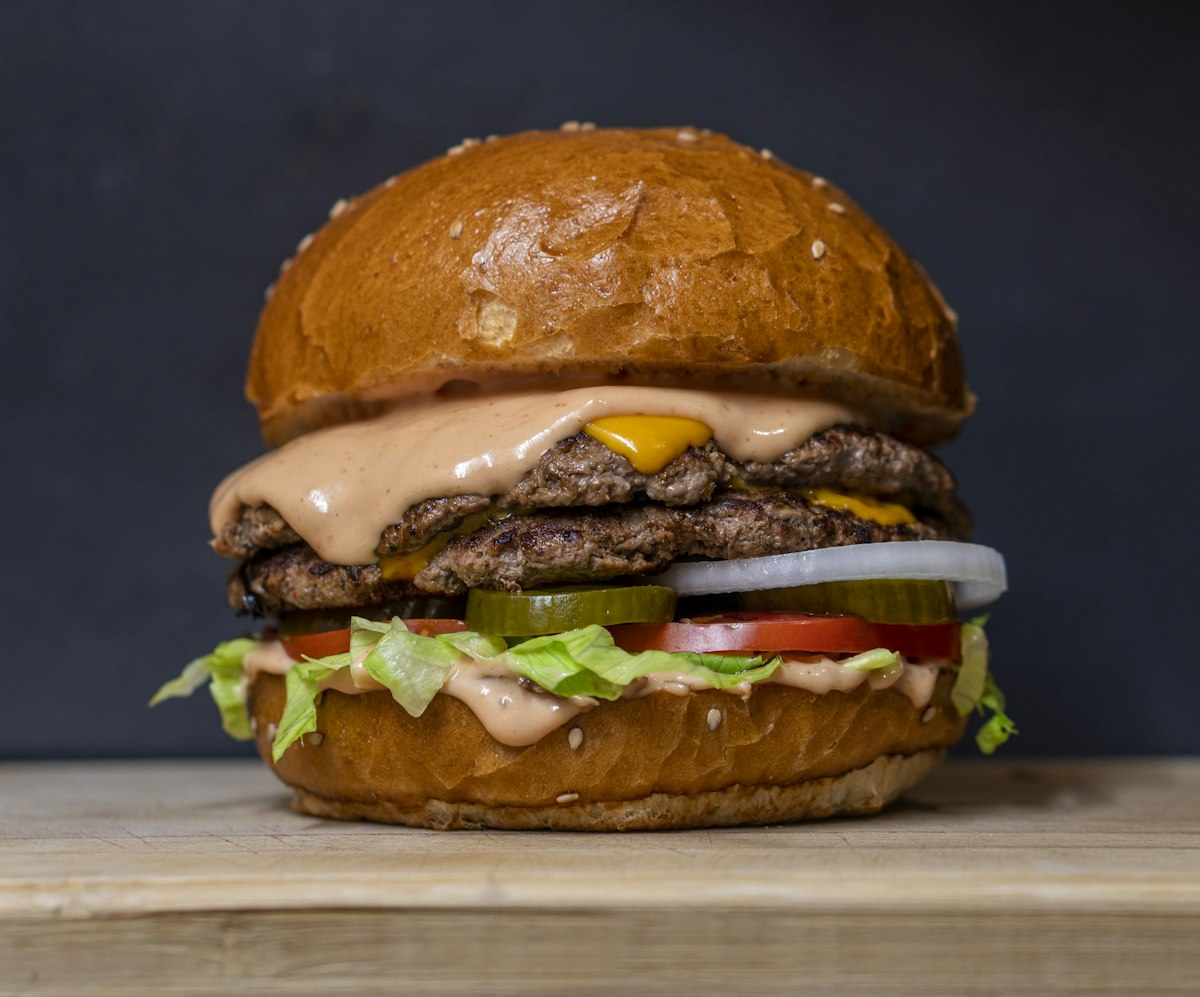
Today, burger purists and artisan chefs have returned to the true pinnacle of burger engineering: the classic smash burger. Born on the flattops of Midwestern American diners and perfected across contemporary gourmet halal burger joints from London to Dubai, the smash burger discards pre-formed thick patties in favor of food physics. By pressing a loose ball of cold, freshly ground halal beef against a screaming-hot iron surface with tremendous mechanical force, you maximize surface contact area and trigger an explosion of the Maillard reaction. In less than three minutes, you produce ultra-thin double patties with intensely savory, ragged, crisp lace edges, blanketed in gooey melted cheese and cradled in a golden-toasted, buttered brioche bun. This comprehensive master guide outlines the butcher's meat chemistry, the 10-second smashing technique, our signature secret shack sauce, and the non-negotiable rules for hosting an unforgettable halal burger night.
The Butcher’s Formula: Fat Ratios, Grind Architecture & Halal Sourcing
A gourmet burger is only as good as the ground meat you put on the griddle. Making an extraordinary burger begins with understanding butcher chemistry:
1. The Golden 80/20 Lean-to-Fat Ratio
Never purchase ultra-lean 90/10 or 95/5 ground beef for smash burgers. Lean ground beef lacks sufficient intramuscular lipid reservoirs; when smashed on a 425°F pan, moisture flash-evaporates, leaving you with dry, crumbly beef gravel. You need 80/20 ground chuck (80% lean muscle, 20% intramuscular fat). As the beef hits the searing pan, that 20% fat renders instantly, deep-frying the ragged outer perimeter of the patty in its own natural juices while keeping the interior juicy and tender.
2. The Custom Halal Blend: Chuck, Brisket & Short Rib
If you have access to a quality halal butcher who grinds fresh whole cuts, request a custom coarse blend that rivals the world’s top burger boutiques:
- 60% Halal Beef Chuck: The classic flavor foundation, providing rich, clean, beefy baseline notes.
- 20% Halal Beef Brisket: Dense in collagen and fat, delivering rich buttery mouthfeel and aromatic beef aroma.
- 20% Halal Boneless Beef Short Rib: Intensely marbled with intramuscular fat, creating unmatched melting texture.
3. Chicken & Plant-Based Smash Alternatives
If cooking poultry or plant-based burgers, adapt your technique:
- Halal Chicken Smash: Use 100% ground chicken thigh meat (never dry chicken breast) seasoned with smoked paprika, garlic powder, and onion powder. Cook to a safe internal temperature of 165°F (74°C). Check our crispy chicken burger for fried alternative techniques.
- Artisan Black Bean Smash: Use mashed black beans folded with cooked quinoa, ground cumin, and flaxseed meal, seared in avocado oil until crisp, following our black bean burgers.
- Classic Beef Heritage: Explore classic recipes like our classic cheeseburger and the fried-egg-topped Aussie beef burger.
The 10-Second Mechanical Smash Technique
Smashing a burger is not an act of random aggression; it is a timed mechanical process governed by protein denaturation:
| Step | Physical Action | Culinary Chemistry & Critical Technique |
|---|---|---|
| 1. Loose Balling | Divide cold 80/20 mince into 2.5-oz (70g) loose balls. | Do not pack, knead, or compress the meat! Form loose, airy spheres. Keep refrigerated until the exact second they hit the hot pan. Cold fat does not smear. |
| 2. Thermal Shock | Heat dry cast-iron skillet or griddle to 425°F–450°F (220°C–230°C). | No oil in the pan! The fat within the beef provides all the lubrication needed. Drop two cold balls spaced at least 4 inches apart onto the smoking dry iron. |
| 3. The 10-Second Press | Place a 4x4-inch square of parchment paper over each ball; press flat with heavy spatula. | Use maximum upper-body force for 10 seconds. Spread the patty outward into a wide, ultra-thin disc (less than 1/4-inch thick) with lacy, ragged edges. The parchment paper prevents meat from sticking to the metal spatula. |
| 4. Seasoning the Crust | Generously sprinkle coarse kosher salt and cracked black pepper over the raw top surface. | Never salt ground beef in a bowl prior to cooking! Salt dissolves myosin proteins, turning patties rubbery. Salting only the exterior creates a crunchy savory crust. |
| 5. The Scraping Flip | Cook undisturbed for 120 seconds. Slide a razor-sharp, stiff metal spatula underneath the crust. | Do not be timid! Scrape firmly against the cast iron to ensure 100% of the caramelized, charred brown fond lifts with the patty rather than sticking to the pan. |
| 6. Cheese & Stack | Flip once. Immediately lay a slice of cheese on each patty. Cook for 45 seconds. | Stack patty 1 on top of patty 2. Transfer the double-patty tower directly onto your toasted bottom bun. Never press the burger after flipping! |
The Halal Bun Matrix: Brioche Sourcing & The Toasting Barrier
The bun is half of the burger experience. A mediocre, dry sesame supermarket bun ruins the finest beef. The gold standard for smash burgers is a soft, buttery, slightly sweet **Brioche Bun** or **Potato Bun**.
1. Navigating Halal Sourcing in Commercial Buns
When purchasing commercial bakery buns, Muslim consumers must watch for two common additives:
- L-Cysteine (Dough Conditioner / Flour Improver): An amino acid frequently derived from slaughtered animal hair, duck feathers, or synthetic origins. Check bun packages for "L-cysteine-free," "suitable for vegetarians," or halal certification.
- Animal Shortening & Mono/Diglycerides: Ensure the bakery bun is enriched purely with 100% butter, eggs, and vegetable oils rather than pork or non-halal beef lard shortening.
2. The Golden Stovetop Toasting Technique
Never serve a cold, un-toasted bun. In a clean pan or on the griddle, melt 1 tablespoon of unsalted butter over medium heat. Place the bun halves cut-side down and toast for 90 seconds until golden brown, crispy, and fragrant. This creates a caramelized lipid barrier that prevents the hot burger juices, melted cheese, and acidic secret sauce from soaking into the crumb and turning the bottom bun soggy.
The Ultimate Secret Shack Sauce & Gourmet Condiments
A great burger sauce balances richness with sharp acidity to cut through the 80/20 beef fat. Whisk this master sauce in a bowl and let chill for 30 minutes before serving:
- 1/2 cup Quality Mayonnaise: Ensure certified halal (made with vegetable oil, pasteurized egg yolks, and vinegar).
- 2 tablespoons Tomato Ketchup: Provides concentrated sweet-and-sour tomato acidity.
- 1 tablespoon French’s Yellow Mustard: Provides pungent turmeric, vinegar, and mustard seed tang.
- 2 tablespoons Finely Minced Dill Pickles + 1 tsp Pickle Brine: Essential crunch and lactic acid.
- 1/2 teaspoon Smoked Sweet Paprika: Imparts subtle smoky campfire aroma.
- 1/2 teaspoon Garlic Powder & 1/4 teaspoon Onion Powder: Savory umami aromatics.
The Ultimate Halal Burger Lineup & Stacking Architecture
How you stack your burger dictates every bite. The classic architectural order from bottom to top:
| Layer Position | Component Item | Architectural Role & Structural Physics |
|---|---|---|
| Bottom Layer | Buttered, Toasted Bottom Brioche Bun | The sturdy, golden-toasted foundation that supports the entire structure. |
| Layer 2 | 1 Tablespoon Secret Shack Sauce | Lubricates the palate and coats the bottom bun. |
| Layer 3 | 3 Slices Thin Dill Pickles | Acid barrier: hits your tongue first to awaken tastebuds before the rich beef arrives. |
| Layer 4 | Double Halal Smashed Beef Patties with Melted Cheese | The piping-hot, juicy core of the burger. Cheese binds the two patties into one unit. |
| Layer 5 | Caramelized Onions or Shaved Raw White Onions | Raw onions add crisp bite; caramelized onions add rich sweetness. |
| Layer 6 | Crisp Butterhead Lettuce & Sliced Tomato (Optional) | Placed on top of the hot cheese so they do not get steamed or wilted from underneath. |
| Top Layer | Toasted Top Bun with Light Sauce Smear | Capped gently; yields cleanly upon first bite without collapsing. |
5 Costly Burger Mistakes That Ruin Smash Night
Avoid these five common kitchen pitfalls to guarantee burger-shack perfection:
- Salting the Ground Beef in Advance: If you mix salt into ground beef while forming balls in a bowl, the salt chemically extracts water and dissolves muscle proteins (myosin). The meat binds into a tight, dense, sausage-like emulsion that cannot form delicate, tender lace edges. Always keep the meat unseasoned until the exact second after it is smashed onto the hot metal.
- Using Nonstick Teflon Skillets: Teflon nonstick coatings degrade and emit harmful fumes when heated dry past 400°F (204°C). Furthermore, nonstick coatings prevent meat from sticking slightly to the metal—and that micro-sticking is precisely what allows the caramelized crust to form. Always use heavy seasoned cast iron or carbon steel.
- Smashing the Burger Multiple Times: Smashes belong strictly to the first 10 seconds of cooking when the meat fat is cold and unrendered. If you smash a patty after 60 seconds or after flipping, you fracture the coagulated protein matrix and squeeze all the hot, flavorful juices straight into the pan, resulting in a bone-dry burger.
- Using Flimsy, Flexible Spatulas: Slotted silicone or flexible plastic spatulas bend under pressure and cannot scrape cleanly under the caramelized crust. You need a stiff, wide, heavy-duty stainless steel spatula with a beveled front edge that can scrape flush against the iron griddle.
- Over-Complicating with Excessive Wet Toppings: Piling on thick slices of watery greenhouse tomatoes, giant leaves of wet iceberg lettuce, and three competing sauces drowns the beef crust and causes the bun to disintegrate into a messy sludge. Keep toppings restrained and purposeful.
Streamline Your Burger Nights with Digital Tools
Planning a burger night for family or hosting a neighborhood backyard smash session is seamless with our free tools:
- Scaling from dinner for two to a block party of twenty? Automatically calculate exact pounds of halal chuck, packs of brioche buns, and cheese slices with the servings scaler.
- Map out burger night alongside your healthy weeknight dinners using the meal plan generator.
- Generate a consolidated, aisle-by-aisle supermarket checklist for your butcher cuts, pickles, and buns using the grocery list generator.
- Have extra ground beef balls or open brioche buns? Re-purpose them into savory morning breakfast wraps with the leftover finder.
Frequently Asked Questions
What is L-cysteine and why must halal consumers inspect burger bun labels?
L-cysteine (E920) is an amino acid used as a commercial dough conditioner to speed up industrial bread production and improve bun softness. It is historically extracted from human hair, duck feathers, or hog bristles. Unless the manufacturer explicitly certifies that their L-cysteine is derived from microbial fermentation, synthetic sources, or certified halal poultry, buns containing unspecified L-cysteine should be avoided by observant consumers. Many artisan bakeries avoid dough conditioners entirely.
Can I make authentic smash burgers on an outdoor grill with wire grates?
No. If you attempt to smash a loose ball of ground beef on an open wire grill grate, the meat will tear, fall through the grates into the coals, and cause massive grease flare-ups. However, you can place a heavy flat cast-iron griddle, plancha, or cast-iron skillet directly on top of your outdoor grill grates, close the lid to heat the iron to 450°F, and smash outdoors without filling your kitchen with smoke.
Is it necessary to grind your own beef at home for halal smash burgers?
Grinding your own meat is not strictly necessary, but buying freshly ground 80/20 chuck from a trusted halal butcher on the day of cooking yields vastly superior results to pre-packaged supermarket tubes. Supermarket tubes are compressed under high pressure for shelf life, resulting in dense meat. A butcher’s fresh coarse grind ensures a light, tender crumb that smashes into lacy perfection.
How can I control smoke when cooking smash burgers in a residential kitchen?
Because smash burgers cook on screaming-hot dry cast iron at 450°F, rendering beef fat naturally produces smoke. To manage this: first, turn your kitchen range exhaust hood to maximum high five minutes before cooking. Second, close bedroom doors and open kitchen windows to create cross-ventilation. Third, work in quick 2-patty batches and wipe down excess grease between batches with a paper towel held in tongs.