Recipe Planning
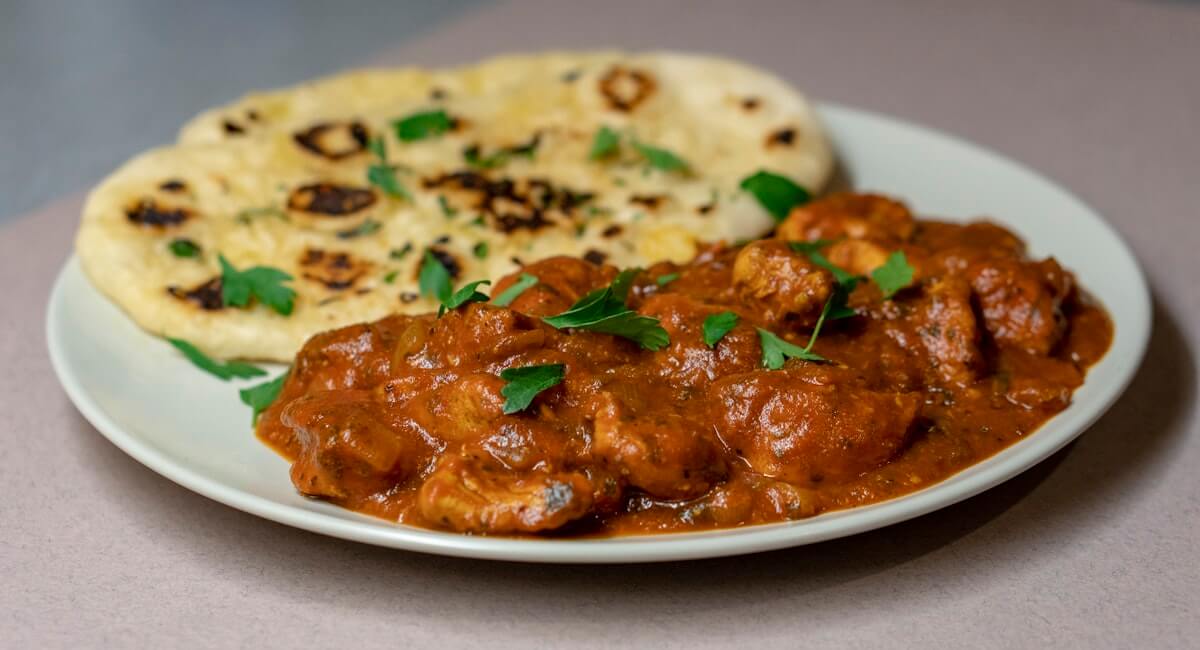
Friday night arrives. You close your laptop after a punishing forty-hour work week, collapse onto the sofa, and reach for your smartphone. Opening your favorite food delivery app, you browse through local Pakistani curry houses, gourmet smash burger joints, and Chinese noodle bars. Forty minutes and £42 later, a brown paper bag arrives at your doorstep. The food tastes intensely savory in the first five minutes. But by 10:00 PM, the biological consequences set in: an unquenchable thirst driven by 2,500 milligrams of hidden sodium, an uncomfortable burning sensation from low-grade, repeatedly heated industrial fryer oils, and a heavy, lethargic "food coma" that ruins your Saturday morning workout.
The solution is not to resign yourself to steamed white chicken breast and raw kale. The real solution is mastering the art of the healthy fakeaway. A fakeaway is a home-cooked re-creation of an iconic takeout dish that preserves every drop of bold, crave-worthy flavor while replacing degraded frying fats, industrial fillers, and refined high-fructose syrups with vibrant, whole-food ingredients. By understanding the kitchen chemistry of restaurant cooking—such as meat velveting, high-heat surface caramelization, and aromatic reduction—you can cook takeout favorites that taste fresher and more vibrant than commercial orders, cost 70% less, and leave you feeling energized. This comprehensive guide breaks down the culinary science of clean fakeaways, delivers master recipes for chicken karahi, smash burgers, and wok chow mein, and reveals the common mistakes that ruin homemade fast food.
The Chemistry of Takeout Craving: Why Restaurant Food Hits Different
Commercial restaurant kitchens engineer their food to trigger the brain’s evolutionary pleasure centers: the holy trinity of fat, salt, and glutamate (umami). However, the compromises made for commercial speed and margin are what damage your wellness:
1. The Industrial Oil Problem
Commercial fryers often keep large vats of refined vegetable oils (soybean, corn, or palm oil) heated continuously at 350°F to 375°F for days. Repeated thermal degradation breaks down triglycerides into free fatty acids, polar compounds, and lipid peroxides that promote systemic inflammation and cause the heavy "gut bomb" feeling. At home, you control the thermal reservoir: you can use stable, nutrient-dense fats like extra virgin olive oil, cold-pressed avocado oil, or traditional grass-fed ghee in carefully measured tablespoons rather than ladlefuls.
2. The Sodium and Sugar Disguise
A single order of commercial sweet-and-sour chicken or beef and broccoli often contains up to 35 grams of sugar—more than a standard can of soda. Sugar is used as a cheap flavor crutch to mask low-grade cuts of meat. In your home kitchen, natural sweetness comes from caramelized yellow onions, reduced fresh Roma tomatoes, and a controlled half-teaspoon of pure raw honey or unrefined coconut sugar.
3. The Power of "Wok Hei" and the Maillard Reaction
What you actually crave in takeout is not excess oil; it is the Maillard reaction—the chemical reaction between amino acids and reducing sugars that occurs when food meets intense, dry heat (above 300°F / 150°C), producing hundreds of complex aromatic flavor molecules. When you cook in screaming-hot cast iron or carbon steel, you achieve that coveted restaurant-grade charred crust without drowning your ingredients in grease.
Three Master Fakeaway Blueprints
Here are the step-by-step culinary blueprints to master three of the world’s most popular takeout orders at home:
1. The Dhaba-Style Pakistani Chicken Karahi
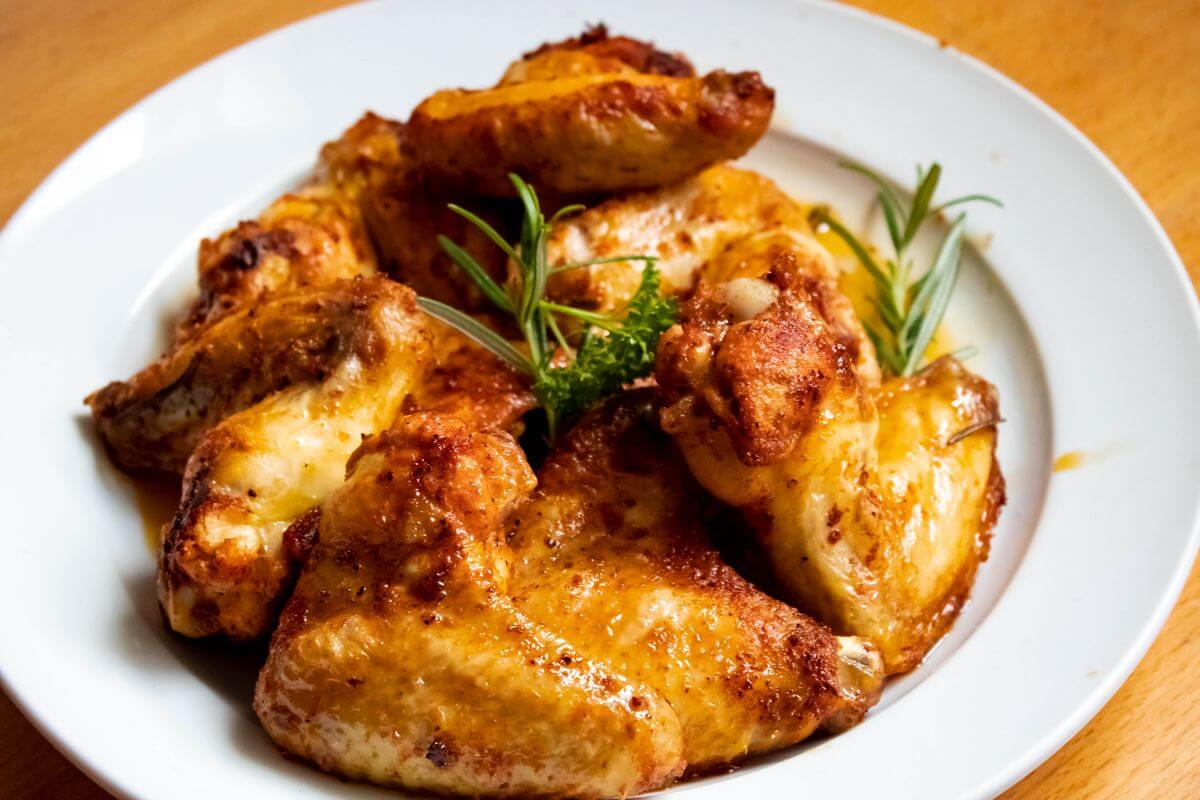
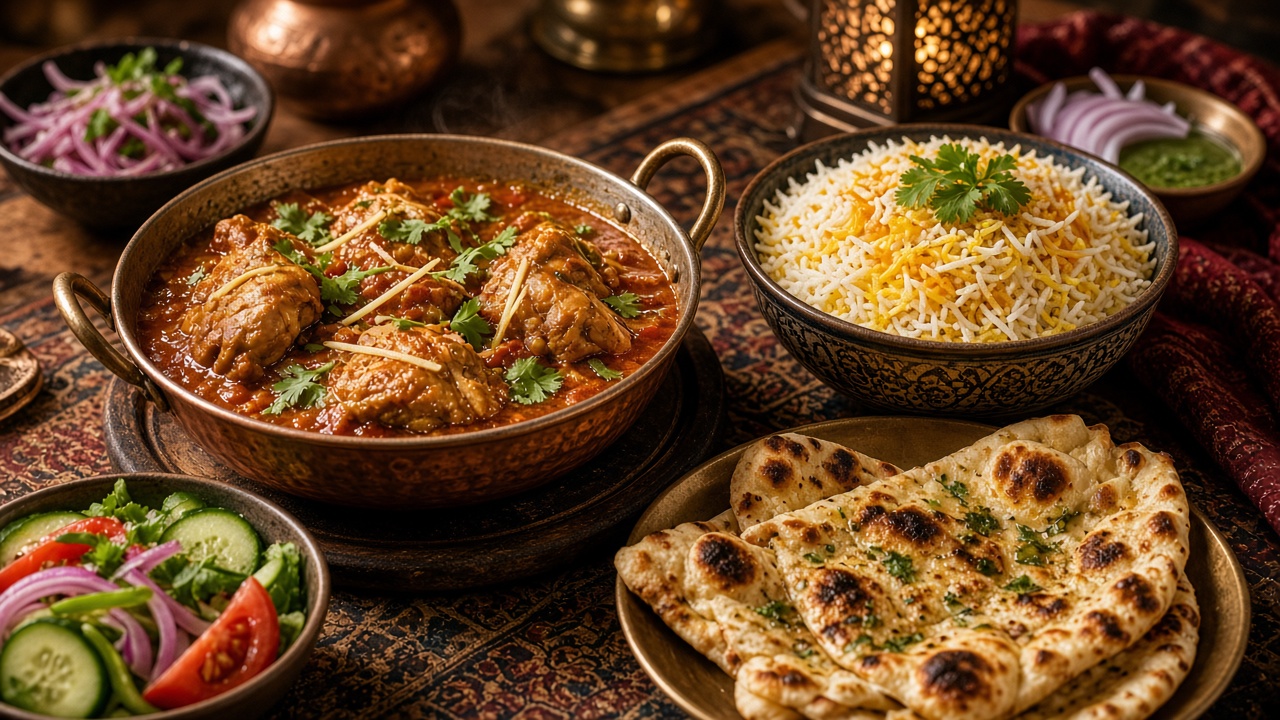
Commercial street stalls in Lahore and Karachi often float chicken in half a cup of cooking oil per serving to emulsify the gravy. At home, you can achieve an identical glossy, rich gravy using the natural pectin of fresh ripe tomatoes and the gelatin released from bone-in chicken thighs. In a wide wok or heavy stainless steel skillet, heat 2 tablespoons of ghee or avocado oil. Sear 1.5 lb (700g) of bone-in chicken pieces over high heat for 6 minutes until lightly browned. Stir in 1 tablespoon of freshly crushed ginger-garlic paste and cook for 60 seconds. Add 4 whole ripe Roma tomatoes, halved lengthwise, directly over the meat. Cover the pan and let the steam loosen the tomato skins for 5 minutes. Using tongs, peel away and discard the skins. Turn heat to high and vigorously crush the tomatoes with your wooden spoon. Add coarse sea salt, 1 tablespoon of coarse-crushed coriander seeds, 1 teaspoon of cumin powder, and 1/2 teaspoon of red chili flakes. Cook uncovered over high heat, stirring constantly, until the tomato moisture reduces into a thick, clinging masala and the oil naturally separates at the pan perimeter. Finish with a shower of matchstick-julienned ginger, fresh cilantro, and sliced serrano chilies. Savor the authentic depth of our chicken karahi served with warm whole-wheat roti or basmati rice. Nutrition: 65% less fat than takeaway karahi; zero refined seed oil.
2. The Clean Gourmet Smash Burger with Crispy Oven Wedges
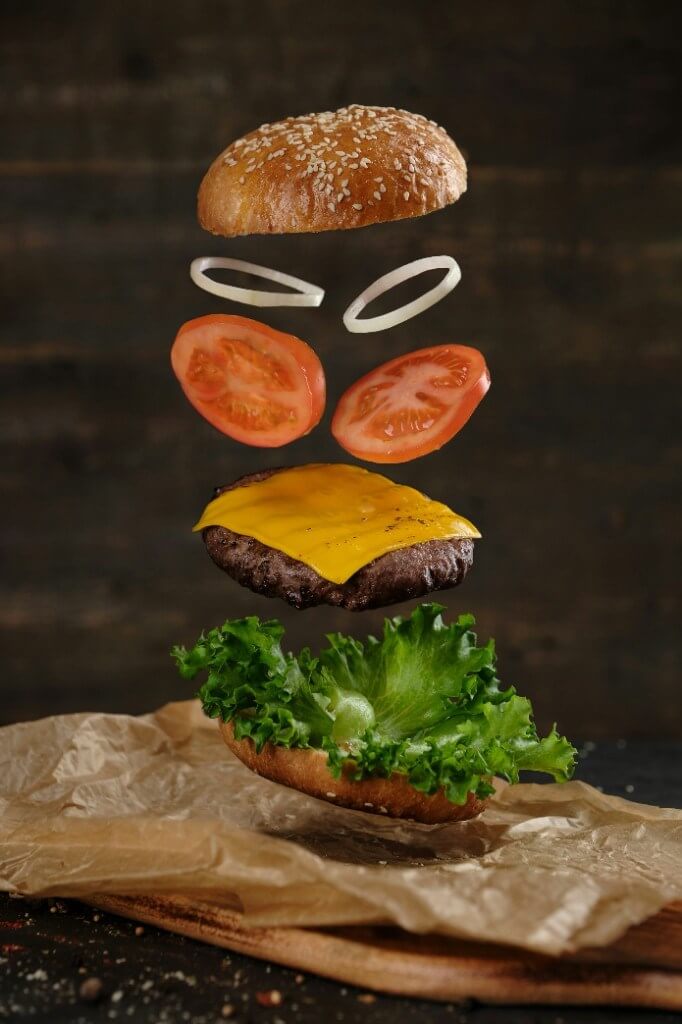
Fast-food drive-thru burgers rely on fatty, mystery-grade beef patties cooked on greasy flattops and smothered in sugary corn-syrup sauces. A clean homemade smash burger beats the drive-thru on both flavor and nutrition. Divide 1 lb (450g) of 90/10 lean grass-fed ground beef or ground chicken thigh into four loose 4-oz balls. Do not overwork the meat. Heat a dry, heavy cast-iron skillet until smoking hot. Place two beef balls onto the dry pan, place a square of parchment paper over each, and press down with maximum force using a heavy metal spatula or burger press for 10 seconds to create ultra-thin patties with ragged, lacy edges. Season the exposed top generously with coarse sea salt and cracked black pepper. Cook undisturbed for 2 minutes until the edges are deeply charred and crispy. Flip, lay a slice of sharp real cheddar cheese on each, and cook for 1 minute more. Serve on toasted whole-wheat brioche buns with crisp romaine lettuce, ripe tomato slices, and homemade High-Protein Burger Sauce (whisk 1/2 cup of plain 0% Greek yogurt with 1 tablespoon of Dijon mustard, 1 tablespoon of tomato paste, 1 tablespoon of finely minced dill pickles, and 1/2 teaspoon of smoked paprika). Pair with our foolproof classic cheeseburger or the crunchy crispy chicken burger framework. Serve alongside russet potato wedges tossed in 1 teaspoon of olive oil and smoked paprika, roasted at 425°F (220°C) until shatteringly crisp.
3. The 15-Minute Wok-Fired Beef and Broccoli Chow Mein
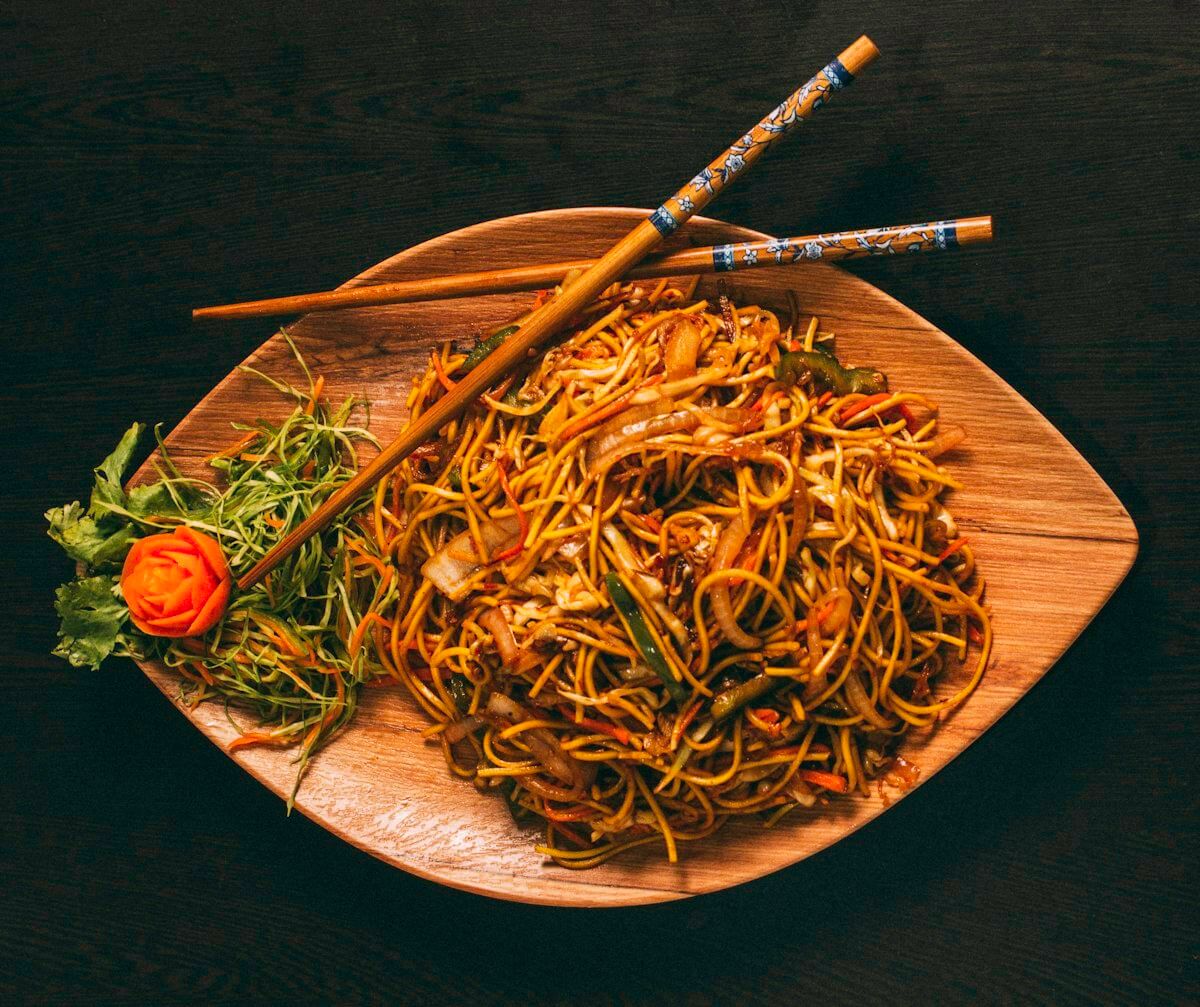
Chinese takeout noodles are notorious for arriving swimming in a pool of greasy, sodium-heavy brown gravy. Cooking stir-fry at home requires mastering velveting: the restaurant secret that keeps meat astonishingly tender. Thinly slice 12 oz of flank steak or chicken breast against the grain into 1/8-inch strips. Toss with 1 teaspoon of soy sauce, 1 teaspoon of cornstarch, and 1/2 teaspoon of baking soda. Let rest for 10 minutes while you prep vegetables. In a small bowl, whisk your clean master sauce: 2 tablespoons of low-sodium tamari or soy sauce, 1 tablespoon of vegetarian oyster sauce, 1 teaspoon of rice vinegar, 1/2 teaspoon of toasted sesame oil, and 2 tablespoons of water. Heat 1 tablespoon of avocado oil in a wok until lightly smoking. Add the meat in a single layer and sear for 90 seconds without moving; flip and cook 1 minute more, then remove to a plate. Toss in 3 cups of fresh broccoli florets, sliced carrots, and 2 cloves of minced garlic with 2 tablespoons of water; cover for 2 minutes to let steam tenderize the broccoli. Uncover, return the meat to the wok, add boiled whole-grain egg noodles or cooked rice, and pour in the sauce. Toss vigorously over maximum heat for 60 seconds until the sauce reduces into a glossy, savory glaze that coats every strand. Draw inspiration from our beef and broccoli stir-fry, vegetable chow mein, and chicken fried rice.
The Ultimate Takeout vs. Fakeaway Nutritional & Cost Matrix
Comparing commercial delivery orders to their home-cooked fakeaway equivalents across nutritional quality and family budget:
| Order Category | Commercial Takeout (Avg per Serving) | Homemade Clean Fakeaway (per Serving) | Health & Financial Savings |
|---|---|---|---|
| Chicken Karahi + Naan | 980 kcal | 58g Fat | 2,400mg Sodium | £14.50 | 460 kcal | 16g Fat | 520mg Sodium | £3.80 | -520 kcal, -72% fat, saves £10.70 per portion. |
| Double Bacon Cheeseburger + Fries | 1,240 kcal | 68g Fat | 1,950mg Sodium | £13.00 | 520 kcal | 18g Fat | 480mg Sodium | £3.20 | -720 kcal, -73% fat, saves £9.80 per portion. |
| Beef Chow Mein / Stir-Fry | 890 kcal | 42g Fat | 2,800mg Sodium | £12.50 | 410 kcal | 12g Fat | 610mg Sodium | £2.90 | -480 kcal, -71% fat, saves £9.60 per portion. |
5 Costly Fakeaway Mistakes That Ruin Home Cooking
Avoid these five common kitchen blunders to ensure your homemade fakeaways beat the local takeaway every time:
- Overcrowding the Wok or Pan: When you dump 2 pounds of cold meat and wet vegetables into a small skillet at the same time, the pan temperature plunges. Instead of searing at 350°F and developing rich Maillard browning, your ingredients steam in their own juices, producing gray, spongy meat and soggy vegetables. Always cook in small, staggered batches over high heat.
- Smashing Burgers After the Initial Sear: Inexperienced cooks frequently smash burger patties continuously throughout the cooking process. Smashes must occur during the first 20 seconds when the meat is raw. Smashing a patty after 2 minutes fractures the coagulating protein fibers and expels all the delicious intramuscular juices into the pan, leaving you with dry, cardboard meat.
- Skipping the Tomato Reduction Stage in Curries: The difference between an amateur watery curry and a restaurant karahi is the bhunai (reduction) phase. You must allow the tomato gravy to simmer vigorously until the water evaporates completely, leaving a glossy, concentrated masala that clings tightly to the chicken pieces.
- Pouring Sweet Bottled Stir-Fry Sauces: Commercial bottled sweet-and-sour or teriyaki sauces are 60% high-fructose corn syrup and modified food starch. Whisk your own sauce in 30 seconds using low-sodium soy sauce, garlic, ginger, and a dash of honey. The flavor is ten times cleaner and brighter.
- Using Ice-Cold Meat Straight from the Refrigerator: Throwing ice-cold ground beef or chicken cutlets onto a searing hot pan instantly cools down the cooking surface and causes uneven cooking. Allow your proteins to rest on the cutting board for 10 to 15 minutes before hitting the hot pan.
Streamline Your Weekend Fakeaway Planning with Smart Tools
Eliminate weekend delivery temptation by setting up your fakeaway plan in advance with our free interactive suite:
- Schedule your Friday and Saturday fakeaways alongside your healthy weeknight dinners using our meal plan generator.
- Consolidate ground meats, fresh ginger, garlic, herbs, and aromatics into one aisle-by-aisle market checklist with the grocery list generator.
- Hosting friends for a weekend fakeaway burger night? Scale patty counts, buns, and toppings effortlessly with the servings scaler.
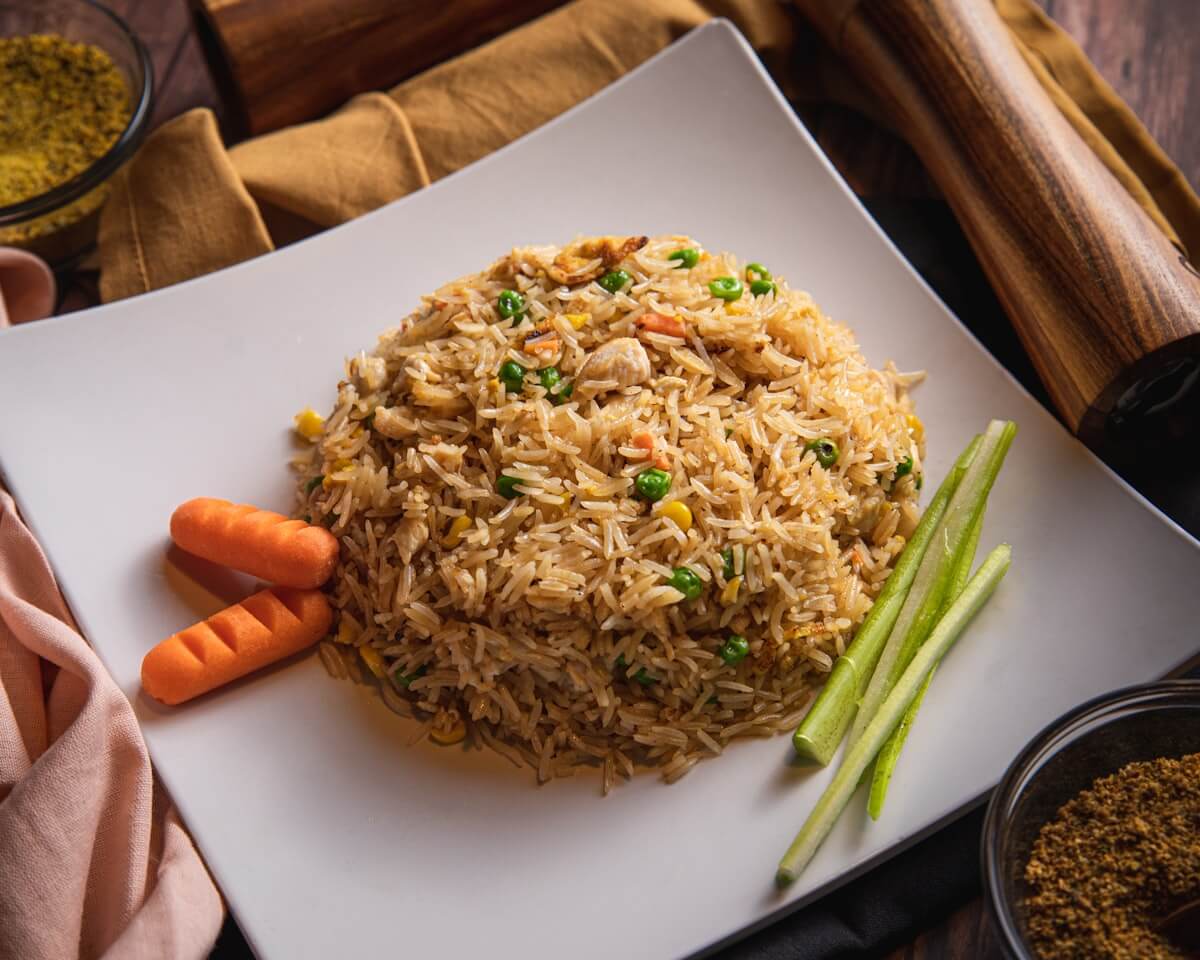
- Have extra produce or cooked rice from Thursday? Turn them into a 10-minute Friday fakeaway fried rice with the leftover finder.
Frequently Asked Questions
What is velveting, and does it really make home chicken taste like restaurant takeout?
Yes, velveting is the definitive secret of Chinese restaurant cooking. By marinating thinly sliced poultry or beef in a light slurry of egg white, cornstarch, rice wine, and a tiny pinch of baking soda (alkaline agent), you alter the surface pH of the meat. This prevents protein fibers from tightening and contracting when exposed to high stir-fry heat, resulting in extraordinarily silky, tender meat that never tastes dry or stringy.
How can I get authentic wok hei (breath of the wok) on a domestic electric stovetop?
While domestic residential burners cannot replicate the 100,000 BTU jet burners of commercial kitchens, you can achieve authentic wok hei through three home methods: first, use a heavy, seasoned carbon steel wok or cast-iron skillet that retains massive thermal mass. Second, cook proteins and vegetables in small half-cup batches rather than all at once. Third, use a culinary kitchen blowtorch held over the top of the food while tossing in the pan to impart that signature subtle charred, smoky aroma.
Are homemade fakeaways actually significantly cheaper than takeout?
Substantially cheaper. The average family of four spends between £40 and £60 on a weekend takeout order including delivery fees, tips, and service charges. A homemade chicken karahi or gourmet burger meal for four made with premium fresh groceries costs between £11 and £15 total—saving over £120 to £180 each month while delivering twice the protein and half the calories.
Can I meal-prep fakeaway dishes for weekday office lunches?
Yes. Chicken karahi and Chinese stir-fried noodles are exceptional for meal prepping because their rich savory sauces actually mature and develop deeper flavor overnight in the refrigerator. Store them in airtight glass containers for up to 4 days. Burgers, however, are best assembled fresh—you can pre-cook patties and reheat them quickly in an air fryer or toaster oven before assembling onto fresh buns.