Recipe Planning
Travel is supposed to be an exhilarating adventure that broadens your horizons, connects you with loved ones, or advances your professional career. Yet, for anyone who cares about their nutrition, physical energy, and digestive health, traveling often feels like an exhausting nutritional minefield. Between sprinting through airport terminals flanked by neon-lit fast-food franchises, paying $22 for a stale, rubbery terminal sandwich, enduring erratic flight schedules, and sitting through marathon business dinners, your carefully cultivated healthy habits can disintegrate within 48 hours. You arrive at your destination feeling bloated, dehydrated, constipated, and physically drained.
However, maintaining healthy nutrition on the road does not mean packing an entire cooler of frozen meals in your luggage or obsessively avoiding local culinary culture. In professional travel management and performance nutrition, successful road eating is governed by the Tri-Phase Travel Nutrition Architecture. By mastering the logistics of TSA-compliant transit fueling, executing a rapid 20-minute grocery run immediately upon arrival, and adopting the flexible 80/20 dining framework, you can protect your digestive comfort, save hundreds of dollars in food expenses, and arrive at your destination with peak vitality. This comprehensive guide provides an actionable 7-day travel meal schedule, airport survival strategies, hotel room cooking hacks, and international food-safety protocols.
Travel Health & Safety Note: This guide provides general lifestyle and culinary travel planning advice, not clinical medical guidance. Food and water safety risks vary substantially by global destination. If traveling internationally to areas with compromised water infrastructure, adhere strictly to CDC travel medicine guidelines regarding untreated water, raw street foods, and unpeeled produce. If you have severe food allergies, carry medical allergy translation cards and dual auto-injectable epinephrine at all times.
The tri-phase travel nutrition architecture
To eliminate stress and stay energized across time zones, organize your travel eating into Three Distinct Phases:
- Phase 1: Transit Day Logistics & TSA Security Mastery: The transit day is where most travelers fail. Airport food courts are engineered around hyper-palatable, refined-carbohydrate comfort foods that induce reactive hypoglycemia and digestive distension in pressurized airplane cabins. Master TSA screening regulations: solid foods (sandwiches, wraps, whole fruits, raw nuts, solid protein bars, and dry oats) pass through airport security without restriction. Any semi-solid or spreadable food (peanut butter, hummus, yogurt, salad dressings, and smoothies) is categorized as a liquid/gel and restricted to containers under 3.4 ounces (100ml). Carry an empty double-walled stainless-steel water bottle through security, filling it at a filtered water fountain before boarding to stay ahead of cabin dehydration.
- Phase 2: The Day-One 20-Minute Grocery Run: The single most impactful habit of frequent travelers is executing a rapid 20-minute grocery stop immediately upon checking into accommodation. Locate a nearby supermarket and purchase foundational basics for breakfasts and snacks: fresh fruit (bananas, apples, clementines), rolled oats, Greek yogurt, raw tree nuts, artisan whole-grain bread, and bottled spring water. Having breakfast and snacks secured in your hotel room eliminates morning stress, prevents $35 hotel breakfast buffet charges, and ensures your day starts with high-density nutrition.
- Phase 3: The 80/20 Cultural Dining Balance: Traveling should be a celebration of local gastronomy—whether savoring authentic handmade pasta in Rome, street tacos in Oaxaca, or fresh seafood in Lisbon. Do not attempt to follow a rigid, joyless diet on vacation. Apply the 80/20 Framework: anchor 80% of your daily nutrition (breakfast, morning snacks, and light lunches) to clean, whole-food foundations prepared at your accommodation, leaving the remaining 20% completely open for dinner to enjoy local restaurants, authentic desserts, and culinary exploration without guilt.
The 7-day travel meal plan
This master schedule demonstrates how to navigate transit days, hotel room breakfasts, portable day-trip lunches, and vibrant evening restaurant dining seamlessly.
| Day | Breakfast (Hotel / Room Base) | Lunch (Portable Day-Trip Plate) | Dinner (Local Dining or Light Assembly) | Travel Logistics & Kitchen Hack |
|---|---|---|---|---|
| Monday (Transit Day) | Home-prepared overnight oats with berries, chia seeds, and raw pumpkin seeds before heading to the airport | TSA-cleared hummus veggie wrap in a whole-grain tortilla with sliced cucumbers, peppers, and spinach | Arrival dinner: Local neighborhood bistro or supermarket rotisserie chicken with a fresh garden salad | Pack the wrap in dry parchment paper; avoid wet dressings so the tortilla passes TSA X-ray screening cleanly. |
| Tuesday (Day-One Explore) | Hotel room Greek yogurt bowl with sliced bananas, raw honey, and homemade trail mix | Supermarket deli plate: pre-washed salad greens, can of wild flaked tuna, cherry tomatoes, and whole-wheat pita | Authentic regional dinner: Grilled local fresh fish with roasted seasonal vegetables and potatoes | Request a mini-fridge in your hotel room at check-in (hotels frequently provide mini-fridges free of charge for dietary needs). |
| Wednesday (Excursion Day) | Quick hot oatmeal: rolled oats reconstituted with hot water from the hotel coffee maker, stirred with nut butter | Portable artisan caprese salad sandwich with sliced fresh mozzarella, tomatoes, fresh basil, and olive oil on a crusty roll | Local trattoria or family-owned restaurant: Fresh pasta with slow-simmered marinara and a side of bitter greens | The in-room coffee machine's hot water cycle is ideal for instantly cooking rolled oats or instant whole-grain porridge. |
| Thursday (Work / Meetings) | Creamy Greek yogurt parfait layered with fresh berries, pumpkin seeds, and a sprinkle of cinnamon | Chilled grain bowl from a local healthy fast-casual market (quinoa, roasted vegetables, grilled chicken, and olive oil) | Business client dinner: Lean grilled steak or chicken with roasted asparagus and baby potatoes | Ask restaurants to serve salad dressings and sauces on the side to easily manage sodium and rich fats during business dinners. |
| Friday (Sightseeing Walk) | Sprouted toast with peanut butter and sliced banana, paired with an in-room espresso | Portable picnic lunch: Sliced turkey breast, artisan sheep cheese, seeded crackers, grapes, and cucumber rounds | Authentic cultural dinner: Tapas or small plates shared with travel companions, featuring garlic prawns and roasted peppers | Keep a travel spork and a collapsible silicone food container in your daypack for spontaneous outdoor park lunches. |
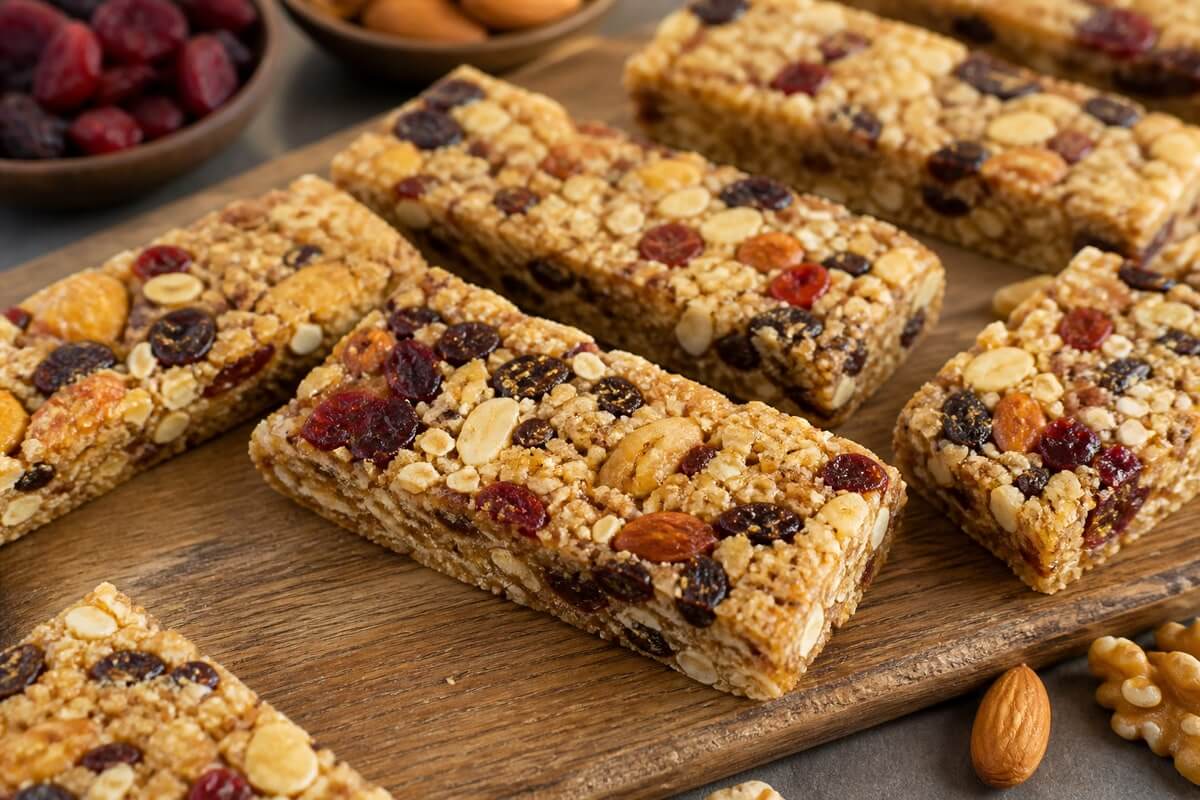
| Saturday (Adventure Day) | Hotel breakfast buffet: Focus on whole scrambled eggs, fresh citrus fruit, smoked salmon, and whole-grain toast | Energy snack pack: no-bake fruit and nut bars, clementines, and raw almonds during outdoor hiking | Casual local eatery: Wood-fired Neapolitan sourdough pizza topped with arugula and prosciutto with a side salad | Buffet rule: Fill your plate with whole protein (eggs, salmon) and fresh fruit first before looking at bakery pastries. |
| Sunday (Return Journey) | Rolled oats with dried cranberries, walnuts, and hot water in the hotel room before airport check-out | Airport terminal smart pick: Sushi hand rolls or a salad bowl with brown rice, edamame, and grilled salmon | Welcome home dinner: A comforting bowl of slow-simmered soup from your freezer or simple scrambled eggs on toast | Freeze a batch of soup at home before your trip; you will return to an effortless, warm dinner without ordering greasy delivery. |
Hotel room culinary hacks: cooking without a kitchen
Modern hotel rooms can easily function as functional mini-kitchens with a few creative, resourceful adaptations:
- The Coffee Maker Hot Water Kettle: Run two cycles of pure bottled water through the hotel room drip coffee maker (without a coffee pod) to produce piping-hot 190°F (88°C) water. Use this instant hot water to cook rolled oats, rehydrate whole-wheat couscous, or brew herbal digestive teas in a ceramic mug.
- The Iron Panini Press: Wrap a sandwich—such as sourdough with mozzarella, sliced tomato, and prosciutto—tightly in aluminum foil. Place the dry clothing iron on medium-high heat and press firmly on the foil packet for 3 minutes per side. You create an artisan toasted panini with melted cheese without leaving your room.
- The Bathroom Ice Bucket Refrigerator: If your room lacks a mini-fridge, fill the bathroom sink or an insulated ice bucket with fresh ice from the hallway ice machine. Submerge containers of Greek yogurt, milk, or fresh cheese to keep them safely chilled below 40°F (4°C) for up to 12 hours.
What fails: 5 common travel nutrition mistakes
- Purchasing liquid or gel foods for airport security: Attempting to bring jars of peanut butter, containers of yogurt, or tubs of hummus through TSA screening results in immediate confiscation at the security checkpoint. Keep all spreadable items under 3.4 oz or purchase them post-security.
- Abandoning hydration during long flights: Aircraft cabin humidity typically hovers between 10% and 20%—drier than the Sahara Desert. Dehydration exacerbates jet lag, triggers constipation, and promotes sluggish venous circulation. Drink 8 ounces of water for every hour spent in the air, avoiding alcohol and excess coffee aloft.
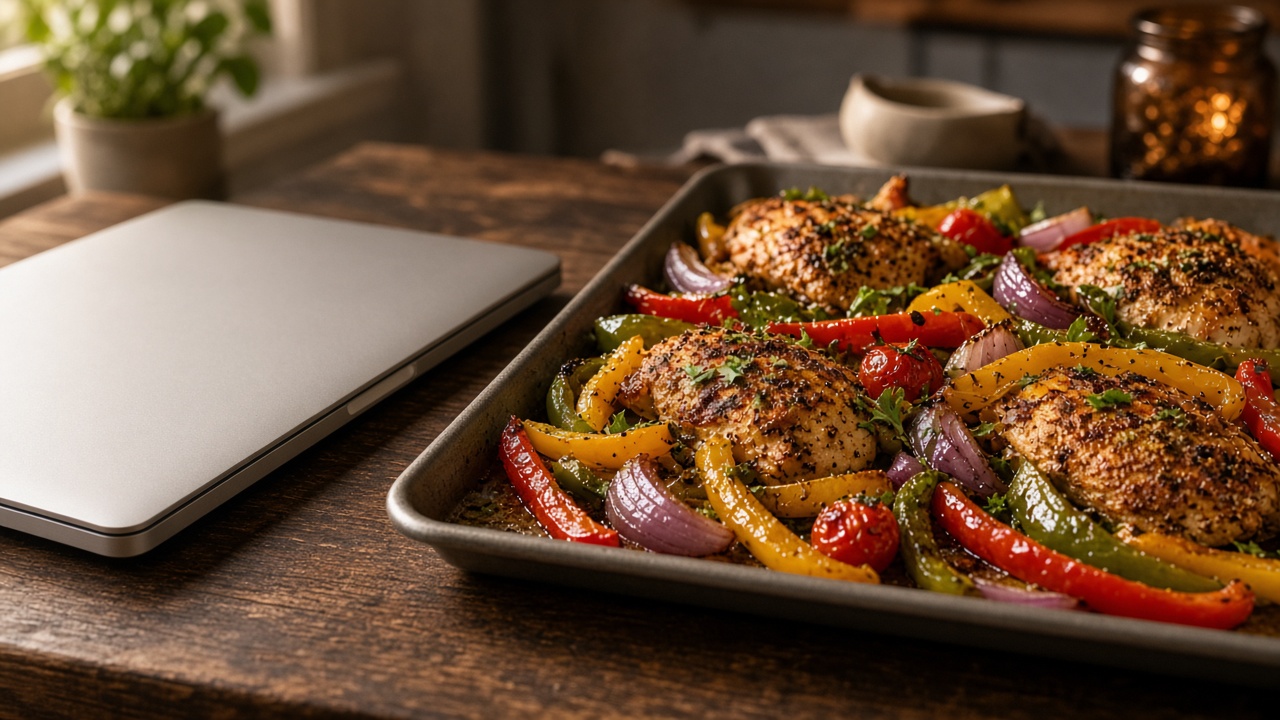
- Attempting to cook elaborate meals in ill-equipped rental kitchens: Vacation rentals often feature dull knives that cannot slice a tomato, scratched non-stick pans, and missing basic spices. Keep rental cooking dead simple: sheet-pan bakes, simple skillet eggs, and raw assembled salads.
- Adopting an "all-or-nothing" holiday binge mentality: Believing that because you are on vacation, you must eat pastries for breakfast, burgers for lunch, and ice cream for dinner every day leaves you exhausted and sick by day four. Fuel your mornings and afternoons with clean nutrients so you have the vitality to savor memorable dinners.
- Ignoring local water safety guidelines overseas: Consuming tap water, ice cubes made from tap water, or raw salads washed in tap water in developing destinations can induce debilitating traveler's diarrhea from bacterial pathogens (enterotoxigenic E. coli). When traveling in high-risk regions, drink only sealed bottled spring water and eat freshly cooked, piping-hot foods.
Frequently asked questions
What are the best high-protein snacks to pack in a carry-on bag?
The premier TSA-friendly travel snacks include raw unsalted almonds and walnuts, high-protein roasted chickpeas or edamame, grass-fed beef or turkey jerky (with zero added sugar), clean whey or plant protein powder portioned in dry shaker bottles (simply add water past security), and hard cheeses (like aged Parmesan crisps). These snacks are shelf-stable, smell-free, compact, and deliver sustained satiety during long flight delays.
How do I manage food allergies when traveling internationally?
Never rely on verbal communication in countries where you do not speak the local language fluently. Carry professionally translated dietary allergy cards printed in the local language explaining your exact allergy (e.g., celiac gluten, severe peanut allergy) and stating that cross-contamination on cookware can be life-threatening. Show the card directly to the executive chef or restaurant manager before ordering.
How can I prevent traveler's constipation on long journeys?
Travel constipation is caused by a combination of circadian rhythm disruption, prolonged physical sitting, and severe cabin dehydration. Counteract this by drinking at least 2 to 3 liters of water daily, walking briskly through airport concourses during layovers to stimulate peristalsis, and eating high-fiber fruits (kiwi, apples, and berries) alongside magnesium-rich pumpkin seeds.
How do I plan a healthy grocery list for an upcoming trip?
Take the stress out of travel nutrition with our interactive planning tools. Generate a customized travel meal plan using our meal plan generator, build a rapid day-one hotel shopping checklist with our grocery list generator, and adapt recipe portions easily for family vacations with the servings scaler.