Recipe Planning
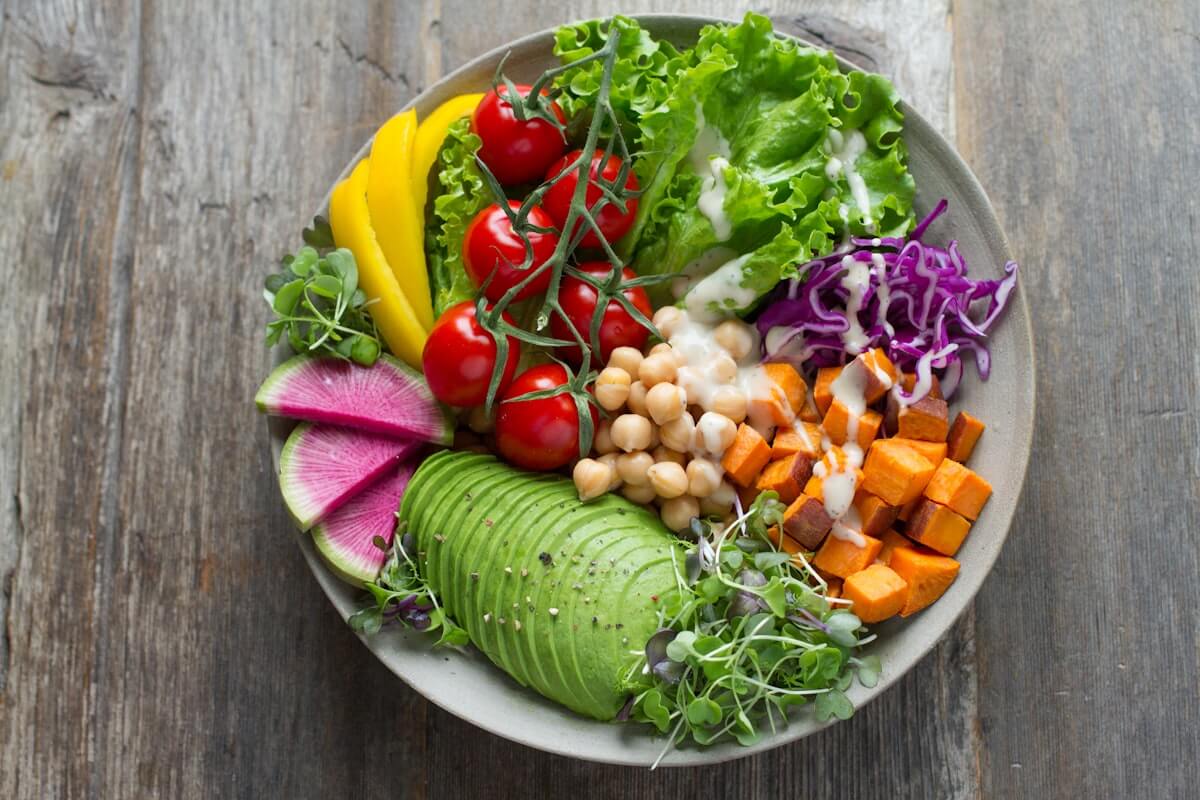
When most people contemplate a "no-cook meal plan," their mind immediately jumps to grim compromises: surviving on dry crackers, soggy pre-packaged sandwiches, handfuls of raw almonds, and baby carrots dipped in peanut butter. Or worse, spending an exorbitant fortune on daily takeout salads that leave you hungry two hours later. Yet, when executed with culinary intentionality, a no-cook eating plan is neither a deprivation diet nor a lazy concession. In professional catering and garde manger gastronomy, cold food preparation is an elevated art form that celebrates peak seasonal produce, artisan charcuterie, fermented staples, cold-pressed vinaigrettes, and vibrant, crisp textures that never touch a stove or oven burner.
Whether you are enduring a blistering mid-summer heatwave where turning on the oven turns your apartment into a sauna, living through a temporary kitchen renovation with no functioning stovetop, staying in an extended-stay hotel room with only a mini-fridge, or simply navigating deep professional exhaustion after a grueling 60-hour workweek, you do not need heat to eat deeply satisfying, nutrient-dense meals. By leveraging the Zero-Cook Assembly Matrix—pairing ready-to-eat clean protein foundations with parboiled whole grains, water-dense farm produce, and emulsified acid dressings—you can eat restaurant-caliber breakfasts, lunches, and dinners for seven consecutive days. This comprehensive guide provides a complete 7-day culinary schedule, an aisle-by-aisle shopping strategy, and non-negotiable food-safety protocols for cold kitchen preparation.
Food Safety & Health Note: This guide provides practical culinary planning advice, not individualized medical or clinical nutrition guidance. Preparing food without thermal heat requires strict attention to microbiological hygiene. Cold meals must be stored below 40°F (4°C) to prevent bacterial pathogen proliferation. Pregnant women, elderly individuals, and immunocompromised persons should exercise extreme caution with unheated deli meats, unpasteurized dairy, and cold-smoked seafood.
The zero-cook assembly matrix: the four pillars of stove-free cooking
Preparing high-protein, satisfying meals without thermal heat relies on mastering the Zero-Cook Assembly Matrix. Instead of cooking raw ingredients from scratch, you combine shelf-stable and chilled components across four functional categories:
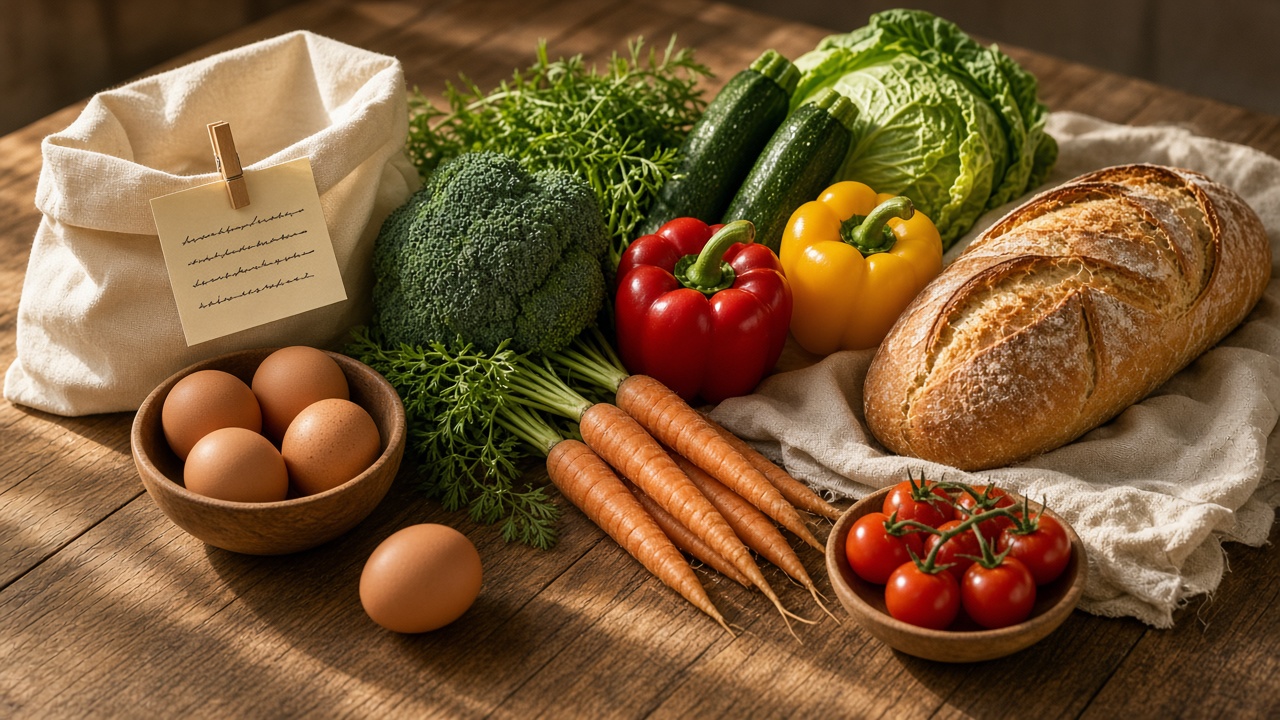
- Ready-to-Eat Protein Anchors (The Satiety Foundation): The most common failure of no-cook diets is an over-reliance on carbohydrates and fats with inadequate protein. Your weekly grocery haul must secure clean, diverse protein foundations that require zero heating: store-bought plain rotisserie chicken (shredded cold), canned wild-caught albacore tuna and wild pink salmon (packed in olive oil or spring water), canned rinsed beans (chickpeas, black beans, cannellini beans), high-protein Greek yogurt, cottage cheese, organic baked marinated tofu, and pasture-raised eggs (purchased pre-hard-boiled or boiled once during weekend prep). Aim for 25 to 35 grams of biological protein per main meal to sustain peptide YY (PYY) satiety signaling.
- No-Heat Starch and Fiber Platforms: You do not need to stand over a steaming pot of boiling water for 45 minutes to enjoy complex whole grains. Modern grocery stores stock certified pre-cooked whole-grain pouches (brown rice, quinoa, and farro) that are vacuum-sealed and fully cooked—simply slice open the pouch and fluff with a fork into cold salads. Alternatively, utilize quick-hydrating grains: whole-wheat couscous can be fully reconstituted in a bowl using water from an electric kettle in just 5 minutes without touching a stove. Whole-grain sourdough, artisan sprouted flatbreads, and high-fiber whole-wheat wraps complete the platform.
- High-Moisture, Textural Produce (The Crunch Factor): When meals are served chilled, sensory pleasure depends heavily on textural variety. If every component is soft and mushy, eating becomes monotonous. Stock your crisper drawer with high-crunch, water-dense produce: Persian cucumbers, crisp radishes, bell peppers, shaved fennel, celery, snap peas, shredded purple cabbage, and crisp romaine hearts. Balance these with creamy textures: ripe Hass avocados, heirloom cherry tomatoes, and fresh stone fruits or berries.
- Emulsified Cold Vinaigrettes and Flavor Enhancers: Cold temperatures naturally mute taste bud receptor sensitivity. Dishes served straight from the refrigerator require bolder, more acidic seasoning than piping-hot stews. Whisk together punchy vinaigrettes built on cold-pressed extra virgin olive oil, raw apple cider vinegar, fresh lemon and lime juice, Dijon mustard, minced shallots, capers, kalamata olives, and fresh soft herbs (dill, basil, mint, and cilantro).
The 7-day no-cook meal plan
This master schedule delivers complete, chef-inspired meals every day of the week with zero cooking required. Grains and proteins are assembled fresh or cross-utilized across days to keep morning and evening prep under 10 minutes.
| Day | Breakfast (Zero-Stove Launch) | Lunch (Chilled Portable Bowl) | Dinner (Artisan Cold Supper) | Culinary Prep & Assembly Strategy |
|---|---|---|---|---|
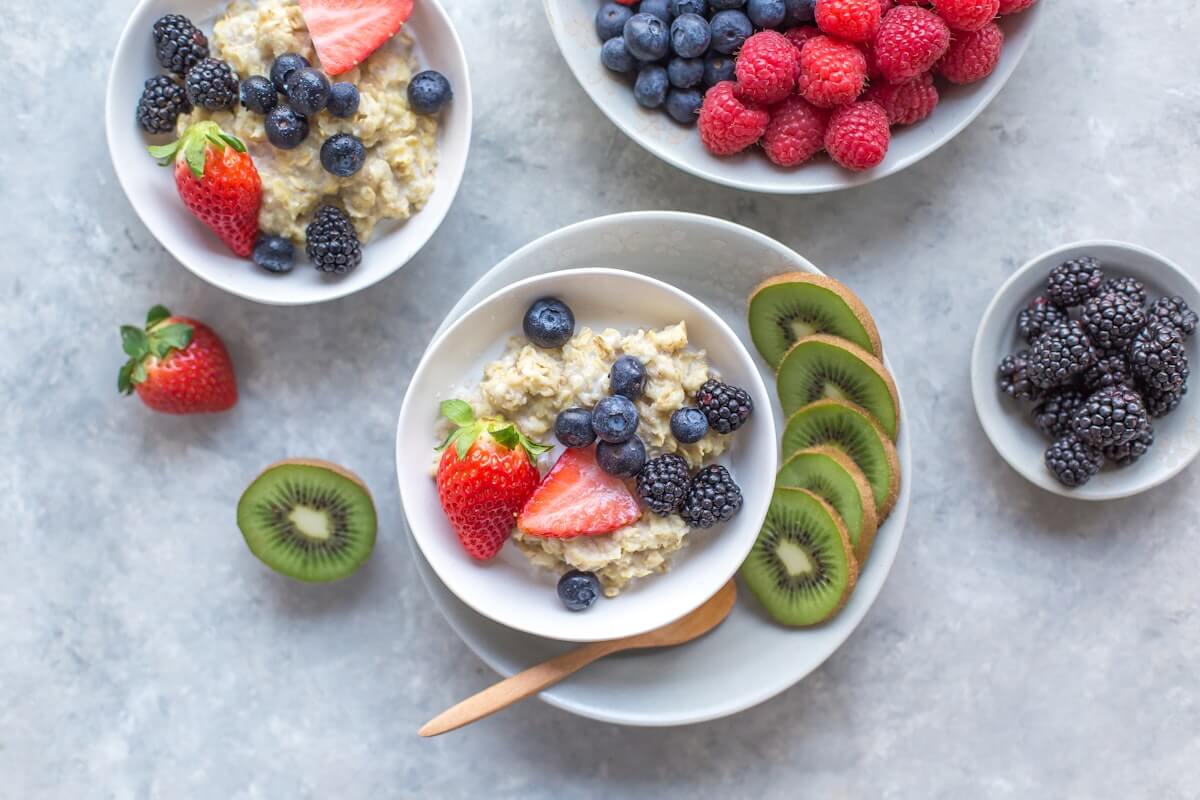
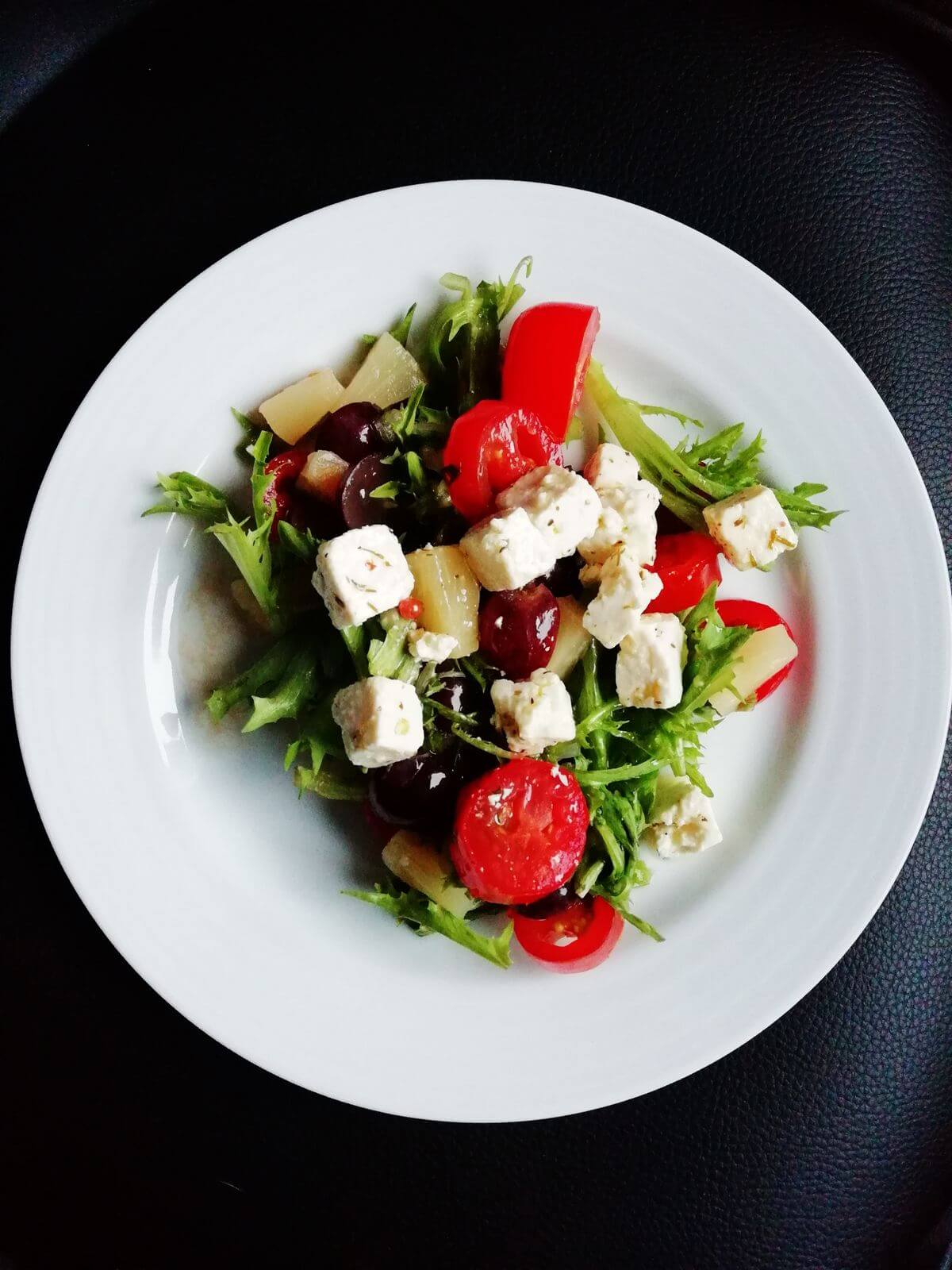
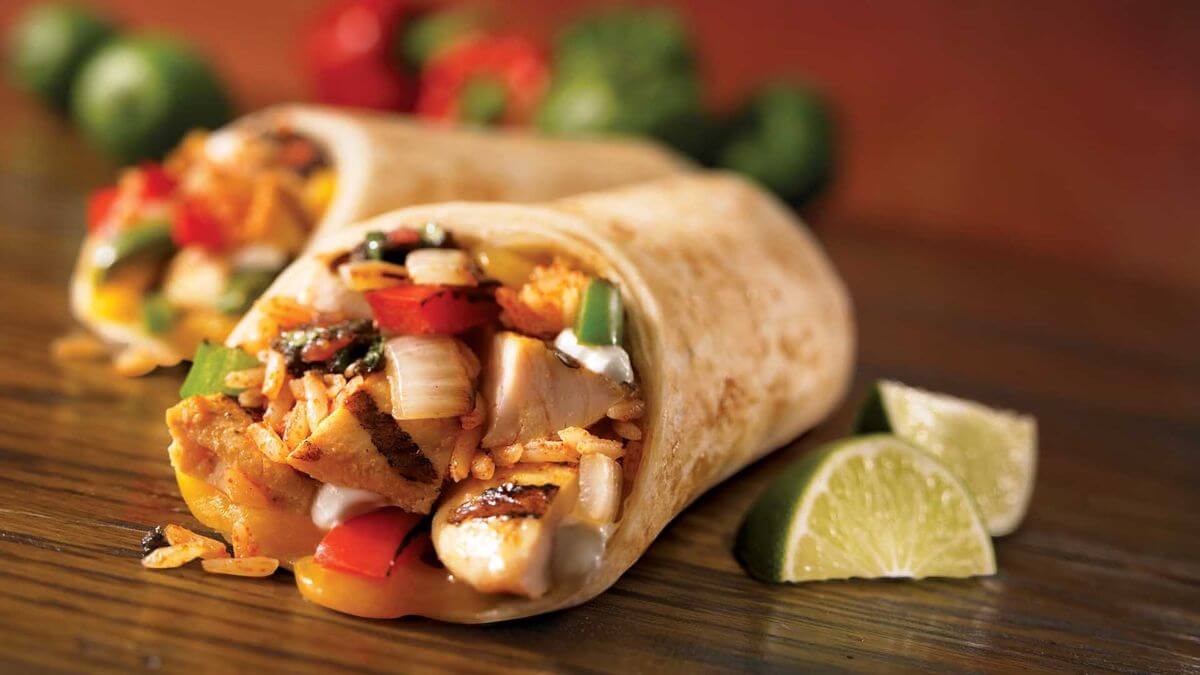
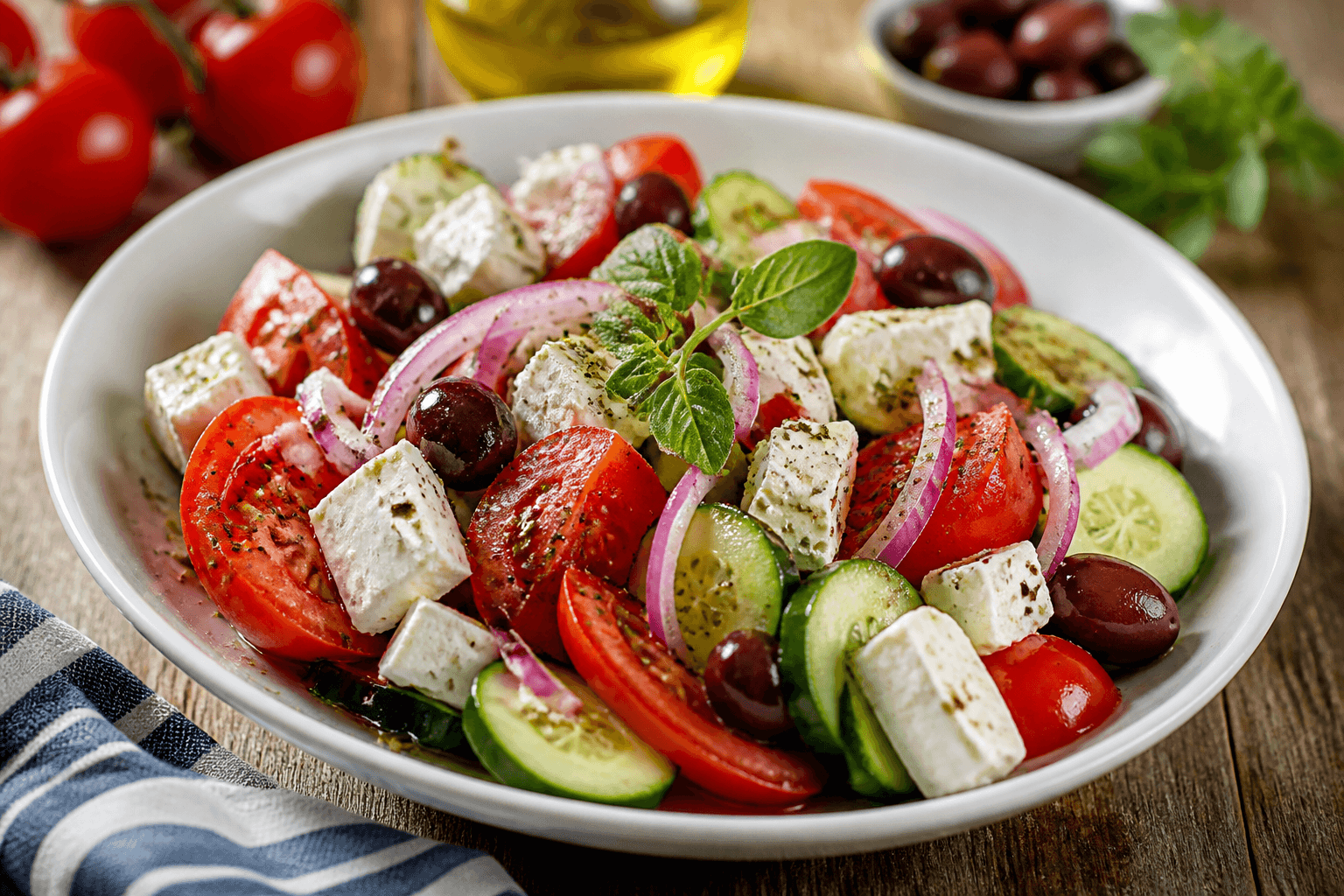
| Monday | Rolled overnight oats with berries soaked in almond milk with chia seeds, pumpkin seeds, and a dollop of Greek yogurt | Crisp hummus veggie wrap loaded with shredded carrots, cucumbers, bell peppers, baby spinach, and hemp hearts | Vibrant mediterranean quinoa salad assembled using a cold pre-cooked quinoa pouch, rinsed chickpeas, kalamata olives, and feta | Mix a 16-ounce mason jar of Greek lemon-oregano vinaigrette tonight; use this master dressing to season Monday, Wednesday, and Friday lunches. |
| Tuesday | Unsweetened Greek yogurt bowl layered with sliced fresh figs or berries, toasted walnuts, ground flaxseed, and raw honey | Leftover Mediterranean quinoa salad served over a crisp bed of baby arugula with flaked canned wild tuna | Artisan chicken Caesar wrap made with shredded cold rotisserie chicken, crisp romaine, shaved Parmesan, and Caesar dressing | Pull all meat from the rotisserie chicken while fresh; store shredded breast meat in glass containers to power wraps on Tuesday and Thursday. |
| Wednesday | Chia seed pudding soaked in unsweetened coconut milk with fresh raspberries, toasted coconut flakes, and sliced almonds | Chilled Tuscan white bean salad with canned cannellini beans, shaved red onion, cherry tomatoes, Italian parsley, and olive oil | Classic Italian caprese salad with thick-sliced heirloom tomatoes, fresh buffalo mozzarella, fresh basil, and balsamic glaze, with sourdough | Rinse canned beans under cold running water for 60 seconds in a mesh colander to eliminate canning brine and improve firmness. |
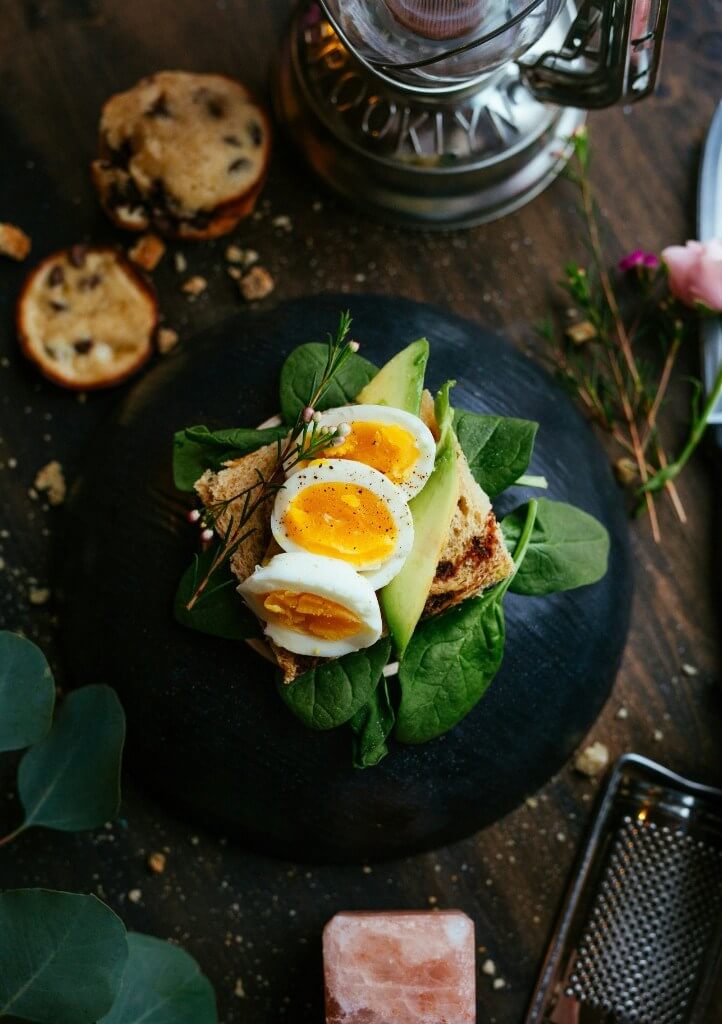
| Thursday | Sprouted whole-grain toast (or crackers) topped with mashed ripe avocado, everything bagel seasoning, and pre-boiled egg slices | Leftover shredded rotisserie chicken wrap in a spinach tortilla with sliced cucumber, tomato, and garlic-herb tzatziki | Creamy avocado egg salad mashed with Dijon mustard and chopped chives, scooped over crisp romaine boats with seeded crackers | Mash avocado with fresh lemon juice immediately upon opening; the ascorbic acid prevents enzymatic browning (polyphenol oxidase). |
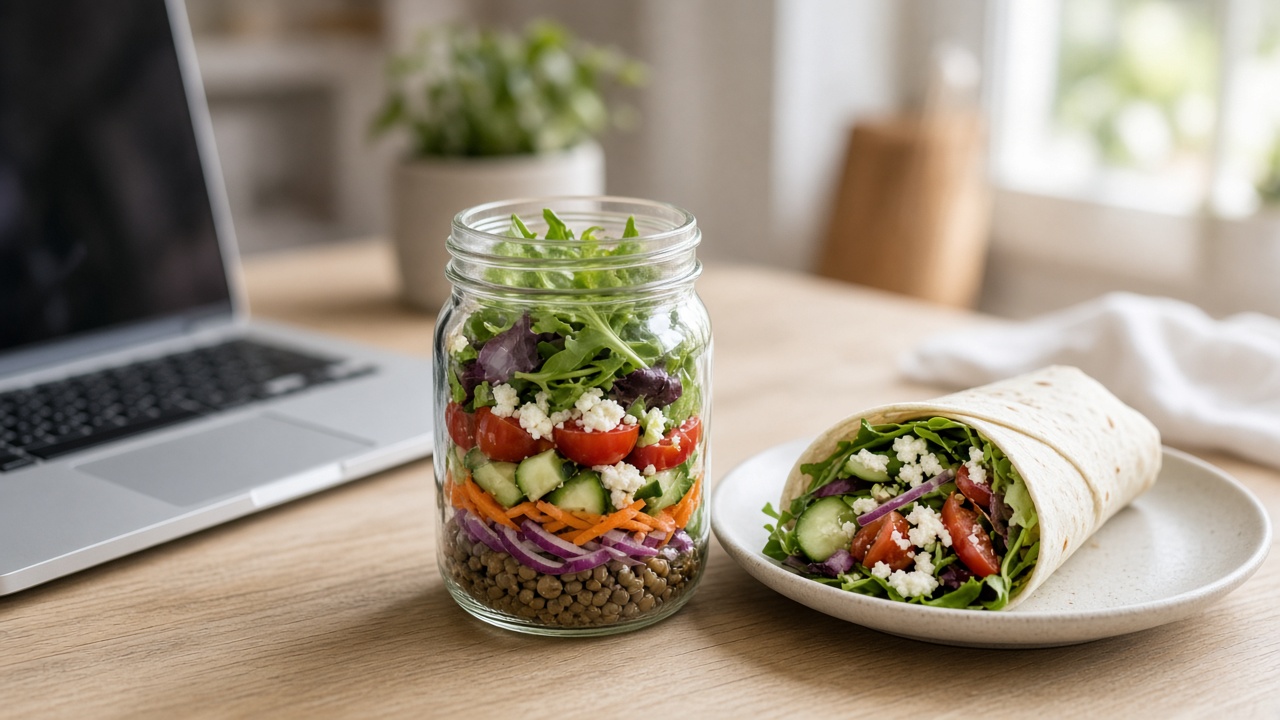
| Friday | Unsweetened kefir or Greek yogurt smoothie blended with frozen wild blueberries, baby spinach, almond butter, and chia seeds | Mason jar layered salad: lemon vinaigrette at the base, followed by chickpeas, diced peppers, cucumbers, and tender baby spinach on top | Artisan mezze platter: garlic hummus, stuffed grape leaves (dolmas), kalamata olives, marinated artichoke hearts, feta cubes, and whole-wheat pita | Friday dinner requires zero knife work: assemble high-quality Mediterranean delicatessen staples on a large wooden board for an effortless social dinner. |
| Saturday | Overnight oats soaked with unsweetened cocoa powder, mashed ripe banana, peanut butter, and sliced fresh strawberries | Cold-smoked wild salmon (or smoked trout) plate with cucumber ribbons, capers, fresh dill, lemon wedges, and artisan rye crispbread | Chilled Vietnamese-style salad: cold rice noodles (soaked in kettle water), baked marinated tofu cubes, shredded cabbage, carrots, mint, and peanut dressing | Rice vermicelli noodles soften completely in 6 minutes when submerged in hot kettle water; rinse in cold water and drain thoroughly. |
| Sunday | Cottage cheese breakfast bowl topped with diced juicy peaches or melon, toasted pumpkin seeds, and a sprinkle of cinnamon | Leftover chilled tofu noodle salad served with fresh lime wedges and crushed roasted peanuts | Assemble-your-own gourmet salad bar: mixed baby greens, canned sardines or flaked salmon, diced avocado, cherry tomatoes, and balsamic reduction | Conduct your 20-minute Sunday reset: assemble five jars of overnight oats for the coming week and wash/spin leafy greens so they stay crisp. |
The microbiology of cold meal prep: food safety in the "danger zone"
Because no-cook meals eliminate the sterilizing thermal heat of boiling, baking, and frying, you must strictly manage microbiological contamination and temperature control:
- The 40°F–140°F (4°C–60°C) Temperature Danger Zone: Foodborne bacterial pathogens—including Salmonella, Listeria monocytogenes, and Staphylococcus aureus—multiply exponentially between 40°F and 140°F. Perishable proteins (deli poultry, cooked eggs, dairy, and opened canned fish) must never sit at room temperature for more than two hours (or one hour if ambient temperatures exceed 90°F / 32°C).
- The Refrigerator Thermometer Rule: Do not rely on factory appliance dials. Place a standalone analog or digital appliance thermometer inside your refrigerator to verify that internal ambient temperatures remain constantly between 35°F and 38°F (1.6°C to 3.3°C).
- Produce Washing Hygiene: Pathogens on unpeeled produce can be transferred directly into the flesh when sliced with a knife. Always wash whole melons, cucumbers, tomatoes, and bell peppers under cold, vigorous running water before slicing, drying thoroughly with clean paper towels.
- Separate Dressings to Prevent Enzymatic Maceration: Salt and acid in vinaigrettes draw water out of vegetable cell vacuoles through osmosis, turning crisp produce soggy within hours. Always store dressings in a separate small container or jar, adding it immediately before eating.
What fails: 5 common mistakes that ruin no-cook weeks
- Relying on high-sodium, ultra-processed deli cold cuts: Surviving on commercial packaged turkey slices, salami, and baloney floods your cardiovascular system with excess sodium nitrates, preservatives, and water-retention binders. Instead, choose whole rotisserie chickens, canned wild seafood packed in olive oil, and organic marinated baked tofu.
- Dressing salads days in advance: Pouring vinaigrette over mixed greens on Sunday night ensures that by Tuesday lunch, your salad will be a limp, unappetizing brown sludge. Follow the Mason Jar Layering Rule: dressing goes at the very bottom, followed by dense non-absorbent vegetables (cucumbers, carrots, radishes), then grains/legumes, and delicate leafy greens safely perched at the very top.
- Leaving perishables in warm work bags or hot vehicles: Tossing a chicken wrap or egg salad container into a backpack without an ice pack allows the core temperature to climb into the bacterial danger zone within 90 minutes. Always pack cold lunches in an insulated cooler bag flanked by two frozen gel ice packs.
- Under-seasoning cold dishes: Cold temperatures numb sensory papillae on the tongue. If you season a chilled grain salad with the same modest amount of salt and acid used for a hot soup, it will taste flat and cardboard-like. Cold dishes require a 15% increase in fresh citrus juice, fragrant vinegars, coarse sea salt, and fresh herbs to achieve flavor balance.
- Ignoring healthy fats: Stripping all fat out of cold meals leaves you metabolically unsatisfied, triggering intense sugar cravings an hour later. Ensure every cold meal incorporates whole-food lipids: extra virgin olive oil, creamy avocado, toasted seeds, tree nuts, or full-fat feta cheese.
Frequently asked questions
How do I get 100+ grams of protein per day without cooking?
Achieving high daily protein on a no-cook plan is straightforward with strategic combinations: 1 cup of plain Greek yogurt at breakfast delivers 20g; a 5-ounce can of wild albacore tuna or salmon over lunch provides 32g; 1 cup of cottage cheese with pumpkin seeds for an afternoon snack delivers 28g; and 4 ounces of shredded rotisserie chicken breast in an evening wrap adds 35g. This effortlessly totals 115 grams of complete biological protein with zero stove time.
How long do pre-cooked rotisserie chickens safely keep in the refrigerator?
According to USDA food-safety guidelines, store-bought rotisserie chicken should be consumed within 3 to 4 days when kept continuously chilled below 40°F (4°C). To maximize quality and safety, carve and shred the entire chicken the day you purchase it, store the breast meat in airtight glass containers for early-week meals, and freeze remaining portions for later in the week.
Can I make couscous without turning on the stove?
Yes. Traditional Moroccan whole-wheat couscous has already been steamed and dried during commercial manufacturing. Simply place 1 cup of dry couscous in a heat-proof glass bowl, pour in 1 cup of boiling water from an electric kettle with a pinch of salt and a drizzle of olive oil, cover tightly with a plate or lid for 5 to 7 minutes, and fluff with a fork. It reconstitutes into light, fluffy grains without touching a stovetop burner.
How can I plan and organize a zero-stove weekly grocery haul?
Automate your no-cook menu and shopping logistics with our suite of interactive tools. Generate a complete 7-day no-cook meal schedule with our meal plan generator, convert your selected recipes into an organized shopping checklist with the grocery list generator, and discover creative cold meals for unused produce with our leftover finder.