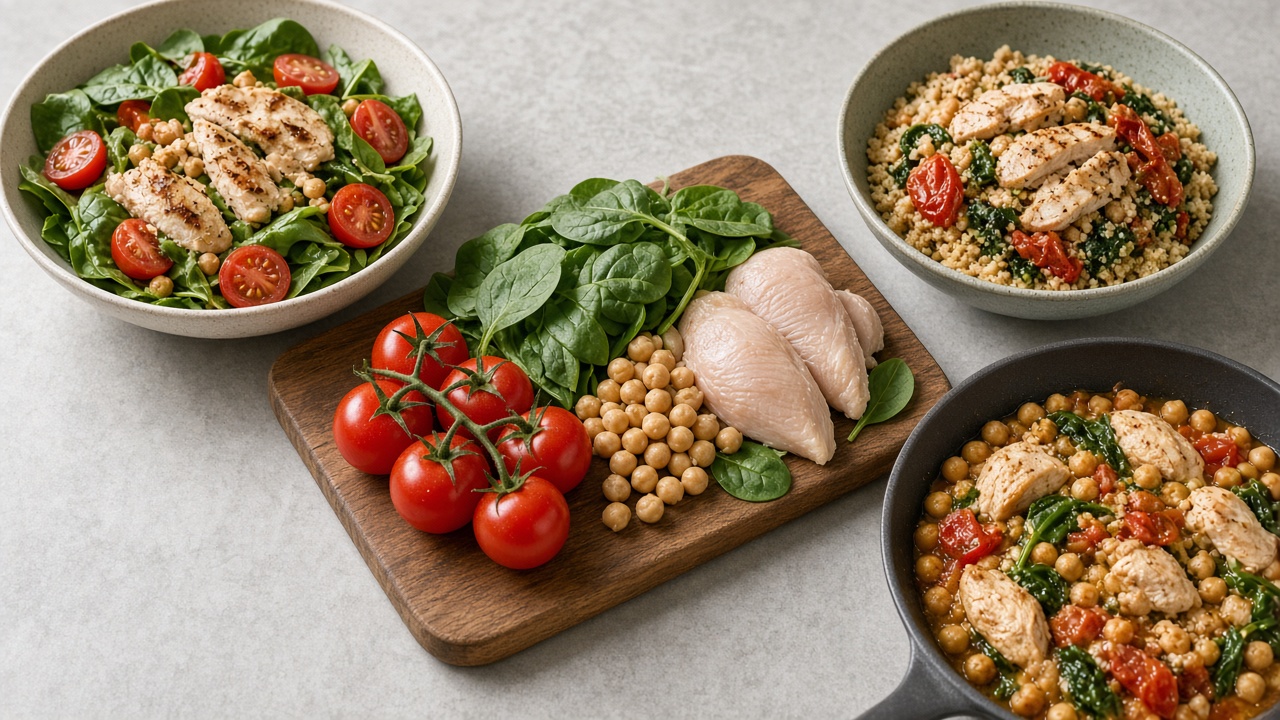
Recipe Planning
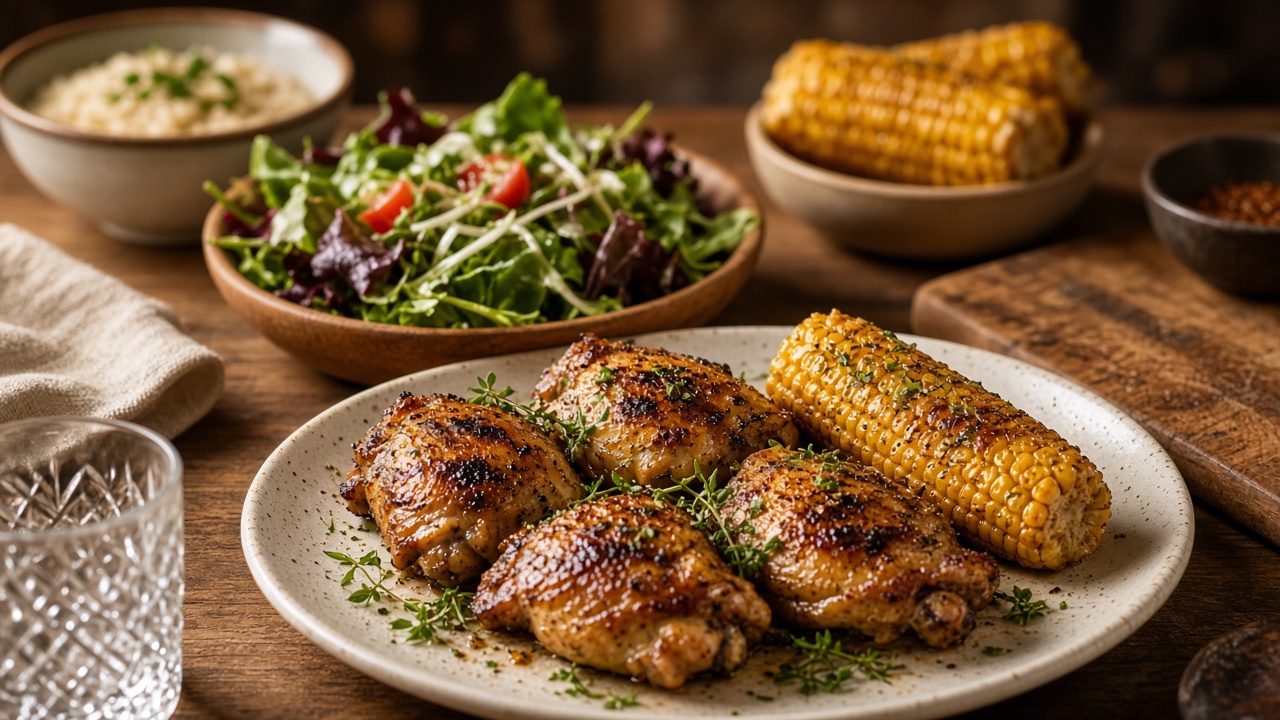
Shellfish allergies represent one of the most common and persistent adult-onset food allergies worldwide. Unlike childhood egg or milk allergies that are frequently outgrown, shellfish allergy is usually lifelong and carries a high risk of severe anaphylaxis. The culinary challenge of managing a shellfish-free household is compounded by the fact that shellfish derivatives are ubiquitous: oyster sauce in stir-fries, shrimp paste in Thai curries, clam juice in tomato cocktails, and anchovy-shellfish blends in Worcestershire sauces.
Fortunately, building a safe, flavorful, and deeply satisfying weekly meal plan does not require eliminating all seafood or living on bland boiled dinners. By understanding the biological distinction between crustaceans and mollusks, learning where stealth ingredients lurk, and adopting safe, certified umami alternatives, you can plan an entire month of gourmet meals with total peace of mind. Here is your operational framework for shellfish-free family dining.
Important Medical Notice: This article provides kitchen logistics and culinary guidance. If you or a family member has been diagnosed with a shellfish allergy, always follow the emergency action plan provided by your allergist and carry prescribed epinephrine auto-injectors at all times.
Crustaceans vs. mollusks: understanding the allergy
Under food labeling regulations and clinical immunology, "shellfish" is divided into two distinct biological groups:
- Crustaceans: Shrimp, prawns, crab, lobster, crawfish, and langoustines. The primary allergen responsible for immune reactions is tropomyosin, a muscle protein that is highly heat-stable and does not break down during cooking. Crustacean allergies trigger the majority of severe reactions.
- Mollusks: Clams, mussels, oysters, scallops, squid (calamari), octopus, and snails (escargot). While many people react to both crustaceans and mollusks due to cross-reactivity, some individuals are allergic to only one class. Your allergist will confirm whether both groups must be strictly avoided.
- Can you eat finned fish? Finned fish (salmon, cod, tuna, trout, halibut) are vertebrates and belong to a completely separate biological phylum. Most people with shellfish allergies can safely consume finned fish, provided there is zero cross-contact at the seafood processing plant or supermarket counter.
7-day shellfish-free high-flavor meal plan
This plan highlights safe vertebrate fish, tender poultry, lean beef, and protein-packed legumes. Portions can be modified with our servings scaler.
| Day | Breakfast | Lunch | Dinner | Shellfish-Safe Culinary Strategy |
|---|---|---|---|---|
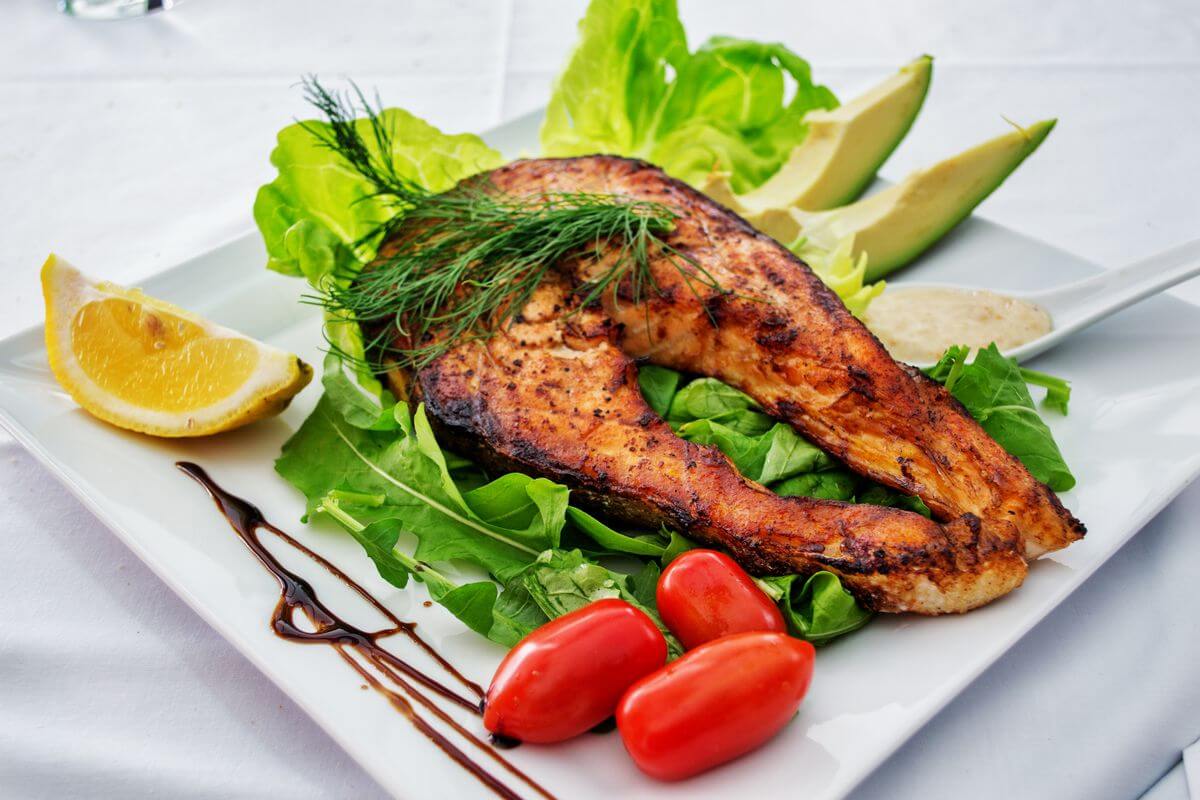
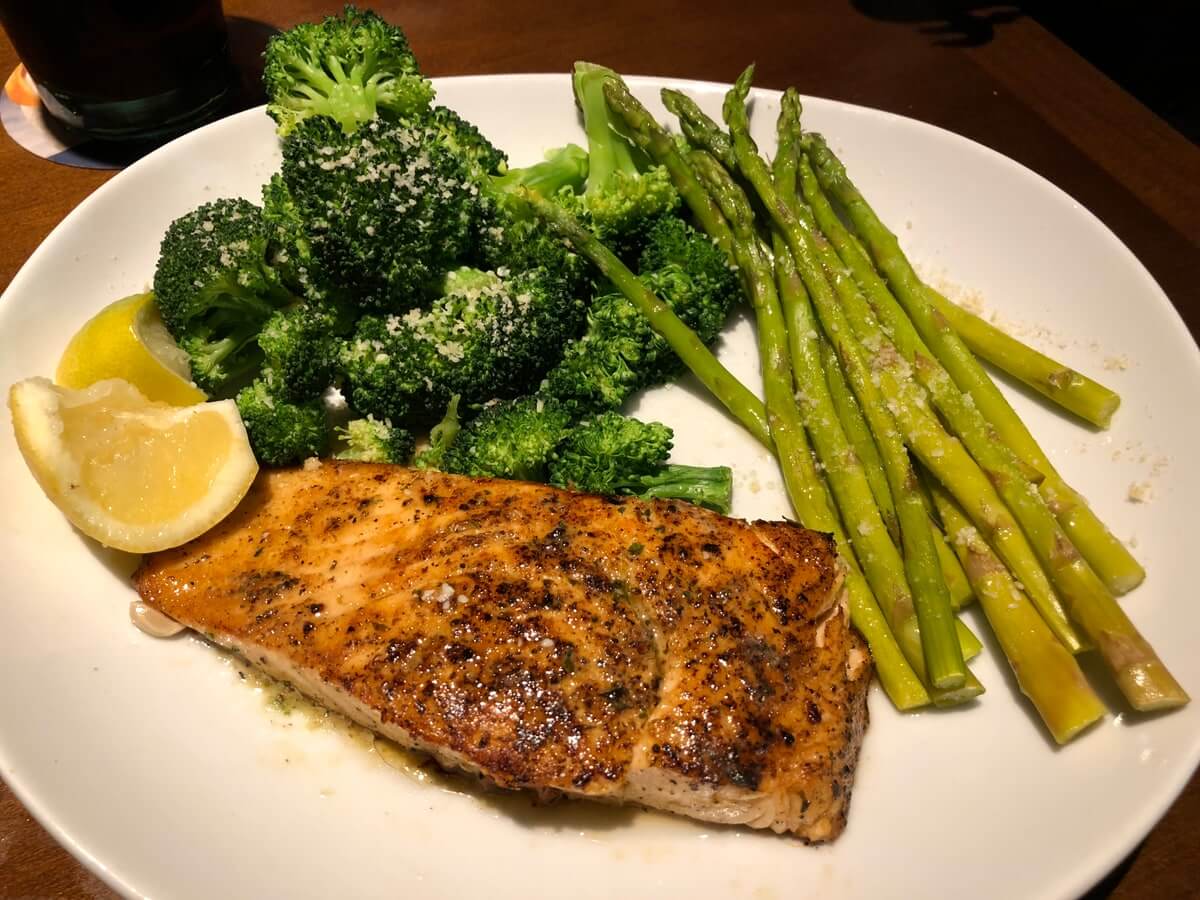
| Monday | Rolled oats with chia seeds, diced apples, cinnamon, and pure maple syrup | Mediterranean chickpea wrap with shredded lettuce and lemon tahini | Crispy skin herb-baked salmon with steamed broccoli and brown rice | Vertebrate fish is naturally safe; purchase pre-packaged vacuum-sealed salmon to avoid seafood counter cross-contact. |
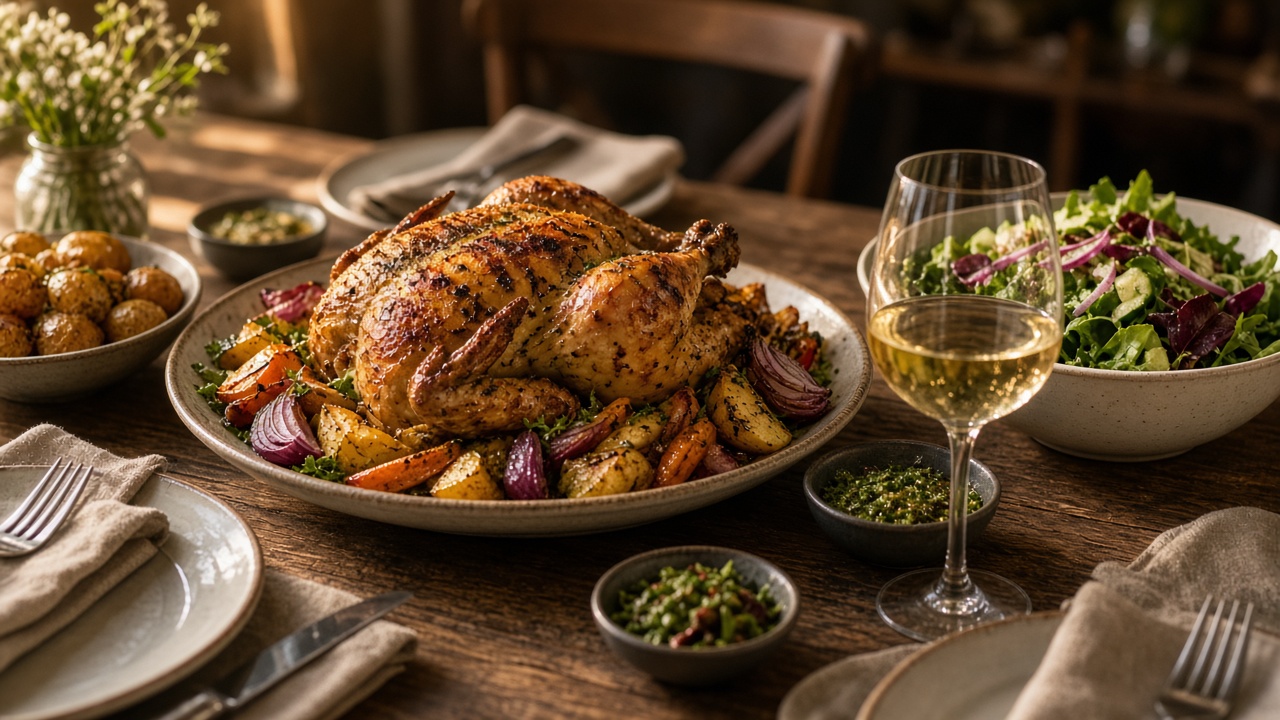
| Tuesday | Pasture-raised scrambled eggs with baby spinach and whole-grain toast | Flaked leftover herb-baked salmon tossed with romaine, cucumber, and olive oil vinaigrette | Pan-seared lemon herb chicken with roasted asparagus and sweet potato wedges | Classic poultry night; season with fresh rosemary, garlic, and freshly squeezed lemon juice. |
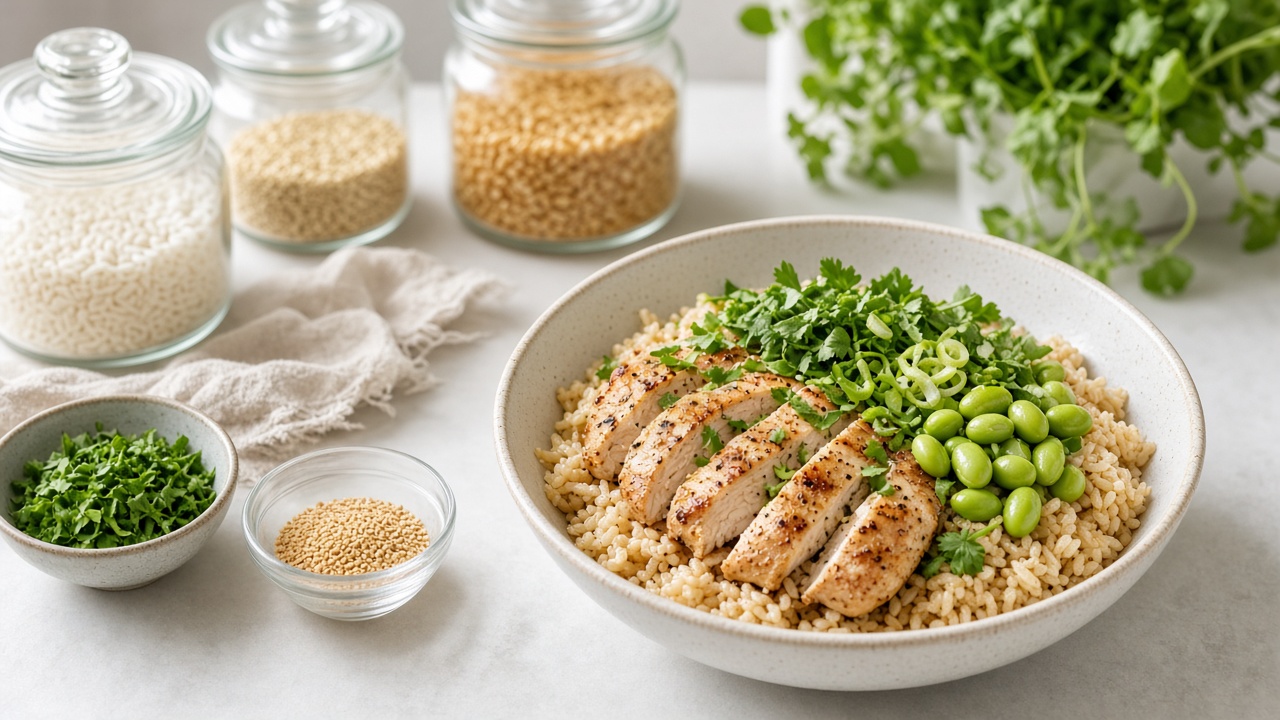
| Wednesday | Greek yogurt bowl with fresh berries, pumpkin seeds, and a drizzle of raw honey | Leftover lemon herb chicken wrap with crisp butter lettuce and sliced tomatoes | Savory beef and broccoli stir-fry over brown jasmine rice | Substitutes oyster sauce with certified shellfish-free mushroom vegetarian sauce or dark tamari with brown sugar. |
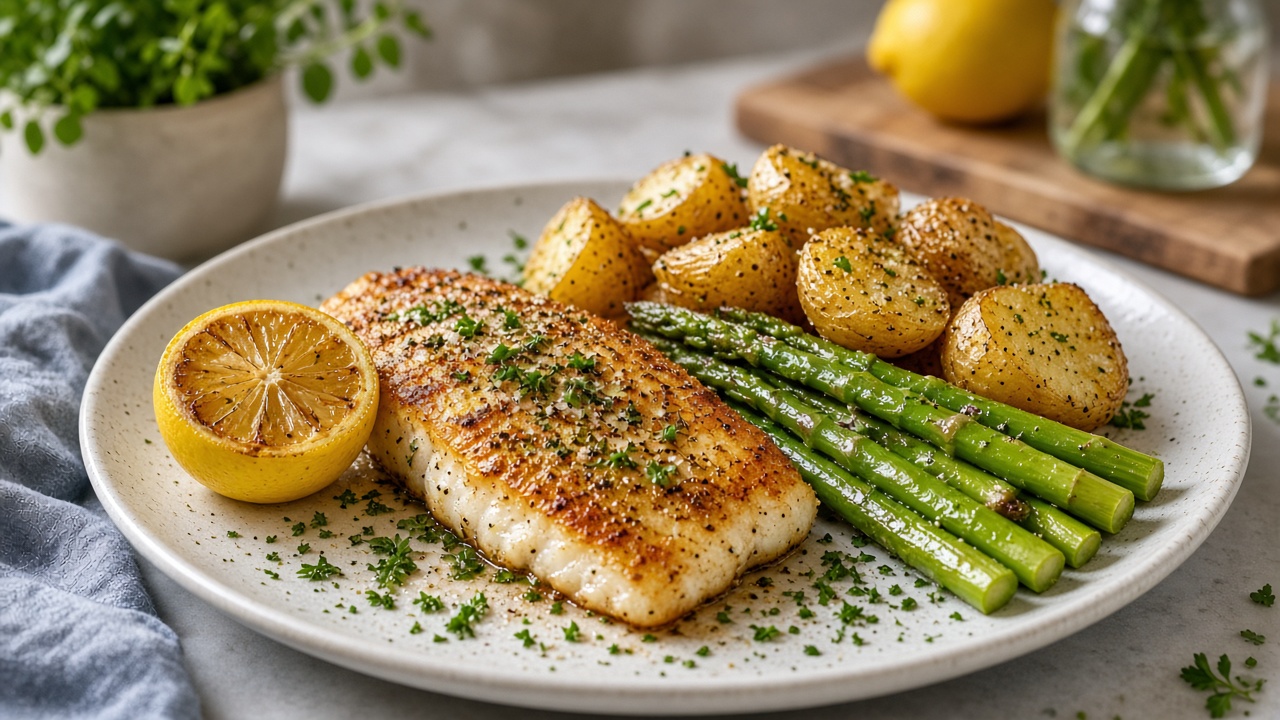
| Thursday | Avocado toast on whole-grain sourdough with poached eggs and chili flakes | Leftover beef and broccoli stir-fry reheated with a side of steamed edamame | Tender baked cod with cherry tomatoes and butter-basted green beans | Delicate cod fillets baked in olive oil with sweet cherry tomatoes, capers, and garlic. |
| Friday | Smoothie made with baby spinach, frozen banana, hemp protein, and oat milk | Chickpea and avocado salad bowl with lemon oregano vinaigrette | Tender handheld mediterranean chickpea wraps with homemade garlic hummus | 100% plant-based Friday dinner; high fiber from chickpeas and tahini. |
| Saturday | Buckwheat pancakes topped with warm blueberry compote and pure maple syrup | Turkey and cheddar roll-ups with carrot sticks and whole-grain crackers | Homemade beef or turkey smash burgers on toasted brioche with air-fried potatoes | Ensure burger buns and barbecue sauces are certified shellfish-free (no anchovy/oyster extract in Worcestershire). |
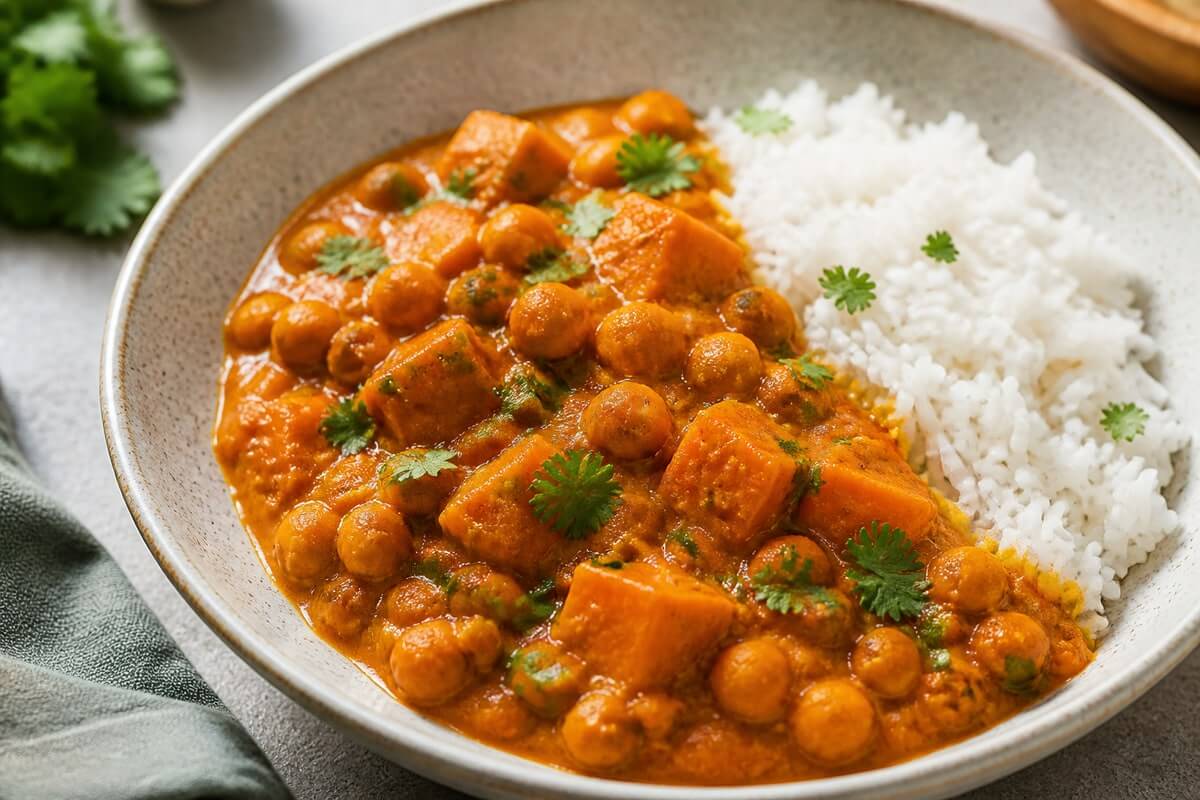
| Sunday | Vegetable frittata baked with bell peppers, onions, and goat cheese | Leftover vegetable frittata served with a crisp field green salad | Slow-simmered Moroccan chickpea and vegetable tagine over couscous | Fragrant weekend comfort dinner; uses coriander, turmeric, cinnamon, and dried apricots. |
Mastering the shellfish-free grocery run
Avoiding hidden shellfish requires careful scrutiny of condiments and packaged foods. Follow these three supermarket rules:
- Scrutinize Asian Sauces and Curry Pastes: Traditional Asian condiments heavily rely on crustacean umami. Oyster sauce, fish sauce, shrimp paste (belacan/kapi), and authentic kimchi frequently contain fermented shrimp or anchovy blends. Look for vegan "No-Oyster" sauce (made from shiitake mushrooms) and vegan fish sauce.
- Bypass the Open Supermarket Seafood Counter: Purchasing safe cod or salmon from an open display case where fillets rest directly adjacent to crushed ice holding raw shrimp or crab legs creates extreme airborne and droplet cross-contact risk. Purchase individually flash-frozen, vacuum-sealed fish fillets.
- Check Caesar Dressings and Worcestershire Sauce: Traditional Caesar dressings and Worcestershire sauces contain anchovies; while anchovy is a finfish, some commercial manufacturing facilities process oyster extracts on the same production lines. Choose certified vegan or kosher Worcestershire brands.
Use our automated grocery list generator to create a clean, consolidated shopping list, and explore our guide to pescatarian meal planning for safe seafood cooking techniques.
What fails: 5 mistakes in shellfish-free households
- Ordering fried foods at mixed seafood restaurants: Fried calamari, shrimp, and chicken tenders frequently share the exact same commercial deep-fryer oil. Tropomyosin protein easily leaches into the hot cooking oil and contaminates otherwise safe foods. Always ask if fryers are dedicated.
- Assuming all "fish sauce" is purely vertebrate: Many cheap commercial fish sauces blend fermented anchovy extract with shrimp paste or oyster broth to reduce manufacturing costs. Read the fine print on international import labels every time.
- Overlooking airborne steam reactions: For highly sensitive individuals, inhaling the steam from boiling shrimp, crab boils, or lobster pots can trigger acute respiratory symptoms or asthma exacerbations. Maintain a strict house rule against boiling shellfish indoors.
- Confusing imitation crab (surimi) with shellfish-free food: While imitation crab is primarily made from processed Alaskan pollock (a finfish), manufacturers frequently add real crab extract, crab juice, or shellfish flavoring to mimic the taste of authentic king crab. Surimi is NOT safe for shellfish-allergic individuals.
- Failing to replace umami in savory cooking: Omitting oyster sauce from stir-fries without adding an alternative umami agent results in flat, disappointing meals. Keep dried shiitake mushrooms, nutritional yeast, fermented black bean paste, and quality dark tamari stocked in your pantry.
Frequently asked questions
Can someone with a shellfish allergy safely eat vertebrate finfish like salmon or cod?
Yes, in the vast majority of cases. Vertebrate fish (salmon, cod, halibut, tuna) possess different allergenic proteins (primarily parvalbumin) than the tropomyosin found in shellfish. However, to prevent cross-contact, buy packaged frozen fillets rather than buying from open seafood counters where shrimp and fish touch.
What is the best 1:1 culinary substitute for oyster sauce in stir-fries?
Vegetarian stir-fry sauce (often labeled as "Mushroom Sauce" or "Vegetarian Oyster Sauce") made from concentrated shiitake mushroom extract is the gold standard 1:1 replacement. It provides the identical viscous gloss, dark caramel color, and deep glutamic savoriness without any seafood allergens.
Is Worcestershire sauce safe for someone with a shellfish allergy?
Traditional British and American Worcestershire sauce contains fermented anchovies (a finfish), which is technically not shellfish. However, some economy brands incorporate oyster extracts or share bottling lines with shellfish products. To ensure safety, purchase certified vegan Worcestershire sauce.
How can I build an automated shellfish-free weekly meal plan?
Building a personalized weekly menu is simple with our free meal plan generator. Check the shellfish-free filter, adjust batch sizes with our servings scaler, and find creative ways to repurpose remaining ingredients with the leftover finder.