Recipe Planning
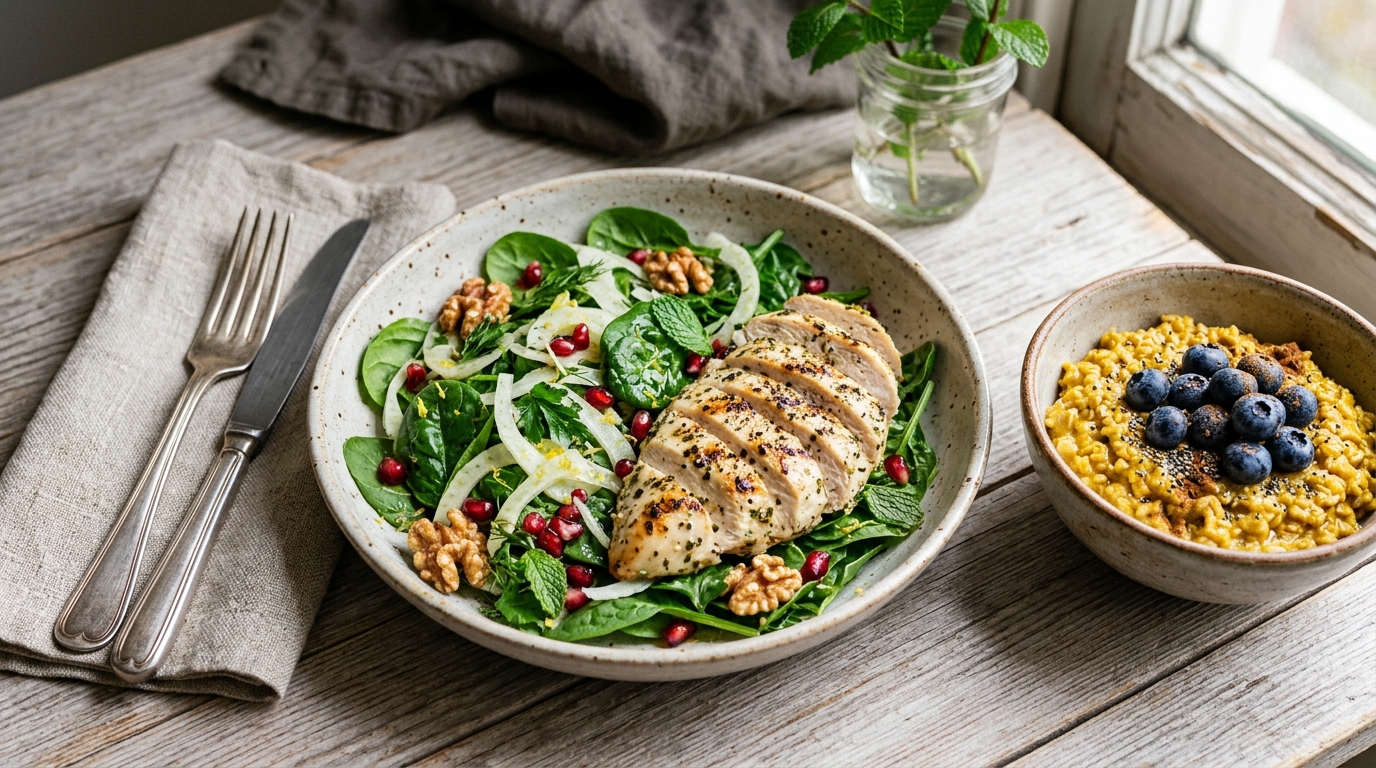
Polycystic Ovary Syndrome (PCOS) is one of the most common endocrine and metabolic conditions affecting women of reproductive age worldwide, impacting between 8% and 13% of women. Yet, the dietary advice directed at individuals with PCOS is frequently confusing, contradictory, and overwhelmingly punitive. From extreme zero-carbohydrate mandates to aggressive juice cleanses, mainstream advice often treats PCOS as a personal failure of willpower rather than a complex hormonal and metabolic condition.
At its physiological root, PCOS is driven in up to 70% to 80% of cases by insulin resistance and chronic low-grade systemic inflammation. When body tissues become resistant to insulin, the pancreas compensates by secreting higher concentrations of the hormone. Elevated circulating insulin directly stimulates the ovarian theca cells to overproduce androgens (like testosterone), while simultaneously suppressing sex hormone-binding globulin (SHBG) in the liver. This cascade exacerbates irregular cycles, hormonal acne, hair thinning, fatigue, and intense carbohydrate cravings.
The solution is not starvation or chronic restriction—which elevates cortisol and further deranges metabolic signals—but rather structured, blood-sugar stabilizing meal planning. By learning how to anchor every meal with adequate protein, viscous dietary fiber, and anti-inflammatory healthy fats, you can stabilize glycemic curves, curb cravings, and support ovulatory health. This 7-day meal plan provides a sustainable, nourishing roadmap.
Important: This guide is for general meal-planning ideas only, not medical advice or treatment. If you have PCOS, insulin resistance, or are managing fertility treatments, collaborate closely with your endocrinologist, OB-GYN, or registered dietitian specialized in reproductive endocrinology. Never replace prescribed medical therapies with blog content.
The PCOS blood-sugar stabilizing plate formula
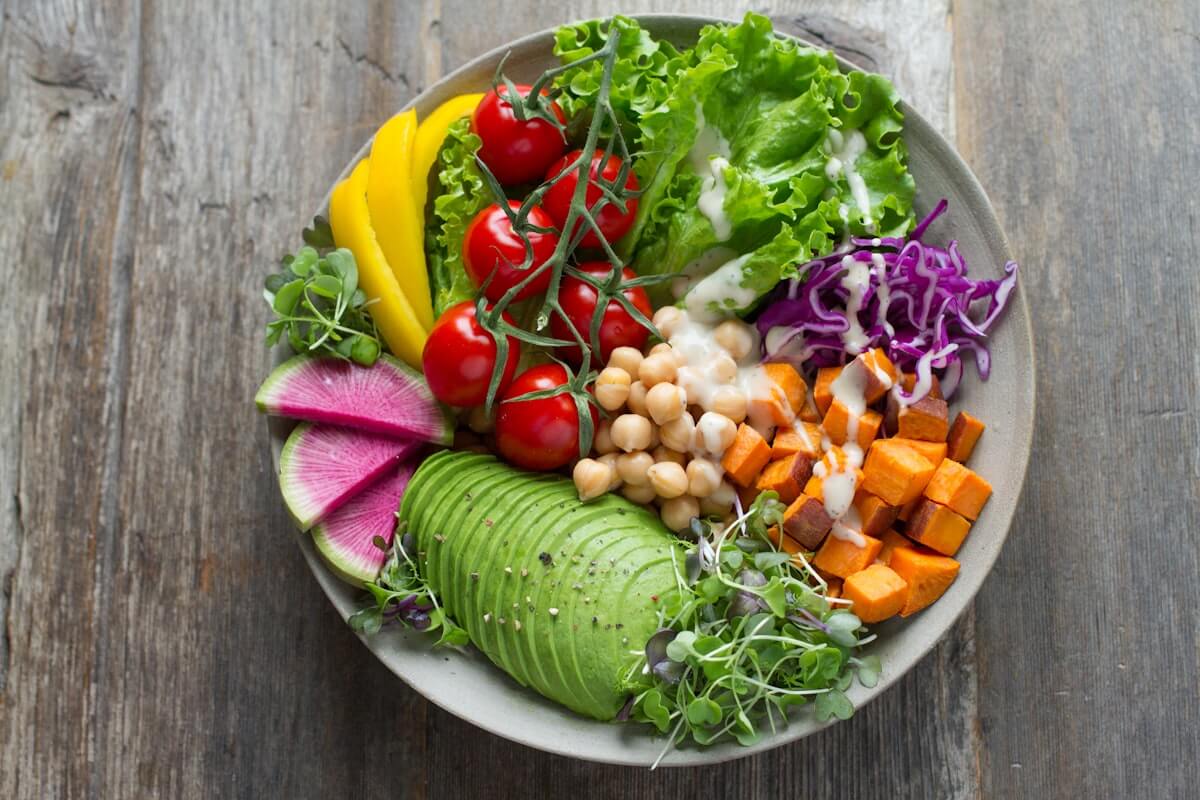
To eliminate post-meal blood sugar spikes and reactive hypoglycemic crashes, build every breakfast, lunch, and dinner using the 4-Part Metabolic Plate Method:
- Protein Anchor (25–35 grams per meal): Protein triggers the release of peptide YY (PYY) and glucagon-like peptide-1 (GLP-1), while dampening the hunger hormone ghrelin. Adequate protein preserves lean skeletal muscle mass—the primary site of glucose disposal in the human body. Focus on wild fish, pasture-raised poultry, eggs, organic tofu, Greek yogurt, and legumes.
- Fiber Wall (30–40 grams daily): Dietary fiber physically slows enzymatic carbohydrate breakdown and glucose absorption in the small intestine, transforming potential blood sugar spikes into gentle, rolling hills. Prioritize cruciferous vegetables, leafy greens, chia seeds, flaxseed, and low-glycemic berries.
- Anti-Inflammatory Healthy Fats (1–2 tablespoons per meal): Monounsaturated and omega-3 fats slow gastric emptying and enhance cell membrane fluidity, improving insulin receptor sensitivity. Emphasize extra virgin olive oil, avocado, walnuts, pumpkin seeds, and wild salmon.
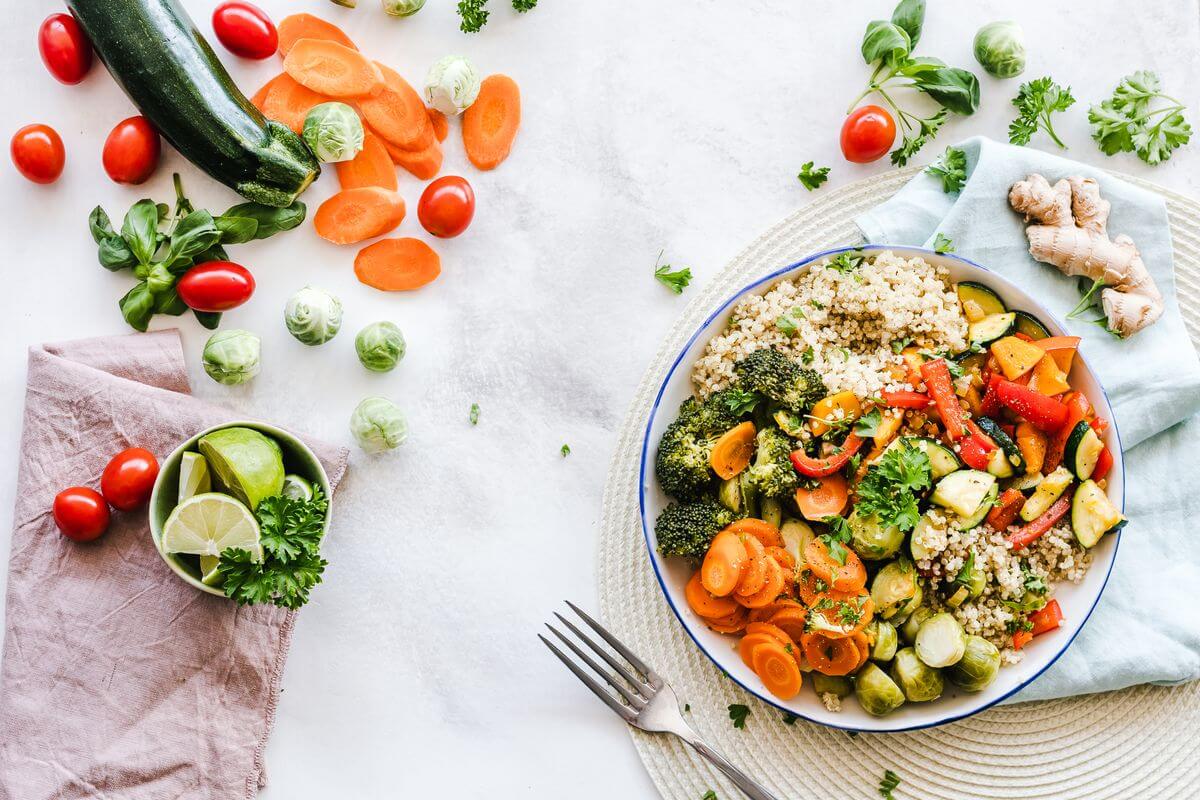
- Smart, Intact Carbohydrates (1/2 cup to 3/4 cup per meal): Rather than eliminating carbs, focus on complex, intact carbohydrates that come packaged with fiber: sweet potatoes, steel-cut oats, quinoa, lentils, chickpeas, and berries. Never eat carbohydrates "naked" (alone); always pair them with protein, fiber, or healthy fat.
7-Day PCOS-friendly meal plan
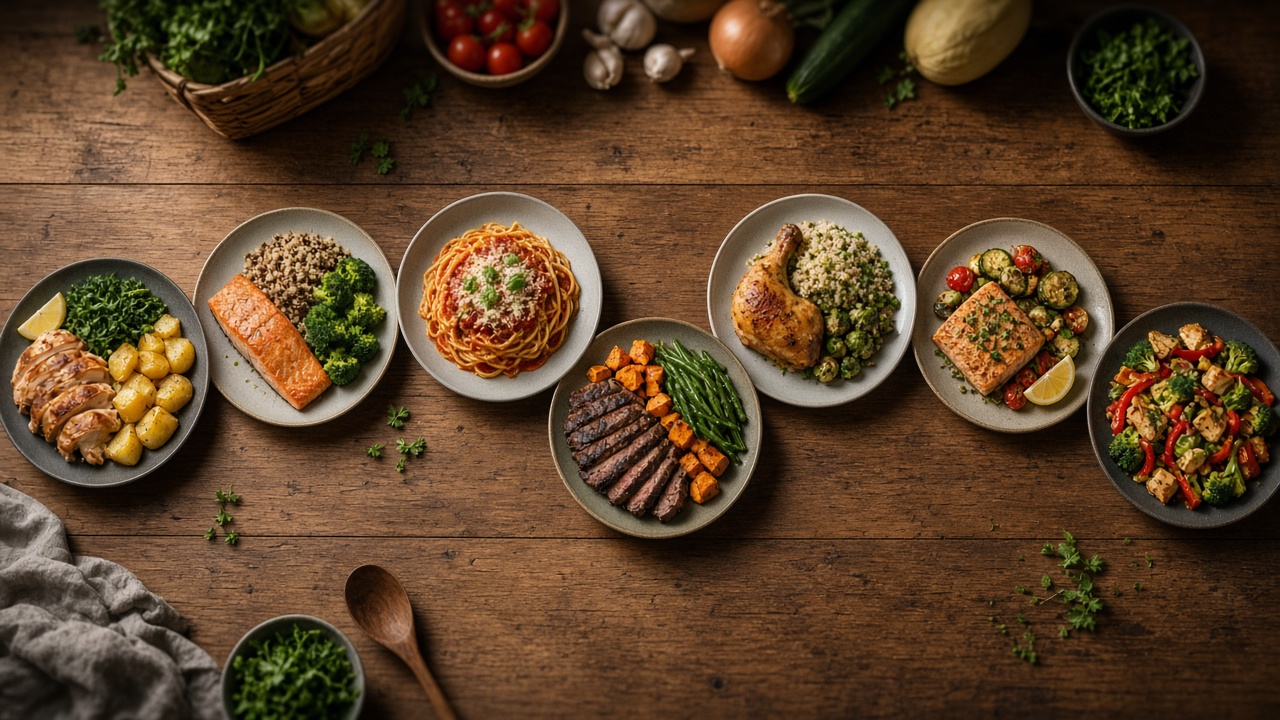
This weekly meal plan focuses on low-glycemic, anti-inflammatory whole foods that keep energy levels steady from morning to evening. Use our free servings scaler to adjust recipes to your household size.
| Day | Breakfast | Lunch | Dinner | Metabolic & Hormonal Focus |
|---|---|---|---|---|
| Monday | Veggie scramble with 2 eggs, 1/2 cup egg whites, sautéed spinach, tomatoes, and 1/4 avocado | Mediterranean bowl: grilled chicken breast over quinoa, cucumbers, kalamata olives, and olive oil | Flaky herb-baked salmon with roasted asparagus and mashed cauliflower | High protein and omega-3 fatty acids to suppress ovarian androgen stimulation and inflammation. |
| Tuesday | High-protein chia pudding: chia seeds, unsweetened almond milk, vanilla protein powder, and blueberries | Leftover herb-baked salmon flaked over a large mixed green salad with pumpkin seeds | Juicy lemon herb chicken with roasted zucchini and baked sweet potato wedges | Slow-digesting fiber from chia seeds and sweet potato; zinc from pumpkin seeds for hormone balance. |
| Wednesday | Plain Greek yogurt parfait with cinnamon, hemp hearts, ground flaxseed, and fresh raspberries | Leftover lemon herb chicken in a low-carb sprouted grain wrap with hummus and arugula | Vibrant vegetable stir-fry with tofu over cauliflower rice and edamame | Lignans from ground flaxseed to support healthy estrogen metabolism; isoflavones from edamame. |
| Thursday | Oatmeal bowl: rolled oats cooked in water, stirred with scoop of collagen/protein, cinnamon, and walnuts | Chilled mediterranean quinoa salad with canned chickpeas and fresh herbs | Warm hearty lentil soup served with roasted broccoli florets | Soluble beta-glucan fiber from oats; sulforaphane from broccoli supporting liver detox pathways. |
| Friday | Smoked salmon on whole-grain sourdough with mashed avocado, capers, and sliced cucumber | Leftover hearty lentil soup paired with a hard-boiled egg and raw sliced peppers | Turkey and zucchini skillet with crushed tomatoes, garlic, Italian herbs, and spaghetti squash | Lean poultry protein paired with ultra-low-glycemic spaghetti squash to keep evening insulin low. |
| Saturday | Protein pancakes made from eggs, banana, and oat flour, topped with warm unsweetened strawberries | Turkey and zucchini skillet leftovers over a bed of baby arugula | Grass-fed lean beef or bison burgers (bun-free or on lettuce wraps) with baked sweet potato fries | Bioavailable heme iron and zinc from grass-fed beef; complex beta-carotene from sweet potatoes. |
| Sunday | Baked egg muffins with diced bell peppers, red onion, baby spinach, and goat cheese | Quinoa, black bean, and avocado salad tossed with fresh lime juice and cilantro | Sheet-pan baked chicken thighs with roasted Brussels sprouts and butternut squash | Sunday batch-prep friendly; rich in brassica indoles to support endocrine balance. |
Specific functional foods that support PCOS
In addition to balanced macronutrients, research highlights several botanical and culinary ingredients with targeted metabolic benefits for PCOS:
- Spearmint Tea: Multiple clinical trials have shown that drinking two cups of pure spearmint tea daily significantly reduces free testosterone levels and subjective hirsutism in women with PCOS over a 30-day period.
- Cinnamon (Ceylon): Ceylon cinnamon improves cellular insulin sensitivity by enhancing intracellular glucose uptake signaling. Dust 1/2 teaspoon daily over oatmeal, Greek yogurt, or morning smoothies.
- Ground Flaxseed: Flaxseeds are the richest dietary source of lignans, which bind to excess circulating estrogens and stimulate hepatic synthesis of SHBG, naturally lowering free testosterone.
- Cruciferous Vegetables: Broccoli, cauliflower, cabbage, and kale contain indole-3-carbinol (I3C) and diindolylmethane (DIM), compounds that assist the liver in metabolizing estrogens into protective, less proliferative metabolites.
What fails: 5 mistakes that worsen PCOS fatigue and cravings
- Skipping breakfast and intermittent fasting aggressively: While intermittent fasting works well for some populations, extended fasting can significantly elevate morning cortisol levels in women with PCOS. High cortisol stimulates gluconeogenesis in the liver, raising fasting glucose and triggering severe afternoon fatigue and sugar cravings. Eat a protein-rich breakfast within 90 minutes of waking.
- Adopting an extreme zero-carbohydrate keto diet: Severely restricting carbohydrates to under 20 grams daily can down-regulate active thyroid conversion (T4 to T3) and elevate adrenal stress hormones. Most women with PCOS thrive on moderate, fiber-rich carbohydrates (75 to 130 grams daily) paired with adequate protein and fats.
- Relying on artificial sweeteners and diet sodas: Switching to drinks sweetened with sucralose or aspartame to avoid sugar can backfire. Studies indicate that certain artificial sweeteners alter the gut microbiome and maintain intense neurological cravings for ultra-sweet foods. Transition to water infused with lemon, mint, or unsweetened herbal teas.
- Eliminating all dairy and gluten unnecessarily: Unless you have celiac disease, a non-celiac gluten sensitivity, or a verified dairy allergy, completely eliminating these entire food groups can create unnecessary stress and social isolation without demonstrable endocrine benefit. Choose fermented, unsweetened dairy (like Greek yogurt and kefir) which provides calcium and probiotics without insulin spikes.
- Doing excessive high-intensity chronic cardio without fueling: Pounding out 60 minutes of daily high-intensity interval training (HIIT) on an empty stomach spikes systemic inflammation and cortisol. Pair your balanced meal planning with strength training, walking, and restorative movement.
Frequently asked questions
Do I have to lose weight for my PCOS symptoms to improve?
No. Research demonstrates that metabolic and hormonal markers—including fasting insulin, menstrual regularity, and lipid profiles—improve significantly with dietary quality, resistance training, and stress management, even in the absence of weight loss. Focus on nourishing habits and stable energy rather than the scale.
What is inositol, and should I consider taking it alongside my meals?
Inositol (specifically a 40:1 ratio of myo-inositol to d-chiro-inositol) is an intracellular second messenger for insulin. Extensive clinical trials demonstrate that inositol supplementation improves insulin sensitivity, restores ovulatory function, and reduces hyperandrogenism in women with PCOS. Discuss inositol with your reproductive endocrinologist or dietitian.
How can I manage intense evening sugar cravings?
Evening sugar cravings are almost always a biological symptom of under-eating protein and complex carbohydrates earlier in the day. Ensure your lunch contains at least 30 grams of protein, and include a balanced afternoon snack (like a sliced apple with almond butter or Greek yogurt with cinnamon) around 3:30 PM to stabilize blood sugar before dinner.
How can I automate my weekly PCOS meal planning?
Eliminate decision fatigue by organizing your kitchen routines with our digital tools. Use our free meal plan generator to create blood-sugar balanced weeks, build a consolidated shopping trip with our grocery list generator, and check ingredient compatibility with our diet and allergy checker.