Recipe Planning
For millions of office workers, nurses, teachers, construction contractors, students, and corporate commuters, lunchtime is a daily logistical minefield. If your workplace features a single filthy microwave shared among 40 colleagues, a short 30-minute lunch break where waiting in line consumes half your time, or an outdoor job site with zero electrical outlets, warm meals are simply off the table. Too often, this dilemma leads to spending $18 per day at corporate salad bars or eating sad, soggy white-bread sandwiches that leave you sluggish and broke.
A No-Reheat Lunch Meal Plan is engineered specifically to eliminate microwave dependency without sacrificing flavor, nutrition, or culinary sophistication. When planned correctly, cold and room-temperature lunches can be far more vibrant, satisfying, and crisp than reheated leftovers. In fact, many of the world's most celebrated culinary traditions—from Mediterranean grain salads and French charcuterie platters to Japanese bento boxes and Vietnamese rice noodle bowls—are designed specifically to be savored chilled. This comprehensive guide provides a battle-tested 7-day no-reheat lunch schedule, the science of pack-and-carry food safety, and the culinary secrets to packing salads and wraps that stay exceptionally crisp until noon.
Food Safety & Hygiene Note: Packed cold lunches that contain animal proteins (poultry, fish, eggs, dairy) or cooked grains must be maintained at or below 40°F (4°C) until consumed. If your workplace lacks a refrigerator, you must utilize an insulated lunch cooler with adequate ice packs. Never consume perishable food that has spent more than two hours in the temperature danger zone.
The cold bento architecture: engineering lunches that thrive unheated
Packing food that tastes delicious cold requires a fundamentally different culinary mindset than cooking hot dinner. Master the Four Rules of Cold Lunch Architecture:
- Sturdy Grain Foundations That Resist Cold Staling (Retrogradation): When cooked starches cool, amylose molecules realign into tight crystalline structures—a process known as retrogradation. In low-quality white rice and standard sandwich bread, retrogradation causes the starch to turn hard, dry, and chalky. In contrast, robust grains such as quinoa, farro, barley, and whole-wheat couscous maintain a supple, chewy, pleasant mouthfeel even when chilled straight from the refrigerator.
- Low-Fat and Lean Protein Density: When high-fat animal proteins (such as marbled beef steaks, pork chops, or greasy stews) cool down, saturated fats congeal into an unpleasant, waxy film that coats the tongue. For cold lunches, prioritize lean proteins and unsaturated fats that remain silky when cold: poached or shredded chicken breast, flaked wild tuna, canned salmon, hard-boiled eggs, marinated organic tofu, and chickpeas.
- High-Turgor Crunch Vegetables: Soft leafy greens (like baby spinach or delicate butter lettuce) wilt within hours when exposed to ambient moisture or oil. Build your cold lunch bowls around high-turgor, sturdy produce that retains its cellular crunch for up to 5 days in a container: shredded purple cabbage, English cucumbers, radishes, snap peas, carrots, bell peppers, and blanched green beans.
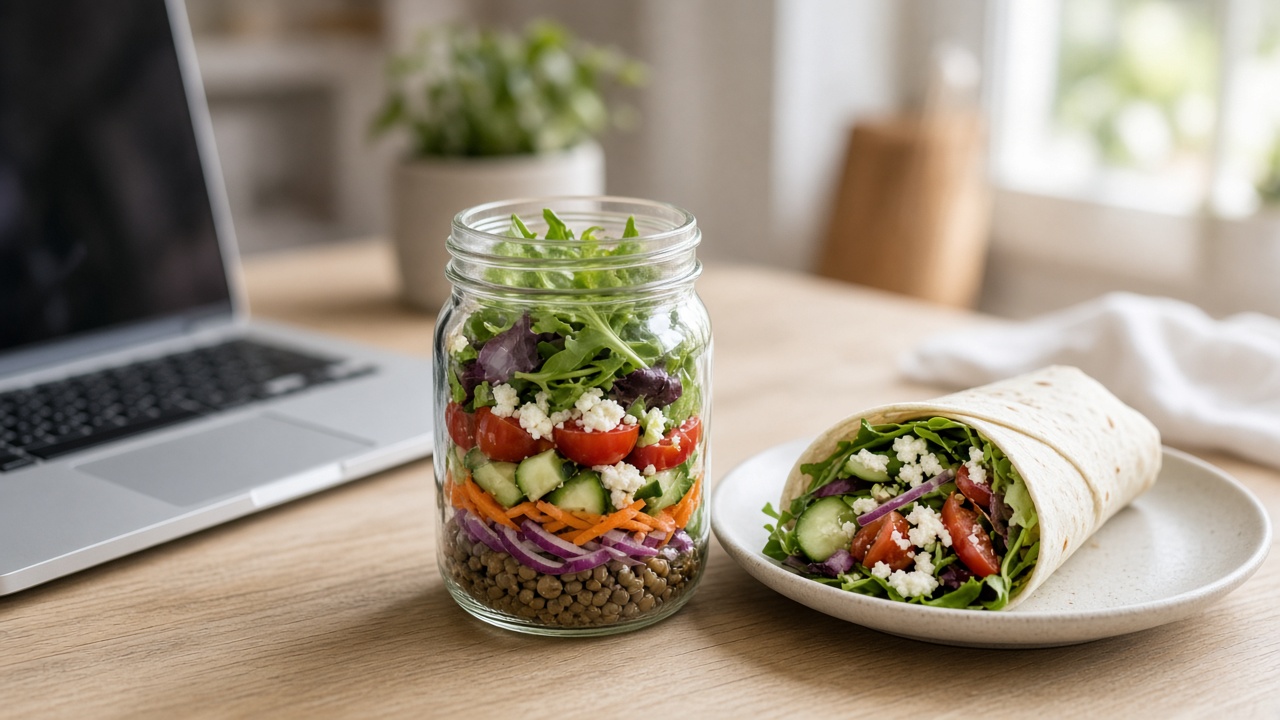
- The Inverted Jar Layering Technique: If you pack a salad with the dressing tossed throughout, osmotic pressure draws water out of the vegetables, turning your lunch into a soggy pool of water by midday. Execute the Inverted Mason Jar Technique: pour 2 to 3 tablespoons of vinaigrette into the very bottom of a 32-ounce wide-mouth jar; add dense, non-absorbent produce (cucumbers, chickpeas, radishes); layer in whole grains and lean proteins; and place delicate greens at the very top, completely dry and untouched by acid until you invert the jar onto a plate at noon.
The 7-day no-reheat lunch meal plan
This master schedule features five workweek lunches and two weekend options that travel effortlessly, stay crisp for hours, and require zero microwave heating.
| Day | No-Reheat Lunch Masterpiece | Accompanying Snack or Side | Pack & Transport Strategy | Culinary Flavor Mechanism |
|---|---|---|---|---|
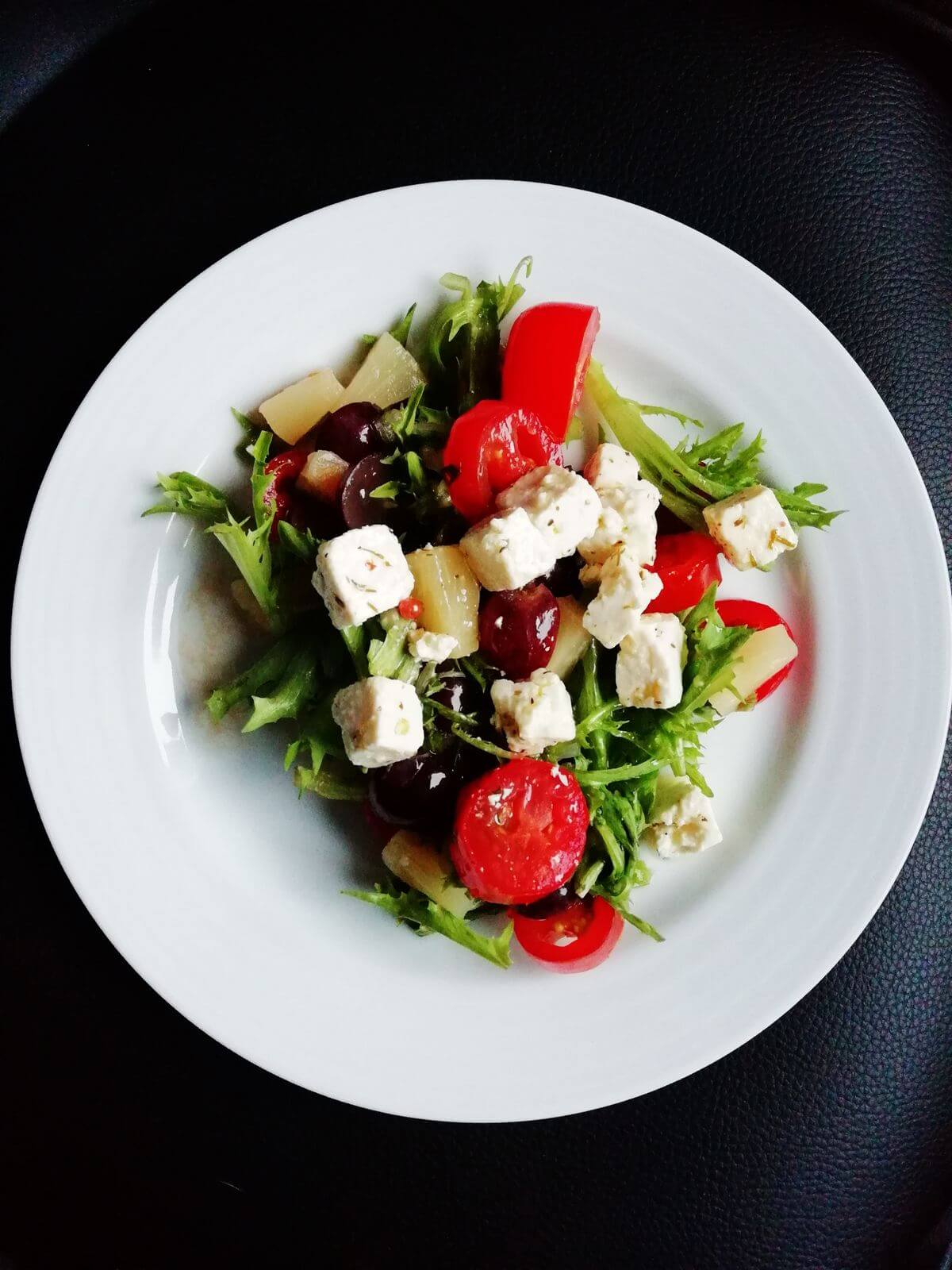
| Monday | Chilled mediterranean quinoa salad with canned rinsed chickpeas, diced cucumbers, kalamata olives, and crumbled feta | Crisp green apple slices paired with 2 tablespoons of natural unsalted almond butter | Pack dressing in a separate 2-ounce leakproof silicone container; toss over the salad immediately before eating. | Quinoa maintains its light, nutty chew when chilled; feta and kalamata olives provide sharp, briny accents that wake up the palate. |
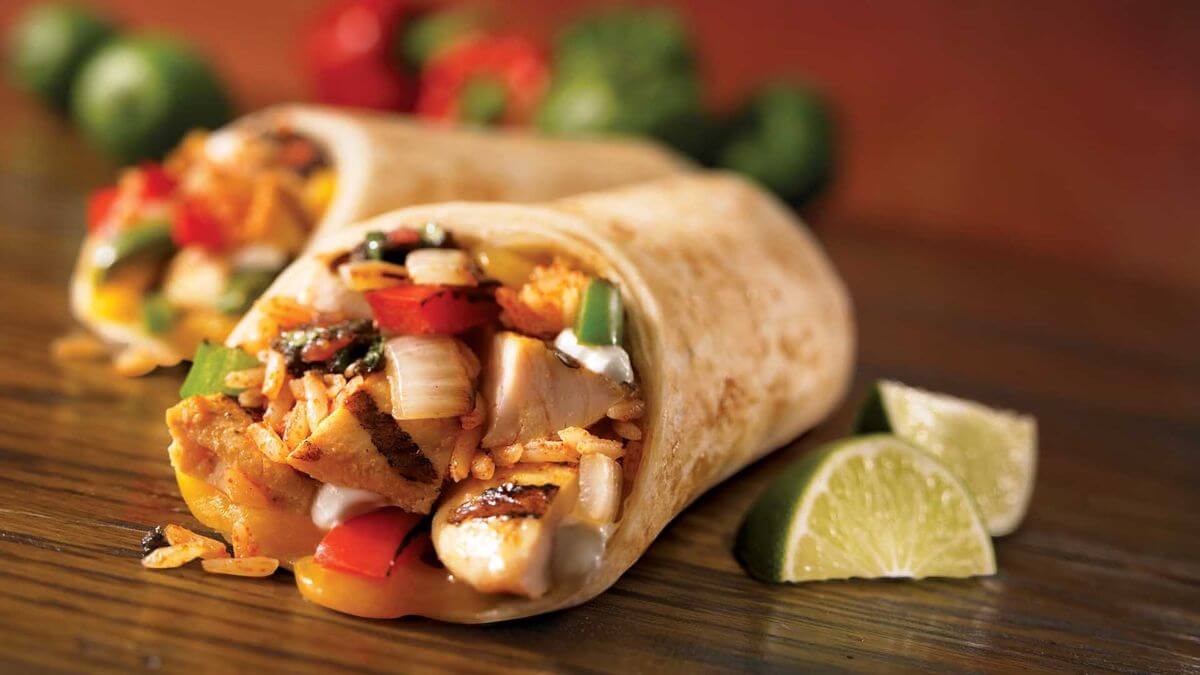
| Tuesday | Artisan chicken Caesar wrap made with shredded rotisserie chicken, crisp romaine hearts, and shaved Parmesan in a whole-grain tortilla | Raw sweet bell pepper strips with garlic-herb hummus | Wrap tightly in parchment paper followed by aluminum foil; store Caesar dressing in a dipping cup to prevent tortilla sogginess. | Romaine rib centers provide cooling crunch; high-protein poultry breast anchors physical satiety for the afternoon. |
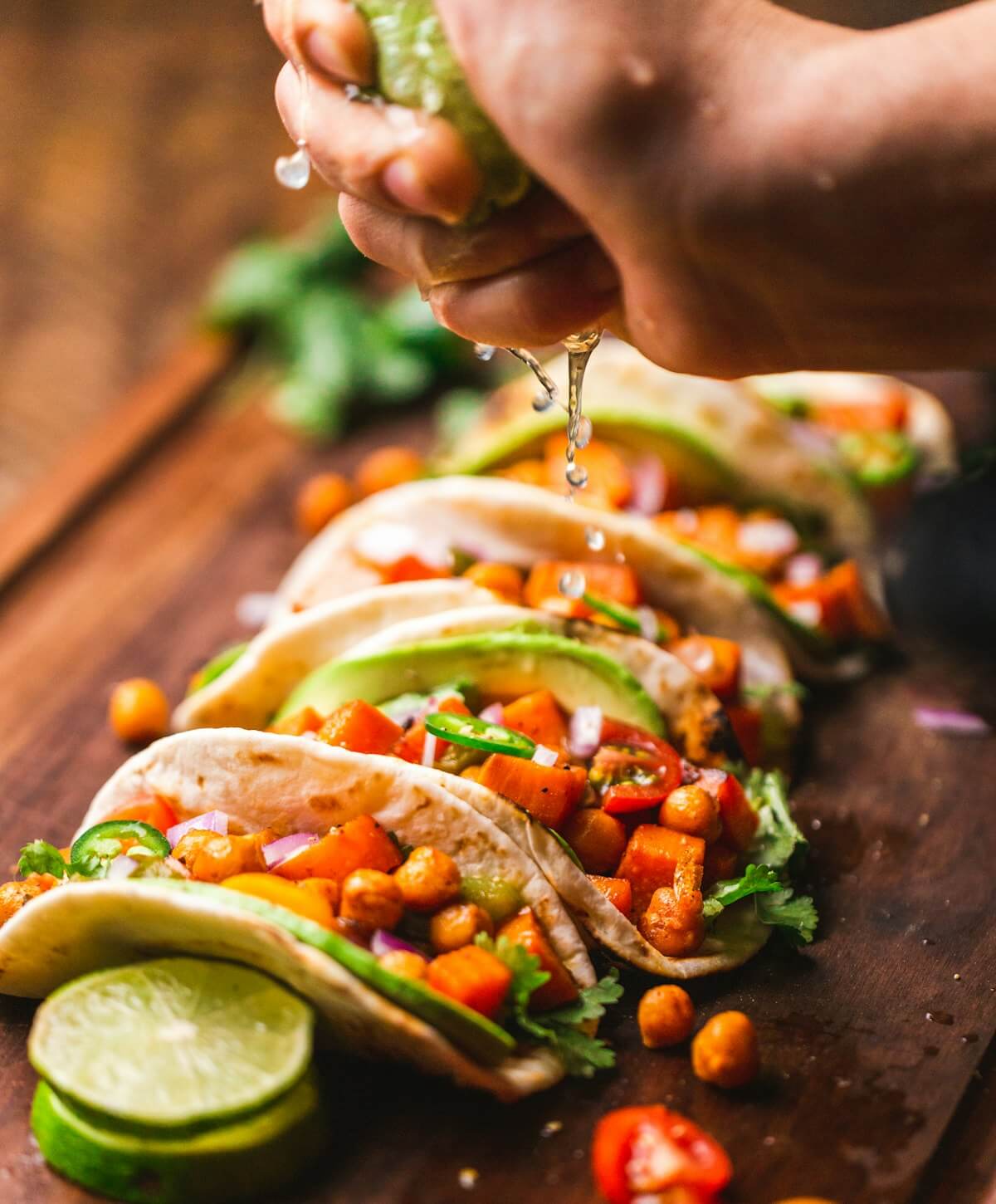
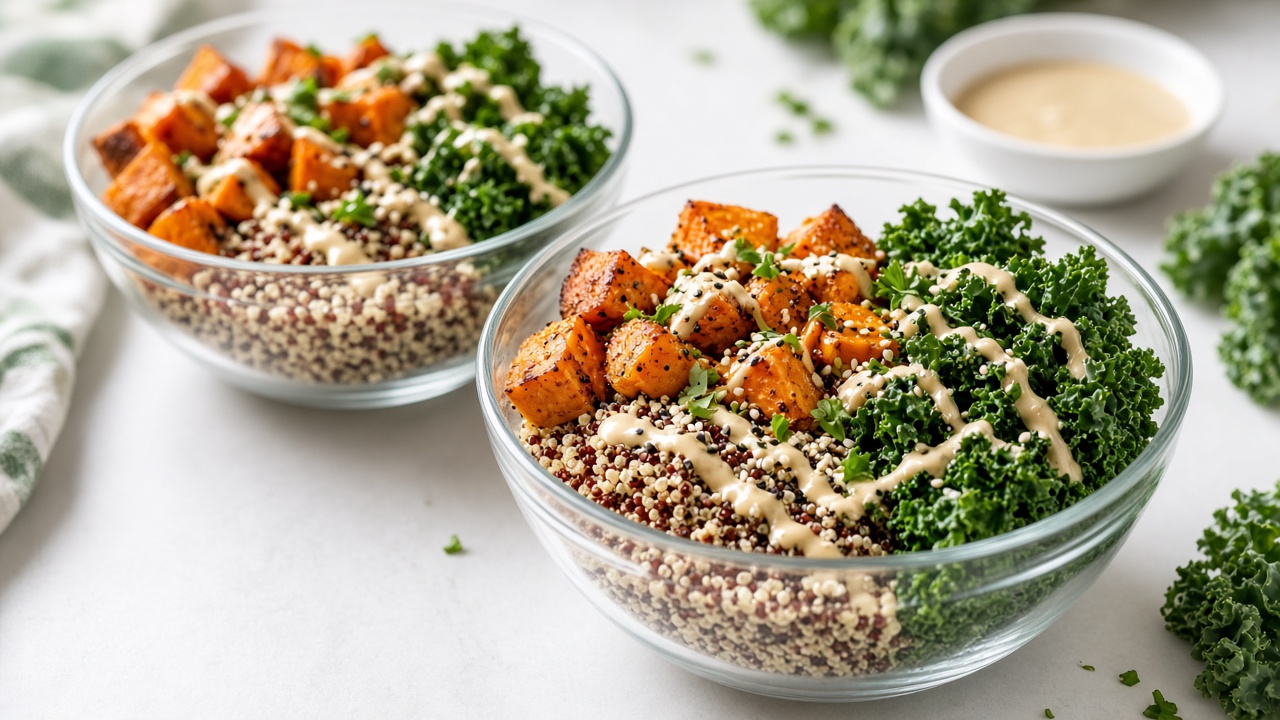
| Wednesday | Layered Mason jar Buddha bowl: lemon-tahini dressing, roasted chickpeas, sweet potato cubes, massaged kale, and hemp hearts | Small cluster of red seedless grapes and an ounce of raw unsalted walnuts | Pack jar upright in your cooler bag; shake vigorously for 10 seconds before unscrewing the lid, or dump into a wide bowl. | Massaged kale has broken-down cellulose fibers that absorb tahini dressing without losing structural integrity or wilting. |
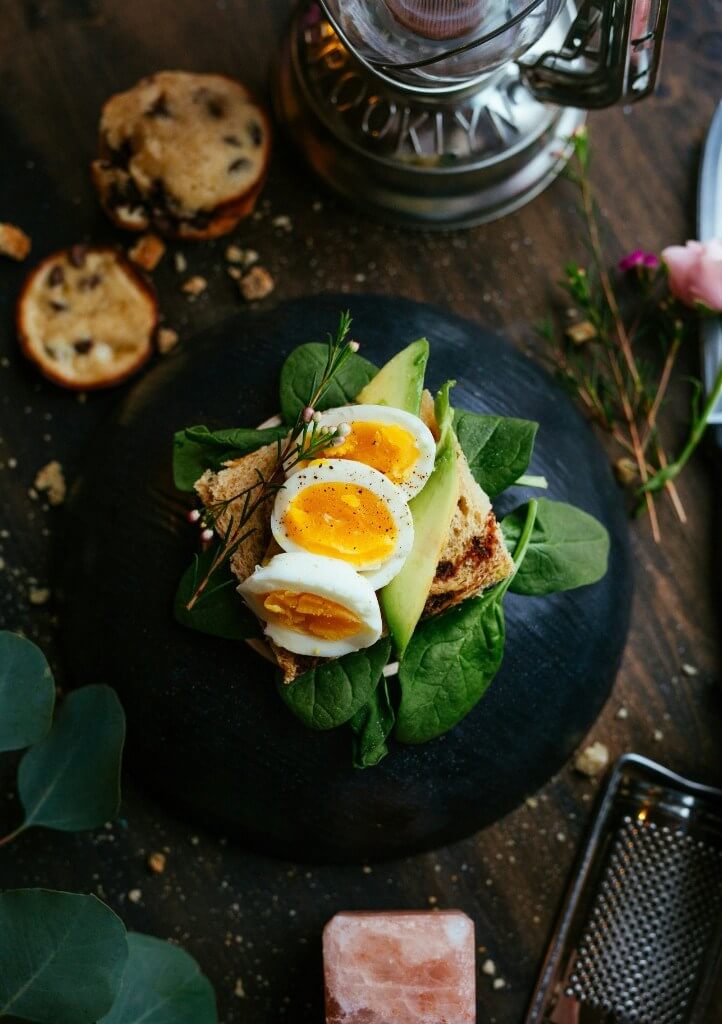
| Thursday | Creamy avocado egg salad mashed with Dijon mustard and fresh chives, packed with seeded whole-grain crispbreads and celery ribs | Creamy Greek yogurt parfait layered with fresh blackberries and pumpkin seeds | Press plastic wrap directly onto the surface of the avocado egg salad to prevent oxygen contact; store crispbreads in a dry pouch. | Ascorbic acid from lemon juice preserves avocado color; sulfur amino acids in egg yolks sustain mental alertness. |
| Friday | Classic Italian caprese salad skewer box: cherry tomatoes, baby mozzarella balls, fresh basil leaves, and balsamic glaze, with sourdough bread | Handful of roasted salted edamame and dark chocolate nibs | Thread tomatoes, basil, and bocconcini onto wooden skewers for fun, mess-free eating at your desk with crusty sourdough. | Balsamic glaze reduction clings to ingredients without making bread soggy; mozzarella supplies rich dairy fats and calcium. |
| Saturday | Vibrant hummus veggie wrap with shredded purple cabbage, cucumbers, bell peppers, avocado, and baby spinach | Chilled watermelon wedges with fresh mint leaves | Roll tightly in a spinach wrap, slice diagonally, and pack in a bento box with parchment separation. | Shredded purple cabbage adds vibrant color and extraordinary crunch that endures for hours even in warm weather. |
| Sunday | Cold Vietnamese rice noodle salad: brown rice vermicelli, baked marinated tofu cubes, shredded carrots, cucumber ribbons, and peanut dressing | Fresh peeled clementine oranges and roasted cashews | Pack the peanut-lime dressing separately; toss with cold noodles and crisp herbs immediately prior to lunch. | Fresh mint and cilantro combined with rice vinegar provide bright aromatic freshness that requires zero heat. |
The Sunday 40-minute cold lunch prep workflow
Automate your entire workweek of lunches in a single 40-minute Sunday prep session:
- Step 1 (0 to 10 mins): Bring a pot of water to a rolling boil. Lower 6 large eggs into the water, boil for exactly 8 minutes, then transfer to a bowl of ice water for 5 minutes. Peel and store in a sealed container.
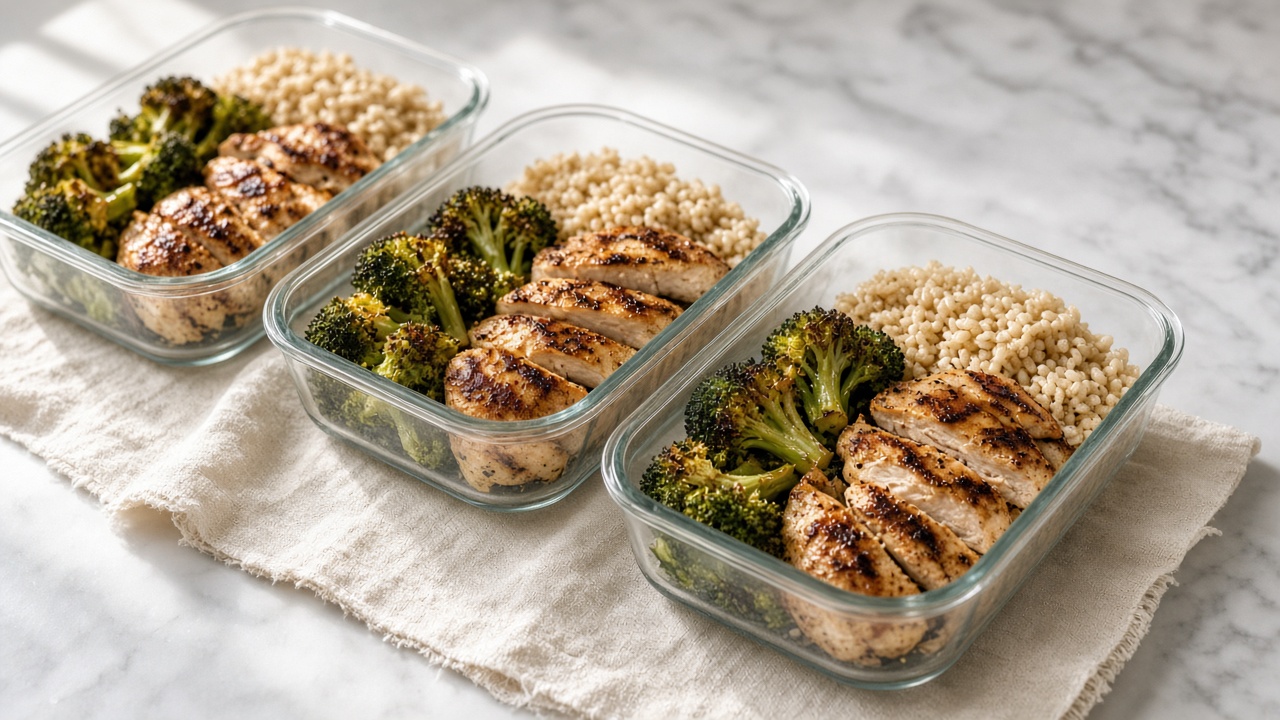
- Step 2 (10 to 20 mins): Cook 1.5 cups of dry quinoa or farro in 3 cups of water. Once tender, spread the grains across a rimmed baking sheet to cool rapidly to room temperature before portioning.
- Step 3 (20 to 30 mins): Wash and chop sturdy vegetables: slice 4 Persian cucumbers, shred 1/2 head of purple cabbage, and slice 3 bell peppers. Line containers with dry paper towels to absorb excess condensation.
- Step 4 (30 to 40 mins): Whisk together your master vinaigrette in a mason jar: 1/2 cup extra virgin olive oil, 1/4 cup fresh lemon juice, 1 tablespoon Dijon mustard, 1 minced garlic clove, salt, and pepper. Shake vigorously and store.
Pack & transport hygiene: keeping food below 40°F
If you take your lunch on the road, follow these non-negotiable food-safety transport protocols:
- Invest in a Heavy-Duty Insulated Cooler Bag: Flimsy fabric lunch totes offer zero thermal insulation. Purchase a dense foam-insulated cooler bag with sealed leakproof lining.
- The Dual-Ice-Pack Sandwich: A single small ice pack placed on top of a container is insufficient. Bacteria multiply from the bottom up. Place one frozen gel ice pack at the very bottom of your cooler bag, place your food containers in the center, and place a second frozen ice pack directly on top. Cold air sinks, creating an active convection chill that maintains internal temperatures below 40°F (4°C) for up to 6 hours.
- Chill Containers Overnight: Never pack room-temperature containers into a cooler bag. Pack your lunch containers the evening before and leave them in the refrigerator overnight so the food is already at 37°F (2.7°C) when packed in the morning.
What fails: 5 mistakes that ruin packed cold lunches
- Packing hot leftovers into a sealed cold lunchbox: Taking hot dinner leftovers and putting them straight into a sealed lunchbox creates intense steam condensation. The moisture drips onto food surfaces, creating soggy textures and providing an ideal humid breeding ground for bacteria. Always cool hot leftovers completely before sealing.
- Using oily, fatty meats that congeal cold: Packing cold leftover ribeye steak or greasy roasted pork chops is deeply unappetizing because solid saturated animal fats coat your mouth like wax. Reserve cold meals for lean poultry, seafood, eggs, legumes, and tofu.
- Tossing dressing over leafy greens in the morning: Acidic vinegars begin denaturing plant cell walls within 45 minutes of contact. By lunchtime, crisp greens become slimy, wilted, and brown. Always keep dressings completely separate until the moment you eat.
- Leaving insulated lunch bags in parked cars: The interior temperature of a car parked in the sun can reach 130°F (54°C) within 30 minutes, rapidly overwhelming frozen ice packs and turning your lunch into a hazardous incubator. Always bring your cooler bag inside your air-conditioned office, classroom, or job-site trailer.
- Forgetting adequate utensils and napkins: Nothing ruins a carefully planned lunch faster than realizing you have a grain bowl and no fork at your desk. Keep a dedicated travel pouch in your work bag stocked with a reusable bamboo or stainless-steel fork, spoon, knife, and cloth napkin.
Frequently asked questions
How do I keep sliced avocado from turning brown in a packed lunch?
Enzymatic browning occurs when the polyphenol oxidase enzyme in avocado flesh reacts with atmospheric oxygen. You can prevent browning using two simple techniques: generously brush the exposed avocado surface with fresh lemon or lime juice (ascorbic acid lowers the pH and deactivates the enzyme), and press a piece of plastic wrap or parchment paper directly against the avocado flesh to physically block oxygen contact.
What are the best leakproof containers for carrying cold lunches?
The gold standard for packed lunches is borosilicate glass containers with four-latch snap lids and silicone gaskets. Unlike plastic containers, glass does not stain from tomato dressings, absorbs zero odors, and is 100% leakproof. For lighter transport, high-grade stainless-steel bento boxes with silicone seals provide durability without the weight of glass.
Can I safely eat cold cooked chicken after 4 hours without a fridge?
Only if it has been stored inside an insulated cooler bag with active frozen gel ice packs that maintain the internal temperature below 40°F (4°C). If cooked chicken has been sitting at ambient room temperature (above 40°F) for more than two hours, food-safety guidelines dictate that it must be discarded due to the rapid risk of bacterial toxin production from Staphylococcus and Salmonella.
How can I plan and prep a full week of no-reheat lunches?
Automate your lunchtime routine with our digital culinary tools. Build an optimized 7-day cold lunch meal schedule using our meal plan generator, convert crisp produce and protein staples into a consolidated shopping checklist with the grocery list generator, and discover creative cold meals for leftover proteins with our leftover finder.