Recipe Planning
For millions of busy working professionals, parents, and caregivers, the greatest culinary dilemma of everyday life is the exhausting tension between two extremes: on one hand, spending 75 minutes every single night chopping mountains of produce, hovering over multiple simmering pans, and scrubbing greasy cookware; and on the other hand, surrendering completely to expensive sodium-laden takeout or eating cold sandwiches out of a plastic container over the kitchen sink. What modern home cooks desperately need is the strategic sweet spot: the Minimal-Cook Meal Plan.
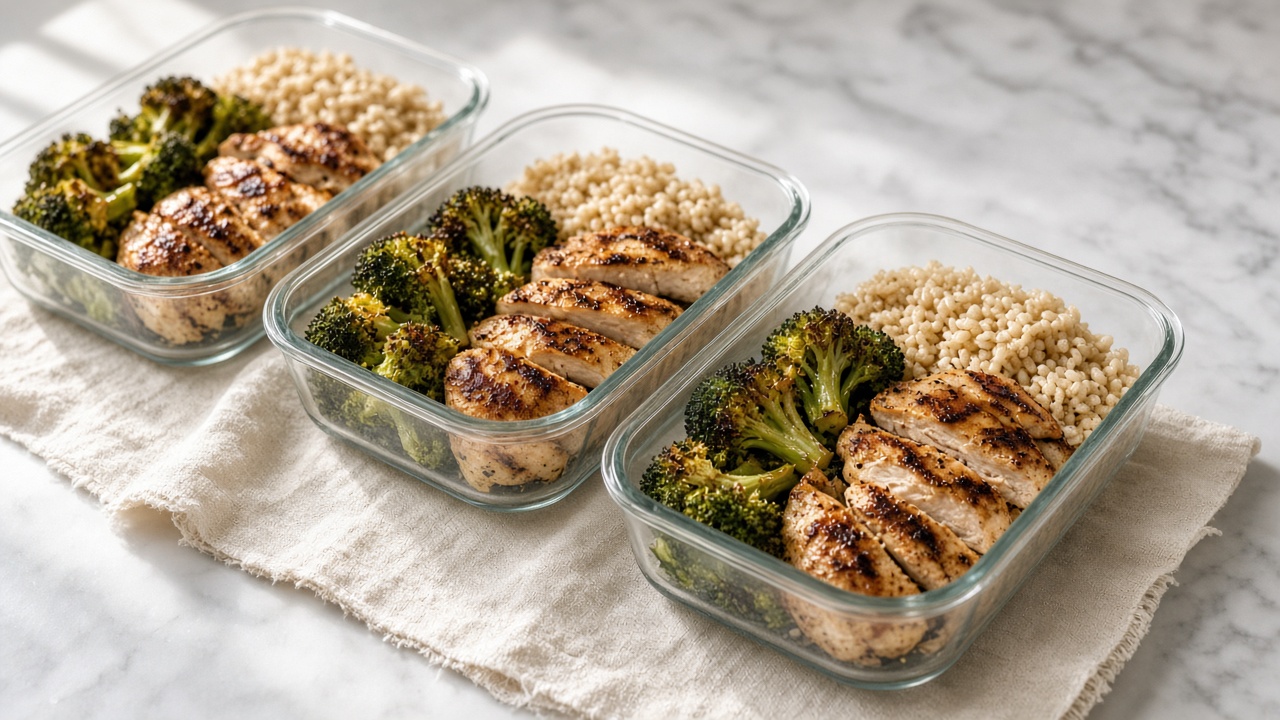
Minimal cooking is not "no cooking," nor is it spending your entire Sunday locked in the kitchen cooking 21 separate plastic Tupperware containers of identical dry chicken and broccoli. Instead, minimal cooking is a deliberate culinary methodology based on the Cook-Once, Assemble-Three-Times Blueprint. By dedicating just 35 to 40 focused minutes once a week to batch-cook two high-yield foundation bases (such as a pot of whole grains and a sheet-pan of caramelized roasted vegetables), and strategically pairing them with clean supermarket speed shortcuts, you unlock effortless, warm, deeply comforting dinners that come together in 10 to 12 minutes on busy weeknights. This comprehensive guide provides a complete 7-day minimal-cook schedule, high-yield grocery shortcuts, and essential food-safety rules for streamlined weekday cooking.
Food Safety & Planning Note: This guide provides practical culinary systems, not clinical nutrition advice. Utilizing shortcut ingredients and batch-prepped foods requires vigilant temperature hygiene. Cooked starches (especially rice) and poultry must be cooled rapidly and refrigerated below 40°F (4°C) to prevent bacterial toxin formation from spore-forming organisms like Bacillus cereus.
The cook-once, assemble-three-times blueprint: minimal-effort mechanics
The minimal-cook philosophy turns kitchen efficiency into a science through Four Strategic Pillars:
- The 40-Minute Anchor Prep Session: Rather than cooking every evening, you invest 40 minutes on the weekend executing three hands-off tasks simultaneously:
- Pot 1 (Active time: 3 mins): Simmer 2 cups of dry whole grains (brown jasmine rice, farro, or quinoa) until tender, then cool and store.
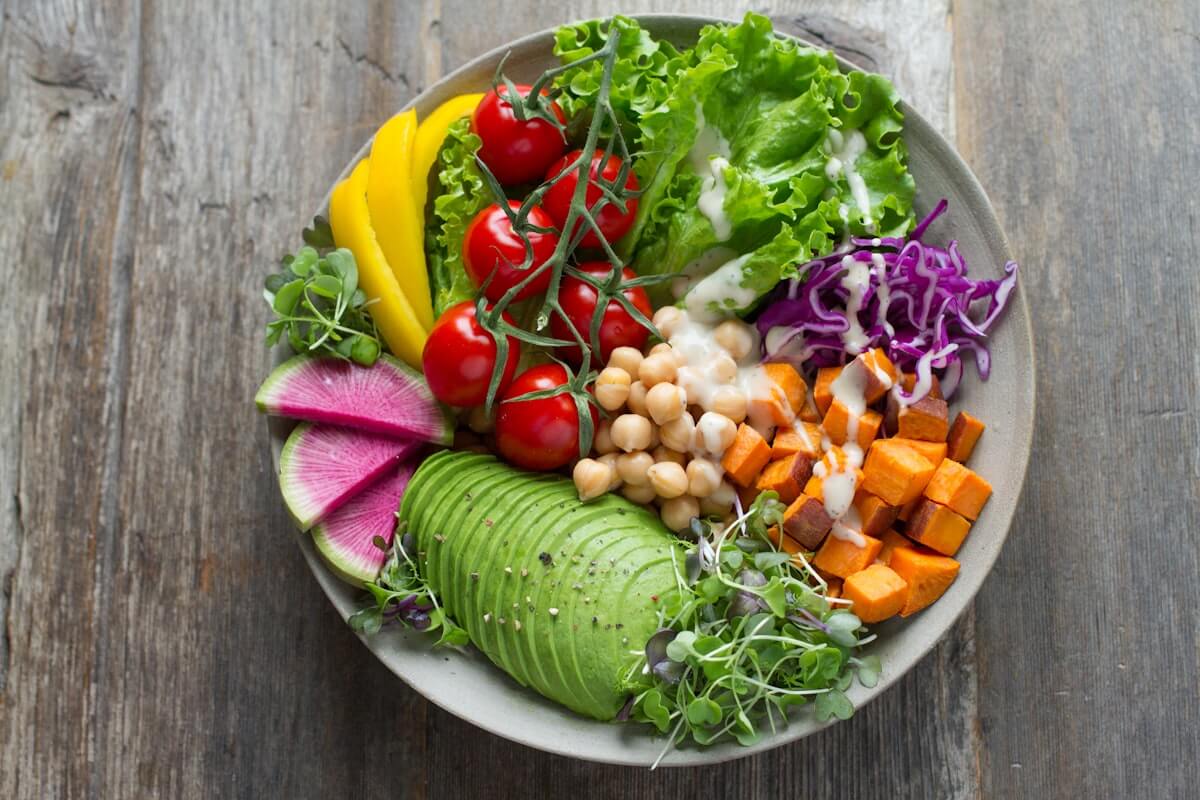
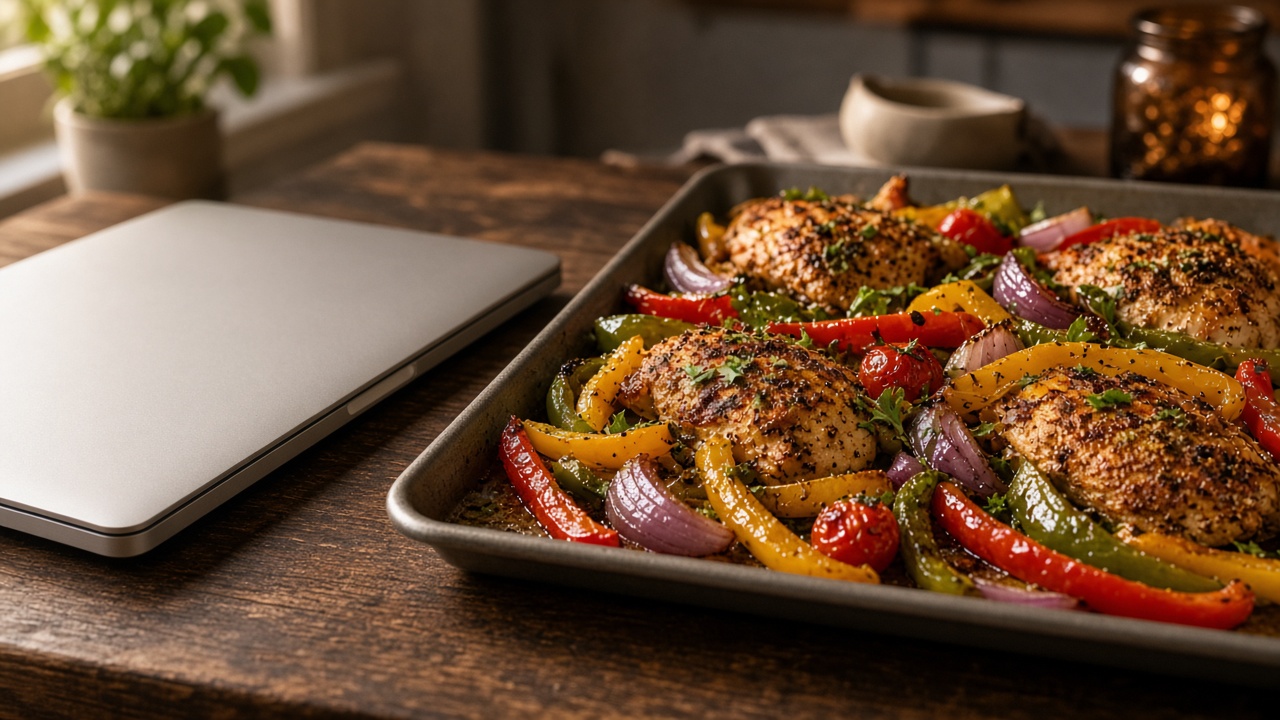
- Sheet Pan 1 (Active time: 7 mins): Toss two sheet pans of hearty vegetables (sweet potato cubes, broccoli florets, bell pepper wedges, and red onions) with olive oil and spices, roasting at 400°F (204°C) for 25 minutes.
- Pot 2 (Active time: 2 mins): Boil 6 pasture-raised eggs for 8 minutes, transferring immediately to an ice bath for rapid peeling and storage.
- Smart Supermarket Speed Shortcuts: Commercial food manufacturing has evolved far beyond preservative-laden TV dinners. Modern grocers provide minimally processed speed staples that save 80% of prep labor: pre-washed organic salad greens, pre-chopped mirepoix (onions, carrots, celery), flash-frozen organic vegetable medleys, shelf-stable organic marinara sauces with zero added sugar, canned rinsed legumes, and store-roasted rotisserie chickens. Utilizing these shortcuts is not "cheating"—it is intelligent culinary time management.
- The One-Skillet & One-Sheet-Pan Rule: Every weeknight recipe in a minimal-cook plan utilizes a single pan or skillet. By eliminating multi-pot meals that require colanders, saucepans, and blenders, your post-dinner cleanup is reduced to washing one cutting board, one knife, and one skillet, taking less than 5 minutes.
- Dynamic Flavor Transformation: Eating batch-prepped ingredients does not mean eating the same flavor profile every night. By rotating culinary flavor matrices—transforming roasted chicken and sweet potatoes into a Mexican fajita bowl on Monday, a Mediterranean grain salad with feta and lemon on Tuesday, and an aromatic Indian coconut curry on Wednesday—your palate never experiences palate fatigue.
The 7-day minimal-cook meal plan
This master schedule features lightning-fast assemblies, 12-minute one-pan dinners, and intelligent ingredient cross-utilization that keeps weekday kitchen time under 15 minutes.
| Day | Breakfast | Lunch | Dinner | Speed Technique & Kitchen Execution |
|---|---|---|---|---|
| Monday | Creamy Greek yogurt parfait layered with wild blueberries, pumpkin seeds, and raw honey | Crisp hummus veggie wrap with pre-shredded carrots, cucumbers, spinach, and hemp hearts | 12-minute Mediterranean chicken and grain bowl: warm pre-cooked quinoa, shredded rotisserie chicken, batch-roasted vegetables, and tzatziki | Dinner assembly takes 4 minutes: reheat batch-cooked quinoa and roasted vegetables in a dry skillet with a splash of water, fold in chicken, and plate. |
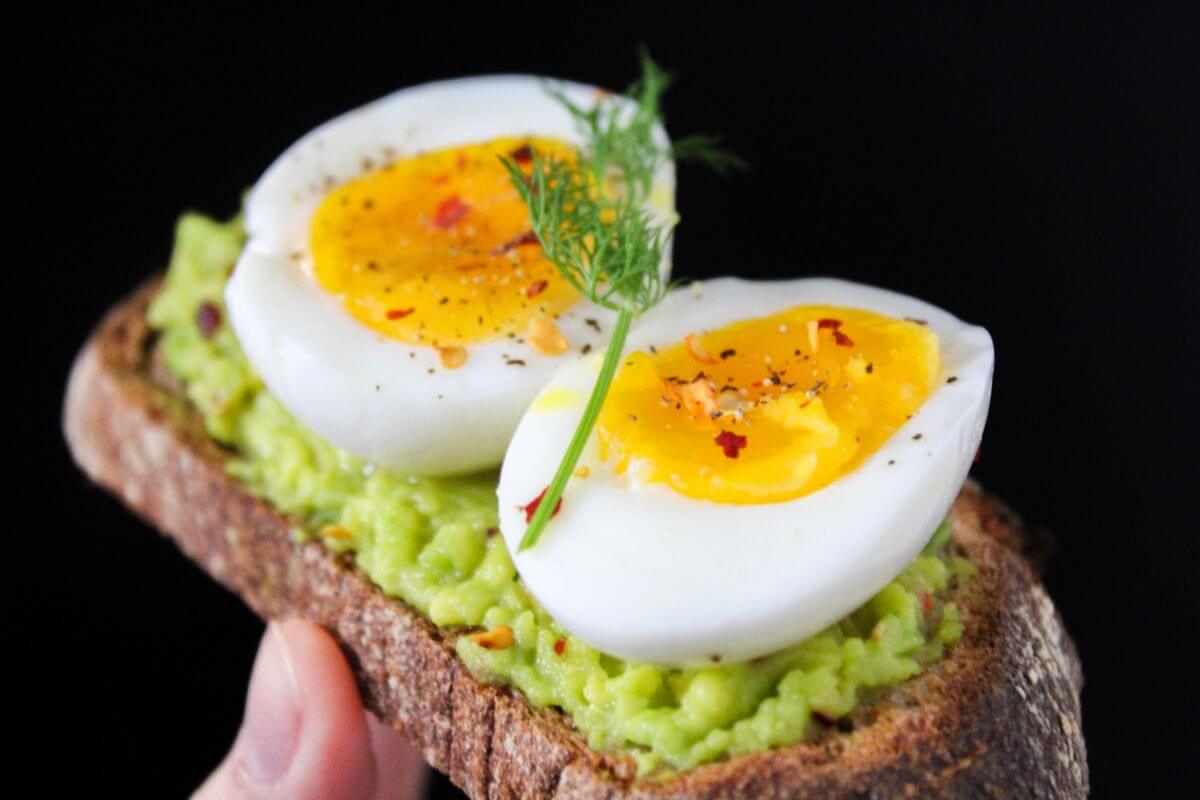
| Tuesday | Sprouted whole-grain toast topped with mashed ripe avocado, pre-boiled egg slices, and red pepper flakes | Leftover Mediterranean chicken and quinoa bowl with cherry tomatoes and kalamata olives | Speedy tomato basil soup paired with a sharp cheddar and spinach whole-grain grilled cheese | Warm high-quality jarred tomato-basil soup in a small saucepan while grilling the sandwich in a buttered cast-iron skillet (total cook time: 8 mins). |
| Wednesday | Steel-cut oats soaked overnight in almond milk with chia seeds, sliced bananas, and peanut butter | Thermos of warm tomato basil soup served with a pre-boiled egg and seeded crackers | One-skillet shakshuka: pasture-raised eggs gently poached in simmering spiced marinara sauce with crumbled sheep feta and warm pita | Pour 2 cups of quality marinara into a skillet, add cumin and paprika, crack 3 eggs into divots, cover with a lid for 6 minutes, and serve. |
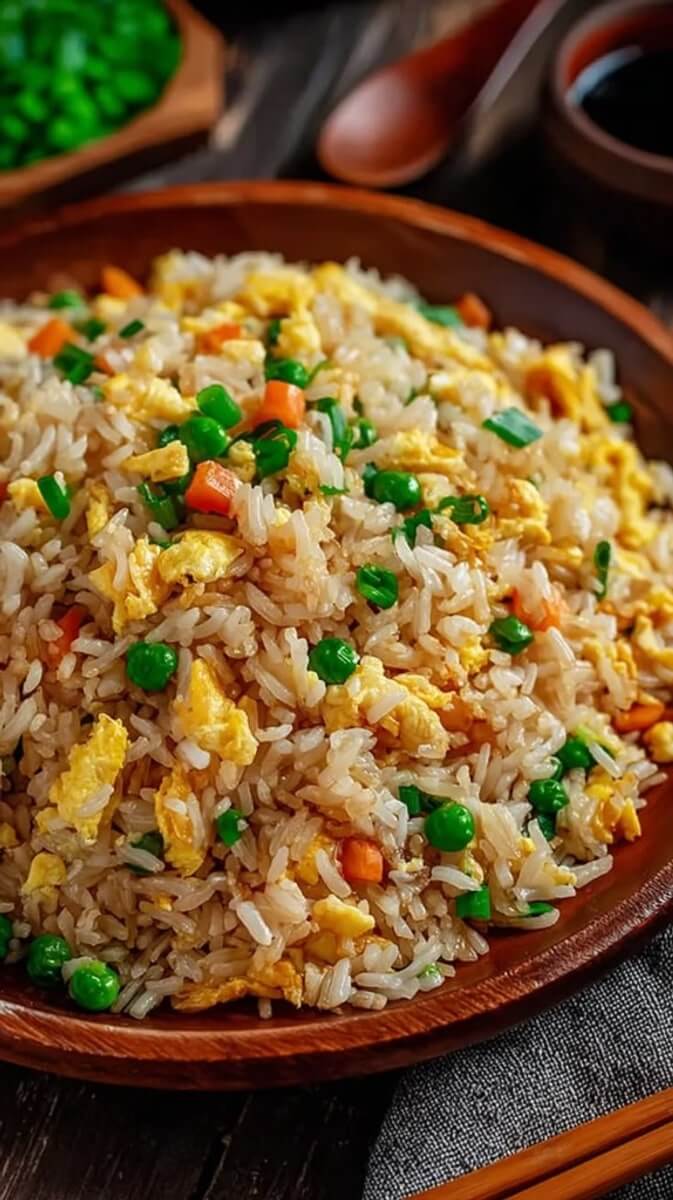
| Thursday | Two-egg veggie scramble with pre-washed baby spinach and diced plum tomatoes with sourdough toast | Chilled mediterranean quinoa salad with canned rinsed chickpeas, cucumbers, and feta | 10-minute quick egg fried rice using batch-cooked cold brown jasmine rice, frozen peas and carrots, scrambled eggs, and low-sodium tamari | Cold leftover rice from Sunday's batch is the secret to perfect fried rice: dried grains separate cleanly in a smoking-hot skillet with toasted sesame oil. |
| Friday | Greek yogurt bowl with sliced green apples, toasted walnuts, ground cinnamon, and a drizzle of raw honey | Leftover egg fried rice served warm with sliced Persian cucumbers and sriracha | Sheet-pan baked wild cod fillets over blistered cherry tomatoes, pre-sliced zucchini wheels, and capers with lemon wedges | Place fish and vegetables on parchment paper; bake at 400°F (204°C) for 14 minutes. Zero pots to scrub, and the fish is meltingly tender. |
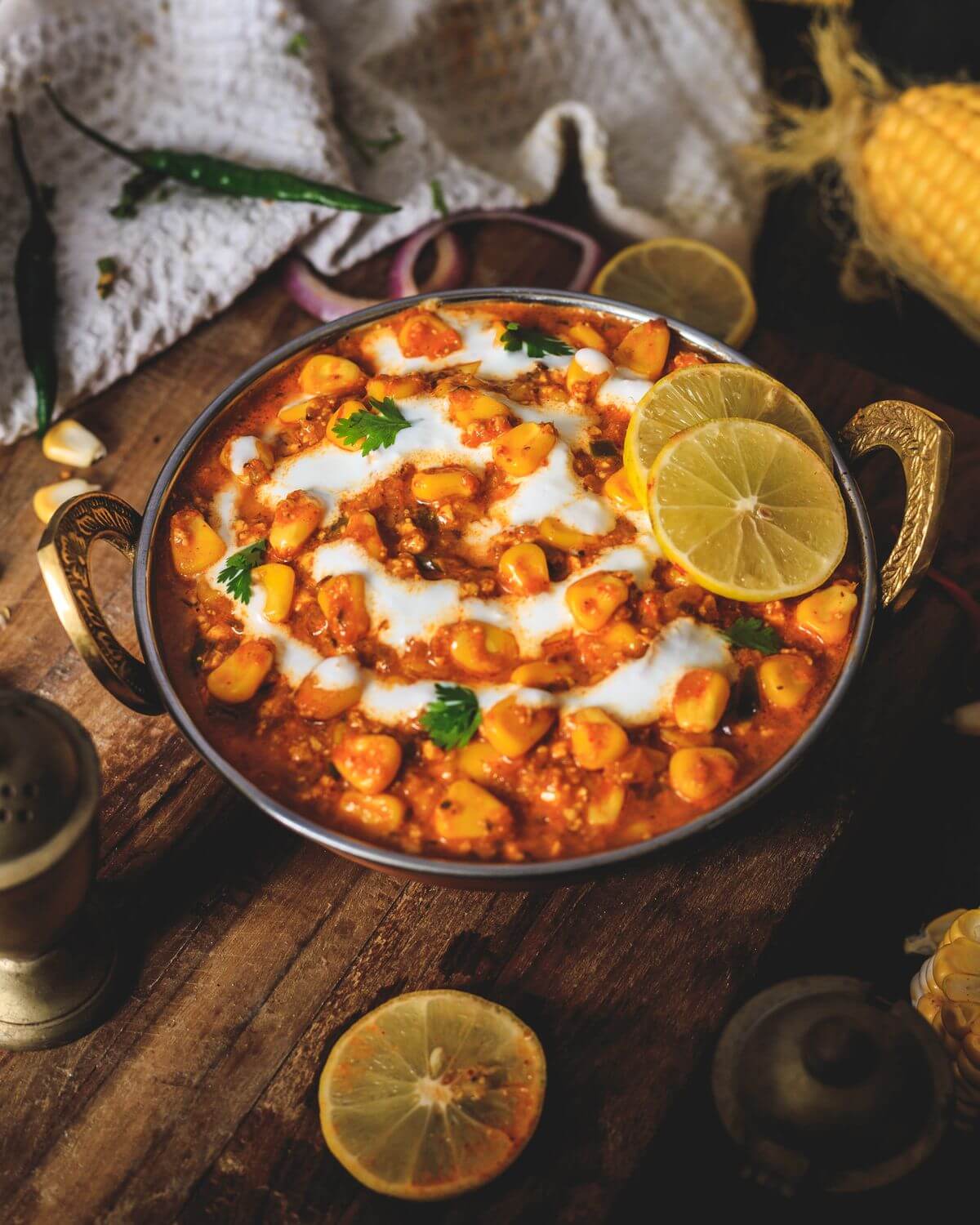
| Saturday | Fluffy buckwheat banana pancakes topped with warm stewed blueberry reduction and toasted pecans | Turkey and avocado wrap in a whole-grain flatbread with pre-washed baby arugula, tomatoes, and Dijon vinaigrette | One-pot chickpea and coconut curry: canned chickpeas simmered with jarred curry paste, coconut milk, and frozen spinach over rice | Simmer canned chickpeas, 1 can of light coconut milk, and 2 tablespoons of mild curry paste for 8 minutes; fold in frozen spinach until wilted. |
| Sunday | Pasture-raised three-egg omelet folded with goat cheese, fresh herbs, and sliced avocado with sourdough | Leftover aromatic chickpea and coconut curry bowl served warm with whole-wheat flatbread | Sheet-pan turkey sausage with roasted baby red potatoes, bell pepper strips, and sweet onions with whole-grain mustard | Execute the weekly 40-minute Sunday anchor session while tonight's sausages and vegetables roast in the oven. |
The microbiology of safe shortcuts: starch, rice, and poultry hygiene
Using shortcuts and batch-prepped ingredients requires strict adherence to food-safety protocols to prevent microbial food poisoning:
- The Fried Rice Syndrome (Bacillus cereus): Uncooked rice frequently harbors spores of Bacillus cereus, a bacterium capable of surviving boiling temperatures. If cooked rice is allowed to sit cooling at room temperature, these spores germinate and secrete heat-stable enterotoxins that are not destroyed by subsequent frying. Always cool cooked rice rapidly by spreading it thinly on a sheet pan, refrigerating within one hour, and consuming within 3 to 4 days.
- Proper Storage Temperatures: Store batch-cooked grains and roasted vegetables in shallow glass airtight containers rather than deep plastic tubs. Shallow containers ensure the core temperature drops below 40°F (4°C) within 90 minutes of entering the refrigerator.
- Reheating Rule: When reheating soups, stews, or pre-cooked chicken, ensure the food reaches an internal temperature of 165°F (74°C) measured with a digital food probe, and never reheat the same portion of food more than once.
What fails: 5 common minimal-cook mistakes
- Overcooking delicate shortcut proteins until rubbery: Pre-cooked supermarket proteins (rotisserie chicken, cooked shrimp, canned beans) are already fully cooked. Simmering them for 30 minutes in a sauce turns chicken stringy and shrimp to rubber. Always add pre-cooked proteins at the very end of cooking, allowing them to gently warm through for just 2 to 3 minutes.
- Purchasing highly perishable pre-cut produce too far in advance: While pre-sliced squash and washed greens save immense time, their damaged cell walls make them spoil twice as fast as whole produce. Purchase only what you will consume in the first 3 days, relying on frozen organic vegetables for the second half of the week.
- Neglecting acid and seasoning on pre-cooked grains: Vacuum-sealed whole grain pouches and plain batch-cooked brown rice can taste bland and starchy if left unseasoned. Always awaken pre-cooked grains by tossing them with fresh lemon juice, unrefined sea salt, extra virgin olive oil, and fresh herbs before serving.
- Failing to clean as you go: The entire psychological benefit of minimal cooking evaporates if you leave a sink piled high with cutting boards, knives, and measuring spoons. Adopt the professional culinary habit of washing your cutting board and pan during the 8 minutes your dinner is simmering or baking.
- Batch-cooking delicate proteins 7 days in advance: Cooking raw fish, shrimp, or poultry on Sunday and expecting it to taste fresh and remain microbiologically safe on Friday is unrealistic. Cooked seafood must be eaten within 2 days; cooked poultry within 3 to 4 days. Freeze portions intended for late in the week.
Frequently asked questions
Which supermarket convenience shortcuts are genuinely healthy?
The cleanest supermarket shortcuts are single-ingredient or minimally processed items: frozen organic vegetables (which are flash-frozen at peak nutritional ripeness), canned no-salt legumes (chickpeas, black beans, lentils), plain vacuum-sealed whole grains (brown rice, quinoa), pre-washed baby greens, and plain rotisserie chickens (avoiding those injected with sugar or artificial flavorings). Always read the ingredient deck: if it contains hydrogenated oils, artificial preservatives, or high-fructose corn syrup, leave it on the shelf.
How do I reheat batch-cooked chicken without drying it out?
Never microwave chicken on full power; high-energy microwaves agitate water molecules violently, boiling away intracellular moisture and turning poultry leathery. Instead, shred the chicken cold, place it in a skillet over low-medium heat with 2 tablespoons of bone broth, water, or olive oil, cover with a lid for 3 minutes, and allow the gentle steam to warm the meat while preserving its natural juices.
Is frozen produce really as nutritious as fresh vegetables?
In many cases, frozen produce is biologically superior to "fresh" supermarket produce. Fresh vegetables are often harvested prematurely, shipped across continents in refrigerated trucks for weeks, and sit under grocery lights, losing up to 50% of their vitamin C and folate. In contrast, frozen vegetables are harvested at peak ripeness and flash-frozen within hours, locking in cellular vitamins, minerals, and antioxidants.
How can I build an automated minimal-cook weekly plan?
Streamline your weekday dinners with our digital culinary tools. Generate an optimized 7-day low-effort meal plan using our meal plan generator, convert shortcut ingredients into an organized shopping checklist with the grocery list generator, and discover smart recipes for leftover batch grains and roasted vegetables with our leftover finder.