Recipe Planning
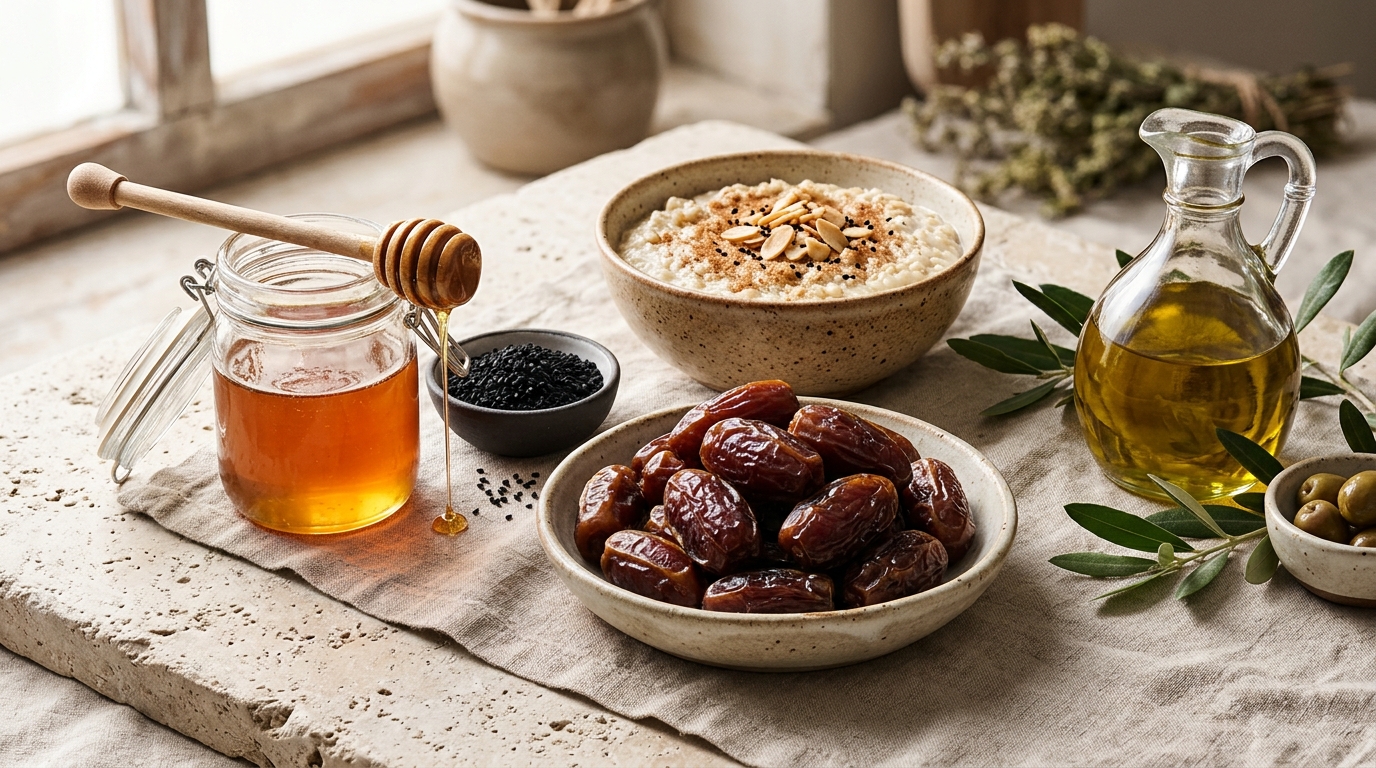
Dates, black seed (kalonji), raw honey, barley (talbina), and extra virgin olive oil hold an esteemed place in Islamic prophetic tradition (Sunnah). For centuries, Muslim households have regarded these five ingredients with profound cultural and spiritual reverence. However, in many contemporary homes, they remain relegated to the back of the pantry—brought out only during Ramadan, when someone catches a cold, or as symbolic ceremonial tokens.
The true culinary beauty of these traditional ingredients lies in their everyday utility. When approached through the lens of modern nutrition and smart kitchen prep, these five staples effortlessly elevate weekday breakfasts, vibrant salads, wholesome dinners, and quick pantry lunches. This comprehensive guide breaks down the culinary science, flavor pairings, safety rules, and practical meal plans to help you weave Sunnah foods into your family’s routine seamlessly.
This guide offers kitchen techniques, flavor pairings, and dietary meal planning advice. It is not medical advice. While whole foods support long-term wellness, they do not replace prescribed medical therapies. If you manage blood sugar conditions, take prescription blood thinners, or have chronic health conditions, consult your physician or registered dietitian before introducing concentrated medicinal doses of herbs or seeds.
1. Dates: the caramel of whole-food nutrition
Dates (particularly varieties like Medjool, Ajwa, and Deglet Noor) are nutritional powerhouses packed with dietary potassium, magnesium, copper, polyphenols, and soluble fiber. In modern cooking, dates act as an unrefined, whole-food alternative to granulated white sugar, adding rich caramel notes and natural moisture to everyday dishes.
How to cook with dates in a normal week
- Date and tahini morning spread: Blend 6 pitted Medjool dates with 2 tablespoons of nutty sesame tahini, a pinch of sea salt, a squeeze of fresh lemon juice, and 2 tablespoons of warm water until smooth. Spread over toasted sourdough or warm whole-wheat naan for a sustained-energy breakfast.
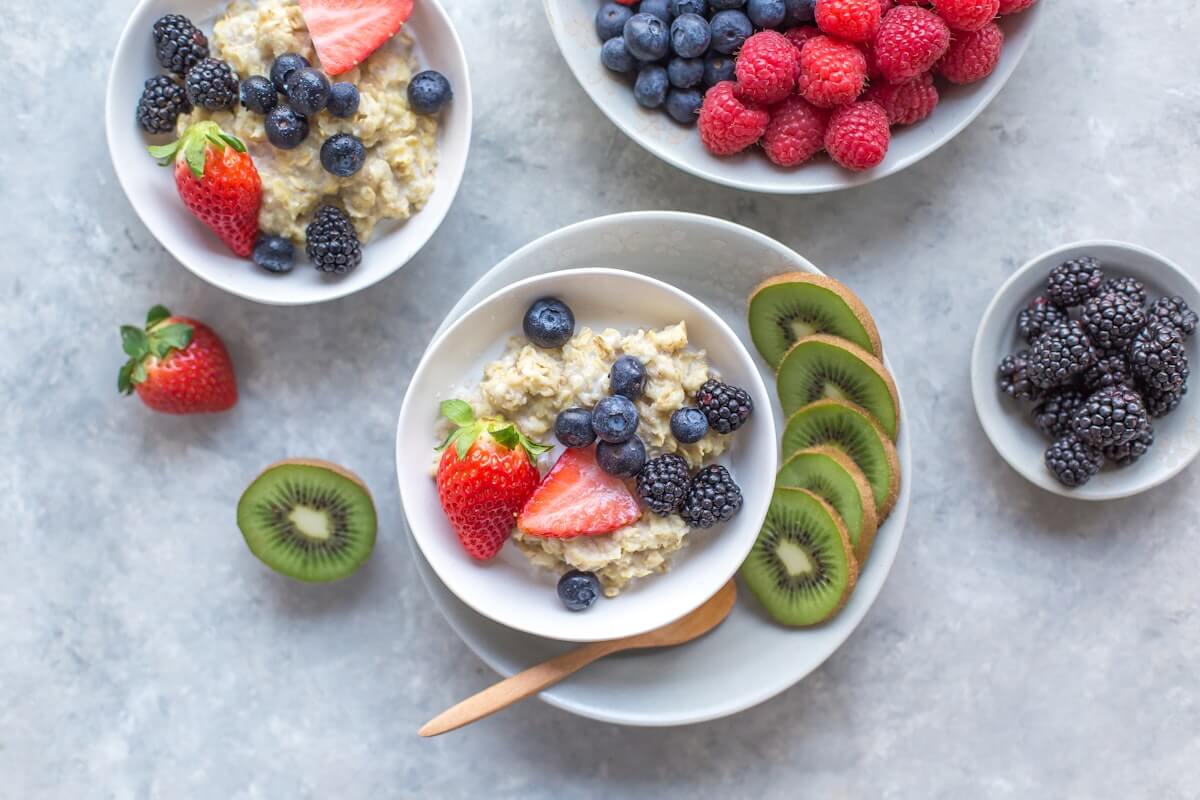
- Whole-grain breakfast booster: Dice two pitted dates directly into simmering steel-cut oats or stir them into chilled overnight oats with berries. The dates melt gently into the warm grains, naturally sweetening every spoonful without table sugar.
- Savory balance in braises and stews: Coarsely chopped dates soften the sharp acidity of tomato-based stews. Add 3 to 4 halved dates into the final 20 minutes of braising lamb or tagine; they impart subtle complexity without making the gravy overly sweet.
- Post-workout protein snacks: Split a Medjool date lengthwise, remove the pit, and fill the cavity with one teaspoon of creamy natural almond butter or crunchy walnuts for a rapid post-exercise refuel in an almond berry breakfast bowl.
Portion reality: While dates provide valuable fiber and trace minerals, they are naturally calorie-dense and high in fruit sugars (glucose and fructose). For standard meal planning, treat 1 to 3 dates as a sweet food portion rather than an unlimited snack.
2. Black seed (kalonji): the peppery finishing spice
Black seed (Nigella sativa, known as kalonji in Urdu and Hindi, or habbat al-barakah in Arabic) is often confused with black sesame or onion seed, but it belongs to an entirely different botanical family (Ranunculaceae). It boasts a complex flavor profile: earthy, peppery, slightly bitter, with undertones of toasted oregano and black pepper.
Mastering the flavor in daily meals
Nigella seeds contain volatile aromatic oils, predominantly thymoquinone. Because the seeds have a sturdy outer shell, biting into raw seeds can release an unpleasantly pungent bitterness. Unlocking their warm aroma requires either dry heat or hot oil tempering:
- Dry pan toasting: Warm a small skillet over medium-low heat. Add 1 to 2 tablespoons of black seeds and toast gently for 90 seconds until a nutty, herbal fragrance rises. Allow them to cool, then store in an airtight spice shaker.
- Artisan flatbread topping: Brush flatbread dough with olive oil or yogurt wash, then press toasted kalonji and flaky sea salt into the dough before baking.
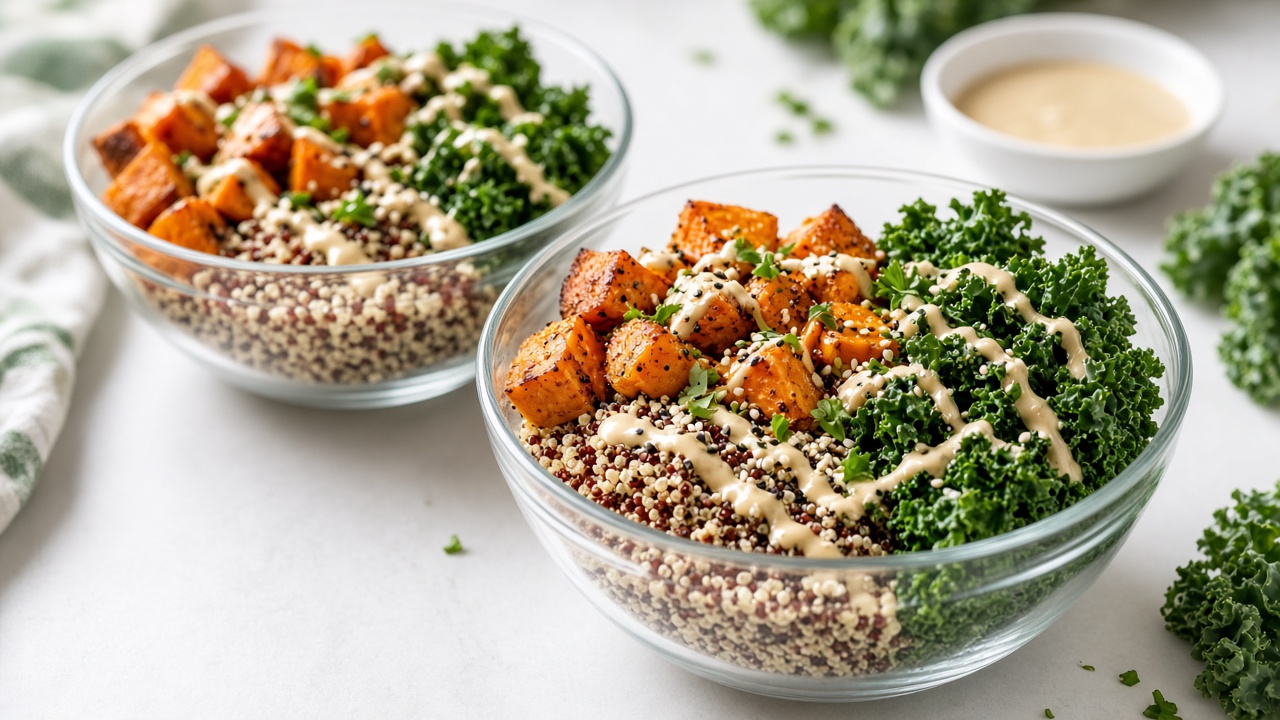
- Sheet-pan roasted root vegetables: Toss cubed butternut squash, carrots, and sweet potatoes with olive oil, sea salt, ground cumin, and 1/2 teaspoon of whole kalonji before roasting at 400°F (200°C). The seeds crisp up and provide delightful texture.
- Aromatic lentil finisher (Tarka): Heat a tablespoon of olive oil or ghee in a small pan, sizzle garlic slices and 1/2 teaspoon of black seeds until aromatic, and pour the sputtering oil directly over a bowl of hearty lentil soup.
3. Pure raw honey: delicate liquid gold
Unlike industrial commercial honey—which is frequently ultra-filtered, overheated, and stripped of pollen—pure raw honey preserves delicate floral enzymes, organic acids, and antioxidants. Honey provides rapid carbohydrate energy accompanied by nuanced flavor dimensions determined by the blossoms visited by the bees.
The golden kitchen rule: never boil honey
Exposing delicate raw honey to rolling boils or sustained extreme oven heat degrades its volatile aromatic compounds and denatures its natural enzymes. To capture both the health advantages and luscious flavor of raw honey, always treat it as a gentle finisher:
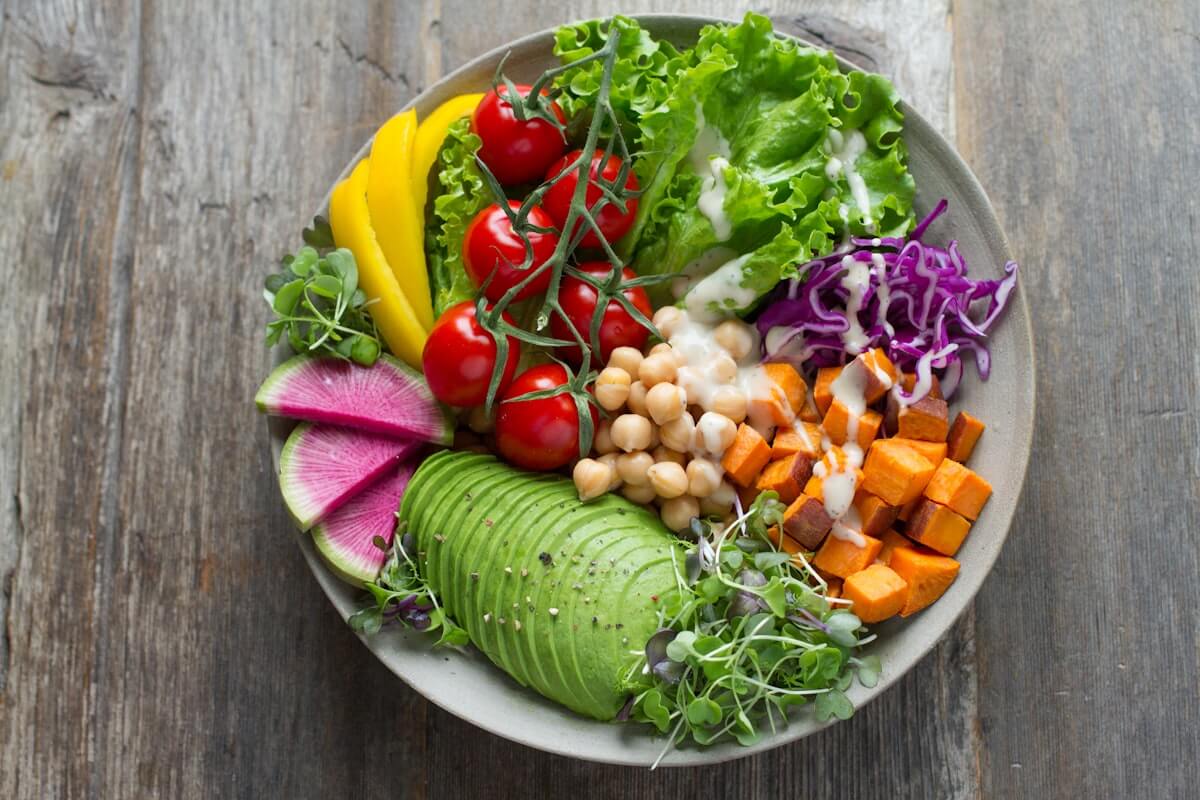
- Whisk into emulsified salad dressings: Combine 1 tablespoon of raw wildflower honey, 2 tablespoons of fresh lemon juice, 1 teaspoon of Dijon mustard, and 4 tablespoons of extra virgin olive oil. Whisk until creamy and dress fresh crisp greens.
- Post-roast poultry glaze: Brush a glaze of warm honey, minced fresh rosemary, and black pepper over roast chicken or lemon herb chicken during the final 3 minutes of cooking so the honey caramelizes gently without scorching.
- Probiotic yogurt parfaits: Layer thick, unflavored whole-milk Greek yogurt with sliced figs, toasted pistachios, and a slow golden drizzle of raw honey for an effortless Sunday brunch.
Never feed raw or pasteurized honey to infants under 12 months of age. An infant’s immature digestive system cannot defend against Clostridium botulinum spores occasionally present in honey, which can cause severe infant botulism.
4. Talbina (barley porridge): gut-soothing comfort
Talbina is an ancient, soothing porridge made from finely ground whole-grain barley flour simmered in fresh milk or water and sweetened with raw honey. Prophetic narrations celebrate talbina for its ability to bring tranquility to grieving hearts and relieve physical exhaustion.
From a nutritional standpoint, whole barley (Hordeum vulgare) is one of nature’s richest dietary sources of beta-glucan—a potent soluble fiber that forms a viscous, soothing gel in the gastrointestinal tract. Beta-glucan helps lower LDL cholesterol, stabilizes post-meal blood glucose spikes, and acts as a prebiotic substrate for beneficial gut microbiota.
The foolproof 10-minute authentic talbina recipe
- Whisk the base: In a small saucepan, whisk 2 level tablespoons of finely ground whole-grain barley flour into 1 cup of cold whole milk (or fortified oat/almond milk) until completely smooth with no lumps.
- Gently thicken: Place the saucepan over medium-low heat. Stir continuously with a wooden spoon or silicone spatula for 6 to 8 minutes. The porridge will thicken from a watery liquid into a velvety, creamy custard.
- Season and garnish: Remove from the heat. Allow to cool for 2 minutes, then stir in 1 teaspoon of raw honey, a pinch of freshly ground cinnamon, and 2 chopped soft dates. Top with toasted slivered almonds or crushed pistachios.
5. Extra virgin olive oil: liquid heart health
Referred to in the Quran as oil from a "blessed olive tree" (Surah An-Nur 24:35), extra virgin olive oil (EVOO) is the cornerstone of the celebrated Mediterranean dietary pattern. Rich in monounsaturated oleic acid and phenolic antioxidants (oleocanthal and oleuropein), authentic cold-pressed olive oil supports cardiovascular elasticity and combats systemic inflammation.
Culinary tips for preserving olive oil quality
- Match grade to heat: Reserve premium, peppery, single-origin extra virgin olive oil for cold vinaigrettes, crusty bread dipping, and raw table finishing over steamed greens or Mediterranean quinoa salad. For high-heat stir-fries or deep roasting, choose regular olive oil or avocado oil.
- Protect from heat and sunlight: Olive oil degrades rapidly when exposed to ultraviolet light and heat. Store your oil in dark tinted glass bottles in a cool pantry, never on the countertop right next to your stovetop burners.
- Freshness matters: Unlike fine red wine, olive oil does not improve with age. Use opened bottles within 60 to 90 days for peak phenolic potency and vibrant peppery bite.
Weekly pantry integration schedule
| Day | Breakfast Focus | Lunch Focus | Dinner Focus |
|---|---|---|---|
| Monday | Warm talbina porridge with chopped Medjool dates and crushed pistachios | Lentil soup drizzled with lemon juice, sea salt, and extra virgin olive oil | Baked salmon with a side of black seed-spiced roasted butternut squash |
| Tuesday | Chilled overnight oats prepared with chia seeds and date paste | Mediterranean quinoa salad tossed with fresh herbs and raw honey vinaigrette | Slow-simmered chicken stew finished with raw olive oil and toasted flatbread |
| Wednesday | Toasted whole-grain bread layered with date-tahini spread and banana slices | Warm barley and chickpea grain bowl with roasted cauliflower and kalonji | Herb-crusted chicken skewers paired with cool cucumber yogurt raita |
| Thursday | Classic Greek yogurt parfait drizzled with raw honey and walnuts | Leftover quinoa bowl refreshed with a crisp drizzle of extra virgin olive oil | Spiced red lentil dal tempered with black seed, garlic, and cumin tarka |
| Friday | Creamy talbina porridge lightly spiced with cardamom and raw honey | Whole-wheat wrap with roasted vegetables, hummus, and toasted black seeds | Festive family lamb or chicken karahi with fresh ginger and cilantro garnish |
What fails: 5 common mistakes with Sunnah foods
- Boiling raw honey into tea: Stirring delicate raw honey into boiling water immediately denatures its beneficial enzymes. Always let herbal teas or warm milk cool to a drinkable warm temperature before stirring in honey.
- Overusing black seed: Because kalonji is revered for health, cooks sometimes dump multiple tablespoons into a curry. Nigella seeds have high tannin levels; over-portioning makes meals intensely bitter and astringent. Stick to 1/2 to 1 teaspoon for an entire 4-portion family pot.
- Using oxidized olive oil: Storing clear glass bottles on sunlit window sills oxidizes polyunsaturated fats, creating stale, rancid notes. Buy dark glass or metal tins.
- Relying on old, bitter barley flour: Whole-grain barley flour contains active germ oils that can turn rancid within a few months of milling. Buy whole barley grain or purchase small bags of flour and store them in the freezer to preserve sweet, nutty freshness.
- Treating dates as non-caloric snacks: Eating a dozen dates while binge-watching an evening show can quietly add 800 calories of concentrated fruit sugars. Eat them intentionally, paired with protein or healthy fats to blunt insulin spikes.
Frequently asked questions
Can people with type 2 diabetes consume dates and honey?
Individuals with diabetes can often enjoy dates and honey in measured moderation, but both ingredients contain real carbohydrates that directly impact blood glucose levels. Dates have a low-to-medium glycemic index (GI around 42–50) thanks to their dense dietary fiber matrix. When consuming dates, eat only 1 or 2 at a time and pair them with healthy fats or protein (such as unsalted almonds or whole Greek yogurt) to slow carbohydrate absorption. Always monitor your post-meal blood sugar levels and consult your healthcare team.
What is the difference between black seed (kalonji) and black sesame?
While they look similar at a glance, they are entirely distinct seeds. Black sesame seeds are flat, teardrop-shaped, mild, and nutty, belonging to the Sesamum indicum species. Black seeds (kalonji or nigella) are tiny, three-sided, angular charcoal-black seeds with a pungent, herbal, peppery aroma and belong to the Nigella sativa plant. They cannot be substituted 1:1 in savory recipes.
How does talbina compare to standard rolled oatmeal?
Both oats and barley are outstanding whole grains loaded with beneficial soluble fiber. However, whole-grain barley flour yields a smoother, lighter, more velvety soup-like consistency that is extraordinarily gentle on sensitive stomachs, post-illness digestive tracts, and weary nervous systems. Talbina is digested quickly while delivering steady satiety.
How do I organize my weekly grocery list for these ingredients?
Because four out of five of these items (dates, black seed, honey, and olive oil) are completely shelf-stable, you only need to restock them once every few months. Use our interactive meal plan generator to build balanced daily menus and our grocery list generator to organize your pantry and fresh produce shopping into a single streamlined trip.