Recipe Planning
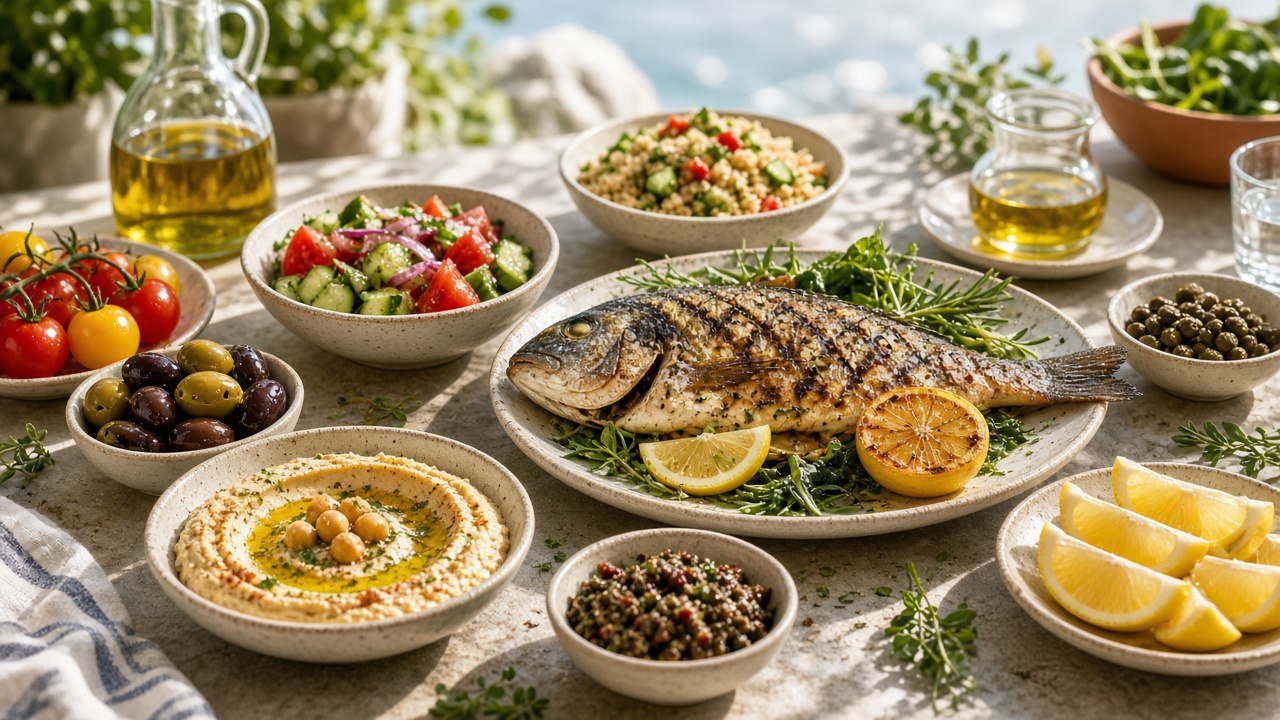
For decades, epidemiological research has consistently ranked the traditional Mediterranean dietary pattern among the most cardioprotective, longevity-promoting, and physically sustainable ways of eating on earth. Unlike restrictive fad diets that demand aggressive calorie counting, macronutrient elimination, or synthetic meal replacement shakes, the Mediterranean lifestyle is founded on culinary abundance: vibrant garden produce, cold-pressed extra virgin olive oil, wild-caught seafood, fiber-rich legumes, toasted whole grains, and aromatic fresh herbs.
Yet, for many modern home cooks, attempting to implement a 7-day Mediterranean meal plan at home feels unexpectedly complicated. Many online guides insist on rare artisanal ingredients, multi-hour cooking techniques, and exorbitant imported delicacies. In real Mediterranean coastal villages, however, daily cooking is humble, economical, and fast. By focusing on smart supermarket staples, shared seasonal vegetables, and simple pan-searing methods, you can bring authentic Mediterranean nutrition to your weeknight table in 30 minutes or less.
The core culinary pillars of authentic Mediterranean eating
To capture the full cardiovascular and metabolic benefits of the Mediterranean diet, align your weekly kitchen logistics with these five foundational pillars:
- Extra Virgin Olive Oil (EVOO) as Primary Cooking Fat: Replace butter, margarine, and refined vegetable oils with unrefined cold-pressed olive oil. EVOO is loaded with cardioprotective monounsaturated oleic acid and potent anti-inflammatory polyphenols like oleocanthal.
- Legumes and Pulses as Daily Anchors: Chickpeas, cannellini beans, brown lentils, and green peas supply viscous soluble fiber that binds digestive cholesterol while nourishing beneficial gut bifidobacteria.
- Seafood Two to Three Times Weekly: Fatty cold-water fish like salmon, sardines, and mackerel provide bioactive eicosapentaenoic acid (EPA) and docosahexaenoic acid (DHA) omega-3 fatty acids that support endothelial health and reduce arterial inflammation.
- Vibrant Phytochemical Volume: Every plate should be half-filled with colorful vegetables: deep lycopene from cooked tomatoes, allicin from fresh garlic, lutein from dark leafy greens, and anthocyanins from red onions and berries.
- Herbal Seasoning Over Sodium: Build flavor complexity using fresh oregano, rosemary, thyme, flat-leaf parsley, garlic cloves, and freshly squeezed lemon juice rather than excessive added salt.
The 7-day Mediterranean dinner calendar
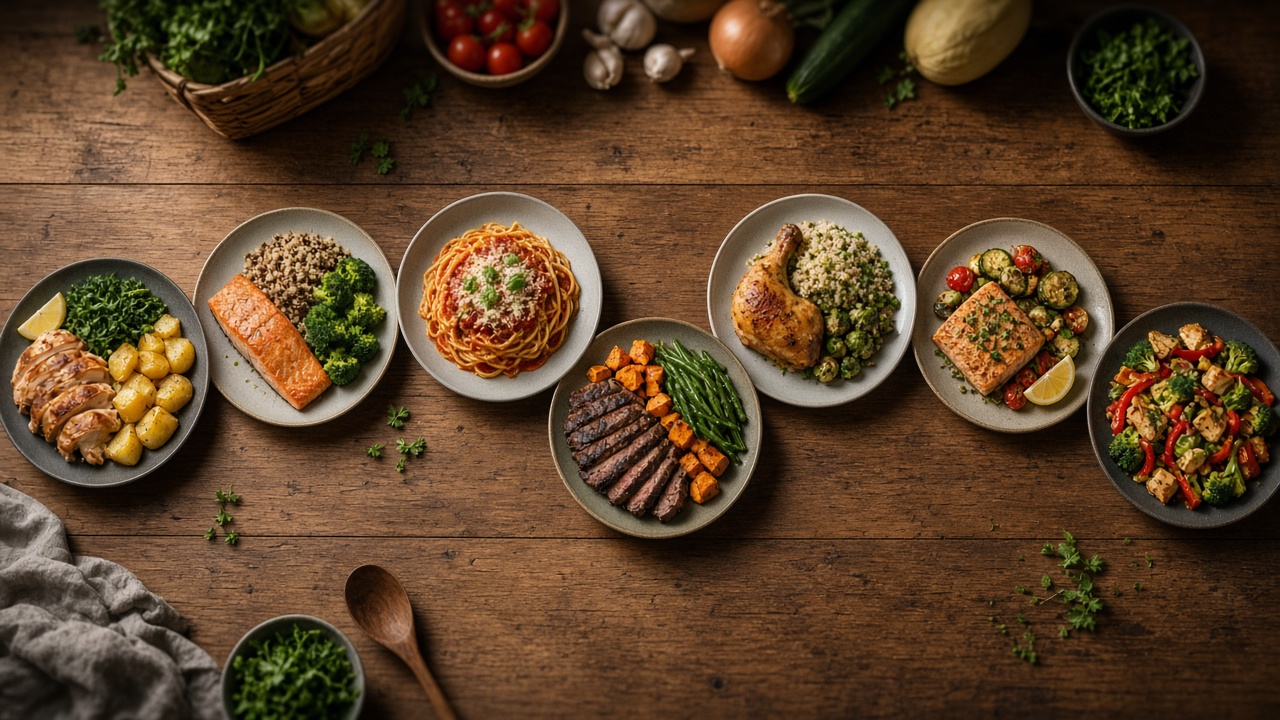
This balanced schedule pairs fast-cooking seafood and poultry with hearty plant-based legume evenings. Scale portions dynamically with our interactive servings scaler.
| Day | Breakfast | Lunch | Dinner | Mediterranean Flavor Focus & Technique |
|---|---|---|---|---|
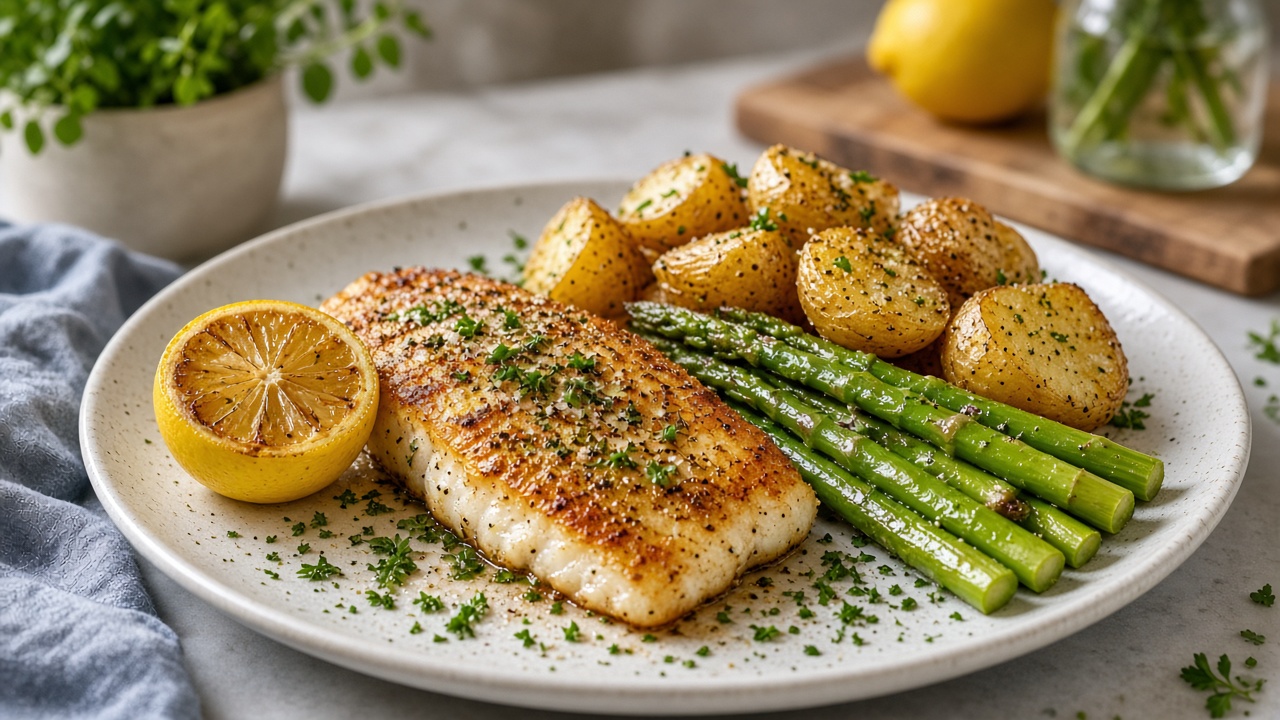
| Monday | Greek yogurt with crushed raw walnuts, sliced fresh figs or berries, and honey | Mediterranean farro bowl with diced cucumbers, kalamata olives, chickpeas, and feta | Juicy pan-seared lemon herb chicken with roasted asparagus and baby potatoes | Marinate chicken thighs in olive oil, fresh lemon juice, crushed garlic, and oregano; sear in hot cast iron. |
| Tuesday | Toasted whole-grain sourdough rubbed with fresh garlic and ripe crushed tomato with EVOO | Speedy mediterranean chickpea wrap with creamy tahini drizzle and romaine | Tender oven-baked baked cod with cherry tomatoes, capers, and garlic green beans | White cod fillets nestle into a baking dish with sweet cherry tomatoes, capers, and olive oil; bakes in 15 minutes. |
| Wednesday | Warm rolled oats simmered with cinnamon, chopped apples, and ground flaxseed | Leftover baked cod and blistered cherry tomatoes served over warm quinoa | Comforting bowl of hearty lentil soup with a crusty slice of artisanal sourdough | Simmer brown lentils with mirepoix, tomato paste, vegetable broth, and cumin; finish with a splash of red wine vinegar. |
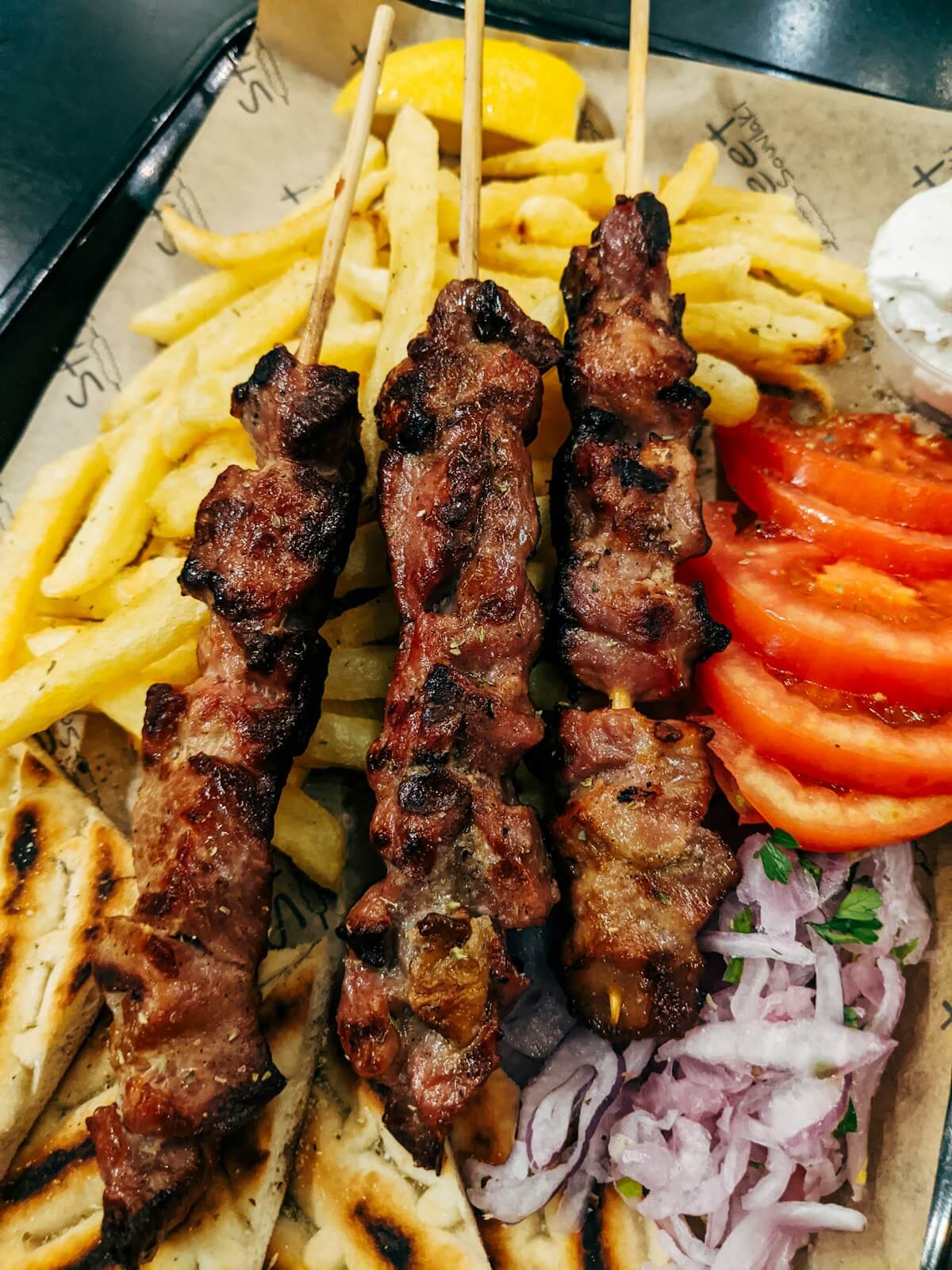
| Thursday | Poached pastured eggs over sautéed kale, warm chickpeas, and a drizzle of spicy harissa | Leftover hearty lentil soup paired with a chilled side salad of wild arugula and lemon | Grilled greek chicken skewers with house-made tzatziki, warm pita, and chopped Greek salad | Thread marinated chicken breast cubes onto skewers; broil or grill until lightly charred and juicy. |
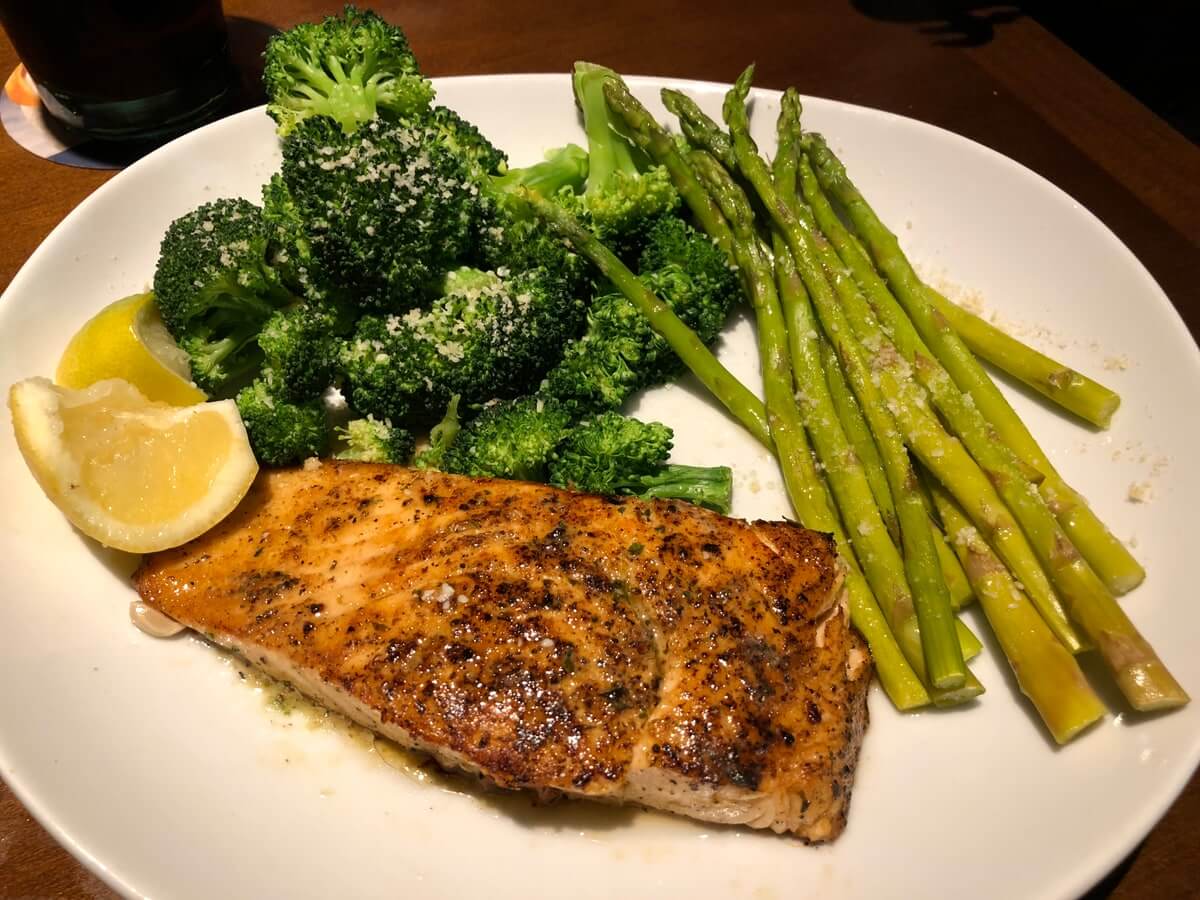
| Friday | Chia seed pudding prepared with unsweetened almond milk, raspberries, and slivered almonds | Greek chicken salad bowl: leftover chicken skewer pieces over romaine, red onion, and cucumber | Crispy skin salmon with roasted asparagus and lemon garlic orzo | Rich omega-3 wild salmon; roast asparagus spears alongside the fillets on a single sheet pan at 400°F (204°C). |
| Saturday | Vegetable frittata with zucchini ribbons, sweet bell peppers, red onion, and crumbled goat cheese | Leftover vegetable frittata served with mixed field greens and balsamic vinaigrette | Rustic Sicilian eggplant caponata tossed with whole wheat penne, fresh basil, and toasted pine nuts | Sauté cubed eggplant, celery, sweet onions, capers, and crushed tomatoes in generous olive oil until meltingly tender. |
| Sunday | Shakshuka: pasture-raised eggs poached gently in a spiced tomato, pepper, and onion sauce | Leftover whole wheat penne with Sicilian caponata | Mediterranean mezze table: warm hummus, stuffed grape leaves, tabbouleh, roasted peppers, and olives | Relaxed Sunday family grazing board; combine prepped leftovers with warm whole wheat pita wedges. |
The single supermarket shopping strategy
You do not need an upscale specialty boutique to cook authentic Mediterranean meals. Every ingredient on this plan is available at standard grocery supermarkets:
- Seafood & Poultry: 4 salmon fillets (6 oz each), 4 cod or haddock fillets, 1.5 lb skinless boneless chicken breasts, and 2 dozen eggs.
- Legumes & Canned Goods: 4 cans chickpeas, 1 bag dry brown lentils, 3 cans San Marzano style whole peeled tomatoes, and 1 jar pitted Kalamata olives.
- Fresh Produce: 2 bunches asparagus, 1 lb fresh green beans, 2 medium eggplants, 3 pints cherry tomatoes, 1 container baby spinach, 2 heads romaine, 1 bunch flat-leaf parsley, 6 lemons, and 2 garlic heads.
- Grains & Dairy: Whole-grain sourdough bread, farro or quinoa, whole wheat orzo, authentic Greek block feta in brine, and whole-milk plain Greek yogurt.
- Oils & Seasonings: First cold-pressed extra virgin olive oil, dried wild oregano, dried thyme, and sea salt.
Use our automated grocery list generator to consolidate these ingredients by aisle, and read our aisle-by-aisle shopping guide for maximum efficiency.
What fails: 5 mistakes that compromise Mediterranean eating
- Cooking with refined seed oils while saving EVOO for salads: High-quality extra virgin olive oil has a smoke point between 375°F and 410°F (190°C–210°C), making it remarkably stable for pan-searing and roasting. Its high polyphenol content actively protects the oil against oxidation. Cook with real olive oil daily.
- Buying flavored, sweetened "Greek" yogurts: Commercial yogurts labeled as "Mediterranean" or "Greek" often pack 15 to 20 grams of added sugar per cup. Always purchase 100% plain, unsweetened whole-milk Greek yogurt and sweeten it naturally with fresh berries or a teaspoon of raw honey.
- Consuming excessive refined pita bread: While whole grains are celebrated in Mediterranean traditions, filling up on stacks of fluffy white flour pita spikes blood glucose and displaces nutrient-dense vegetables and seafood. Prioritize intact grains like farro, barley, and quinoa.
- Treating red meat as a primary protein: In authentic blue-zone Mediterranean diets, beef, lamb, and pork are consumed sparingly — perhaps once or twice a month as a culinary accent in slow stews — rather than as nightly centerpieces.
- Letting delicate fresh herbs wilt in plastic: Fresh flat-leaf parsley, mint, and dill impart the signature bright aroma of Mediterranean cuisine. Do not leave them suffocating in plastic produce bags; rinse, pat dry, and store wrapped in a damp paper towel inside a glass container.
Frequently asked questions
Can I follow the Mediterranean diet if I don't eat seafood?
Yes. If you are allergic to or dislike seafood, substitute wild fish with pastured poultry, organic eggs, firm tofu, and generous servings of legumes (lentils, chickpeas, white beans). Consider taking a high-purity algae-based DHA/EPA supplement to ensure optimal omega-3 levels.
Is red wine mandatory on the Mediterranean diet?
No. While moderate red wine consumption (one glass daily with food) is traditionally part of Mediterranean culture, medical guidelines emphasize that if you do not currently drink alcohol, you should not begin drinking for health benefits. Polyphenols can be abundantly obtained from red grapes, blueberries, dark chocolate, and extra virgin olive oil.
How long do prepped Mediterranean dishes keep in the fridge?
Cooked lentil soups, chickpea stews, caponata, and farro salads store safely and maintain extraordinary flavor for 4 to 5 days in sealed glass containers. Cooked fish fillets are best consumed within 48 hours of preparation.
How can I build an automated Mediterranean meal plan?
Organize your weekly cooking effortlessly with our free meal plan generator. Select the Mediterranean diet filter, configure your family size with the servings scaler, and discover smart ways to use leftover ingredients with our leftover finder.