Recipe Planning

For the millions of nurses, physicians, paramedics, law enforcement officers, firefighters, manufacturing operators, and transport drivers who work night shifts, rotating rosters, or grueling 12-hour schedules, conventional nutrition advice sounds like an offensive joke. Mainstream diet plans assume a predictable 9-to-5 circadian existence: waking up with the morning sunrise, eating a leisurely breakfast at 8:00 AM, enjoying a noon lunch break, and gathering around the dinner table at 6:30 PM before sleeping for eight peaceful nighttime hours. For a nurse clocking in at 7:00 PM in an emergency trauma center, that reality does not exist.
Working against your body's evolutionary 24-hour circadian clock places profound biological stress on human metabolism. In clinical Chronobiology, human digestive enzymes, gastric acid secretion, insulin sensitivity, and gut peristalsis are tightly coupled to the suprachiasmatic nucleus (the master brain clock) and peripheral liver clocks. In the middle of the night (between 1:00 AM and 5:00 AM), your pancreas down-regulates insulin secretion, and your liver shifts into a fasting, repair mode. Consuming heavy, high-glycemic meals or greasy fast food at 3:00 AM triggers profound glucose spikes, severe indigestion, nocturnal acid reflux, and long-term metabolic dysregulation. However, by adopting the science of Chrononutrition—anchoring your meals to your shift roster rather than the solar clock, eating protein-dense pre-shift foundation meals, utilizing light nocturnal fueling, and managing post-shift melatonin synthesis—you can maintain stable energy, protect your digestive health, and achieve restorative daytime sleep. This comprehensive guide provides a complete rotating shift meal plan, chrononutrition protocols, and batch-cooking survival strategies.
Occupational Health & Medical Note: This guide provides general chrononutrition frameworks and culinary meal-planning advice for shift work, not clinical medical treatment. Shift work is classified as a metabolic risk factor associated with heightened incidence of cardiovascular disease, gastroesophageal reflux (GERD), metabolic syndrome, and type 2 diabetes. If you take timed medications (such as insulin, oral hypoglycemics, or antihypertensives), consult your physician to synchronize dosing with your shift schedule.
The chrononutrition shift architecture: aligning food with circadian biology
To thrive on irregular hours, throw away conventional meal labels ("breakfast," "lunch," "dinner") and structure your eating around the Four Chrononutrition Anchor Shifts:
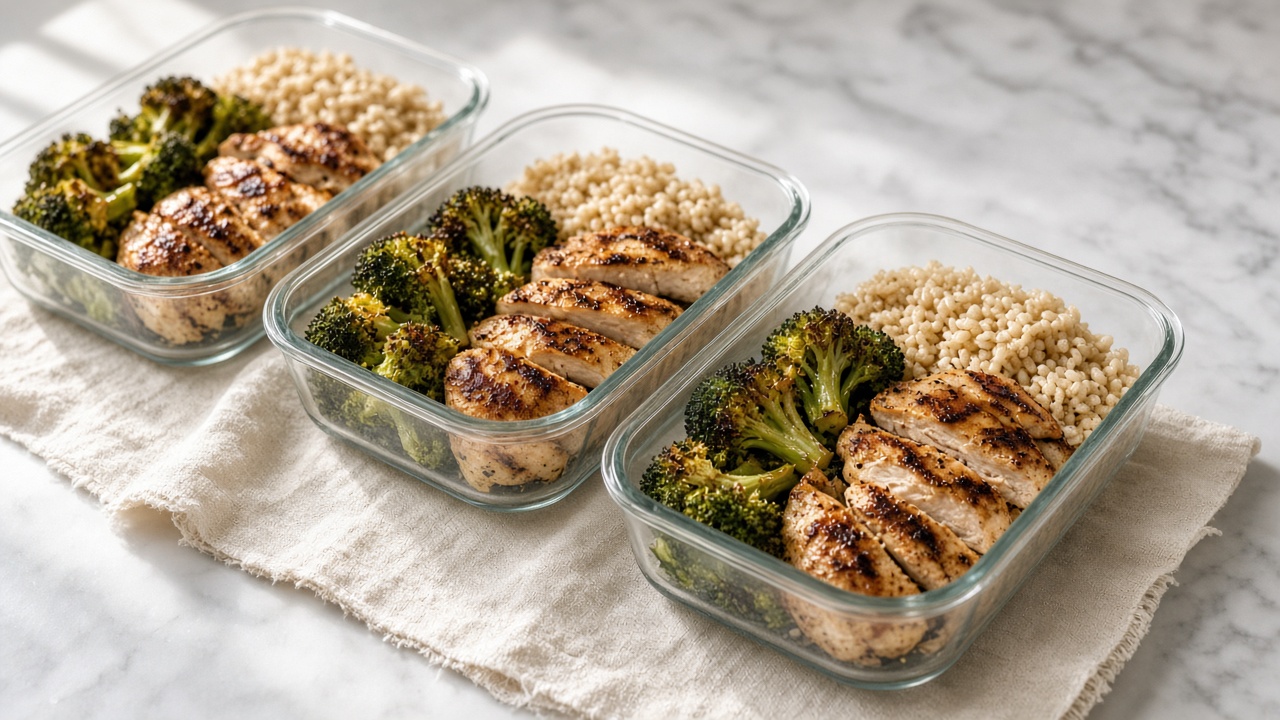
- The Pre-Shift Foundation Meal (The Metabolic Anchor): Eaten 60 to 90 minutes before your shift commences (e.g., 5:30 PM for a night shift, or 5:30 AM for a day shift). This is your largest, most nutrient-dense meal of the cycle. It must follow the balanced plate method: 30 to 40 grams of high-quality protein (chicken, salmon, lean beef, tofu), complex slow-digesting starches (sweet potatoes, brown rice, quinoa), and fiber-rich roasted vegetables with healthy fats. This meal establishes a stable glucose reservoir that fuels cognitive stamina for the first 5 to 6 hours of duty without requiring continuous snacking.
- The Nocturnal Low-Insulin Protocol (The Midnight Fuel): Consumed during your primary mid-shift break (e.g., between 1:00 AM and 2:30 AM). Because nocturnal insulin sensitivity is naturally blunted, consuming high-carbohydrate meals (pasta, pizza, sugary sodas, muffins) causes massive glycemic excursions followed by severe fatigue and digestive heaviness. Keep nocturnal fuel low-glycemic, protein-forward, and easily digestible: slow-simmered bone broth soups, Mediterranean lentil stews, cold chicken wraps, or Greek yogurt parfaits with raw pumpkin seeds.
- Strategic Circadian Caffeine Tapering: Caffeine is an indispensable operational tool for night workers, but improper timing destroys restorative daytime sleep. Caffeine blocks adenosine receptors, preventing your brain from perceiving natural sleep pressure. Implement the 6-Hour Pre-Sleep Cutoff: consume your primary caffeine (coffee, tea) at the start of your shift and during the early hours, cutting off all caffeine completely at least 5 to 6 hours before your scheduled sleep time (e.g., zero caffeine after 2:00 AM for an 8:00 AM bedtime).
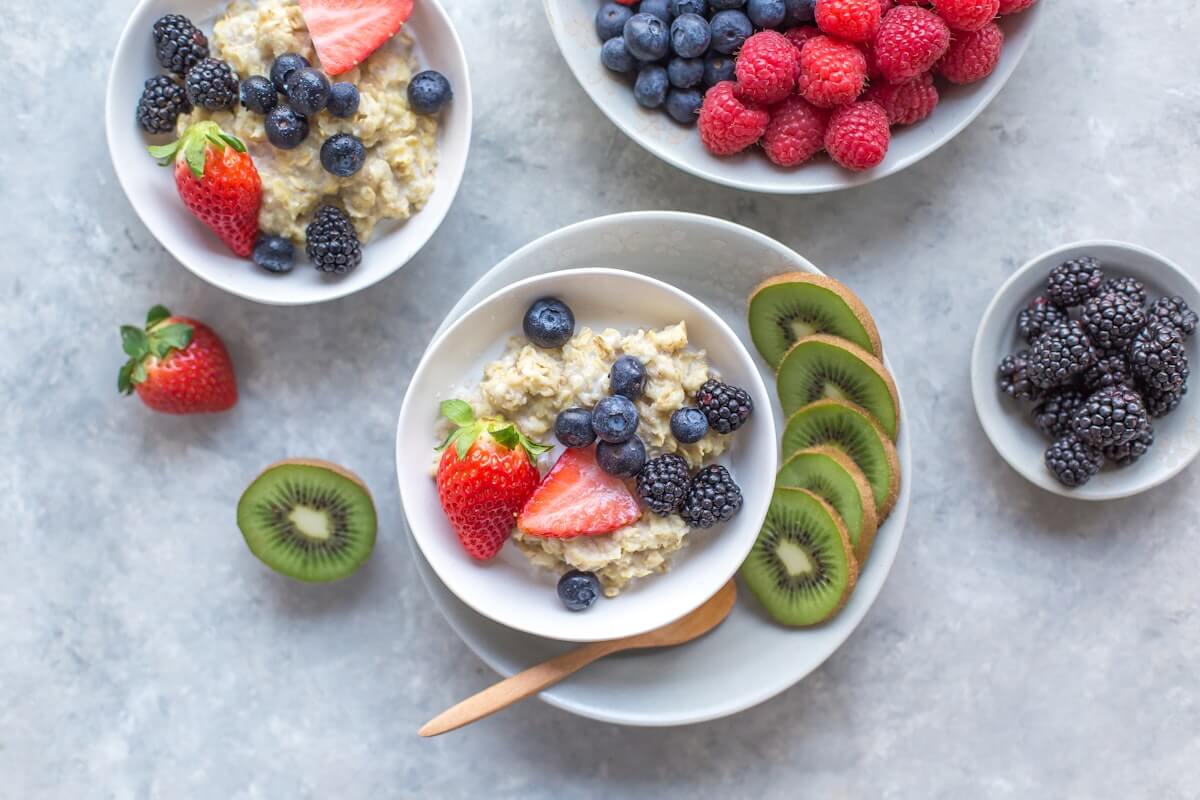
- The Post-Shift Pre-Sleep Wind-Down Meal: Eaten 45 to 60 minutes before going to bed after your shift ends (e.g., 7:30 AM). Going to sleep starving triggers cortisol and adrenaline spikes that wake you after only 3 hours of sleep. Conversely, eating a heavy, greasy breakfast triggers severe acid reflux when lying horizontal. Consume a small, light meal rich in L-tryptophan and magnesium: a warm bowl of rolled oatmeal cooked with almond milk and sliced banana, scrambled eggs on whole-grain sourdough toast, or cottage cheese with berries. Tryptophan crosses the blood-brain barrier to facilitate daytime melatonin synthesis.
The rotating shift-worker master meal plan
This master schedule demonstrates how to fuel day shifts, night shifts, transition days, and recovery off-days using batch-cooked, easily reheatable recipes.
| Shift Roster | Pre-Shift Foundation Meal | Mid-Shift Break Meal | Post-Shift Wind-Down / Rest Meal | Chrononutrition & Prep Note |
|---|---|---|---|---|
| Night Shift 1 (19:00–07:00) | 17:30 — Seared lemon herb chicken with roasted sweet potato wedges and steamed broccoli | 01:30 — Thermos of warm hearty lentil soup with whole-grain crackers and sliced cucumbers | 07:30 — Rolled overnight oats with berries, chia seeds, and raw almond butter before daytime sleep | Lentils provide gentle, slow-digesting protein and fiber without triggering nocturnal reflux; oats support morning melatonin synthesis. |
| Night Shift 2 (19:00–07:00) | 17:30 — Fragrant chickpea and sweet potato curry over brown basmati rice with a side salad | 01:30 — Reheated chicken fried rice with edamame, carrots, and low-sodium tamari | 07:30 — Two soft-scrambled eggs on whole-grain sourdough toast with sliced ripe avocado | Cut off all coffee and energy drinks strictly by 02:00 AM; switch exclusively to cool mineral water or peppermint tea. |
| Night Shift 3 (19:00–07:00) | 17:30 — Oven-baked salmon fillet with roasted baby potatoes and garlic-roasted asparagus spears | 01:30 — Shredded chicken Caesar wrap in a whole-grain tortilla with crisp romaine and cherry tomatoes | 07:30 — Creamy Greek yogurt parfait layered with blackberries and toasted pumpkin seeds | Magnesium in pumpkin seeds and casein protein in Greek yogurt promote muscular relaxation during morning sleep. |
| Transition Day (Flip to Day) | 14:00 (Post-nap wake) — Sourdough toast with poached eggs, smoked salmon, and baby spinach | 18:30 — Light dinner: Turkey and vegetable chili bowl with sliced avocado and cilantro | 22:00 — Chamomile tea with a handful of raw walnuts before normal nighttime sleep | Sleep for 4 to 5 hours in the morning, wake up at 13:00, get immediate outdoor sunlight, and go to bed at a normal night hour to reset your clock. |
| Day Shift 1 (07:00–19:00) | 05:45 — Steel-cut oatmeal with cinnamon, walnuts, and sliced green apple, plus 2 hard-boiled eggs | 12:30 — Mediterranean quinoa bowl with chickpeas, cucumbers, cherry tomatoes, and grilled chicken | 19:30 — Sheet-pan baked wild cod with roasted zucchini, bell peppers, and steamed brown rice | Protein at 05:45 AM halts overnight muscle proteolysis and drives daytime dopamine alertness for a long 12-hour day shift. |
| Day Shift 2 (07:00–19:00) | 05:45 — Sprouted toast with mashed avocado, soft scrambled eggs, and sliced tomatoes | 12:30 — Leftover baked cod with brown rice and a crisp side salad with lemon dressing | 19:30 — Slow-simmered beef or lentil stew with carrots, celery, and crusty sourdough bread | Keep lunch vegetable-forward to avoid the 14:00 postprandial food coma during the afternoon half of your 12-hour day shift. |
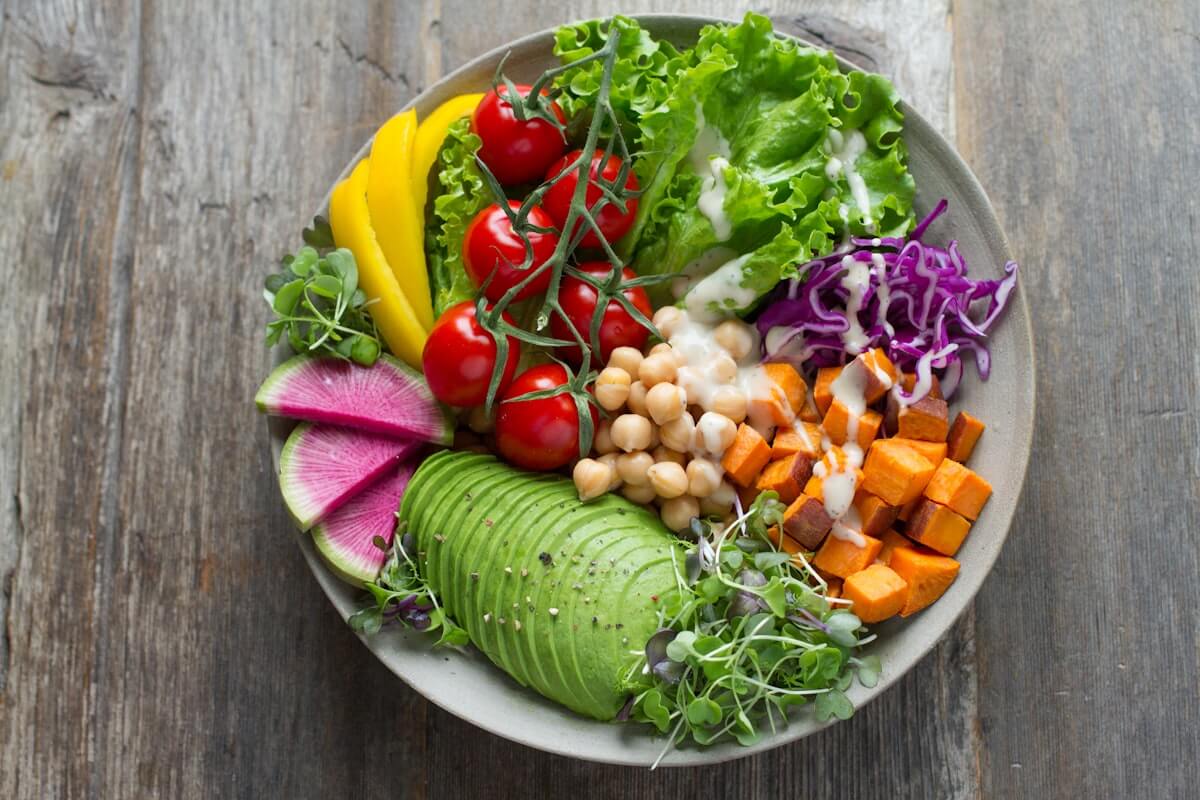
| Off-Day / Rest & Batch Prep | 09:00 — Pasture-raised frittata baked with spinach, mushrooms, and goat cheese with fresh fruit | 13:30 — Vibrant rainbow Buddha bowl with sweet potatoes, kale, chickpeas, and tahini dressing | 19:00 — Grilled steak or portobello cap with chimichurri sauce, roasted parsnips, and green beans | Execute the 90-minute batch-cooking session: prepare a 6-quart stockpot of soup, roast 2 sheet pans of roots, and cook rice for the next rotation. |
Batch cooking and break-room storage logistics
When working odd hours, convenience stores and hospital vending machines are predatory traps filled with refined sugar and trans fats. Survival depends on bulletproof kitchen logistics:
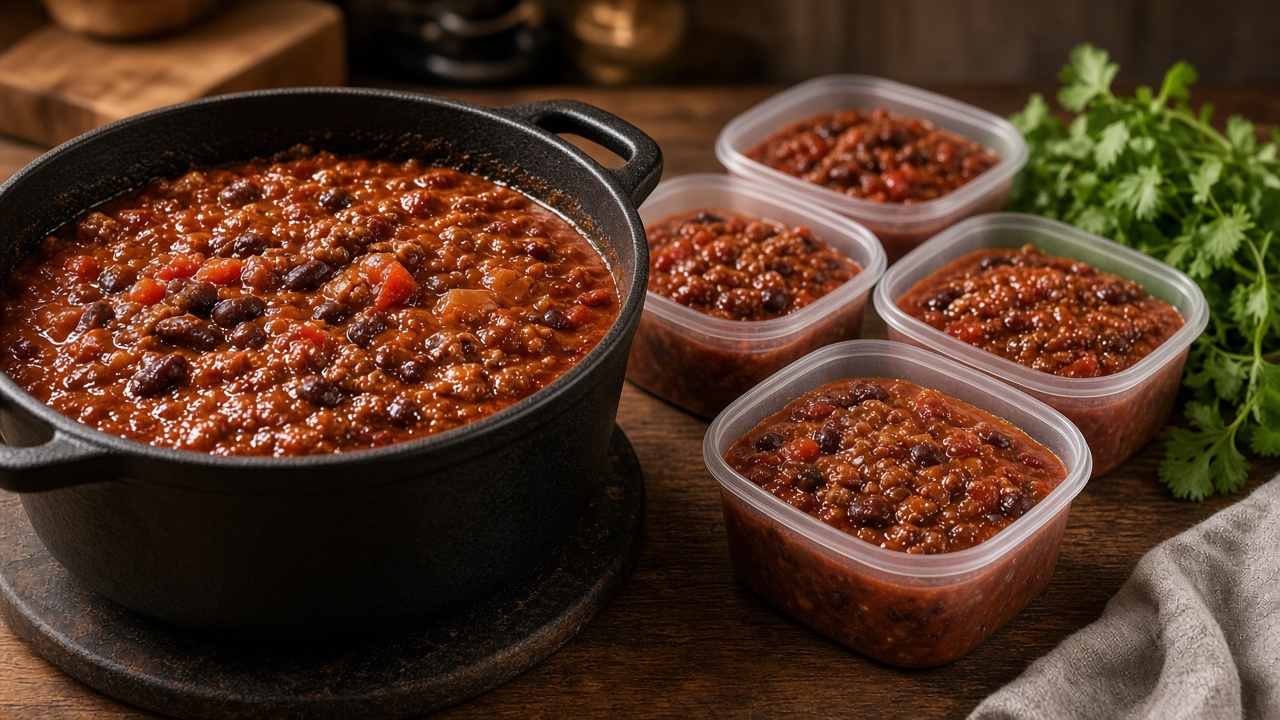
- The Freezer Portion Strategy: Cook large 6-quart batches of chili, lentil soups, and curries on your days off. Cool quickly, divide into individual single-serving glass containers, label with the recipe name and date, and freeze. On your way out the door to a 12-hour shift, grab a frozen container; it thaws safely in your cooler bag and is ready to microwave at 1:30 AM.
- Label Everything in Communal Fridges: Hospital and industrial break-room refrigerators are notorious for food theft and accidental disposal by cleaning staff. Store meals in an opaque personal insulated cooler bag with your name prominently marked in permanent marker, or place your own mini-lock on a zippered lunch bag.
- Carry High-Protein "Emergency Bridge" Snacks: Keep non-perishable protein in your locker or work bag for nights when an emergency trauma prevents you from taking a scheduled meal break: raw almonds, meat sticks with zero sugar, roasted chickpeas, and shelf-stable protein shakes.
Optimizing daytime sleep: environmental light & temperature control
Nutrition provides metabolic fuel, but deep daytime recovery requires honoring circadian neurobiology:
- Wear Dark Sunglasses on the Morning Drive Home: Morning sunlight entering your eyes stimulates retinal ganglion cells, signaling the suprachiasmatic nucleus that it is daytime and suppressing endogenous melatonin release. Put on wrap-around dark polarized sunglasses before exiting the hospital or facility to protect your natural sleep drive.
- Blackout Bedroom Environment: Daytime sleep must take place in pitch darkness. Install blackout curtains or wear a contoured eye mask, and turn off all electronic LEDs. Total darkness allows the pineal gland to synthesize melatonin even at 9:00 AM.
- Keep the Bedroom Cool: Core body temperature naturally drops during sleep. Sleeping during hot daylight hours elevates skin temperature, causing fragmented sleep. Set bedroom air conditioning to 65°F–68°F (18°C–20°C).
What fails: 5 mistakes shift workers make
- Succumbing to the 3:00 AM vending machine sugar binge: During long nocturnal shifts, mental fatigue and boredom trigger intense cravings for candy bars, chips, and sodas. Consuming high-fructose snacks at 3:00 AM produces massive insulin surges that your nocturnal liver cannot process, leading to rapid fat storage, acute heartburn, and severe energy crashes by 5:00 AM.
- Drinking high-caffeine energy drinks at 4:30 AM: Guzzling a 200 mg energy drink to survive the final 90 minutes of your shift ensures that when you arrive home at 8:00 AM, your brain is saturated with caffeine. You toss and turn in bed, sleeping only 3 fitful hours, and wake up exhausted for your next night shift.
- Eating a massive, greasy breakfast before daytime sleep: Stopping at a drive-thru for greasy breakfast sandwiches or fried hash browns right before bed forces your gastrointestinal tract into heavy mechanical digestion while you lie flat, triggering severe acid reflux and destroying slow-wave delta sleep.
- Chronic dehydration during busy shifts: Wearing personal protective equipment (PPE) or managing intense operational emergencies often causes workers to avoid drinking water to minimize bathroom trips. Subclinical dehydration impairs cognitive decision-making, slows reaction times, and promotes kidney stone formation. Keep a measured water bottle within reach.
- Isolating completely from family and daylight: Living entirely in the dark on off-days leads to clinical Vitamin D deficiency and severe shift-work sleep disorder. On recovery days, step outside into morning sunlight to recalibrate your circadian rhythm and protect your mental health.
Frequently asked questions
How should I adjust my meal timing when transitioning from day to night shifts?
On the transition day (the day of your first night shift), wake up at your normal morning hour and eat a normal breakfast. Eat a balanced lunch around 12:30 PM, then take a dedicated 90-minute to 2-hour afternoon nap from 14:00 to 16:00. Wake up, consume your large Pre-Shift Foundation Meal at 17:30, and proceed into your night shift following the nocturnal fueling protocol. This smooth transition buffers your metabolism without severe caloric deficits.
What are the best snacks for the brutal 3:00 AM to 4:00 AM energy dip?
Avoid candy and pastries. The optimal 3:00 AM cognitive fuel consists of: a small handful of raw walnuts paired with a crisp green apple, a hard-boiled egg with sea salt, or 1/2 cup of plain Greek yogurt with fresh berries. Combine this with 16 ounces of ice-cold mineral water and 60 seconds of gentle stretching or brisk stair-walking to stimulate circulatory alertness without caffeine.
How do I manage digestive reflux and heartburn during night shifts?
Nocturnal acid reflux occurs because gastric emptying slows down at night and lower esophageal sphincter pressure decreases. Prevent reflux by keeping nocturnal break meals small and low in fat, avoiding carbonated sodas and acidic citrus juice late in the shift, and waiting at least 45 to 60 minutes after eating your post-shift wind-down meal before lying horizontal in bed. Elevating the head of your bed by 6 inches can also physically prevent acid backflow.
How do I plan and prep a shift-worker weekly grocery haul?
Take the chaos out of shift-work nutrition with our specialized culinary tools. Generate a customized 7-day meal plan tailored to your exact shift rotation with our meal plan generator, convert batch-cooking ingredients into an organized shopping checklist with the grocery list generator, and discover smart recipes for leftover proteins and grains with our leftover finder.