Recipe Planning
Few things are as emotionally distressing as noticing clumps of excess hair gathering in the shower drain or watching your hairbrush fill up week after week. In modern wellness culture, the immediate impulse is to purchase expensive topical shampoos, scalp oils, or high-dose celebrity-endorsed hair gummies. Yet, from the perspective of clinical trichology and human physiology, a hair follicle is one of the most metabolically active and rapidly dividing cellular structures in the entire human body. A typical scalp contains over 100,000 hair follicles, which undergo continuous cycles of anagen (active growth), catagen (transition), and telogen (resting and shedding).
Because hair is biologically non-essential for human survival, the body operates on a strict nutrient triage system. When caloric intake drops, dietary protein is inadequate, or critical micronutrients—especially ferritin (iron stores), zinc, and B-complex vitamins—are depleted, the brain immediately diverts these precious resources away from follicular matrix cells to prioritize vital organs like the heart, liver, and brain. Within 60 to 90 days of a nutritional deficit, thousands of hair follicles prematurely transition into the telogen resting phase, resulting in diffuse shedding known as Telogen Effluvium. This evidence-based 7-day meal plan provides a trichology-informed roadmap to nourish your hair follicles at the root, optimize keratin production, and establish a steady nutritional foundation for thick, resilient hair.
Important: Sudden, rapid, or patchy hair loss (alopecia areata), a rapidly widening center part (androgenetic alopecia), or shedding accompanied by scalp itching, redness, flaking, or pain requires clinical evaluation by a board-certified dermatologist or trichologist. Hair loss can be triggered by thyroid disease, polycystic ovary syndrome (PCOS), post-viral illness, hormonal shifts (postpartum), or autoimmune conditions that require specific medical diagnosis and therapy.
The trichology framework: four pillars of follicular nourishment
To support robust anagen growth and hair shaft tensile strength, your weekly diet must consistently deliver the Four Pillars of Follicular Nutrition:
- Keratin Protein Substrates (Sulfur-Containing Amino Acids): The hair shaft is composed of approximately 85% to 90% keratin, a fibrous structural protein characterized by high concentrations of sulfur-containing amino acids, predominantly L-cysteine and L-methionine. These amino acids form strong disulfide bonds that give hair its elasticity, curl retention, and resistance to breakage. Adequate daily intake of complete biological protein (pastured eggs, poultry, wild seafood, Greek yogurt, lentils, and edamame) provides the necessary amino acid substrate pool for continuous keratin synthesis.
- Serum Ferritin and Oxygen Transport (The Dermal Papilla Engine): The dermal papilla at the base of every hair follicle is surrounded by a dense capillary network delivering oxygen and nutrients. Ferritin is the intracellular protein that stores iron. While standard clinical reference ranges define "normal" ferritin as low as 15 ng/mL, trichological research indicates that optimal hair follicle anagen cycling requires serum ferritin levels above 50 to 70 ng/mL. Without sufficient iron stores, cellular ribonucleotide reductase stalls, stopping follicular cell proliferation.
- Zinc and Copper Homeostasis (5-Alpha-Reductase Regulation): Zinc is an indispensable cofactor for DNA and RNA polymerases required for follicular cell division. Furthermore, zinc is a natural, mild inhibitor of 5-alpha-reductase, the enzyme that converts testosterone into dihydrotestosterone (DHT)—the androgen responsible for follicular miniaturization in pattern hair loss. Zinc must be balanced with trace copper to prevent secondary deficiencies.
- Microvascular Scalp Circulation and Essential Lipids: Scalp hair follicles thrive in a well-oxygenated, low-inflammatory environment. Marine omega-3 fatty acids (EPA and DHA) down-regulate inflammatory prostaglandins that surround the follicle, while silica-rich whole grains (oats, brown rice) and vitamin E protect delicate follicular cell membranes from lipid peroxidation.
The 7-day hair-supportive meal plan
This master schedule features iron-dense lentils and meats, zinc-rich seeds, sulfur-rich eggs, and marine omega-3s designed to optimize follicular growth cycles.
| Day | Breakfast (Keratin Launch) | Lunch (Ferritin & Follicle Fuel) | Dinner (Cellular Repair Anchor) | Trichological Mechanism & Kitchen Tip |
|---|---|---|---|---|
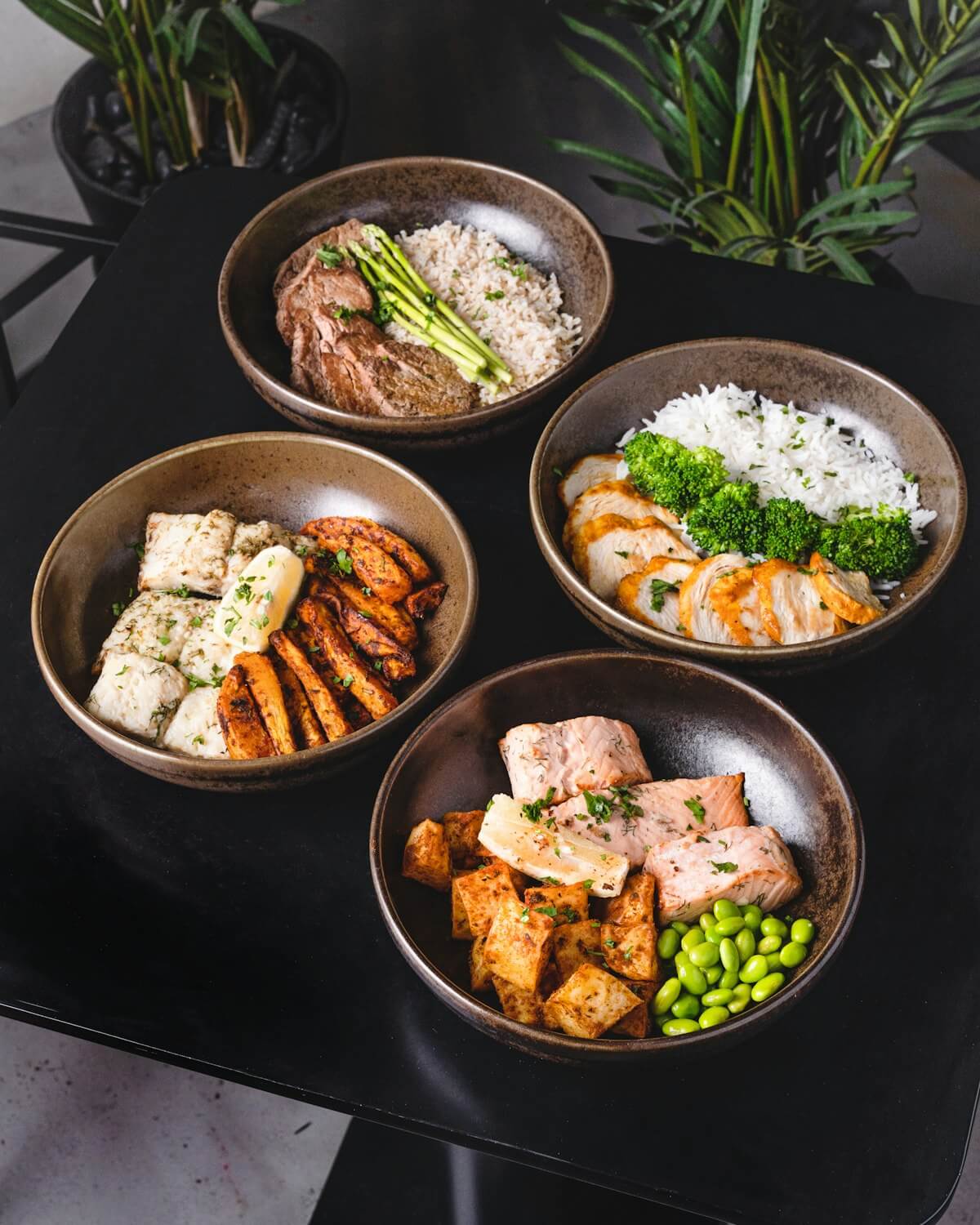
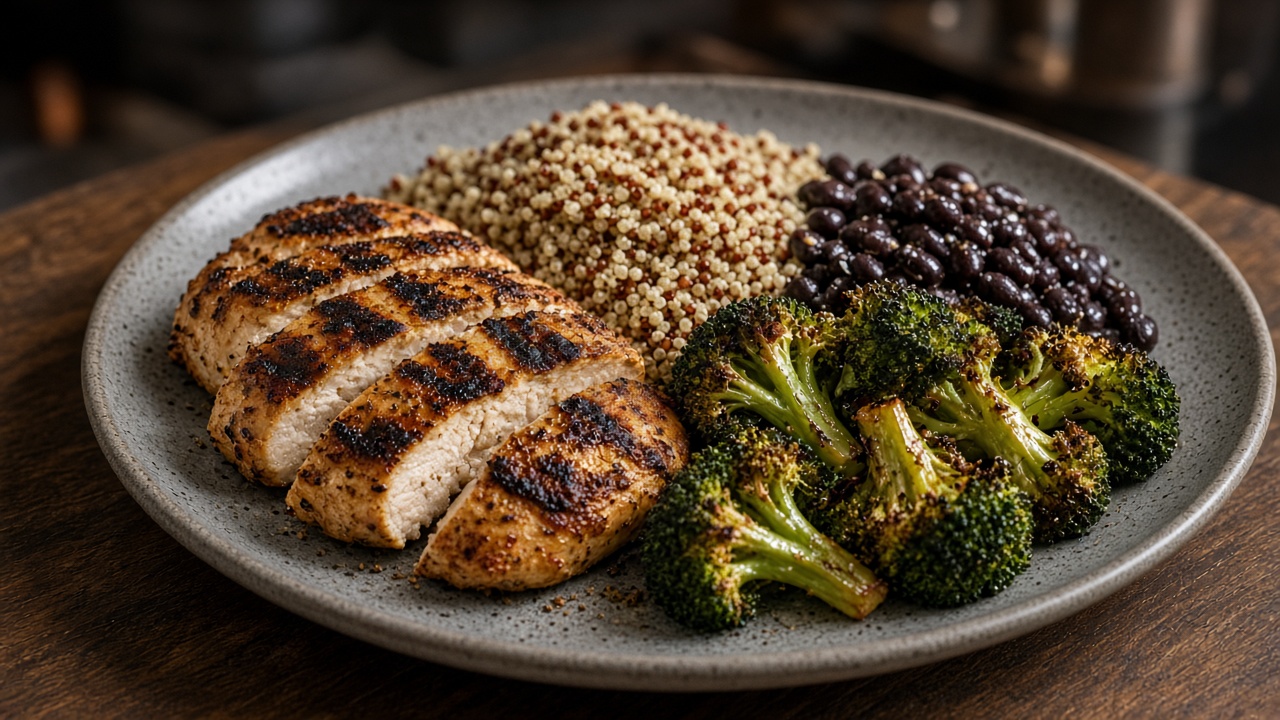
| Monday | Two whole pasture-raised eggs scrambled with baby spinach and diced tomatoes, with sprouted whole-grain toast | Mediterranean tuna and white bean salad tossed with baby arugula, diced red peppers, and lemon-olive oil dressing | Pan-seared lemon herb chicken breasts with roasted sweet potatoes and steamed broccoli | Egg yolks provide bioavailable biotin, choline, and L-cysteine; pairing white bean non-heme iron with bell pepper vitamin C enhances iron absorption. |
| Tuesday | Creamy Greek yogurt parfait layered with blackberries, pumpkin seeds, hemp hearts, and raw honey | Whole-grain Italian pesto chicken wrap with sliced grilled chicken, crisp spinach, and tomato relish | Slow-simmered hearty lentil soup packed with carrots, celery, crushed tomatoes, and Tuscan kale | Pumpkin seeds are a premier source of bioavailable zinc and magnesium; Greek yogurt supplies 20+ grams of dairy casein and whey protein. |
| Wednesday | Warm steel-cut oatmeal cooked in unsweetened almond milk, topped with sliced banana, walnuts, and ground flaxseed | Thermos of hearty lentil soup served with seeded crackers and garlic-herb hummus | Oven-baked herb-baked salmon fillet paired with steamed asparagus spears and wild rice | Steel-cut oats provide bioavailable silica and B vitamins; EPA and DHA in salmon fluidize scalp microcirculation and soothe scalp inflammation. |
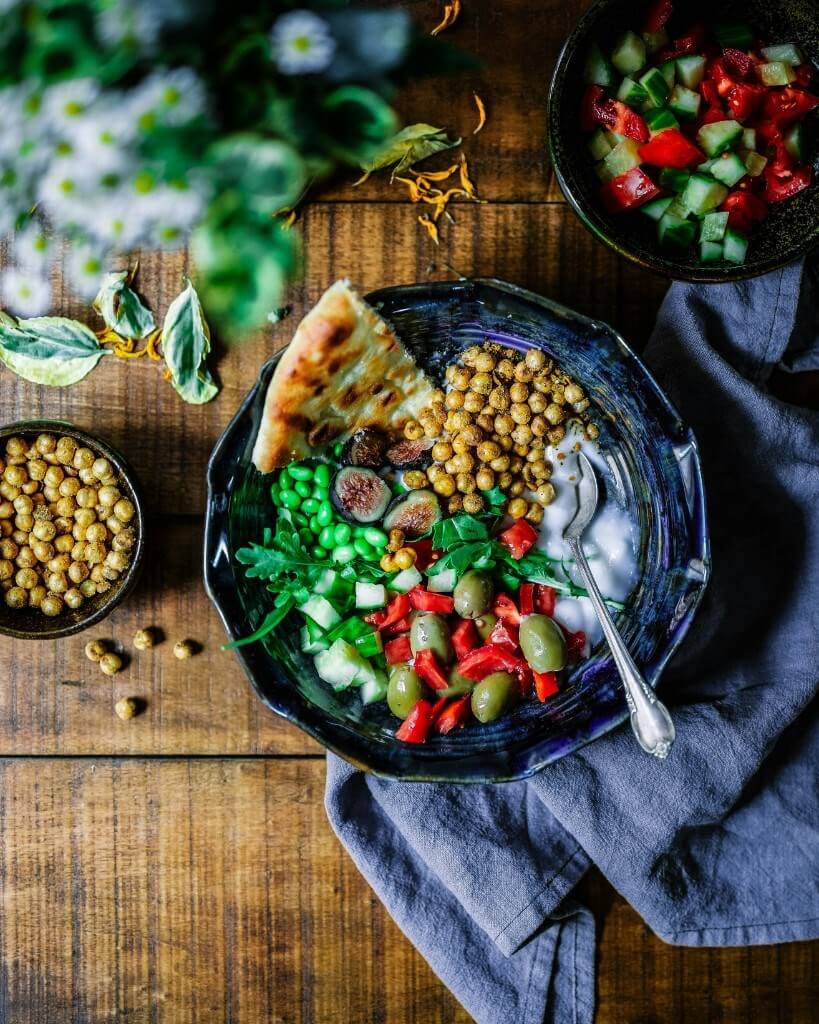
| Thursday | Pasture-raised spinach feta scramble with half an avocado and whole-grain sourdough toast | Chilled mediterranean quinoa salad with rinsed chickpeas, diced cucumbers, and lemon-tahini vinaigrette | Lean grass-fed beef sirloin steak (or grilled portobello) with chimichurri sauce, roasted baby red potatoes, and green beans | Grass-fed beef delivers highly bioavailable heme iron and zinc, rapidly replenishing depleted systemic ferritin reserves for follicle matrix division. |
| Friday | Nutrient-dense smoothie blended with baby spinach, frozen wild blueberries, collagen peptides, and unsweetened almond milk | Leftover sliced steak or chickpea quinoa bowl served over mixed baby greens with olive oil vinaigrette | Crispy tofu stir-fry with snap peas, bell peppers, broccoli florets, and edamame over brown jasmine rice | Edamame and organic tofu provide rich concentrations of plant-based isoflavones and complete amino acid profiles for hair shaft integrity. |
| Saturday | Fluffy buckwheat banana pancakes topped with warm stewed blueberries and toasted chopped walnuts | Turkey and avocado wrap in a whole-grain tortilla with shredded lettuce, tomatoes, and tzatziki | Seared wild cod over braised French green lentils, diced carrots, and roasted cherry tomatoes | Lentils provide a dense matrix of iron, folate, and lysine; lysine is an amino acid essential for the proper uptake of iron into hair follicle cells. |
| Sunday | Baked shakshuka eggs simmered in rich spiced tomato-bell pepper sauce with crumbled sheep feta and warm pita | Leftover cod and braised lentils with a crisp garden side salad and lemon dressing | Slow-cooked bone broth chicken and vegetable stew with carrots, parsnips, leeks, and fresh rosemary sprigs | Bone broth provides natural collagen-derived proline and glycine, supporting dermal papilla microvascular elasticity and tensile strength. |
Pantry and kitchen strategies for maximizing iron and zinc
Because hair follicles are extraordinarily sensitive to micro-mineral shortages, optimize your cooking techniques using these evidence-based kitchen practices:
- Always Pair Non-Heme Iron with Vitamin C: Plant-based iron (in lentils, beans, spinach, and whole grains) exists in the ferric state (Fe3+), which is poorly absorbed. Consuming it alongside ascorbic acid (lemon juice, bell peppers, tomatoes, citrus) reduces iron to the ferrous state (Fe2+), increasing intestinal uptake up to 400%.
- Separate Tea and Coffee from Iron-Rich Meals: Polyphenols and tannins in black tea, green tea, and coffee bind tightly to dietary iron in the digestive lumen, forming insoluble complexes that pass through unassimilated. Wait at least 60 to 90 minutes after eating an iron-dense meal before drinking coffee or tea.
- Cook in Traditional Cast-Iron Skillets: Preparing acidic dishes (such as tomato sauces, stews, and scrambles) in a seasoned cast-iron skillet naturally leaches safe, bioavailable dietary iron directly into your food, subtly boosting daily mineral intake.
What fails: 5 mistakes that accelerate hair shedding
- Embarking on rapid-weight-loss crash diets: Severely restricting calories (such as cutting daily intake below 1,200 calories) or losing more than 2 to 3 pounds per week places the body into severe survival triage. The brain perceives starvation and halts hair growth, triggering massive telogen effluvium shedding 2 to 4 months later. Sustainable fat loss must be gradual and protein-sparing.
- Taking massive unmonitored doses of Biotin (Vitamin B7): Biotin is wildly overhyped in commercial hair products. True clinical biotin deficiency is exceptionally rare in people who eat a varied diet. Taking 5,000 to 10,000 mcg of synthetic biotin does not speed up hair growth if your levels are already sufficient, and high supplemental biotin falsely skews critical hospital blood tests, including thyroid panels and cardiac troponin tests.
- Over-supplementing with Vitamin A, Vitamin E, or Selenium: More is not better when it comes to hair micronutrients. Excessive intake of fat-soluble Vitamin A or Selenium through multi-ingredient hair supplements can paradoxically induce severe follicular shedding and toxic alopecia. Always test before supplementing.
- Ignoring subclinical ferritin depletion while hemoglobin is "normal": A standard Complete Blood Count (CBC) only flags anemia when hemoglobin drops. However, your body will deplete intracellular ferritin stores in hair follicles long before hemoglobin drops below the normal range. Request a specific serum ferritin test and ensure your levels exceed 50 ng/mL.
- Treating androgenetic (hormonal) hair thinning solely with diet: While balanced nutrition provides the biological substrate for healthy hair growth, it cannot single-handedly overcome genetically programmed follicular sensitivity to dihydrotestosterone (DHT). If you notice progressive miniaturization along your temples or crown, seek clinical evaluation from a dermatologist for evidence-based medical treatments alongside your healthy meal plan.
Frequently asked questions
How long does it take for dietary changes to stop hair shedding?
Because the human hair growth cycle is slow, patience is essential. Once a hair follicle enters the telogen (resting) phase due to a nutritional deficit or stressor, it takes approximately 90 to 120 days for that resting hair to shed and for a new anagen growth cycle to emerge from the scalp. You must adhere to a nutrient-dense, protein-rich meal plan for at least 3 to 6 months before expecting measurable improvements in hair shedding rates and noticeable new baby hair regrowth along the hairline.
What is the minimum amount of daily protein required for healthy hair?
To support continuous keratin synthesis and prevent hair follicle triage, active adults should consume at least 1.2 to 1.6 grams of protein per kilogram of body weight daily (roughly 0.55 to 0.75 grams per pound). For a 140-pound individual, this equates to roughly 75 to 105 grams of high-quality protein distributed evenly across breakfast, lunch, and dinner.
Can vegan or vegetarian diets support optimal hair thickness?
Yes, provided the diet is strategically planned. Plant-based eaters must pay vigilant attention to three critical nutrients: bioavailable iron (lentils, beans, tofu paired with vitamin C), complete essential amino acids with adequate L-cysteine and L-methionine, and Vitamin B12. Vegans should monitor their serum ferritin and Vitamin B12 levels every 6 months to ensure follicular needs are fully met.
How can I plan and organize a hair-supportive grocery list?
Take the guesswork out of follicular nutrition with our interactive planning tools. Generate a customized 7-day hair-supportive meal schedule with our meal plan generator, convert nutrient-dense ingredients into an organized shopping checklist with the grocery list generator, and discover delicious recipes for leftover proteins with our leftover finder.