Recipe Planning
For millions of people seeking stable daytime energy, fat loss, and blood sugar regulation, low-carbohydrate eating is the most effective and scientifically validated nutritional strategy available. Yet, many people confuse a sensible low-carb lifestyle with strict, medically therapeutic ketosis. Ketosis requires keeping net carbs under 20 to 30 grams daily, measuring blood ketones, and obsessing over every stray gram of onion or tomato.
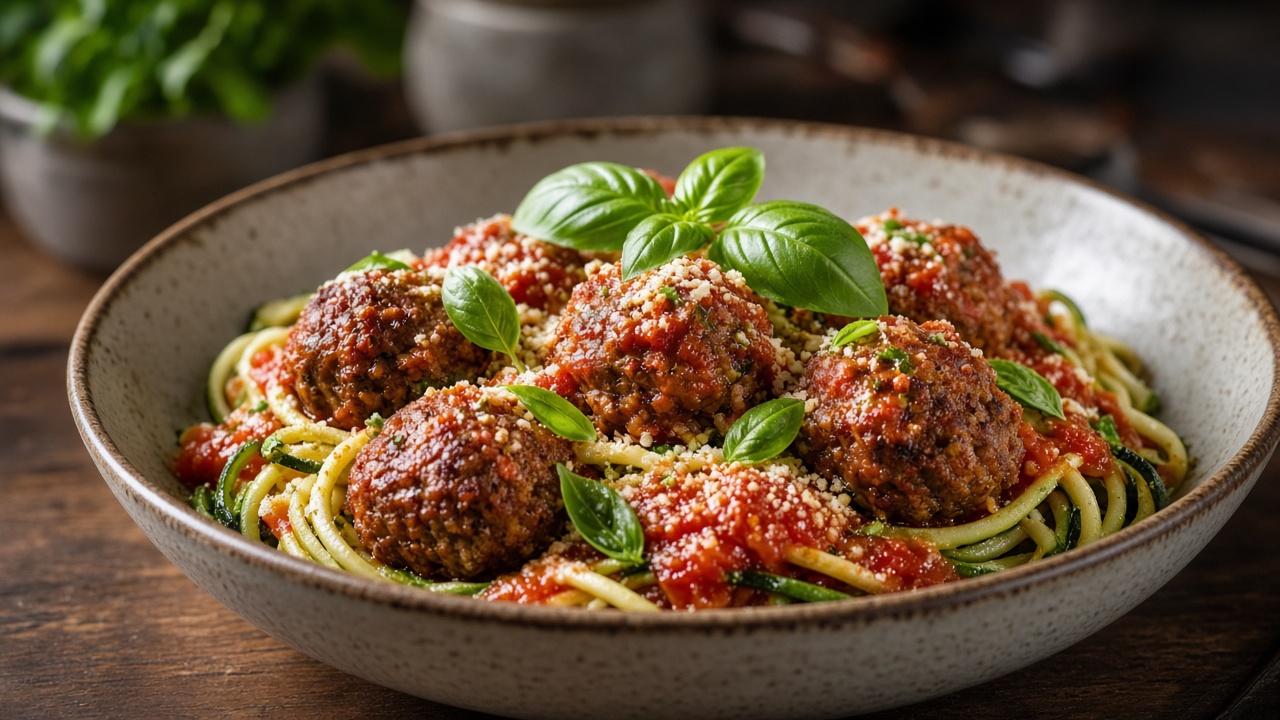
A pragmatic low-carb approach is far more forgiving, sustainable, and enjoyable. By targeting 50 to 100 grams of net carbs daily, you eliminate the high-glycemic drivers of insulin spikes—white flour, refined sugar, and processed snack foods—while keeping room for sweet berries, crisp carrots, generous bowls of roasted crucifers, and sensible portions of legumes. Dinners look like real food, cook in 30 minutes, and never require an advanced degree in nutritional mathematics.
The low-carb plate geometry
Rather than tracking macros on a smartphone app during dinner, use this visual plate method:
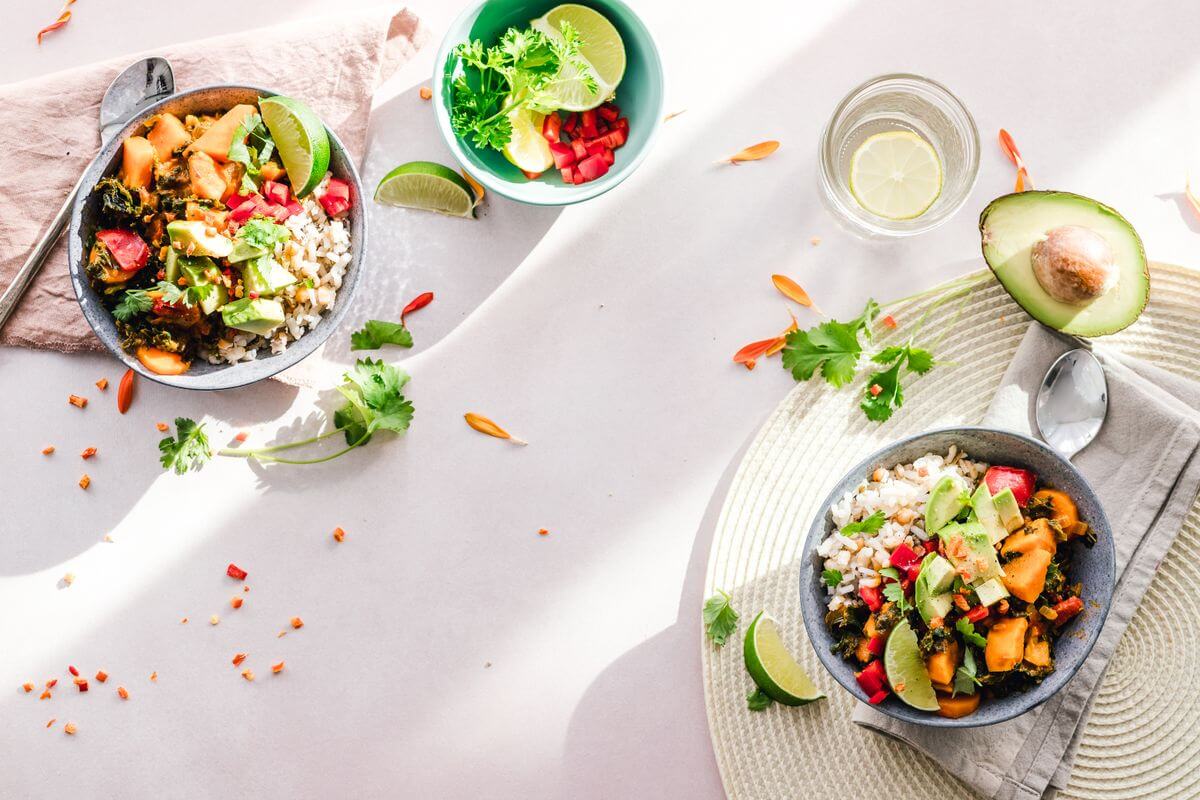
- One-Half of the Plate: Non-Starchy Vegetables: Roasted asparagus, charred broccoli, cauliflower rice, sautéed zucchini, or a massive mixed green salad drizzled with olive oil.
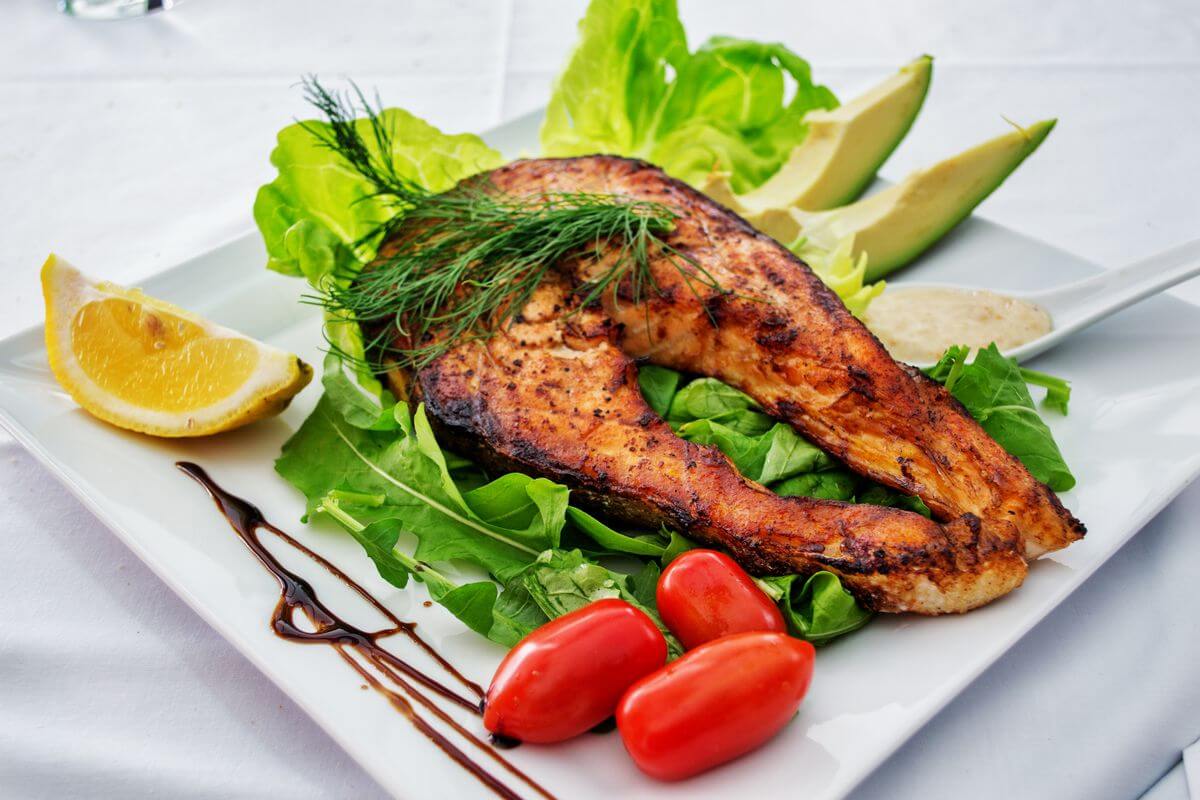
- One-Quarter of the Plate: Satiating Protein Anchor (5–7 oz): Pan-seared salmon, lemon chicken breast, lean ground beef, seared cod, or baked turkey meatballs.
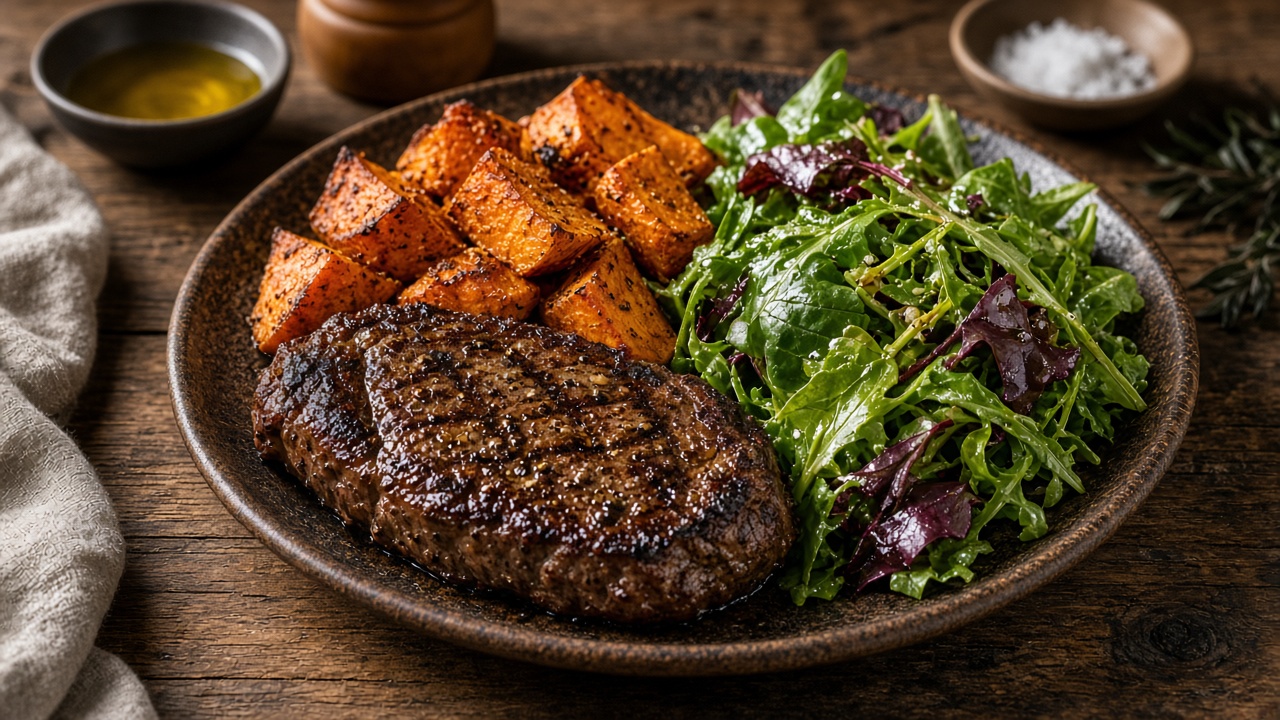
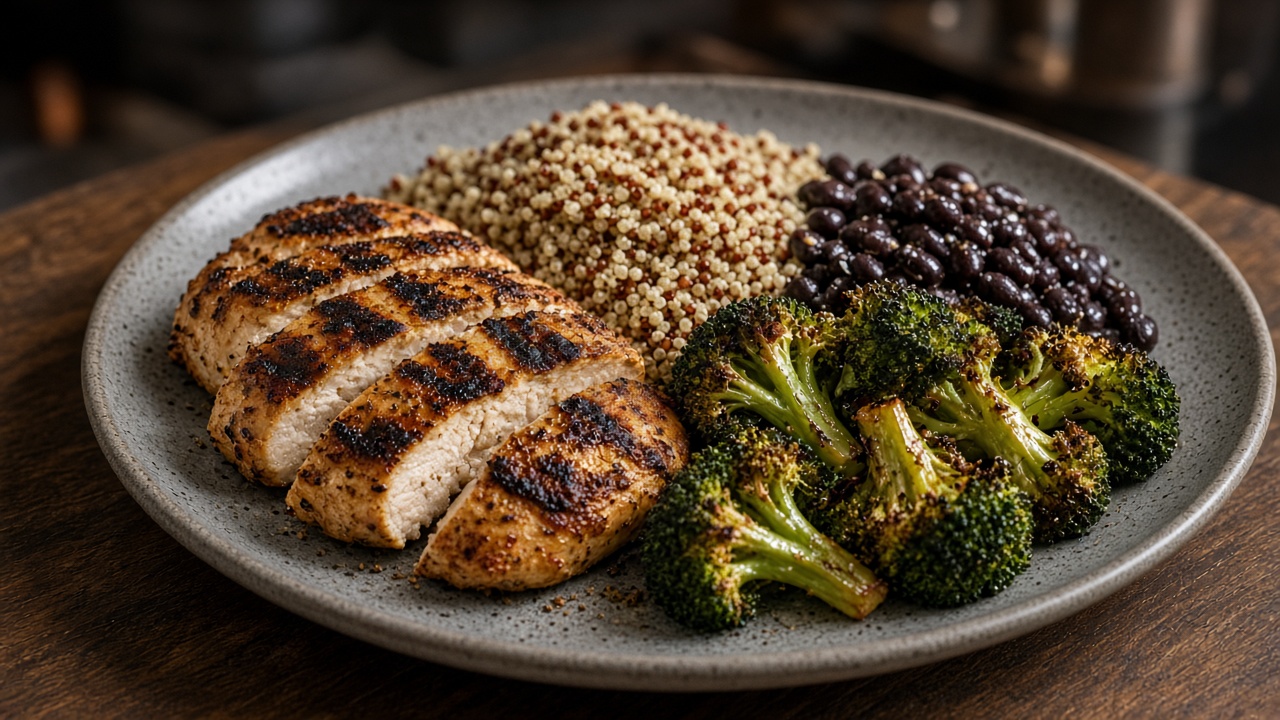
- One-Quarter of the Plate: Smart Complex Carbohydrate or Fat: A small roasted sweet potato, 1/2 cup of quinoa, half an avocado, or a scoop of black beans.
7-day low-carb dinner schedule
This plan keeps weeknight cooking strictly under 30 minutes and utilizes shared ingredients. Scale portions with our servings scaler.
| Day | Breakfast (15g net carbs) | Lunch (20g net carbs) | Dinner (25g net carbs) | Low-Carb Culinary Strategy |
|---|---|---|---|---|
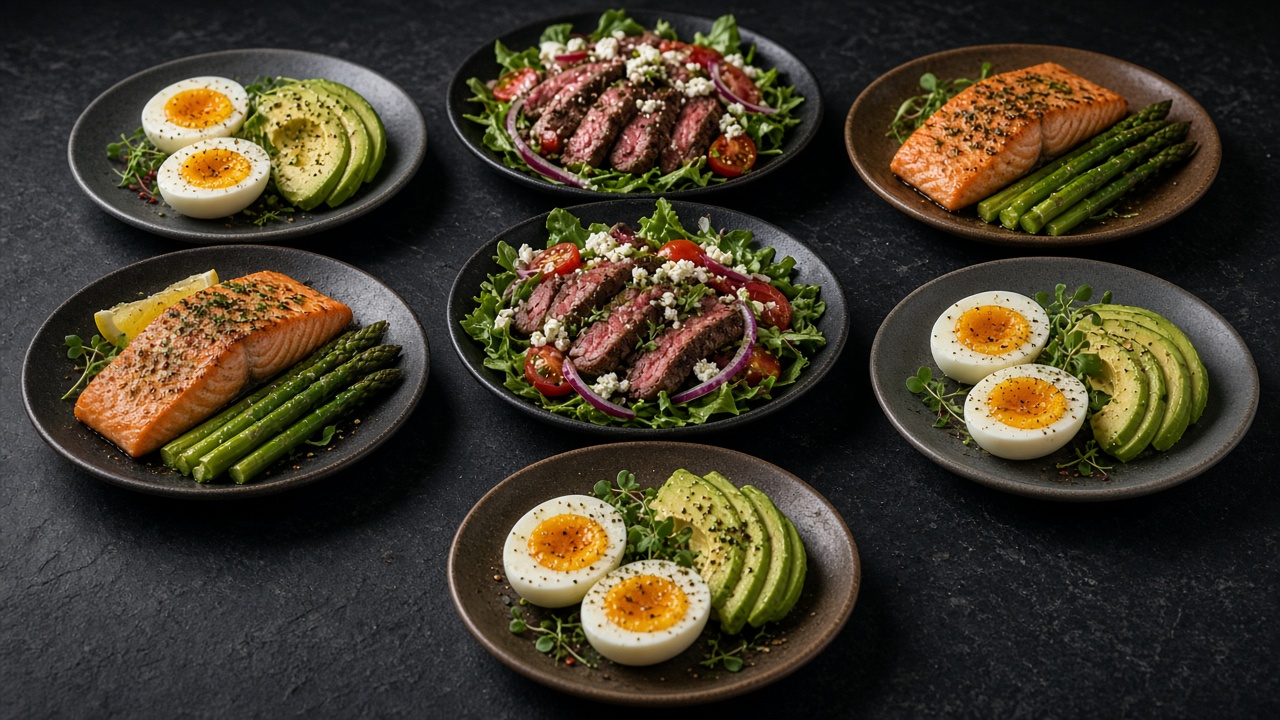
| Monday | 3 eggs scrambled with baby spinach, tomatoes, and sliced avocado | Mediterranean chickpea salad bowl with cucumbers and lemon tahini | Crispy skin salmon with roasted asparagus and cauliflower mash | Steam cauliflower florets and puree with olive oil and garlic; serve alongside seared salmon. |
| Tuesday | Greek yogurt bowl with chia seeds, fresh raspberries, and walnuts | Leftover flaked salmon over mixed greens with olive oil vinaigrette | Juicy pan-seared lemon herb chicken with roasted rosemary baby potatoes | Portion-controlled starch: 4 oz roasted baby potatoes provide satisfying potassium without spiking glucose. |
| Wednesday | Chia seed pudding prepared with almond milk, cocoa powder, and strawberries | Shredded lemon herb chicken wrapped in crisp butter lettuce cups | Savory beef and broccoli stir-fry over brown jasmine rice (1/2 cup) | High-heat stir-fry; flank steak and crisp broccoli tossed in garlic, ginger, and tamari in 18 minutes. |
| Thursday | Avocado toast on sprouted whole-grain bread with poached egg and chili flakes | Leftover beef and broccoli stir-fry reheated with steamed edamame | Tender oven-baked baked cod with cherry tomatoes and green beans | Cod fillets roast with sweet blistered tomatoes, capers, and garlic in olive oil in under 18 minutes. |
| Friday | Omelet filled with button mushrooms, baby swiss, and chives | Canned tuna salad with olive oil mayo, celery, and cucumber slices | Savory Thai-style cauliflower fried rice with scrambled eggs | Swap white rice for frozen riced cauliflower sautéed in sesame oil with scallions and eggs. |
| Saturday | Almond flour pancakes topped with fresh blackberries and whipped butter | Greek chicken salad bowl with romaine, cucumbers, and kalamata olives | Charred greek chicken skewers with tzatziki and grilled peppers | Marinate chicken cubes in lemon, garlic, and dried oregano; grill or broil until golden and charred. |
| Sunday | Vegetable frittata with spinach, onions, and sharp cheddar | Leftover vegetable frittata served cold with a crisp side salad | Sunday Kitchen Reset: clean-out-the-crisper skillet with seared tofu and greens | High-fiber plant-forward dinner; cube extra-firm tofu and sear with remaining crisper greens. |
The low-carb supermarket shopping checklist
Save money and maintain culinary focus by organizing your cart around whole foods:
- Proteins: 4 salmon fillets, 2.5 lb chicken breasts, 1 lb flank steak, 4 cod fillets, 1 block extra-firm tofu, and 2 dozen pasture-raised eggs.
- Low-Carb Vegetables: 2 bags frozen riced cauliflower, 2 heads broccoli, 2 bunches asparagus, 1 lb baby spinach, 2 heads romaine, and 4 ripe avocados.
- Healthy Culinary Fats: Cold-pressed extra virgin olive oil, grass-fed butter, sesame oil, and raw walnuts.
Use our automated grocery list generator to consolidate these ingredients by aisle, and review our aisle-by-aisle shopping guide.
What fails: 5 mistakes in low-carb meal planning
- Treating low-carb as an excuse for unlimited bacon and cheese: Replacing carbohydrates with unlimited processed meats, heavy cream, and processed cheese elevates saturated fat and causes gastrointestinal distress. Prioritize lean poultry, wild fish, olive oil, and abundant greens.
- Fearing dietary fiber: Some low-carb adherents avoid broccoli, asparagus, and seeds because they count "total carbohydrates." Fiber does not raise blood glucose or insulin; it nourishes beneficial gut bacteria and supports cholesterol clearance. Always count net carbs.
- Buying packaged "low-carb" convenience snacks: Commercial low-carb bars and cookies rely on sugar alcohols (maltitol, sorbitol) and synthetic fibers that cause severe abdominal cramping and gas. Stick to whole foods.
- Under-eating dietary salt in week one: When carbohydrate intake drops, kidneys excrete excess water and sodium. Failing to season food with unrefined sea salt can trigger mild fatigue and headaches. Season food generously.
- Abandoning the diet after one higher-carb meal: If you enjoy birthday cake or a bowl of pasta on Saturday, do not throw in the towel. Your body will utilize that glycogen quickly. Simply return to your planned low-carb dinners on Sunday.
Frequently asked questions
What is the difference between total carbs and net carbs?
Net carbs are calculated as Total Carbohydrates minus Dietary Fiber (and minus certain non-caloric sugar alcohols like erythritol). Because dietary fiber cannot be broken down into glucose by human digestive enzymes, it passes through the intestines without raising blood sugar or eliciting an insulin response.
Can I eat fruit on a low-carb meal plan?
Yes. Berries (blackberries, raspberries, strawberries, blueberries) are naturally low in sugar and packed with polyphenols and fiber. Enjoy 1/2 cup to 1 cup of fresh berries daily with Greek yogurt or chia pudding.
How long do prepped low-carb meals keep in the fridge?
Cooked poultry, stir-fries, and frittatas store safely in airtight glass containers for 4 to 5 days. Cooked fish is best consumed within 48 hours.
How does Recipe Planning help me automate low-carb dinners?
Our free meal plan generator allows you to select the low-carb filter, tailoring macro targets to your goals. Scale portions with our servings scaler and find creative recipes for leftover ingredients with the leftover finder.