Recipe Planning
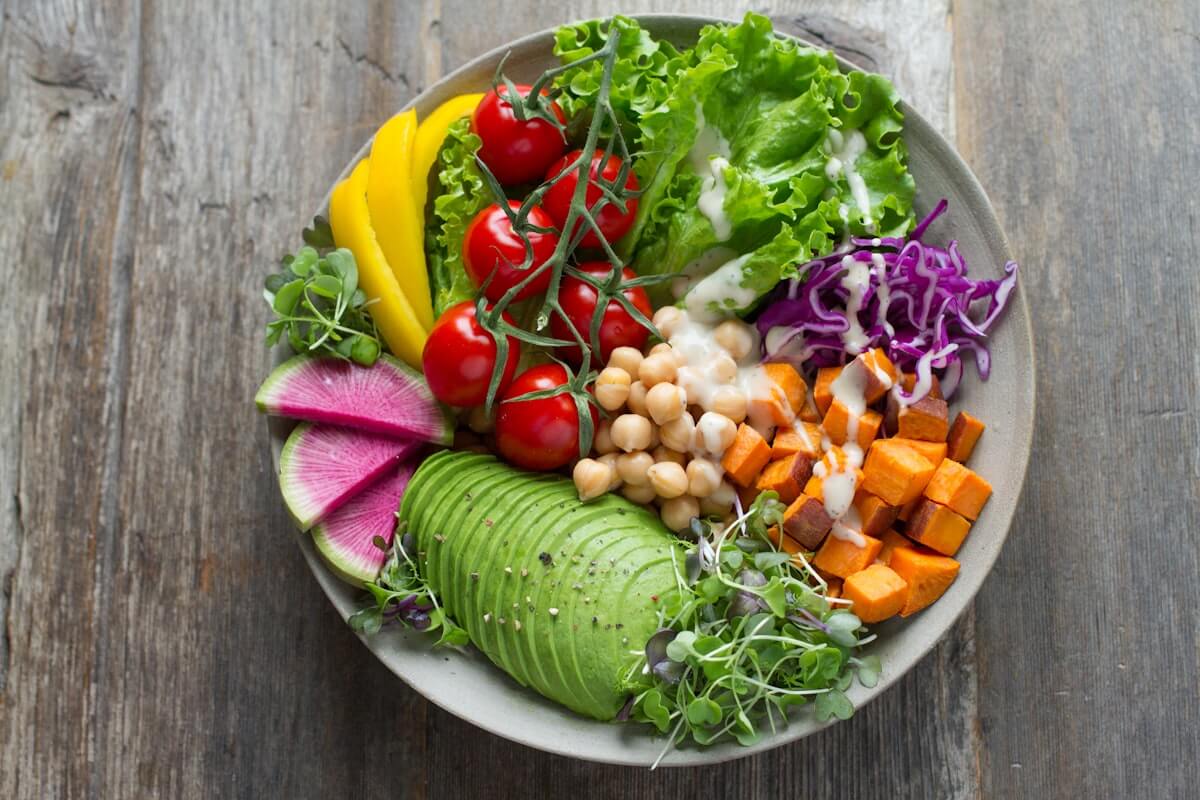
When developing a sustainable diabetes meal plan, knowing which foods to minimize is just as critical as knowing what to include. In our modern food supply, thousands of packaged products are engineered for hyper-palatability, combining refined starches, industrial sweeteners, and unhealthy fats into products that bypass our natural satiety cues. For someone with insulin resistance or diabetes, these foods create erratic blood sugar rollercoasters, profound afternoon fatigue, and elevated HbA1c levels.
Limiting high-risk foods is not an exercise in moral judgment; it is a practical understanding of human biochemistry. Refined carbohydrates stripped of fiber enter the bloodstream almost instantaneously, placing massive demands on pancreatic beta cells and driving systemic arterial inflammation. By identifying the primary dietary culprits and replacing them with satisfying, slow-burning whole foods, you can protect your vascular system and maintain steady energy. This guide details the five major food categories to limit and provides realistic, delicious swaps for every meal.
Important: This guide is for general meal-planning ideas only, not medical advice or treatment. If you have diabetes, high blood pressure, heart disease, or take medication, follow your clinician or registered dietitian's plan. Never change medication or treatment based on a blog post.
The five major food categories to limit in diabetes meal planning
To keep blood glucose within target ranges and prevent microvascular complications, focus on minimizing these five high-risk food groups:
| High-Risk Food Category | Specific Offending Items | Physiological Impact | Healthy Culinary Swap |
|---|---|---|---|
| Sugar-Sweetened Beverages | Soda, sweetened iced teas, fruit juice cocktails, energy drinks, sweetened coffee syrups | Liquid sugars bypass chewing and gastric digestion, causing rapid glucose spikes within 15 minutes. | Sparkling mineral water with lime; cold-brewed unsweetened hibiscus or mint tea. |
| Refined Flours & Starches | White sandwich bread, bagels, saltine crackers, white flour tortillas, instant noodles | Stripped of bran and germ, refined starches break down into pure maltose and glucose almost instantly. | 100% sprouted whole-grain bread; whole-wheat sourdough; pre-cooked quinoa. |
| Commercial Breakfast Cereals | Corn flakes, puffed rice, frosted oat cereals, instant flavored oatmeal pouches | Extrusion processing and added cane sugars create extreme glycemic velocity on an empty stomach. | Steel-cut oats cooked in water with raw walnuts, chia seeds, and fresh berries. |
| Processed Meats & Fried Foods | Hot dogs, bacon, commercial sausage patties, deep-fried chicken tenders, French fries | Advanced glycation end-products (AGEs) and high saturated fats impair peripheral insulin receptor sensitivity. | Grilled chicken breast; oven-roasted herb-baked salmon; baked sweet potato wedges. |
| Hidden-Sugar Condiments | Commercial BBQ sauces, bottled honey mustard, commercial ketchup, sweet teriyaki glazes | A single tablespoon of commercial BBQ sauce can contain up to 8 grams of high-fructose corn syrup. | Dijon mustard, fresh salsa, chimichurri, guacamole, or olive oil and lemon vinaigrette. |
How to spot hidden sugars on ingredient labels
Food manufacturers frequently disguise added sugars on nutrition panels by utilizing dozens of chemical and botanical synonyms. A packaged product may list four different names for sugar rather than one large amount, allowing whole grains to appear first on the ingredient list. When reviewing packaged foods, scan the ingredient panel for these stealth sugar aliases:
- Corn derivatives: High-fructose corn syrup, corn syrup solids, dextrose, maltodextrin.
- Evaporated cane syrups: Cane crystals, cane juice solids, turbinado sugar, demerara sugar, brown sugar.
- Syrups & extracts: Barley malt syrup, brown rice syrup, agave nectar, maple syrup, coconut palm sugar.
- Chemical hexoses: Dextrose, fructose, glucose, sucrose, maltose, galactose.
As a golden rule: look at the "Includes Added Sugars" sub-line on the Nutrition Facts panel. For main meal items, aim for products that contain less than 2 to 3 grams of added sugar per serving, and preferably zero.
What fails: 5 mistakes when trying to cut foods out
- Eliminating all carbohydrates and crashing: Many people attempt to go "zero carb" on day one, eliminating fruit, beans, grains, and root vegetables simultaneously. This severe restriction often causes intense lethargy, brain fog, and rebound bingeing on sugary convenience foods by the weekend. Keep fiber-rich, low-glycemic carbohydrates in your diet in controlled portions.
- Consuming excess alcohol on an empty stomach: Alcohol inhibits hepatic gluconeogenesis (the liver's ability to release glucose into the blood). If you take insulin or insulin secretagogues, drinking alcohol without eating can precipitate severe, delayed nocturnal hypoglycemia. Always consume alcohol only with a balanced, carbohydrate-containing meal.
- Falling for "organic" or "natural" sugar marketing: Organic coconut sugar, raw honey, maple syrup, and agave nectar are often marketed as diabetes-safe superfoods. In reality, your digestive tract breaks all of these down into glucose and fructose; they elevate blood sugar in the same manner as regular table sugar. Treat all concentrated sweeteners with the same caution.
- Relying on sugar-free sweets sweetened with maltitol: Sugar-free chocolates, candies, and snack bars frequently rely on maltitol syrup, which has a glycemic index of up to 52 and causes substantial post-meal glucose spikes alongside severe gastrointestinal distress (gas, cramping, diarrhea). If you crave something sweet, enjoy a small handful of fresh blueberries or a square of 85% dark chocolate.
- Cooking with processed seed oils under high heat: High-heat frying with refined soybean, corn, or cottonseed oils generates oxidized lipid peroxides that exacerbate systemic vascular inflammation. Sauté and roast with extra virgin olive oil or avocado oil.
Frequently asked questions
Can I ever eat dessert again if I have diabetes?
Yes. Diabetes self-management is about overall dietary patterns, not perfection. You can enjoy dessert on special occasions by applying strategic harm-reduction techniques: eat your dessert directly following a meal rich in fiber and protein (never on an empty stomach), take a brisk 15-minute walk immediately afterward to stimulate non-insulin-mediated glucose uptake into your muscles, and adjust your mealtime starch portion accordingly.
Is white pasta worse for blood sugar than white bread?
Surprising to many, traditional extruded durum wheat pasta actually has a lower glycemic index than white bread! The extrusion process packs the starch molecules into a dense protein matrix, slowing enzymatic digestion. However, portion size remains critical: 1 cup of cooked pasta provides roughly 40 grams of carbohydrates. Pair 1/2 to 3/4 cup of al dente pasta with plenty of sautéed vegetables and lean protein.
What should I drink when I go out to social gatherings?
Excellent zero-glycemic drink choices include club soda or sparkling water with a fresh lime wedge and a dash of aromatic bitters, unsweetened iced tea, or black coffee. These drinks look festive in cocktail glassware while keeping your blood sugar completely steady.
How can I plan delicious dinners without high-glycemic ingredients?
Cooking at home is easy when you have the right tools. Use our free meal plan generator to create balanced weekly menus, build an organized grocery list with our grocery list generator, and find creative recipes for fresh produce with our leftover finder.