Recipe Planning
Receiving a diagnosis of prediabetes or type 2 diabetes often triggers immediate anxiety around eating. Many people believe they must enter a world of flavorless steamed vegetables, give up every cultural staple they love, and prepare entirely separate meals from the rest of their household. In reality, modern endocrinology and diabetes self-management education (DSME) emphasize sustainable dietary quality, balanced carbohydrate kinetics, and culinary pleasure over rigid deprivation.
Effective diabetes-friendly meal planning centers on how carbohydrates are digested, absorbed, and cleared from the bloodstream. Rather than viewing carbohydrates as an enemy to be eliminated entirely, the goal is to manage glycemic load by buffering starches with lean proteins, viscous soluble fibers, and healthy fats. When meals are structured to release glucose steadily into circulation, insulin requirements are minimized, reactive hypoglycemic crashes disappear, and energy remains consistent throughout the day. This guide breaks down the evidence-based Plate Method, smart weekly prep protocols, and practical home cooking strategies.
Important: This guide is for general meal-planning ideas only, not medical advice or treatment. If you have type 1 diabetes, type 2 diabetes, gestational diabetes, or take insulin, sulfonylureas, GLP-1 receptor agonists, or SGLT2 inhibitors, follow your endocrinologist, certified diabetes educator (CDCES), or clinical dietitian's personalized care plan. Never adjust medication dosages or meal patterns without professional medical supervision.
The Diabetes Plate Method: culinary architecture for glycemic control
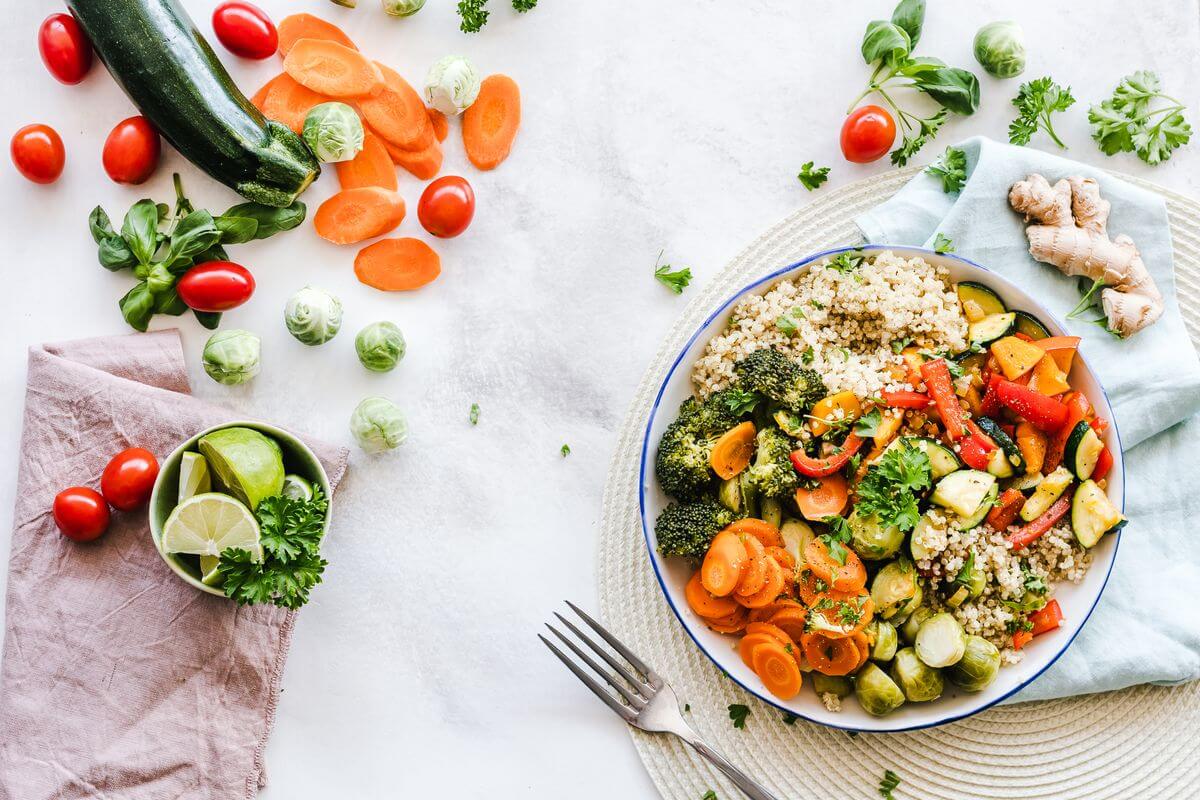
Created by the American Diabetes Association (ADA), the Diabetes Plate Method is the simplest, most effective visual framework for assembling blood-sugar balancing meals without counting every gram of carbohydrate:
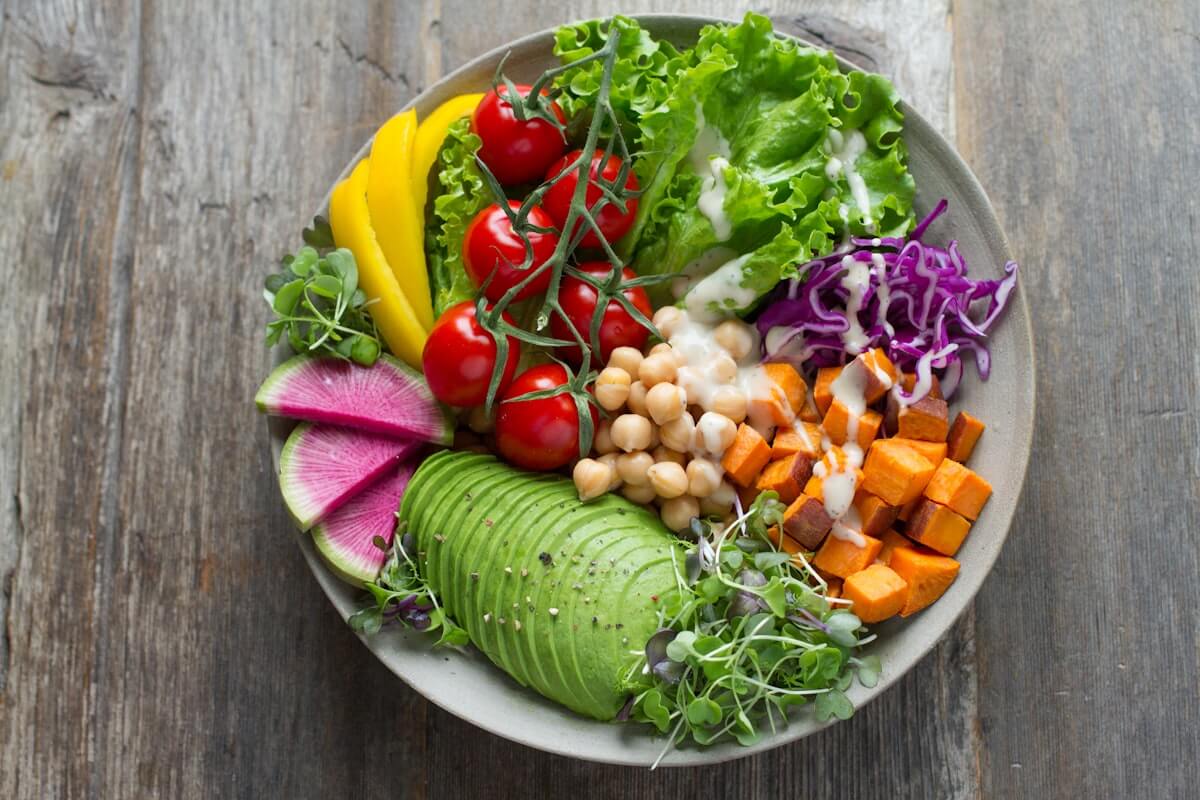
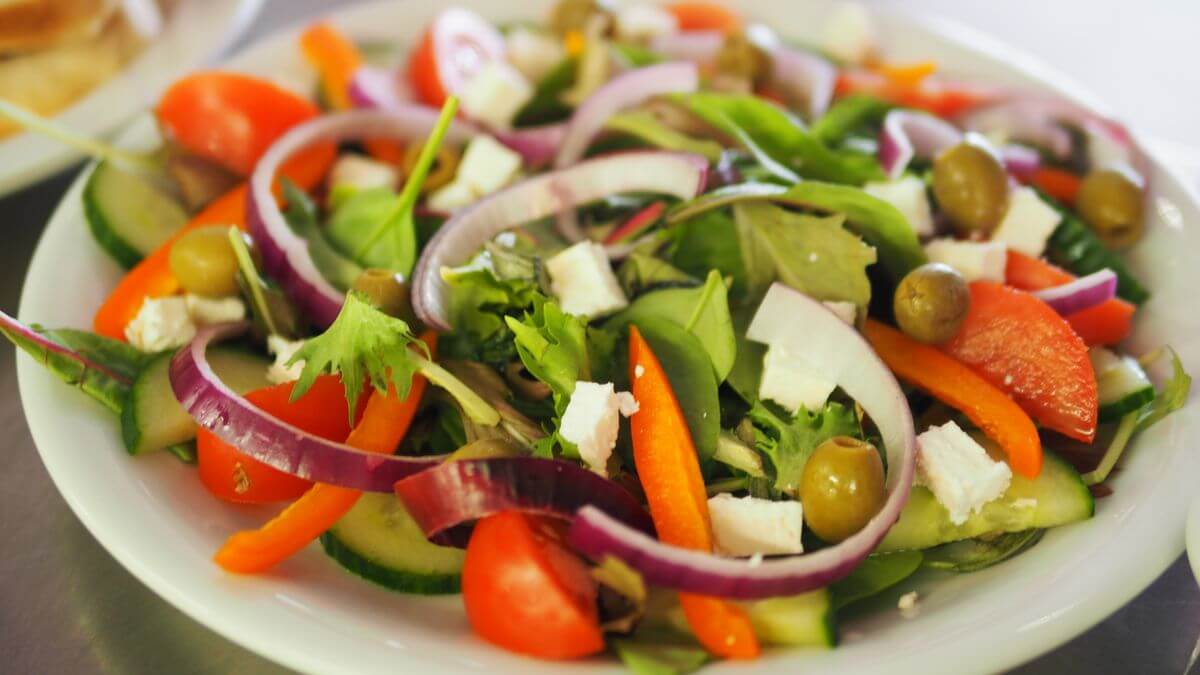
- Half the Plate (50%): Non-Starchy Vegetables: Fill half your plate with vegetables that have minimal impact on blood glucose: leafy greens (spinach, kale, arugula), cruciferous vegetables (broccoli, cauliflower, Brussels sprouts), bell peppers, zucchini, green beans, and cucumbers. These vegetables provide high water content, essential micronutrients, and insoluble fiber that physically slows digestion.
- One-Quarter of the Plate (25%): Lean Protein: Dedicate one-quarter of your plate to high-quality proteins such as skinless poultry, wild fish, eggs, firm organic tofu, tempeh, or lean cuts of meat. Protein stimulates glucagon and incretin hormones (GLP-1) while blunting the rate of gastric emptying, preventing sharp postprandial glucose surges.
- One-Quarter of the Plate (25%): Quality Carbohydrates: Reserve the final quarter for nutrient-dense, fiber-rich carbohydrates: cooked lentils, black beans, chickpeas, quinoa, sweet potatoes, or intact whole grains like brown basmati rice or farro. Because carbohydrates are confined to this quadrant, portion control is built directly into the meal without requiring scales or measuring cups.
- Hydration & Healthy Fats: Anchor the meal with zero-calorie beverages (water, unsweetened sparkling water, herbal tea) and incorporate a thumb-sized portion of healthy monounsaturated fats (extra virgin olive oil, avocado, or nuts) to further smooth glucose curves.
7-Day diabetes-friendly meal plan
This 7-day dinner template demonstrates how the Plate Method translates into diverse, family-friendly dinners. Automatically adjust serving sizes for couples or larger families with our free servings scaler.
| Day | Breakfast | Lunch | Dinner | Glycemic Balance & Prep Note |
|---|---|---|---|---|
| Monday | Veggie scramble with 2 eggs, 1/2 cup egg whites, sautéed spinach, mushrooms, and 1 slice sprouted whole-grain toast | Mediterranean salad bowl: romaine, canned tuna in olive oil, cherry tomatoes, cucumbers, and 1/4 cup quinoa | Flaky herb-baked salmon with steamed broccoli and 1/2 cup wild rice | Salmon omega-3s enhance cell membrane fluidity; wild rice delivers a lower glycemic index than white rice. |
| Tuesday | Overnight chia seed pudding made with unsweetened almond milk, ground flaxseed, and fresh blueberries | Leftover herb-baked salmon over mixed garden greens with olive oil and fresh lemon vinaigrette | Juicy lemon herb chicken with roasted asparagus and 1/2 baked sweet potato | Sweet potato skin retained for maximum dietary fiber; protein from poultry buffers carbohydrate absorption. |
| Wednesday | Plain Greek yogurt (low-fat, unsweetened) topped with raw walnuts, chia seeds, and a dash of Ceylon cinnamon | Leftover lemon herb chicken in a low-carb whole-wheat wrap with avocado spread and shredded lettuce | Fragrant hearty lentil soup served with a large crisp green side salad | Lentils provide viscous soluble fiber and resistant starch, nourishing the gut microbiome without spiking glucose. |
| Thursday | Steel-cut oats cooked in water, stirred with a scoop of unsweetened protein powder, raspberries, and pumpkin seeds | Whole-grain pita stuffed with flaked wild salmon, mashed avocado, grated carrots, and baby arugula | Vibrant vegetable stir-fry with tofu over cauliflower rice and edamame | Soy isoflavones and plant protein from firm tofu; cauliflower rice keeps evening glycemic load minimal. |
| Friday | Two poached eggs over sliced ripe avocado and sliced tomatoes on a bed of baby arugula | Leftover vegetable tofu stir-fry with a hard-boiled egg for extra protein | Turkey and black bean lettuce cups with diced tomatoes, cilantro, and fresh lime juice | Crisp butterhead lettuce wraps replace flour tortillas, keeping carbohydrates concentrated in fiber-rich black beans. |
| Saturday | Omelet with diced red bell peppers, baby spinach, red onion, and 1 ounce of crumbled goat cheese | Quinoa and chickpea salad with cucumbers, fresh parsley, and extra virgin olive oil dressing | Grilled lean sirloin steak or bison cutlet with roasted Brussels sprouts and mashed garlic cauliflower | High bioavailable iron and zinc; brassica fiber from Brussels sprouts supports metabolic detoxification. |
| Sunday | Protein waffles made from eggs, mashed banana, and oat bran, topped with warm unsweetened strawberries | Leftover grilled steak sliced over a bed of spinach, roasted sweet peppers, and walnuts | Sheet-pan baked chicken breasts with roasted zucchini, bell peppers, and farro | Sunday batch-prep friendly; farro provides a hearty, chewy ancient grain texture with low glycemic velocity. |
The science of "carbohydrate pairing"
One of the most powerful habits in diabetes meal planning is the rule of carbohydrate pairing: never consume carbohydrates in isolation ("naked carbs"). When you consume a refined carbohydrate alone (such as a bagel, pretzels, or a bowl of white rice), salivary and pancreatic amylase enzymes rapidly break starches down into pure glucose. The glucose floods into the portal vein within 15 to 30 minutes, precipitating a steep insulin spike.
When you pair that same carbohydrate with protein, healthy fat, or dietary fiber, the biochemical dynamics change completely:
- Fat slows gastric emptying: Lipids signal the duodenum to release cholecystokinin (CCK), which physically delays the stomach from emptying its contents into the small intestine.
- Fiber forms a viscous diffusion barrier: Soluble fibers create a mesh-like gel in the gut lumen, physically entrapping glucose molecules and slowing their diffusion across the intestinal brush border.
- Protein triggers insulin and incretin synergy: Ingestion of amino acids stimulates the secretion of incretins, prompting the pancreas to release a measured, controlled pulse of insulin rather than a delayed, reactive surge.
What fails: 5 common diabetes meal planning mistakes
- Fearing all fruit and eliminating whole berries: Many people with diabetes cut out fruit entirely because "fruit contains sugar." However, whole berries (blueberries, blackberries, raspberries, strawberries) possess a remarkably low glycemic index and are dense in anthocyanin polyphenols that enhance peripheral insulin sensitivity. The cellular fiber matrix in whole fruit slows fructose absorption. Avoid fruit juices and dried fruits, but enjoy whole fresh berries regularly.
- Replacing carbohydrates with ultra-processed "keto" treats: The supermarket is flooded with "keto" cookies, bars, and breads made with processed gluten, synthetic fat emulsions, and artificial sugar alcohols. Many of these products contain hidden maltitol or modified starches that cause unexpected blood sugar elevations and severe digestive distress. Prioritize naturally low-glycemic whole foods over processed keto imitations.
- Skipping meals to "save calories" or offset high readings: Skipping breakfast or lunch when blood sugar is elevated often backfires. Prolonged fasting triggers a counter-regulatory hepatic response: the liver releases stored glycogen (gluconeogenesis) in response to cortisol and glucagon, causing blood sugar to climb despite not eating. Maintain consistent meal timing.
- Neglecting sleep and chronic stress: Meal planning is critical, but insulin resistance is deeply influenced by stress biology. Cortisol and epinephrine mobilize glucose into the bloodstream while desensitizing insulin receptors. A poor night of sleep (under 6 hours) can induce acute insulin resistance comparable to months of poor eating.
- Eating dinner too close to bedtime: Consuming a carbohydrate-heavy dinner within two hours of sleeping coincides with your body's natural nocturnal surge in melatonin, which suppresses pancreatic beta-cell insulin secretion. Finish your evening meal at least three hours before bedtime to support healthy overnight fasting glucose.
Frequently asked questions
What is the difference between Glycemic Index (GI) and Glycemic Load (GL)?
The Glycemic Index (GI) ranks how quickly a specific carbohydrate raises blood sugar compared to pure glucose, tested on an isolated 50-gram carbohydrate portion. The Glycemic Load (GL) is far more useful in everyday cooking because it factors in both the speed of absorption and the actual amount of carbohydrate found in a real-world serving of food. For example, watermelon has a high GI but a very low GL because a typical slice consists mostly of water and very few total carbohydrate grams.
Can I eat rice if I have type 2 diabetes?
Yes, but preparation and portioning are key. Swap standard white jasmine or sticky rice for parboiled rice, brown basmati rice, or wild rice, which have a lower glycemic response. Additionally, you can utilize the food science of retrogradation: cooking rice, chilling it in the refrigerator for 12 to 24 hours, and reheating it converts a substantial portion of the starch into resistant starch (type 3), which reduces the postprandial glucose spike by up to 30%.
How many carbohydrates should I eat at each meal?
Carbohydrate requirements vary widely based on your body weight, physical activity level, medications, and clinical targets. As a general starting framework, many certified diabetes educators suggest aiming for 30 to 45 grams of complex carbohydrates per main meal for women and 45 to 60 grams for men, always paired with generous protein and vegetables. Review your personal targets with your dietitian.
How can I automate my weekly diabetes meal planning and shopping?
Eliminate daily guesswork by using our free suite of meal planning tools. Use our meal plan generator to organize your week, convert your recipes into a single organized shopping trip with our grocery list generator, and check recipe ingredients with our diet and allergy checker.