Recipe Planning
Every January, over one million home cooks worldwide sign up for Veganuary with high aspirations of rebooting their wellness, reducing their ecological footprint, and exploring the colorful universe of plant-based eating. Yet by Day 16, enthusiasm frequently crashes into a wall of culinary exhaustion. Many beginners fall into the trap of either attempting 30 distinct, intricate vegan gourmet recipes—accumulating half-used jars of specialty seed flours and rare vinegars—or retreating into monotonous cycles of bland boiled beans, dry salads, and rubbery meat substitutes that leave everyone craving takeout.
The secret to thriving through Veganuary is not reinventing dinner every night; it is operating within a structured Four-Quadrant Culinary Rotation. By establishing four distinct flavor profiles (Stir-Fry, Braised Curry, Hearty Legume Patty, and Creamy Velvety Soup) supported by versatile batch-prepped sauces and grains, you eliminate decision fatigue while experiencing genuine variety. Whether you are committing to a permanent vegan lifestyle or simply testing the waters for 30 days, this comprehensive blueprint guarantees high-protein, deeply savory dinners that satisfy the most dedicated omnivores.
The culinary science of plant-based texture and umami
The primary reason newcomers find early vegan cooking disappointing is a failure of texture and savory depth. Animal proteins naturally deliver high concentrations of glutamic acid and saturated fats that trigger deep satiety signals in the human brain. To replicate that comforting mouthfeel with plants, you must apply three fundamental culinary techniques:
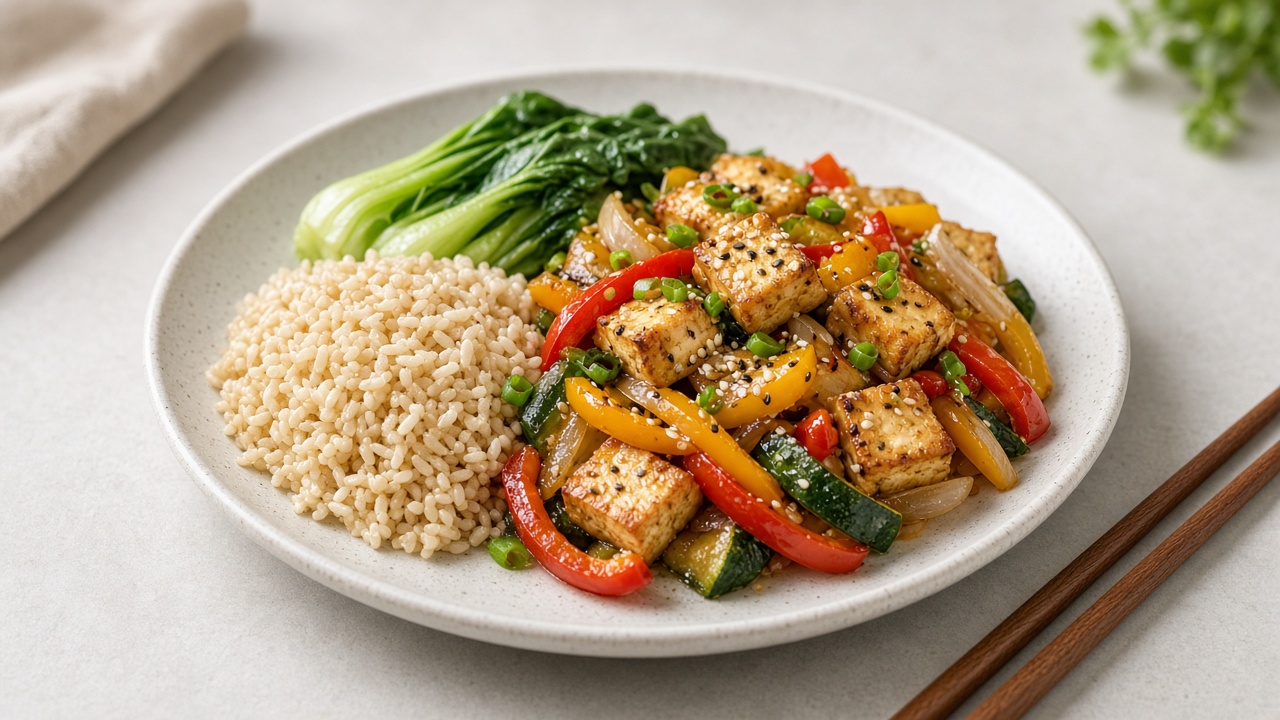
- Tofu Matrix Mechanics (Freeze, Press, Starch): Raw block tofu is 85% water trapped in a soy protein curd matrix. If placed directly in a frying pan, this water steams outward, preventing browning and creating a spongy, rubbery texture. To achieve restaurant-quality tofu, freeze the block solid (ice crystals puncture cell walls to create spongy micro-cavities), thaw, press firmly for 15 minutes, cube, and toss in fine cornstarch before searing. The starch absorbs residual surface moisture and gelatinizes in hot oil to form a shatteringly crisp exterior that clings to sauces.
- The Umami Trifecta: Boost savory depth in plant-based curries and broths by pairing glutamates with nucleotides. Combining caramelized tomato paste (rich in free glutamate) with rehydrated dried shiitake mushrooms (loaded with guanylate) and toasted nutritional yeast produces an exponential umami multiplier that mimics the richness of slow-simmered beef stock.
- Fat Emulsion for Mouthfeel: Plant proteins have minimal natural fat. To prevent vegetable curries from tasting thin and watery, emulsify sauces with full-fat coconut milk, tahini (ground sesame seed paste), or blended soaked raw cashews. Fat coats the tongue and extends the lingering finish of aromatic spices.
The 4-quadrant 30-day rotational blueprint
Instead of juggling 30 chaotic recipes, organize your 4 weeks around these dependable culinary pillars. Adjust portion sizes for singles, couples, or large households using our interactive servings scaler.
| Quadrant / Night | Culinary Profile | Anchor Recipe | Primary Protein Source | 30-Minute Execution Strategy |
|---|---|---|---|---|
| Quadrant 1: Wok & Sizzle | High-heat stir-fry with ginger-soy glaze | Crisp vegetable stir-fry with tofu | Cornstarch-crusted extra-firm tofu | Flash-sear vegetables in a smoking-hot skillet; toss with pre-whisked garlic tamari glaze. |
| Quadrant 2: Braised Aromatics | Warm northern Indian chickpea curry | Fragrant chana masala | Slow-simmered chickpeas (garbanzo beans) | Bloom roasted cumin, coriander, and amchur powder in onion-tomato masala; fold in whole chickpeas. |
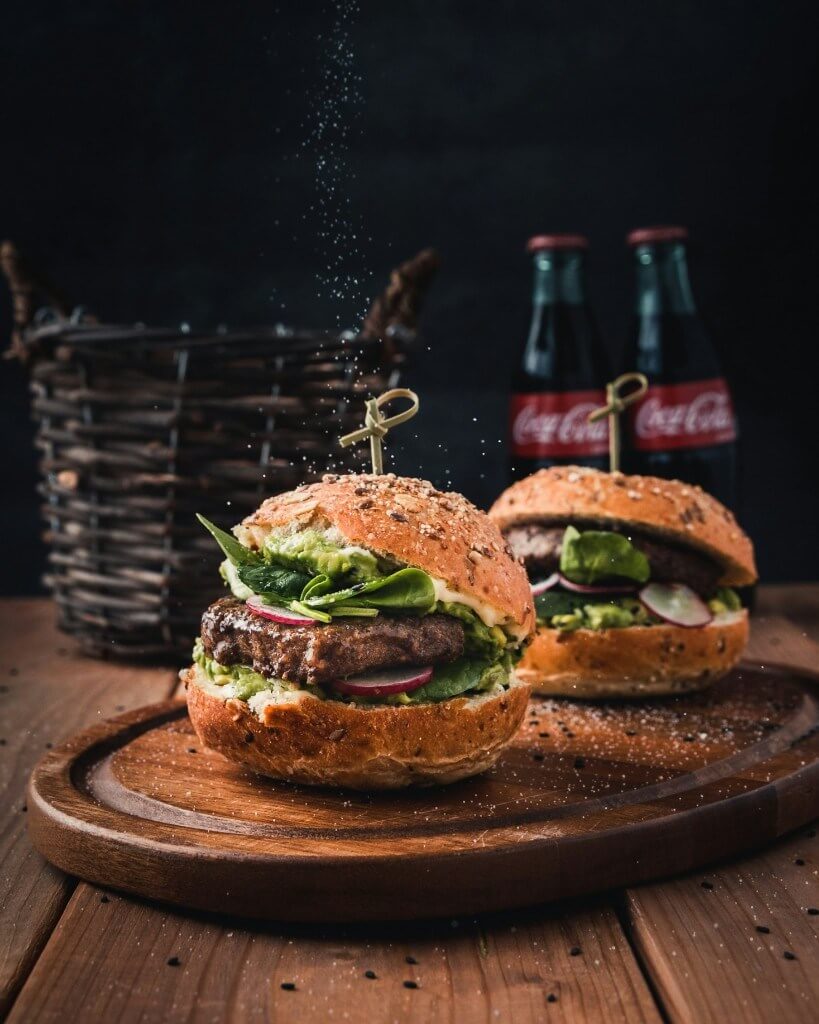
| Quadrant 3: Rustic Comfort | Smoky pan-seared legume patties | Hearty black bean burgers | Mashed black beans, rolled oats & walnuts | Form patties on Sunday; pan-sear 4 minutes per side in cast iron; serve on toasted whole-grain buns. |
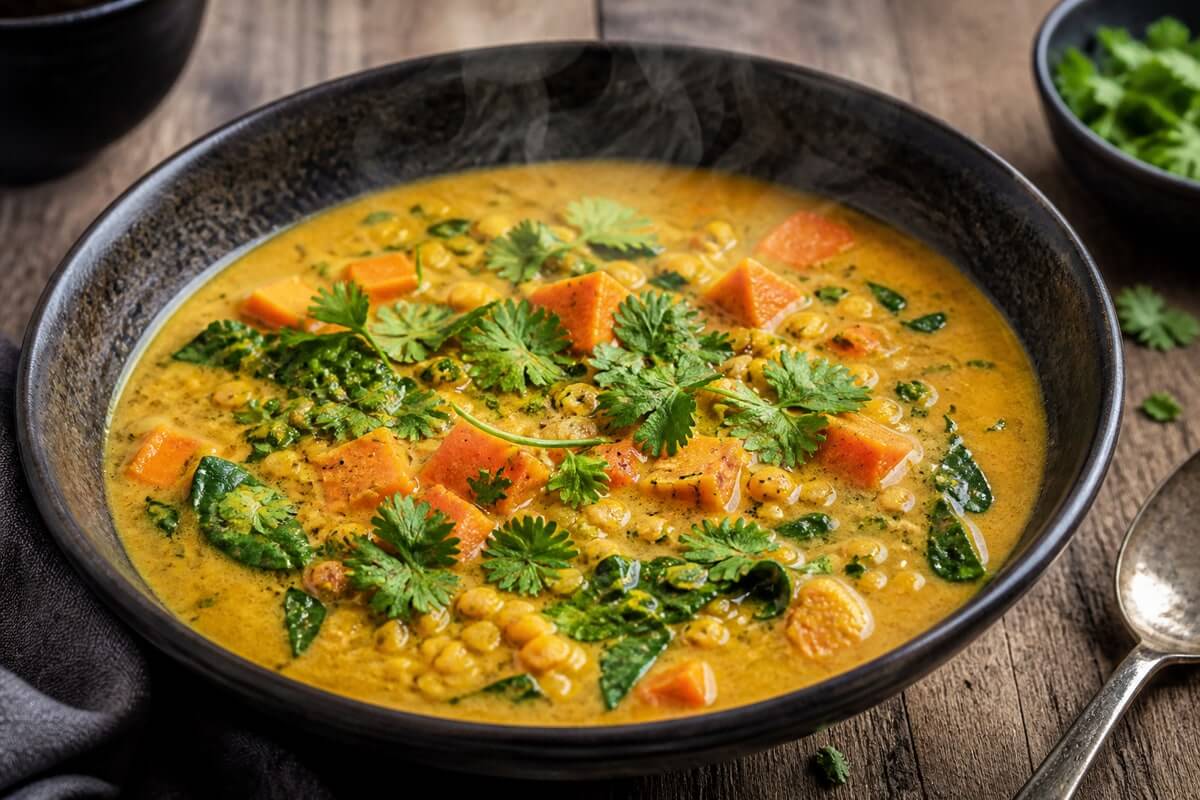
| Quadrant 4: Velvety Warmth | Rich coconut noodle & lentil broth | Comforting coconut curry soup | Red split lentils & pressed tofu cubes | Simmer red curry paste with coconut milk and broth; add rice vermicelli and greens right at the end. |
| Friday: Clean-Out Bowl | Savory wok fried rice with pantry scraps | Light cauliflower fried rice | Shelled edamame & toasted sesame seeds | Sauté cold leftover grains with riced cauliflower, diced vegetables, and toasted sesame oil. |
Master batch prep: 2 sauces that transform 10 meals
Dedicate 30 minutes on Sunday to blending two multi-purpose plant-based sauces. Stored in glass jars, they turn plain beans and steamed vegetables into instant feasts:
- Golden Garlic Tahini Dressing: Whisk 1/2 cup raw tahini with 1/3 cup cold ice water, 2 cloves finely grated garlic, 3 tablespoons fresh lemon juice, 1 tablespoon nutritional yeast, and sea salt. The ice water miraculously emulsifies the tahini into a fluffy, ivory crema. Drizzle over roasted vegetables, grain bowls, or falafel.
- Smoky Chipotle Enchilada Sauce: Simmer fire-roasted canned tomatoes, 2 canned chipotle chiles in adobo, 1 teaspoon cumin, 1 teaspoon Mexican oregano, and vegetable broth for 10 minutes. Blend until silky smooth. Use as a simmering sauce for skillet beans, taco bakes, or roasted sweet potatoes.
What fails: 5 common Veganuary mistakes
- Replacing meat with refined carbohydrates: Many beginners consume mountains of white pasta, bagels, and potato chips to fill the void. While technically vegan, this induces massive glycemic rollercoasters and chronic hunger. Every meal must feature a dedicated protein anchor (tofu, tempeh, lentils, chickpeas, or edamame).
- Under-seasoning plant proteins: Unlike animal meats, which carry natural sodium and savory fats, legumes and tofu are blank canvases. They require bold, aggressive seasoning—double the garlic, citrus zest, cracked black pepper, and toasted spices you would normally use.
- Neglecting micronutrients and vitamin B12: Plants do not synthesize vitamin B12. If maintaining a vegan dietary pattern beyond January, ensure you consume fortified plant milks, nutritional yeast, or a dedicated cyanocobalamin / methylcobalamin supplement.
- Purchasing complicated exotic ingredients for single recipes: Do not buy five separate rare starches that will sit in your pantry for three years. Rely on everyday supermarket staples: rolled oats, canned beans, brown rice, peanut butter, frozen peas, and seasonal produce.
- Discarding odd vegetable scraps: Stems from broccoli, kale ribs, and carrot tips should never be trashed. Toss them into our free leftover recipe finder to discover creative stir-fries, scrap broths, and grain bowls.
Frequently asked questions
How do I get enough protein on a 100% vegan dinner plan?
Achieving 25 to 35 grams of protein per dinner is straightforward with whole plant foods. A cup of cooked lentils provides 18 grams, 1/2 cup of firm tofu packs 20 grams, and 1/2 cup of shelled edamame contributes 9 grams. Pairing legumes with whole grains (such as black beans with brown rice or lentils with quinoa) provides a complete spectrum of essential amino acids.
How do I prevent gas and digestive bloating when increasing beans?
When rapidly increasing dietary fiber, your intestinal microbiome requires 10 to 14 days to adapt. Rinse canned beans under cold running water for 60 seconds to wash away indigestible oligosaccharides (raffinose sugars). If cooking dried beans from scratch, soak them with a piece of kombu seaweed or a pinch of baking soda, and introduce legumes gradually.
Can I freeze tofu to change its culinary texture?
Yes, freezing is a culinary secret weapon. Freezing a block of firm or extra-firm tofu causes water within the protein matrix to expand into ice crystals. When thawed and squeezed, the water drains out completely, leaving behind a dense, chewy, porous structure that soaks up marinades like a sponge.
How can I check if store-bought pantry items are truly vegan?
Sneaky animal derivatives often hide in packaged foods under technical names like casein, whey, isinglass, shellac, and carmine. Use our free diet and allergy checker to instantly screen ingredients and confirm recipe suitability, and organize your weekly shopping with our grocery list generator.