Recipe Planning
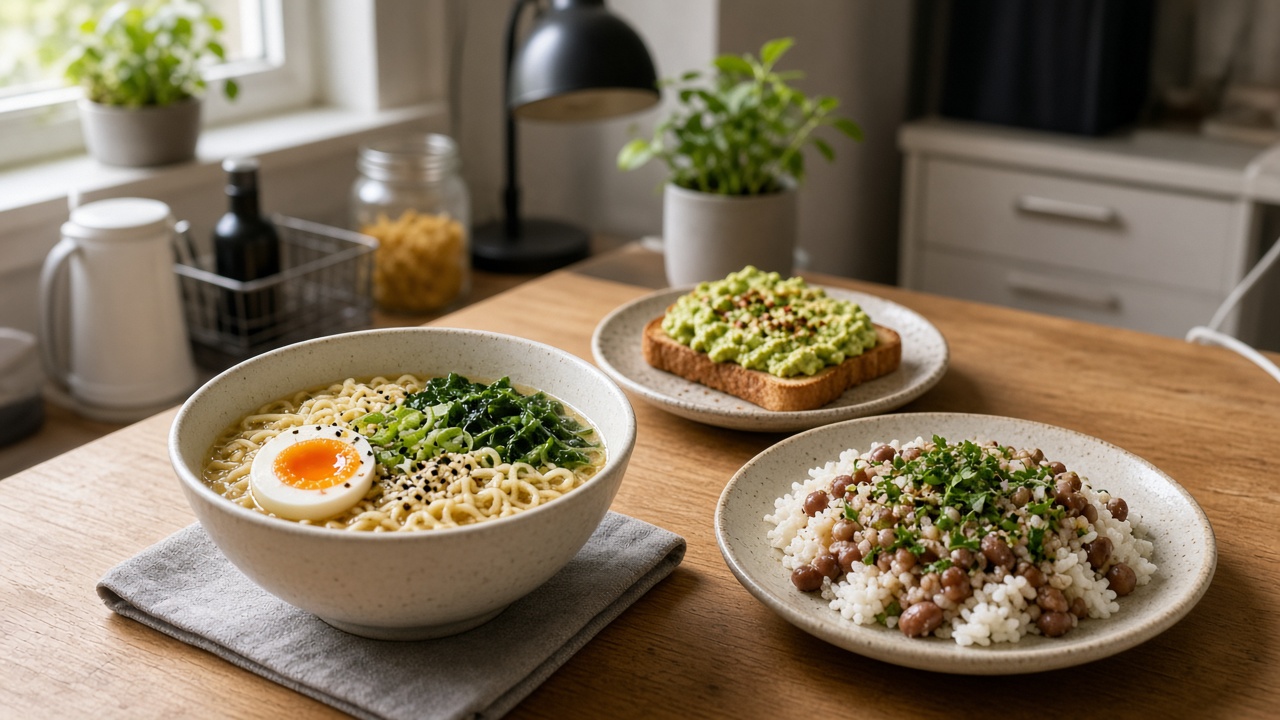
College and university life is an intense balancing act of lectures, grueling exam schedules, late-night study sessions, and tight financial constraints. In this high-pressure environment, nutrition is usually the first casualty. Students frequently fall into the classic dorm food trap: subsisting on 25-cent instant ramen packages loaded with 1,800mg of sodium, sugary energy drinks, and expensive midnight fast food orders that drain limited student bank accounts.
Eating well on a student budget does not require culinary school training, expensive kitchen appliances, or hours of daily cooking. By understanding the economics of high-yield whole-food staples—such as dried brown lentils, canned chickpeas, rolled oats, eggs, peanut butter, and frozen vegetables—any student can eat nutrient-dense, high-protein meals for less than $45 a week. Here is your battle-tested operational guide to surviving and thriving in college without going broke.
The student pantry power five
To maximize every dollar, build your weekly shopping foundation on these five high-yield, shelf-stable nutritional workhorses:
- Eggs ($0.25–$0.35 per serving): Nature's ultimate budget multivitamin. Two eggs deliver 12 grams of high-biological-value complete protein, choline for cognitive memory, and vitamin D. Scramble them into fried rice, poach them over toast, or hard-boil a dozen for portable campus study snacks.
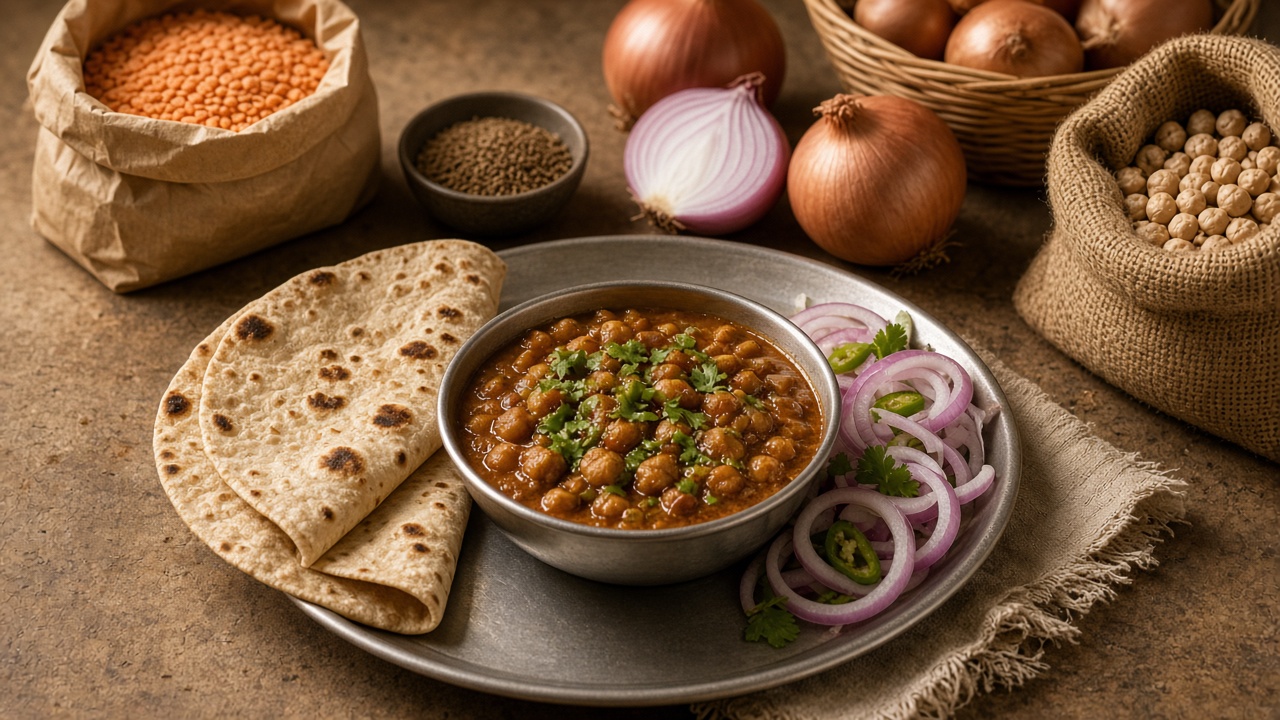
- Dried Brown Lentils ($0.15 per serving): A 1-pound bag of dried brown lentils costs roughly $1.50 and yields 6 generous servings of hearty protein, folate, and iron. Unlike dry beans, lentils require no overnight soaking and simmer tender in 20 minutes.
- Canned Chickpeas and Black Beans ($0.80–$1.00 per can): Ready to eat straight from the can. Mash them with cumin for quick wraps, toss them into salads, or roast them in an air fryer for crunchy study snacks.
- Rolled Oats ($0.20 per bowl): Complex carbohydrates that provide steady, sustained glucose to the brain without mid-morning lecture crashes. Packed with beta-glucan fiber, oats keep you full for hours.
- Bagged Frozen Vegetables ($1.25 per bag): Frozen broccoli, peas, and mixed stir-fry vegetables are flash-frozen within hours of harvest, retaining more micronutrients than "fresh" vegetables that sat on supermarket shelves for two weeks. They never spoil in your freezer.
7-day student budget meal plan ($45 total cost)
This meal plan requires minimal cookware (a single skillet and small pot) and keeps weeknight prep under 25 minutes. Scale portions with our servings scaler.
| Day | Breakfast | Campus Packed Lunch | Dinner | Student Cost & Dorm Prep Strategy |
|---|---|---|---|---|
| Monday | Warm rolled oats with peanut butter, cinnamon, and sliced banana ($0.45) | Chickpea and cucumber salad bowl with olive oil and vinegar ($1.20) | Big bowl of hearty lentil soup with toasted bread ($1.40) | Cook a big 4-serving pot of lentil soup; eat one bowl tonight, store three in containers for the week. |
| Tuesday | 2 eggs scrambled with chopped onions and whole wheat toast ($0.65) | Reheated lentil soup in a campus thermos with crackers ($1.40) | Fragrant chickpea and sweet potato curry over rice ($1.65) | Simmer sweet potatoes and canned chickpeas in coconut milk and curry spices; double the rice. |
| Wednesday | Overnight oats soaked in milk with peanut butter and chia ($0.55) | Leftover chickpea sweet potato curry in a glass container ($1.65) | Savory cauliflower fried rice with 2 eggs, soy sauce, and scallions ($1.80) | Single-skillet dinner; scramble eggs into sautéed riced cauliflower and frozen peas in 10 minutes. |
| Thursday | Peanut butter and banana sandwich on whole wheat bread ($0.50) | Cold cauliflower fried rice bowl with hot sriracha drizzle ($1.80) | Golden pan-seared vegetable stir-fry with tofu over brown rice ($1.90) | Extra-firm tofu ($1.75/block) seared in hot oil with frozen stir-fry vegetables and tamari. |
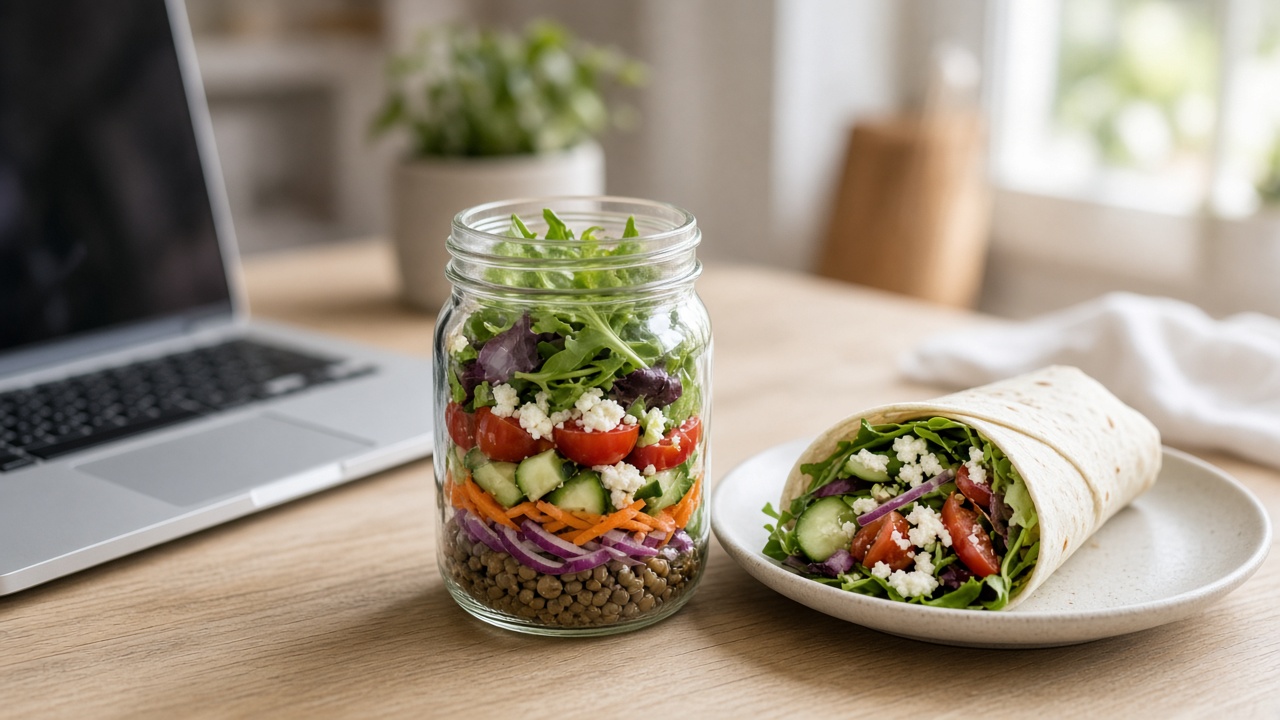
| Friday | 2 hard-boiled eggs with sea salt and a crisp apple ($0.75) | Tofu and veggie wrap rolled in a large tortilla ($1.50) | Spicy Southeast Asian peanut noodle bowl with shredded cabbage ($1.60) | Boil spaghetti; whisk peanut butter with soy sauce, lime juice, warm water, and garlic for sauce. |
| Saturday | Banana oat pancakes (mashed banana, 1 egg, oat flour) ($0.60) | Leftover cold peanut noodles tossed with fresh cilantro ($1.60) | Black bean quesadilla: tortillas toasted in skillet with cheese and salsa ($1.75) | Quick comfort dinner; crisp black beans and cheese between tortillas in a dry skillet. |
| Sunday | Scrambled egg breakfast burrito with black beans and salsa ($0.85) | DIY campus snack box: hard-boiled egg, cheese cubes, apple slices ($1.25) | Pantry Cleanout Fried Rice: rice tossed with remaining eggs and vegetables ($1.10) | Use all remaining rice, onion ends, and eggs from the fridge; zero waste before shopping Monday. |
The student supermarket survival playbook
Save massive amounts of money by adopting these four shopping habits:
- Never Shop at Convenience Stores or Bodegas: Campus corner stores mark up milk, eggs, and bread by 60% to 100%. Make the trip to a discount supermarket (Aldi, Lidl, Trader Joe's, or local ethnic markets) where staple prices are dramatically lower.
- Check the Bottom Shelves: Supermarkets place expensive name brands at eye level. Look at the bottom shelves for store-brand oats, canned beans, and flour where the identical product costs 40% less.
- Shop With Roommates for Bulk Staples: Split a 20-pound bag of rice, a 5-pound bag of onions, and a large bottle of olive oil with your roommates. Buying in bulk cuts the per-meal staple cost down to pennies.
- Use Your Campus ID: Many grocery stores near university campuses offer a 10% student discount on specific days of the week (usually Tuesdays or Wednesdays). Schedule your grocery runs accordingly.
Use our automated grocery list generator to create a consolidated shopping checklist, and review our desi budget meal planning guide for further cost-cutting tips.
What fails: 5 mistakes students make with food
- Spending financial aid on food delivery apps: Ordering delivery three times a week easily costs $80 to $100 with service fees, tips, and delivery surcharges. Over a 16-week semester, that totals nearly $1,500—enough to pay for an entire semester's worth of home-cooked groceries.
- Buying perishable greens without a plan: Buying a giant tub of mixed salad greens with the vague hope of "eating healthy" usually results in throwing away a tub of brown sludge five days later. Buy hardy greens like cabbage or frozen broccoli that hold for weeks.
- Eating instant ramen without upgrading: Pure instant ramen provides refined wheat starch and sodium with zero protein or fiber, causing a swift blood sugar spike followed by intense fatigue during class. If you eat ramen, discard half the seasoning packet, crack two fresh eggs into the boiling broth, and toss in a handful of frozen peas.
- Not labeling food in shared dorm refrigerators: Leaving unlabeled groceries in shared communal fridges invites roommates to "borrow" your eggs and milk. Clearly label your containers and milk cartons with masking tape and a marker.
- Shopping while starving after late lectures: Going grocery shopping hungry at 6:00 p.m. leads to impulse purchases of chips, cookies, and soda. Always eat an apple or handful of peanuts before stepping into the supermarket.
Frequently asked questions
How can I cook healthy food in a dorm room with no stove?
If your residence hall prohibits stoves, acquire three versatile appliances: an electric kettle (for boiling water for oats, couscous, and ramen), a compact rice cooker (which can steam vegetables and cook rice and lentils simultaneously), and a small air fryer. These three tools allow you to prepare hundreds of hot, healthy meals.
What are the cheapest healthy snacks for studying?
Air-popped popcorn seasoned with nutritional yeast and sea salt ($0.15/bowl), sliced apples with natural peanut butter ($0.40), hard-boiled eggs with black pepper ($0.30), and roasted spiced chickpeas are far healthier and cheaper than packaged vending machine snacks.
How long do prepped student meals keep in a mini-fridge?
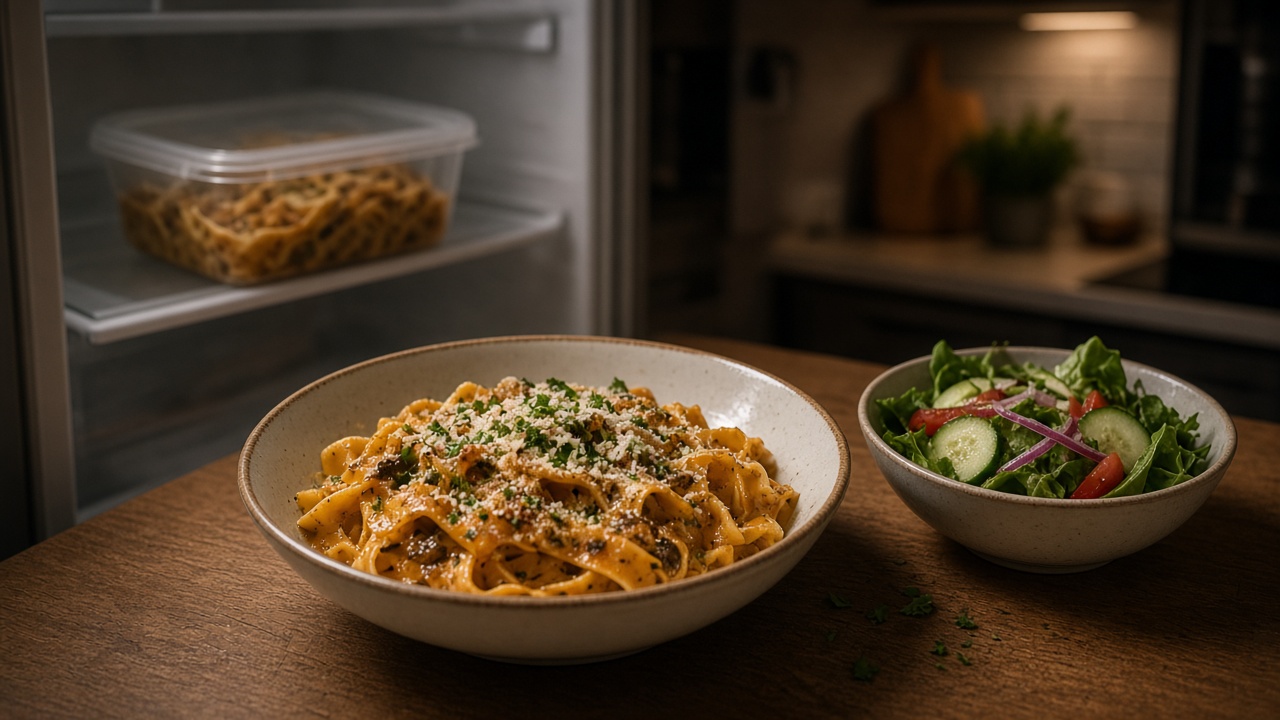
Because mini-fridges are frequently opened and maintain slightly higher temperatures than full-sized refrigerators, consume prepped poultry and fish within 3 days, and cooked lentil soups and curries within 4 to 5 days. Keep a thermometer inside your mini-fridge to verify it stays below 40°F (4°C).
How does Recipe Planning help students save money?
Our free meal plan generator allows you to input strict budget constraints and filter by simple equipment. Scale recipes with the servings scaler, and discover smart recipes for leftover ingredients with the leftover finder.