Recipe Planning
During intense exercise, your body undergoes significant mechanical, energetic, and hormonal stress. Intramuscular glycogen stores are depleted, myofibrillar proteins suffer micro-tears, circulating cortisol and inflammatory cytokines rise, and intracellular electrolytes are lost through perspiration. Finishing your final set leaves your body in an acute catabolic state. How quickly and completely you transition from this catabolic breakdown to an anabolic recovery state depends directly on the nutritional inputs you deliver following your workout.
Post-workout nutrition is governed by the Three R's of Recovery: Rehydrate, Refuel, and Repair. You must replenish fluid and electrolyte deficits, restore depleted glycogen reserves with bioavailable carbohydrates, and supply a robust pulse of essential amino acids to stimulate muscle protein synthesis (MPS). While marketing campaigns promote overpriced proprietary recovery supplements, sports science confirms that balanced, whole-food home cooking delivers identical or superior physiological recovery. This guide breaks down post-exercise biochemistry, meal ratios, and practical batch-prep recovery dinners.
Important: This guide is for general meal-planning ideas, not medical advice. If you have metabolic conditions, kidney disease, or cardiovascular concerns, consult your sports dietitian or physician before modifying post-exercise nutrition.
The Three R's of athletic recovery physiology
To optimize recovery kinetics following strenuous exercise, structure your post-workout meal around three physiological priorities:
- Refuel (Glycogen Resynthesis): Exercise stimulates the translocation of glucose transporter type 4 (GLUT4) vesicles to the muscle cell membrane independently of insulin. In the 60 to 90 minutes post-exercise, glycogen synthase activity is at its biological peak. Consuming fast-to-moderate digesting carbohydrates (rice, potatoes, oats, fruit, pasta) rapidly replenishes liver and muscle glycogen. For endurance athletes or two-a-day training, aim for a 3:1 or 4:1 ratio of carbohydrates to protein.
- Repair (Stimulating Muscle Protein Synthesis): Resistance exercise increases both muscle protein synthesis (MPS) and muscle protein breakdown (MPB). Without post-workout amino acids, net protein balance remains negative. Delivering 25 to 40 grams of complete protein rich in leucine (beef, chicken, salmon, eggs, whey, or soy) flips net protein balance positive, initiating cellular repair and hypertrophy.
- Rehydrate (Electrolyte & Fluid Replacement): Rehydrating requires more than just plain water; without sodium, drinking pure water lowers plasma osmolality and stimulates rapid urine output before intracellular fluid balance is restored. Pair fluid intake with natural sodium, potassium, and magnesium (found naturally in broths, sweet potatoes, and seasoned lean meals).
Top post-workout recovery meal ideas
These five prep-friendly recovery meals balance complete proteins, restorative carbohydrates, and anti-inflammatory nutrients:
| Recovery Meal | Primary Ingredients | Macronutrient Profile | Recovery Mechanism |
|---|---|---|---|
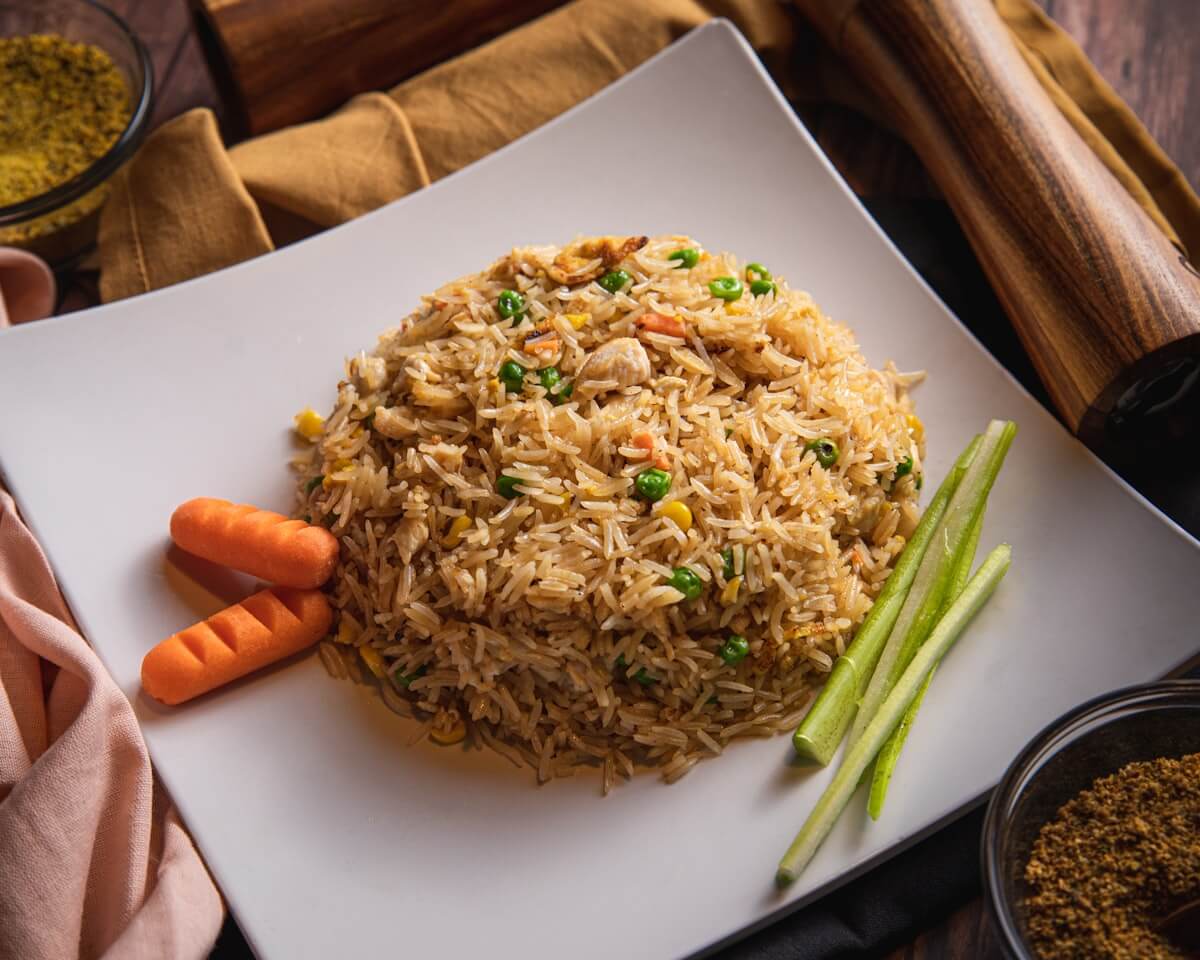
| Chicken Fried Rice Bowl | Diced chicken breast, scrambled eggs, pre-cooked jasmine rice, peas, and sesame oil | 38g protein, 55g carbs, 10g fat | Fast-acting carbohydrates from jasmine rice rapidly stimulate GLUT4 glycogen uptake; complete amino acids from poultry and eggs. See chicken fried rice lunch bowl. |
| Beef and Broccoli Bowl | Lean flank steak strips, broccoli florets, tamari sauce, and brown basmati rice | 42g protein, 50g carbs, 12g fat | Heme iron and bioavailable zinc replenish oxygenation capacity and support hormonal recovery. See beef and broccoli stir-fry. |
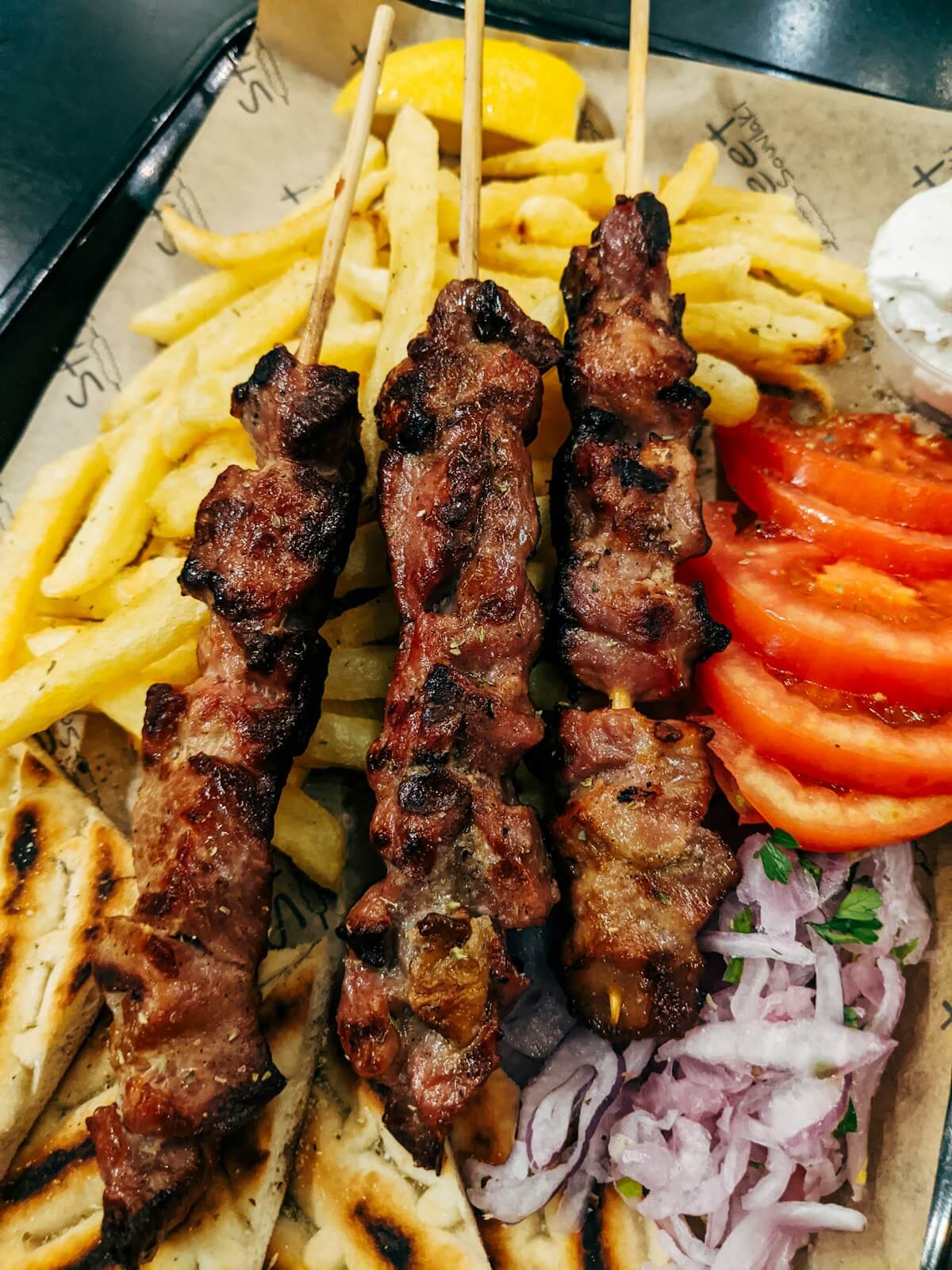
| Greek Chicken & Potato Platter | Greek chicken skewers, roasted baby Yukon gold potatoes, and homemade tzatziki | 40g protein, 48g carbs, 9g fat | Potassium-rich potatoes restore cellular electrolytes; Greek yogurt in tzatziki delivers calcium and probiotics. |
| Herb-Baked Salmon & Sweet Potato | Herb-baked salmon fillet, baked sweet potato wedges, and roasted asparagus | 36g protein, 45g carbs, 14g fat | Marine omega-3 fatty acids (EPA/DHA) dampen delayed-onset muscle soreness (DOMS) and systemic inflammation. |
| High-Protein Greek Yogurt Parfait | Plain nonfat Greek yogurt, honey, raw walnuts, and fresh blueberries | 28g protein, 35g carbs, 8g fat | Fast, no-cook recovery snack for lighter sessions; anthocyanins from blueberries accelerate oxidative recovery. See greek yogurt parfait. |
The reality of the "anabolic window"
For years, fitness folklore claimed that if you failed to consume protein within 30 minutes of finishing a workout, your gains were lost. Modern nutritional meta-analyses have decisively debunked this rigid 30-minute deadline:
- A 2-to-3-Hour Window: The biological window of heightened muscle protein synthesis sensitivity remains elevated for at least 24 to 48 hours post-exercise.
- Pre-Workout Carryover: If you consumed a balanced meal containing 30 grams of protein 1 to 2 hours before training, those amino acids are still circulating in your bloodstream during and immediately after exercise.
- Consistency Over Speed: Focus on consuming a balanced whole-food meal containing 30 to 40 grams of protein and quality carbohydrates within 1 to 2 hours post-workout, rather than rushing to chug a synthetic shake in the locker room.
What fails: 5 common post-workout recovery mistakes
- Drinking alcohol after workouts: Celebrating a tough training session with beers severely impairs recovery. Alcohol directly inhibits the mTORC1 pathway, reducing myofibrillar protein synthesis by up to 37%, while disrupting sleep architecture and impairing glycogen resynthesis. Avoid alcohol post-workout.
- Eating only protein and skipping carbohydrates: Consuming 50 grams of protein with zero carbohydrates fails to trigger insulin-mediated glycogen replenishment and leaves cortisol elevated. Carbohydrates are essential for halting post-exercise muscle protein breakdown.
- Consuming massive amounts of dietary fat immediately post-workout: Consuming high-fat fast food post-workout delays gastric emptying, slowing the rate at which carbohydrates and amino acids enter circulation. Keep post-workout fats moderate (10–15g) and prioritize proteins and starches.
- Over-relying on anti-inflammatory medications (NSAIDs): Regularly popping ibuprofen or naproxen to blunt muscle soreness suppresses prostaglandin synthesis, which is an essential signaling mechanism for muscle hypertrophy and tendon remodeling. Use natural anti-inflammatory foods (tart cherry juice, turmeric, omega-3s) instead.
- Rehydrating with plain water alone after heavy sweating: Gulping down 2 liters of pure distilled water after a sweaty session dilutes blood sodium, triggering the kidneys to excrete water and potentially causing hyponatremic headaches. Always include sodium and electrolytes with post-workout fluids.
Frequently asked questions
Should I choose whole food or a protein powder shake after training?
Both are effective, but whole foods provide distinct advantages. While whey protein isolate is absorbed quickly, whole foods (like salmon, chicken, eggs, and Greek yogurt) deliver essential micronutrients, intact food matrices, and longer-lasting amino acid elevation. If you are on the go, a protein shake is a great convenience tool; otherwise, enjoy a balanced home-cooked meal.
How many carbohydrates should I consume post-workout?
For general resistance training, aim for 0.5 to 0.7 grams of carbohydrate per kilogram of body weight (roughly 40 to 60 grams). For endurance runners or athletes training multiple times per day, increase intake to 1.0 to 1.2 grams of carbohydrate per kilogram to rapidly refill depleted glycogen tanks.
Does tart cherry juice really reduce muscle soreness?
Yes. Multiple clinical trials demonstrate that consuming tart Montmorency cherry juice (rich in anthocyanins) in the days surrounding strenuous exercise significantly reduces delayed-onset muscle soreness (DOMS), accelerates strength recovery, and dampens systemic oxidative stress markers.
How can I make post-workout dinner prep effortless on weeknights?
Automate your kitchen routines with our free digital tools. Use our meal plan generator to organize your week, generate a consolidated shopping trip with our grocery list generator, and rescue extra pantry staples with our leftover finder.