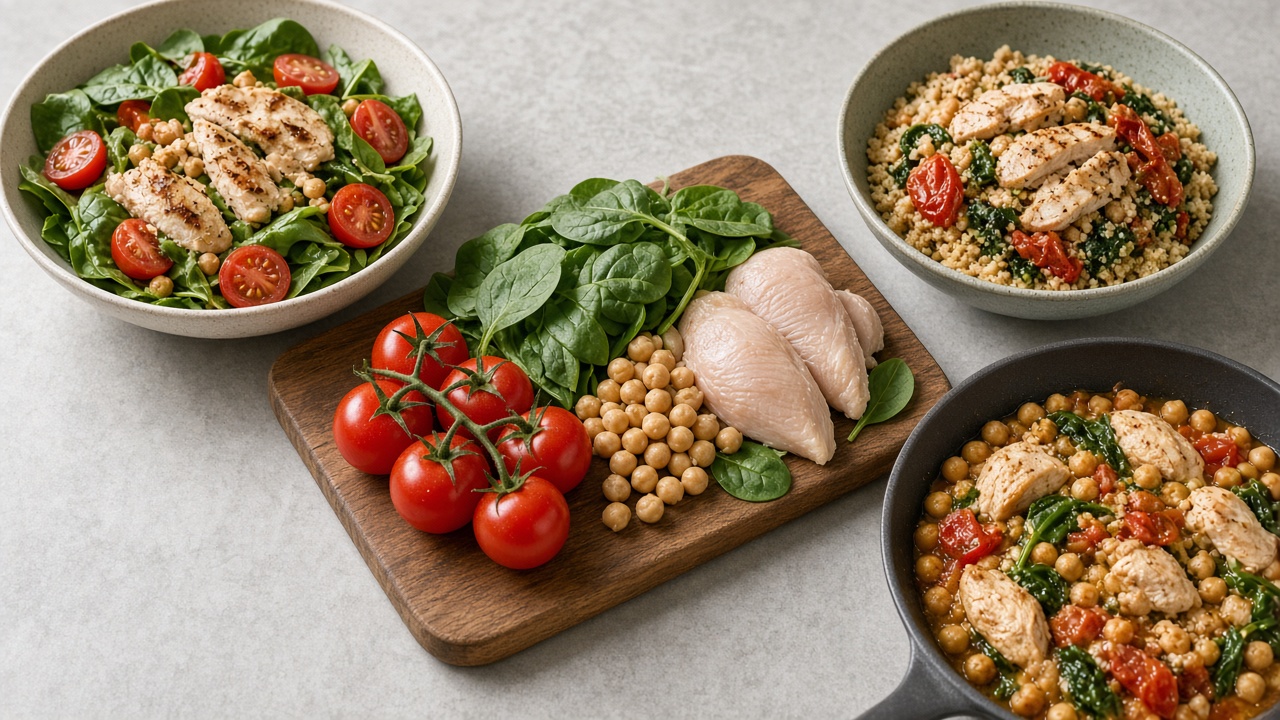
Recipe Planning
Peanut allergy is among the most prevalent and clinically severe food allergies in the modern world, affecting millions of children and adults. For parents packing school lunches or home cooks managing a peanut-safe kitchen, the daily routine can feel overwhelming. Peanuts are notoriously pervasive: they hide in chili seasonings, thicken international curry sauces, contaminate bakery equipment, and masquerade behind complex industrial food additives like arachis oil and hydrolyzed plant protein.
The good news is that cooking without peanuts does not mean giving up on rich satay noodles, savory African peanut stews, or comforting midday sandwiches. By mastering the culinary chemistry of roasted seed butters—especially roasted sunflower seed butter (SunButter), pumpkin seed butter, and toasted sesame tahini—you can replicate the exact mouthfeel, nutty savoriness, and protein density of peanut-based classics while keeping your kitchen 100% allergen-safe. Here is your comprehensive guide to a delicious, stress-free peanut-free week.
Clinical Note: This guide offers kitchen management and culinary planning principles. Always maintain an up-to-date Anaphylaxis Emergency Action Plan approved by your board-certified allergist and ensure epinephrine auto-injectors are readily accessible at all times.
The seed butter substitution matrix
Peanuts provide thick viscosity, healthy fats, and distinct roasted notes. Replicate their culinary behavior with these three exceptional seed-based alternatives:
- Roasted Sunflower Seed Butter (SunButter): The undisputed champion for replacing peanut butter in school sandwiches and baking. It features a nearly identical creamy texture and roasted aroma. Culinary Tip: When baking with baking soda, the chlorophyll in sunflower seeds can react and turn baked goods green upon cooling; simply reduce baking soda by one-third or add a splash of lemon juice to prevent this harmless cosmetic reaction.
- Toasted White Sesame Tahini: The premier substitute for savory peanut sauces, marinades, and noodle dressings. Tahini provides deep earthy bitterness and luxurious fat. Whisked with warm water, garlic, tamari, and lime juice, it mimics Southeast Asian peanut sauces flawlessly.
- Roasted Pumpkin Seed Butter (Pepita Butter): Boasting a striking sage-green hue, pumpkin seed butter is rich in zinc and magnesium with an earthy, rustic flavor that excels in savory salad dressings, grain bowls, and meat glazes.
7-day peanut-free family meal schedule
This balanced schedule delivers vibrant weeknight variety while strictly adhering to peanut-free standards. Scale ingredient quantities with our servings scaler.
| Day | Breakfast | Lunch | Dinner | Peanut-Safe Culinary Strategy |
|---|---|---|---|---|
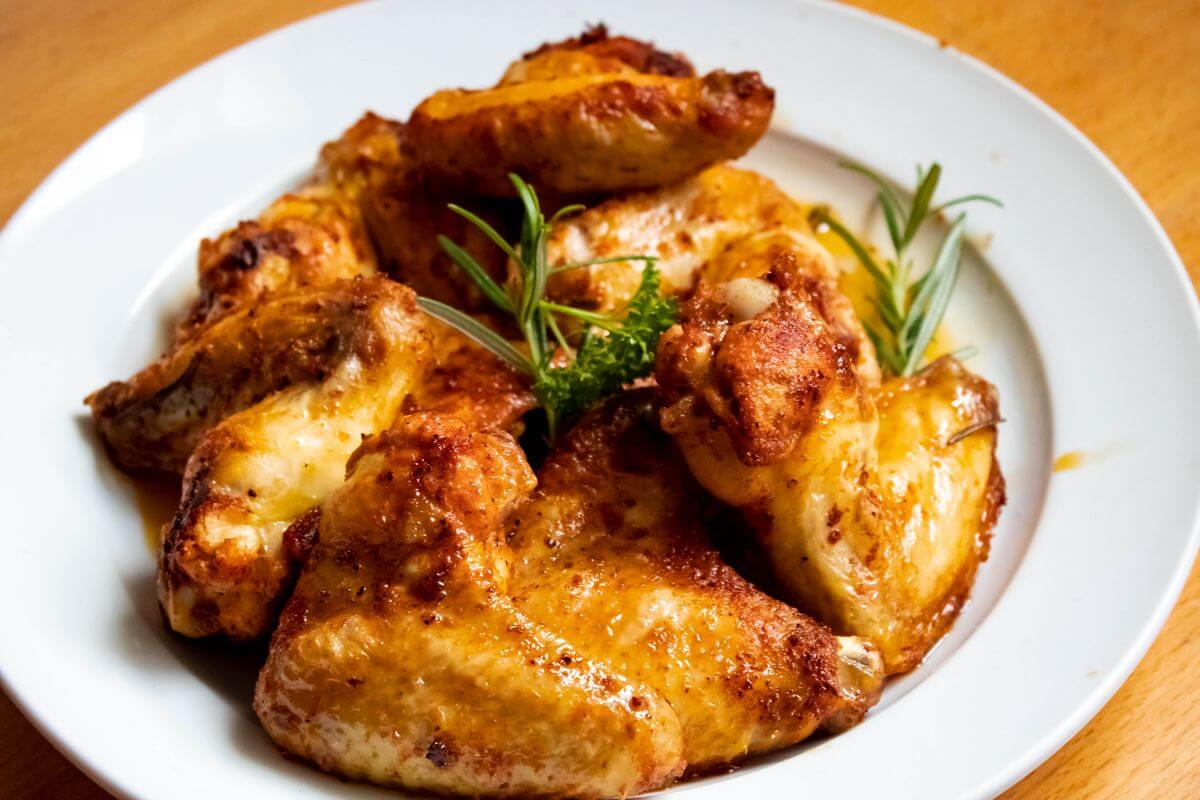
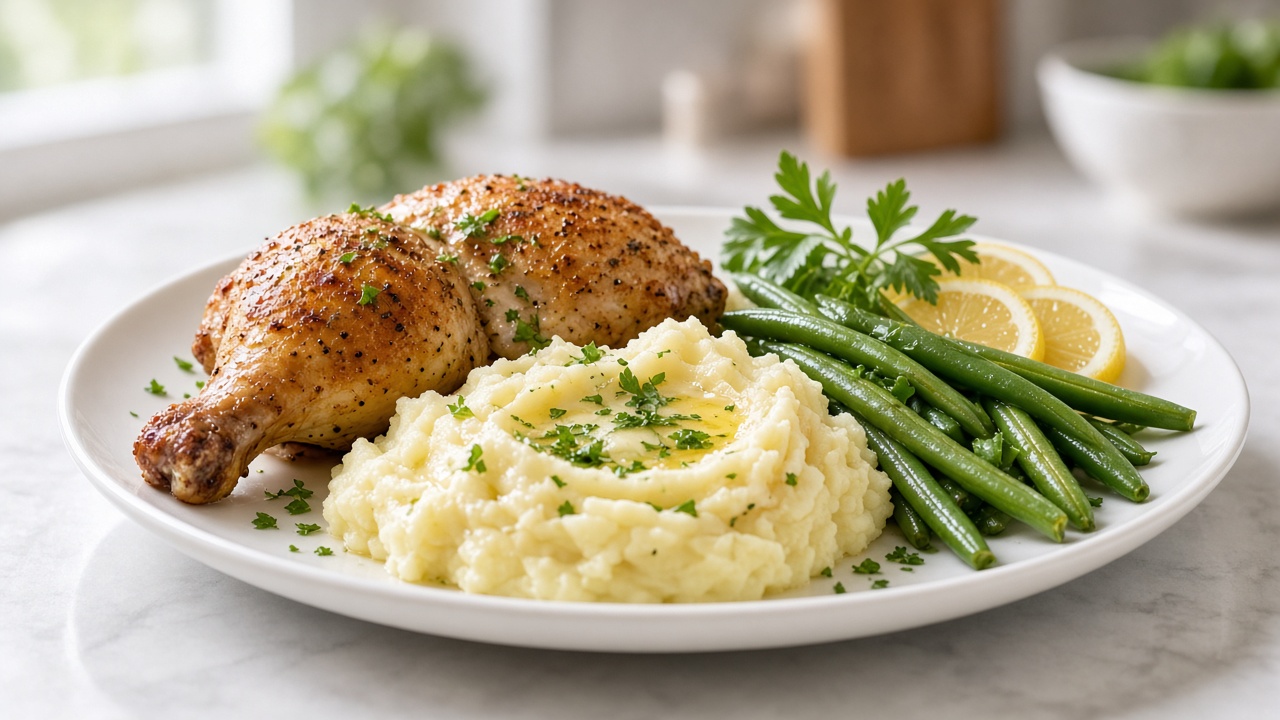
| Monday | Warm oatmeal topped with sunflower seed butter, chia seeds, and sliced banana | Mediterranean quinoa salad with chickpeas, diced cucumber, and oregano | Juicy sheet-pan lemon herb chicken with roasted rosemary potatoes and green beans | Naturally peanut-free whole-food dinner; season generously with olive oil, fresh lemon, and rosemary. |
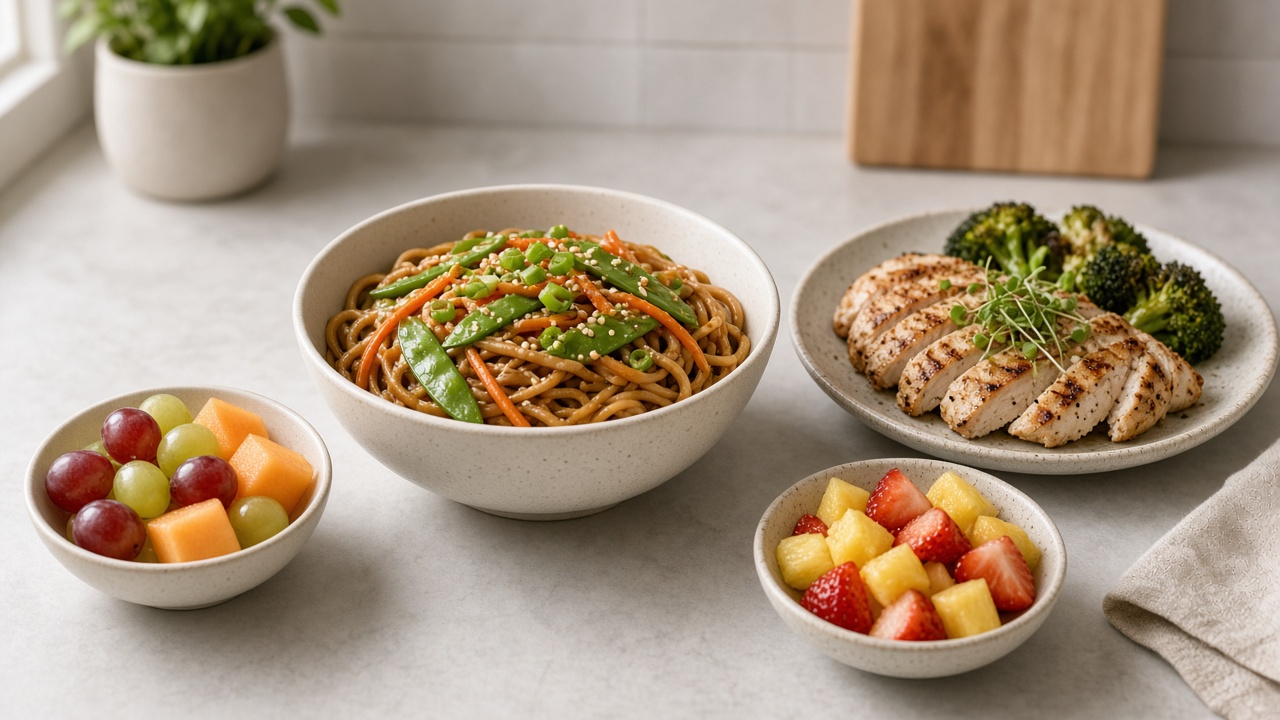
| Tuesday | 2 pasture-raised eggs scrambled with baby spinach, tomatoes, and sourdough toast | Shredded lemon herb chicken wrapped in whole wheat flatbread with tzatziki | Savory Thai-style peanut noodle bowl (prepared with 100% sunflower seed butter) | Replace peanut butter 1:1 with SunButter; whisk with tamari, fresh ginger, lime juice, and warm water. |
| Wednesday | Green smoothie with spinach, frozen mango, hemp hearts, and soy milk | Leftover cold sunbutter noodle bowl tossed with fresh cilantro and lime | Comforting bowl of hearty lentil soup with warm artisanal crusty bread | Simmer brown lentils with mirepoix, tomato paste, and vegetable broth; rich in fiber and folate. |
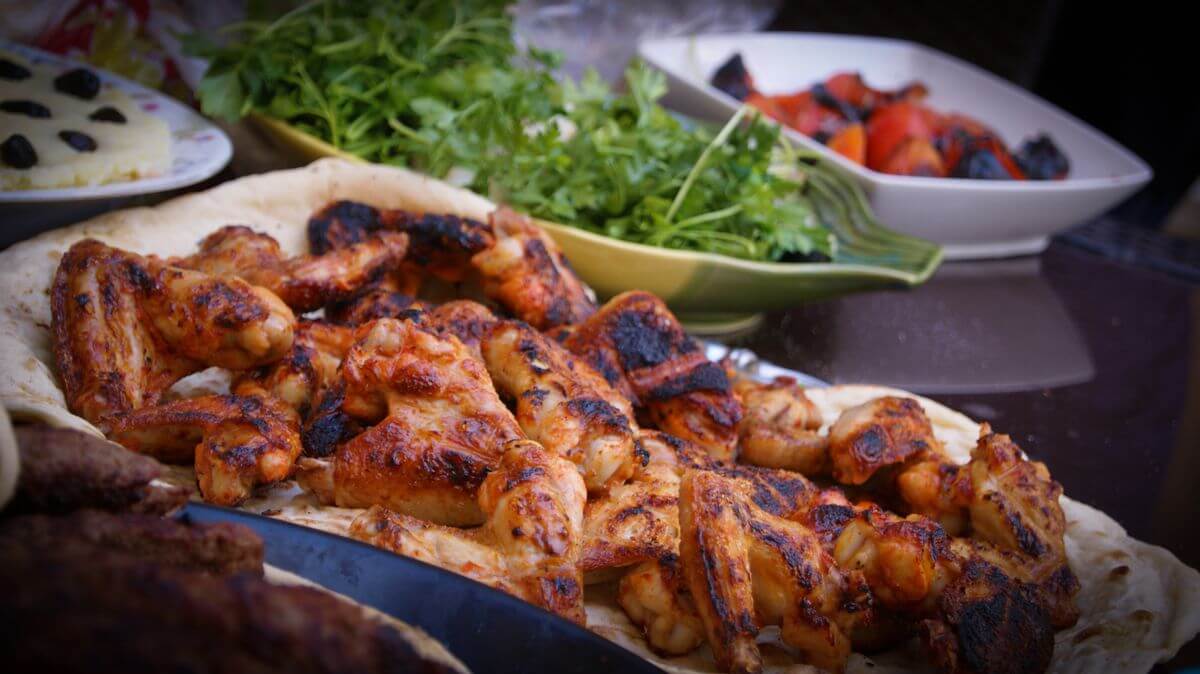
| Thursday | Avocado toast on whole-grain sourdough with poached eggs and hemp seeds | Leftover hearty lentil soup with a crisp romaine side salad | Charred greek chicken skewers with tzatziki, warm pita, and chopped Greek salad | Marinate chicken cubes in olive oil, lemon, garlic, and dried oregano; grill or broil until juicy. |
| Friday | Certified peanut-free granola with Greek yogurt and fresh raspberries | Greek chicken salad bowl: leftover chicken skewer pieces over greens, olives, and feta | Golden pan-seared vegetable stir-fry with tofu with sesame tamari glaze | Extra-firm tofu seared in sesame oil; verify tamari and chili paste are produced in a dedicated peanut-free facility. |
| Saturday | Buckwheat waffles topped with whipped butter, warm berry compote, and pure maple syrup | SunButter and strawberry jam sandwiches on whole wheat with carrot sticks | Homemade personal flatbread pizzas with fresh mozzarella, tomato sauce, and basil | Interactive weekend family dinner; ensure store-bought dough or flatbreads carry no peanut cross-contact warnings. |
| Sunday | Vegetable frittata baked with baby spinach, onions, and sharp cheddar | Leftover vegetable frittata served cold with a crisp cucumber salad | Sunday Kitchen Reset: clean-out-the-crisper grain bowls with garlic tahini drizzle | Blend sesame tahini, warm water, minced garlic, and lemon juice for an ultra-creamy savory dressing. |
The peanut-free supermarket shopping protocol
Protecting your kitchen requires vigilant grocery habits. Keep these essential safeguards in mind:
- Watch for "Arachis Oil" and Peanut Flour in Disguise: In specialty imported foods, peanut oil is sometimes listed under its scientific Latin name, Arachis hypogaea. Furthermore, peanut flour is occasionally used as a protein booster in commercial packaged baked goods and vegetarian meat analogues.
- Avoid Bulk Bins and Loose Candy Counters: Bulk sections in health food stores and supermarkets are high-risk zones. The scoops used for peanuts and peanut clusters regularly migrate into bins of rolled oats, sunflower seeds, or dried fruit. Always buy factory-sealed packages.
- Verify Dedicated Facility Labeling: Look for certified logos indicating "Made in a Dedicated Peanut-Free Facility." Brands that specialize in allergen-friendly products provide the highest safety standard for school lunchboxes and vulnerable family members.
Use our automated grocery list generator to create a consolidated shopping checklist, and review our guide to aisle-by-aisle shopping.
What fails: 5 mistakes in peanut-free kitchens
- Assuming highly refined peanut oil is safe for everyone: While some medical literature suggests that highly refined peanut oil contains negligible protein and may be tolerated by some allergic individuals, cold-pressed or unrefined gourmet peanut oil contains significant allergenic proteins. Never introduce peanut oil without explicit clearance from your allergist.
- Forgetting that peanuts are legumes, not tree nuts: Peanuts grow underground in pods and are botanically related to soybeans, lentils, and peas. While many people with peanut allergies can safely eat tree nuts (walnuts, almonds), cross-contact during commercial processing is frequent. Clarify your specific allowances with your physician.
- Trusting commercial bakery goods: Bakeries frequently use peanut butter fillings, peanut dustings, and shared sheet pans for cookies and pastries. Cross-contact in commercial bakeries is extremely common. Rely on dedicated allergen-safe bakeries or bake treats at home.
- Overlooking savory sauces in takeout cuisine: Thai satay, Indonesian gado-gado, Mexican mole, and Chinese kung pao dishes rely heavily on peanuts. Even if you request a dish "without peanuts," shared woks and airborne oils create substantial risk. Prepare fakeaway versions safely at home.
- Failing to clean shared kitchen appliances: If non-allergic housemates consume peanut products, peanut protein residue can survive on toaster slots, sponge scrubbers, and blender blades. Maintain separate color-coded sponges and dedicated toaster slots for allergic members.
Frequently asked questions
Can someone with a peanut allergy safely eat tree nuts like almonds or walnuts?
Botanically, yes. Tree nuts belong to different plant families than peanuts. Many individuals with peanut allergies are completely unallergic to tree nuts. However, because peanuts and tree nuts are frequently processed on shared manufacturing lines, always verify with your allergist and look for certified "peanut-free" tree nut brands.
What is the best 1:1 replacement for peanut butter in baking?
Creamy roasted sunflower seed butter (SunButter) is the premier 1:1 substitute in cookies, brownies, and quick breads. It offers an identical fat-to-protein ratio and rich mouthfeel. If using baking soda, add 1 teaspoon of apple cider vinegar or lemon juice to prevent chlorophyll greening.
How do I pack safe peanut-free lunches for school?
SunButter and fruit preserves on whole-grain bread, hummus and vegetable pita pockets, turkey cheese roll-ups, and cold quinoa chicken bowls are fantastic school-safe options. Always pack packaged snacks that explicitly feature "Certified Peanut-Free" packaging to satisfy school campus policies.
How can I build an automated peanut-free meal plan?
You can generate a personalized weekly menu in seconds using our free meal plan generator. Select the peanut-free filter, adjust family portions with our servings scaler, and find creative recipes for leftover seed butter with the leftover finder.