Recipe Planning
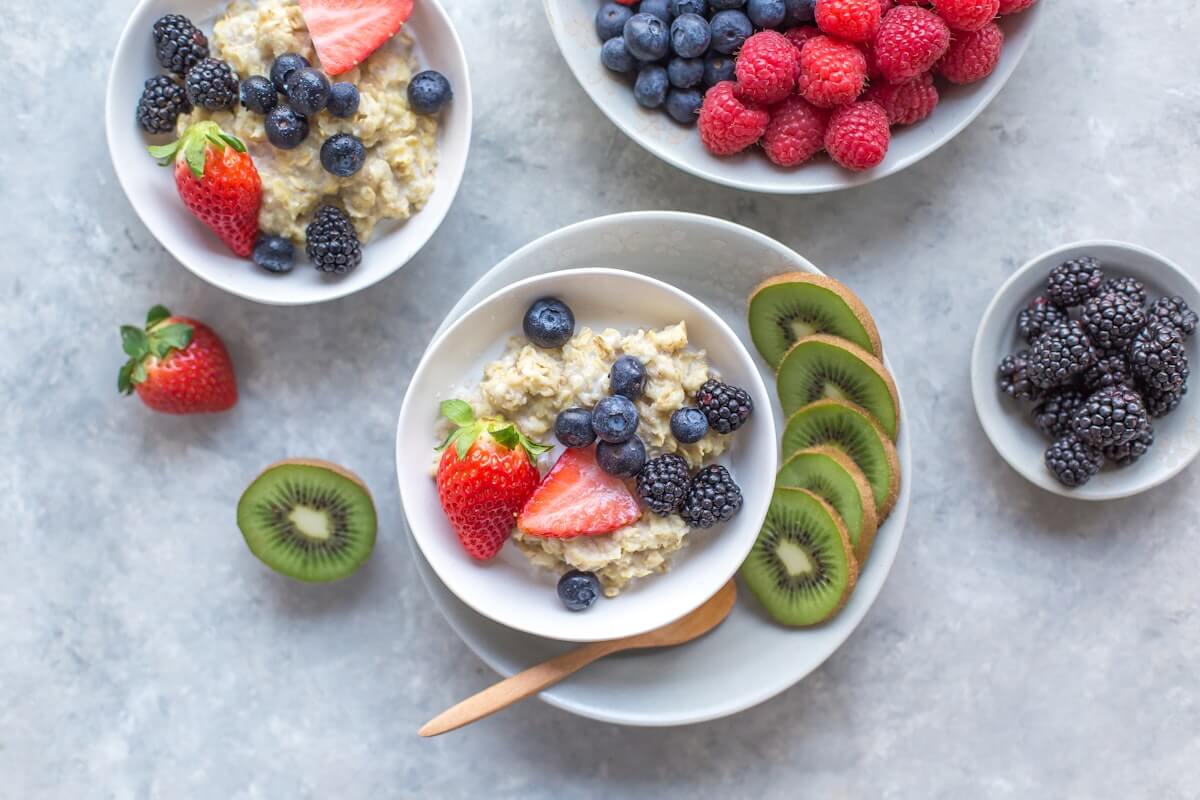
Experiencing a sudden energy cliff at 2:30 PM is not an inevitable consequence of getting older or having a busy workday; it is almost always a predictable biological reaction to how and what you ate over the preceding six hours. When breakfast and lunch consist of refined carbohydrates, unaccompanied sugars, or insufficient protein, blood glucose surges rapidly, prompting the pancreas to flood the bloodstream with insulin. This rapid hormonal clearance triggers reactive hypoglycemia—an abrupt glucose deficit that leaves you feeling exhausted, irritable, brain-fogged, and desperately reaching for a fourth shot of espresso or a sugary pastry.
Meals designed for sustained human energy operate on an entirely different physiological principle: the Slow-Burn Substrate Model. By strategically combining complex dietary fibers, high-density proteins, essential fats, and cellular cofactors such as iron, magnesium, and B vitamins, you establish a slow, consistent trickle of glucose into the bloodstream. This comprehensive 7-day meal plan banishes midday crashes, optimizes mitochondrial ATP synthesis, and sustains sharp cognitive focus from morning until evening without caffeine dependency.
Important: Persistent, debilitating fatigue, unprovoked muscle weakness, chronic dizziness, or profound lethargy can be clinical indicators of underlying medical conditions such as iron deficiency anemia, thyroid dysfunction (hypothyroidism), sleep apnea, autoimmune disorders, or diabetes. If your exhaustion persists despite adequate sleep and balanced nutrition, seek a thorough medical evaluation from your physician.
The biochemistry of sustained vitality: the cellular energy triad
Mitochondria—the cellular powerhouses that generate adenosine triphosphate (ATP)—require specific macronutrient kinetics and micronutrient cofactors to operate at peak efficiency. When engineering energy-dense meals, anchor your choices to the Cellular Energy Triad:
- Low-Glycemic Amylose Starches and Viscous Fibers: Not all carbohydrates behave identically in the digestive tract. Amylopectin starches (found in white flour, white potatoes, and instant cereals) are rapidly hydrolyzed into glucose. In contrast, amylose starches (found in steel-cut oats, legumes, and intact intact grains) feature linear glucose chains that enzymes break down slowly. Soluble beta-glucan fibers in oats and galactomannans in legumes form a viscous gel in the small intestine, slowing gastric emptying and moderating glucose uptake over 4 to 5 hours.
- Complete Amino Acids for Neurotransmitter Synthesis: Sustained mental alertness requires healthy production of catecholamines—dopamine and norepinephrine—which are synthesized from dietary L-tyrosine and phenylalanine. Consuming complete proteins (eggs, pastured poultry, wild fish, Greek yogurt, or paired legumes and grains) ensures a continuous supply of the amino acid substrates needed to sustain focus, vigilance, and executive cognitive stamina.
- Micronutrient Catalysts (Iron, Magnesium, B-Complex): The electron transport chain inside mitochondria cannot generate ATP without specific elemental catalysts. Iron is central to hemoglobin and myoglobin for cellular oxygen transport; Magnesium stabilizes ATP molecules (which must bind to magnesium ions to become biologically active); and B-complex vitamins (B1, B2, B3, B5, B6, B12) act as essential coenzymes in the Krebs cycle. Pairing plant-based non-heme iron (lentils, spinach) with dietary vitamin C increases mineral absorption fourfold.
The 7-day steady energy meal plan
This master schedule delivers sustained macronutrient balance at every meal, emphasizing morning protein anchoring, light cognitive lunches, and nutrient-replenishing dinners.
| Day | Breakfast (The Wake-Up Anchor) | Lunch (The Afternoon Focus Guard) | Dinner (Mitochondrial Replenishment) | Energy Mechanism & Prep Note |
|---|---|---|---|---|
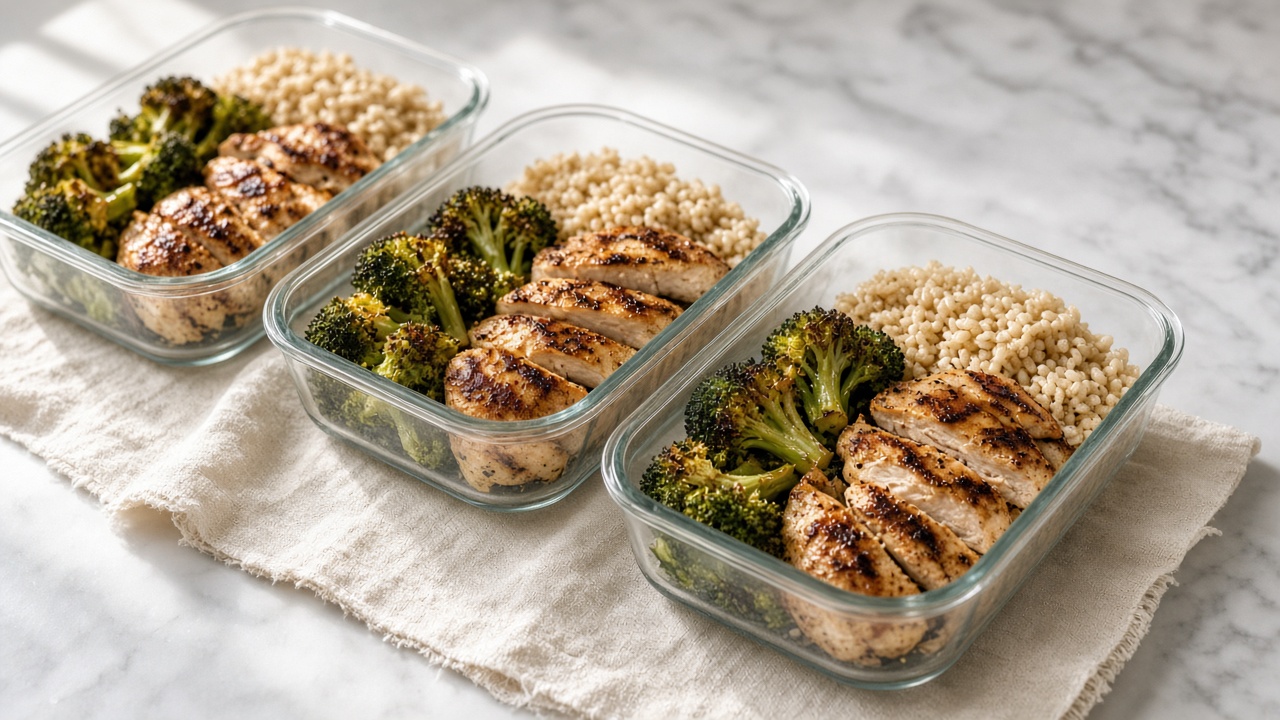
| Monday | Rolled overnight oats with berries, chia seeds, pumpkin seeds, and a scoop of unflavored collagen or whey | Tuscan white bean and flaked tuna salad tossed with chopped Italian parsley, capers, and lemon-olive oil dressing | Seared lemon herb chicken breasts with roasted sweet potatoes and garlic-sautéed broccoli florets | Beta-glucan fiber from oats prevents morning glucose spikes; magnesium in pumpkin seeds activates enzymatic ATP synthesis. |
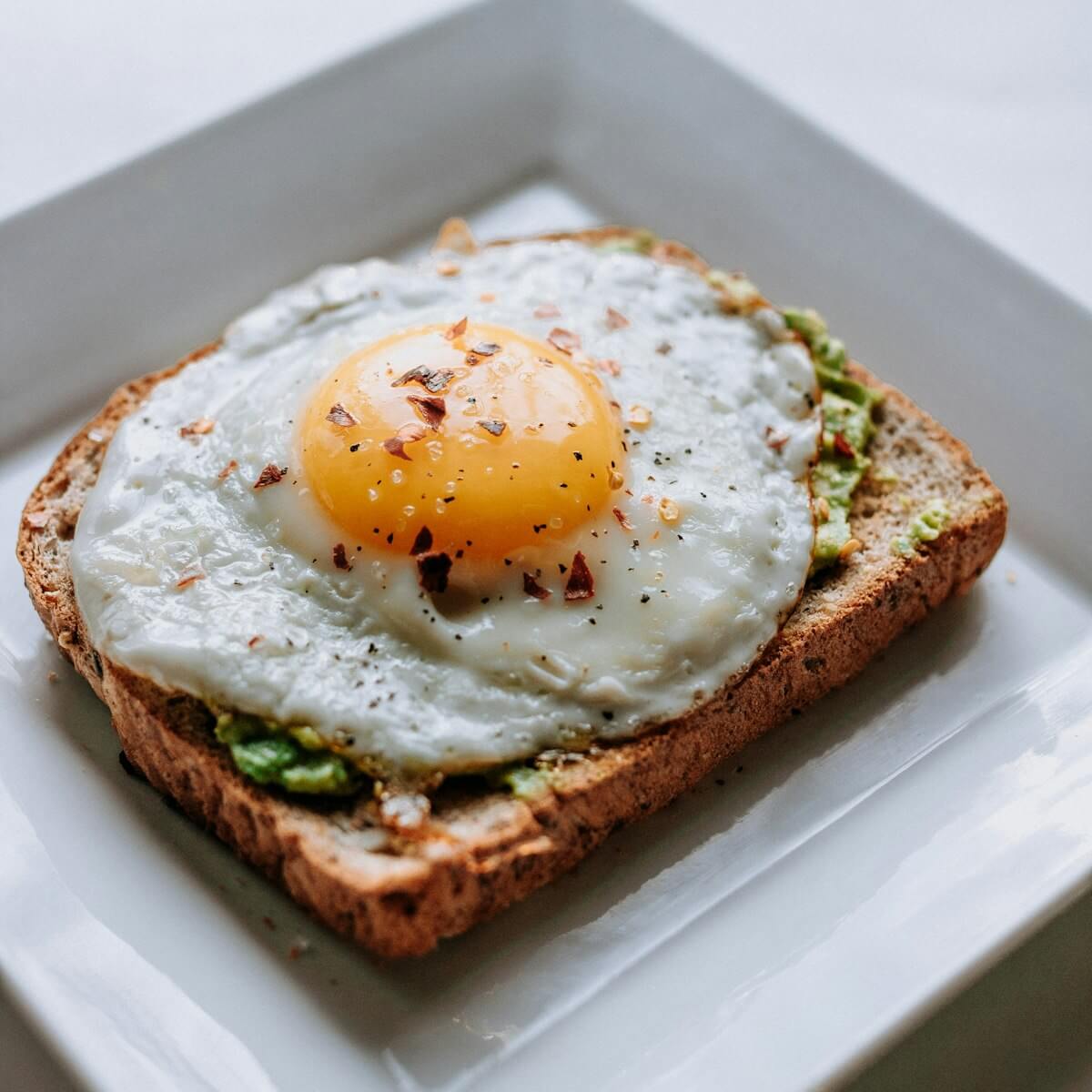
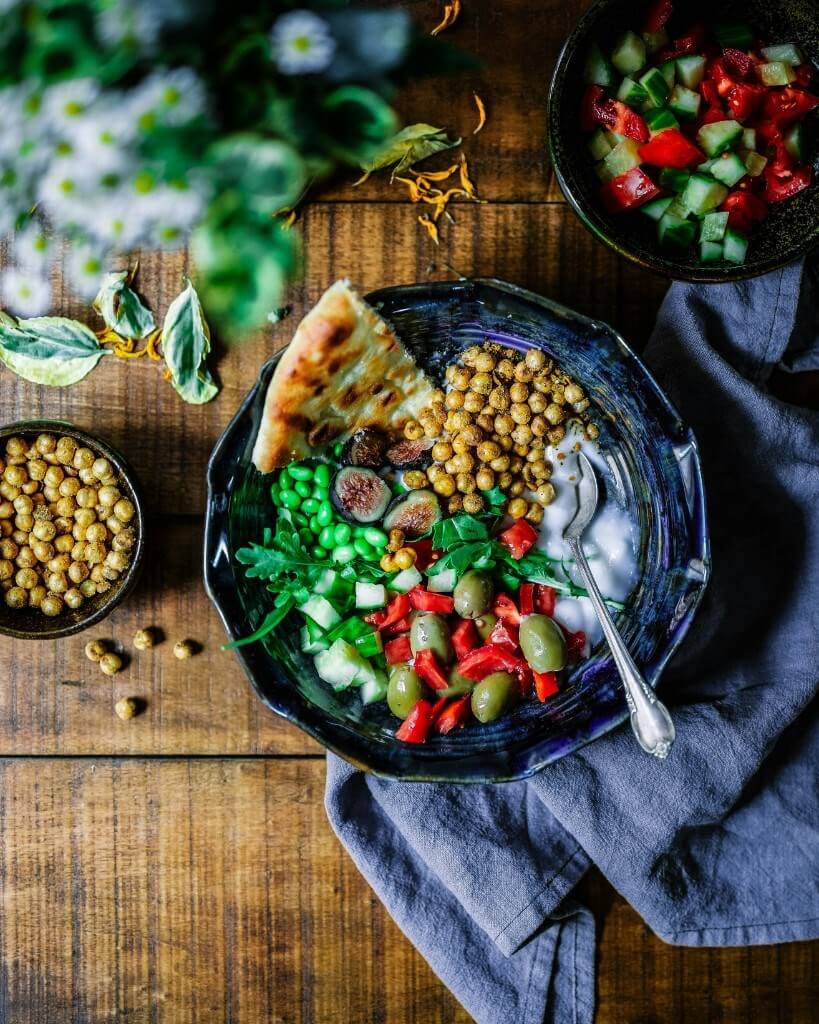
| Tuesday | Sourdough avocado toast with eggs poached soft, sprinkled with hemp hearts and red pepper flakes | Vibrant rainbow Buddha bowl with warm quinoa, roasted chickpeas, purple cabbage, and lemon-tahini dressing | Slow-simmered beef or lentil chili loaded with kidney beans, crushed fire-roasted tomatoes, cumin, and bell peppers | Choline in egg yolks fuels acetylcholine synthesis for mental clarity; avocado monounsaturated fats slow gastric clearance. |
| Wednesday | Warm apple cinnamon oatmeal cooked with steel-cut oats, stirred with ground flax and walnuts | Leftover slow-simmered chili packed in an insulated thermos with a side of sliced radishes and fresh avocado | Crispy vegetable stir-fry with tofu, baby bok choy, mushrooms, and edamame over brown jasmine rice | Walnuts provide plant-based ALA omega-3 fatty acids; ginger and allicin in stir-fry stimulate peripheral blood circulation. |
| Thursday | Creamy Greek yogurt parfait layered with blackberries, roasted sunflower seeds, and raw honey | Whole-grain Mediterranean wrap with grilled chicken breast, roasted red peppers, crisp spinach, and hummus | Oven-baked herb-baked salmon with steamed baby potatoes and garlic-roasted asparagus spears | EPA and DHA marine omega-3s from salmon fluidize neuronal cell membranes; selenium protects thyroid hormone conversion. |
| Friday | Two-egg omelet folded with baby spinach, cremini mushrooms, and goat cheese with a slice of sprouted sourdough | Chilled mediterranean quinoa salad tossed with leftover flaked salmon and fresh mint | Slow-cooker turkey and white bean stew with carrots, Tuscan kale, and fresh rosemary sprigs | Iron from spinach paired with carotenoids from tomatoes maximizes oxygenation of working skeletal muscles. |
| Saturday | Protein smoothie blended with baby spinach, frozen wild blueberries, plant protein, ground flaxseed, and coconut water | Turkey and white bean stew bowl served with seeded multi-grain crackers and a crisp side cucumber salad | Grilled grass-fed flat iron steak (or marinated portobello cap) with chimichurri sauce, roasted parsnips, and green beans | High-density heme iron from steak replenishes depleted ferritin stores; polyphenols in wild blueberries enhance cerebral blood flow. |
| Sunday | Baked shakshuka eggs simmered in rich spiced tomato-bell pepper sauce with crumbled sheep feta and warm pita | Leftover chimichurri steak sliced over mixed baby greens, cherry tomatoes, and toasted pine nuts | Fragrant chicken and lentil curry cooked with turmeric, ginger, and coconut milk over steamed basmati rice | Turmeric curcumin combined with black pepper piperine blunts exercise-induced muscle inflammation and speeds systemic recovery. |
Circadian food and fluid timing: the natural energy clock
What you eat is only half the battle; when you eat dictates circadian hormone rhythmicity and metabolic alertness:
- Delay Caffeine by 90 Minutes: When you awaken, circulating levels of adenosine (the neurochemical responsible for sleep pressure) are clearing, while cortisol naturally peaks to wake you. Drinking caffeine immediately upon waking blunts natural cortisol production and causes an abrupt crash around 11 AM when the caffeine wears off. Waiting 90 minutes allows adenosine receptors to reset cleanly.
- The 30-Gram Morning Protein Anchor: Consuming 30 grams of protein within two hours of waking halts morning muscle proteolysis, elevates the metabolic rate via the thermic effect of food, and triggers steady dopamine synthesis, setting your cognitive focus baseline for the entire day.
- The Lighter Midday Plate: A massive, carbohydrate-heavy lunch triggers parasympathetic nervous activation (often referred to as the "rest and digest" coma), shunting up to 30% of cardiac output directly to the splanchnic circulation. Keep lunch protein-forward and vegetable-dense to avoid postprandial somnolence.
- Front-Load Cellular Hydration: Mild dehydration of just 1% to 2% body mass reduces cognitive processing speed and subjective alertness by up to 20%. Drink 16–20 ounces of room-temperature mineral water with a pinch of unrefined sea salt upon waking before consuming any morning beverage.
What fails: 5 mistakes that drain daily energy
- Starting the day with high-glycemic "dessert breakfasts": Flavored lattes, breakfast pastries, bagels with cream cheese, and commercial breakfast cereals cause an immediate spike in blood glucose to 160+ mg/dL. The subsequent insulin surge drops blood sugar below baseline, creating irresistible mid-morning fatigue, sugar cravings, and cognitive brain fog.
- Drinking coffee past 2:00 PM: Caffeine has an average metabolic half-life of 5 to 7 hours and a quarter-life of up to 12 hours. Even if you can fall asleep after an evening espresso, caffeine blocks adenosine from initiating slow-wave (deep) delta sleep. You wake up unrefreshed, starting a vicious cycle of daytime fatigue and caffeine escalation.
- Ignoring subclinical iron and ferritin depletion: Millions of people, particularly menstruating women, endurance athletes, and vegans, suffer from low serum ferritin (iron storage) without overt anemia. Because iron is essential for the cytochrome c oxidase enzyme in mitochondrial respiration, low iron directly paralyzes cellular energy synthesis. Always request a full iron and ferritin panel during routine blood work.
- Chronic sporadic undereating followed by evening bingeing: Working through lunch or surviving on black coffee all day spikes systemic cortisol and adrenaline, giving a false sense of jittery energy. By late afternoon, the sympathetic nervous system collapses into deep fatigue, prompting uncontrolled consumption of calorie-dense junk food before bed, which impairs sleep quality.
- Mistaking thirst for caloric fatigue: The hypothalamus uses shared neurochemical pathways for both hunger and thirst signaling. When people experience an afternoon energy dip, they frequently reach for snacks or energy drinks when their cells are simply dehydrated. Drinking 16 ounces of cool water often restores mental clarity within 15 minutes.
Frequently asked questions
What is the fastest way to beat the 3:00 PM afternoon slump?
Instead of drinking another sugary coffee or eating candy, execute the Three-Step Energy Reset: First, drink 16 ounces of cold water with a pinch of mineral salt or lemon. Second, take a brisk 7-minute walk outside in natural sunlight (photons entering the retina suppress melatonin and signal daytime alertness to the suprachiasmatic nucleus). Third, eat a protein-fiber bridge snack, such as a hard-boiled egg with a handful of raw almonds or celery sticks with peanut butter.
Should I take energy supplements like B12, ginseng, or CoQ10?
While energy supplements can be beneficial if you have a documented nutritional deficiency (such as Vitamin B12 deficiency in vegans or low CoQ10 from statin medications), they are not magic bullets. High-dose stimulant herbs can increase heart rate and anxiety without addressing root causes like chronic sleep debt, poor diet, or iron depletion. Focus first on whole-food nutrition, hydration, and sleep hygiene before adding targeted supplements under the guidance of a physician.
Can carbohydrates before bed actually improve daytime energy?
Yes. Consuming a modest portion of slow-digesting complex carbohydrates at dinner—such as sweet potatoes, brown rice, or quinoa—can enhance nighttime sleep architecture. Carbohydrates facilitate the transport of the amino acid L-tryptophan across the blood-brain barrier, where it is converted sequentially into serotonin and melatonin, the master sleep hormone. High-quality deep sleep is the ultimate biological foundation for waking energy.
How do I plan and prep high-energy meals for busy workweeks?
Make sustained energy effortless by utilizing our interactive planning platform. Generate an optimized 7-day high-energy schedule with our meal plan generator, consolidate every ingredient into an aisle-categorized list using our grocery list generator, and discover smart recipes for leftover whole grains and proteins with our leftover finder.