Recipe Planning

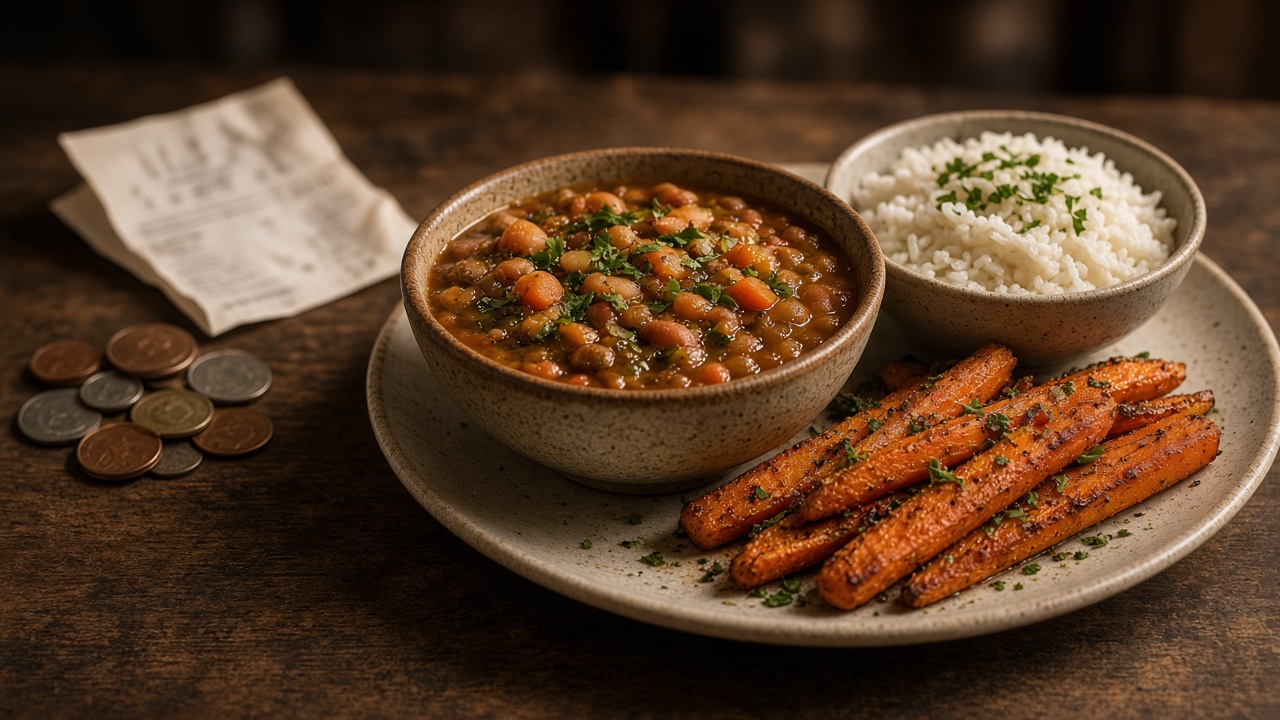
Grocery receipts have become an escalating source of household anxiety. Over the past several years, supermarket prices across staples—meat, dairy, produce, and cooking oils—have climbed relentlessly. Yet while inflation squeezes the family budget, the fundamental reality of family life remains unchanged: four people still sit around the dinner table every single evening expecting twenty hearty, nourishing, and flavorful dinners each week.
The standard advice offered to budget-conscious families is often unhelpful or exhausting: clipping paper coupons for processed snacks you don’t need, driving across town to three different grocery stores to save fifty cents on butter, or enduring bland, repetitive bowls of plain canned beans. Real, enduring grocery deflation comes from structural meal architecture: establishing a disciplined plan where meals share common ingredients, high-yield affordable proteins take center stage, bulk starches provide caloric ballast, and planned leftovers eliminate weekday lunch spending entirely.
This comprehensive guide details a complete five-day dinner plan engineered to feed a family of four on a tight budget. It includes a single consolidated market shopping list, culinary science for stretching protein dollars, and practical frameworks to keep kitchen waste near zero. For complementary budgeting strategies, see our budget meal planning guide and desi meal planning on a budget.
The four mathematical pillars of grocery deflation
Cutting your grocery bill by 30% to 50% does not require sacrifice; it requires understanding how ingredients multiply across a 5-day cycle.
Pillar 1: The dual-protein formula (1 Meat + 1 Legume)
The single biggest line item on any grocery receipt is animal protein. When families plan meals haphazardly—buying salmon on Monday, ribeye steak on Tuesday, ground beef on Wednesday, and chicken cutlets on Thursday—the protein budget explodes. Furthermore, cooking five completely different proteins results in half-empty packages and random freezer burnt trimmings.
The inflation-proof solution is limiting your week to two foundational proteins: one economical, forgiving meat cut (such as bone-in chicken thighs at $1.49–$1.99 per pound) paired with one shelf-stable legume (such as dry red lentils or canned chickpeas at $0.15–$0.25 per serving). By alternating and combining these two sources, you achieve culinary variety, complete amino acid nutrition, and dramatic cost savings.
Pillar 2: The single bulk starch anchor
Carbohydrates provide clean energy and fullness. Rather than buying multiple boutique specialty carbs (individual packets of microwave rice, flavored couscous boxes, specialty artisan breads), purchase one core starch in a 5-to-10-pound bulk bag: long-grain white basmati rice or a 10-pound sack of russet potatoes. A 10-pound bag of rice provides roughly 100 servings for less than $10—costing roughly 10 cents per serving.
Pillar 3: The universal aromatic base (Zero specialty produce)
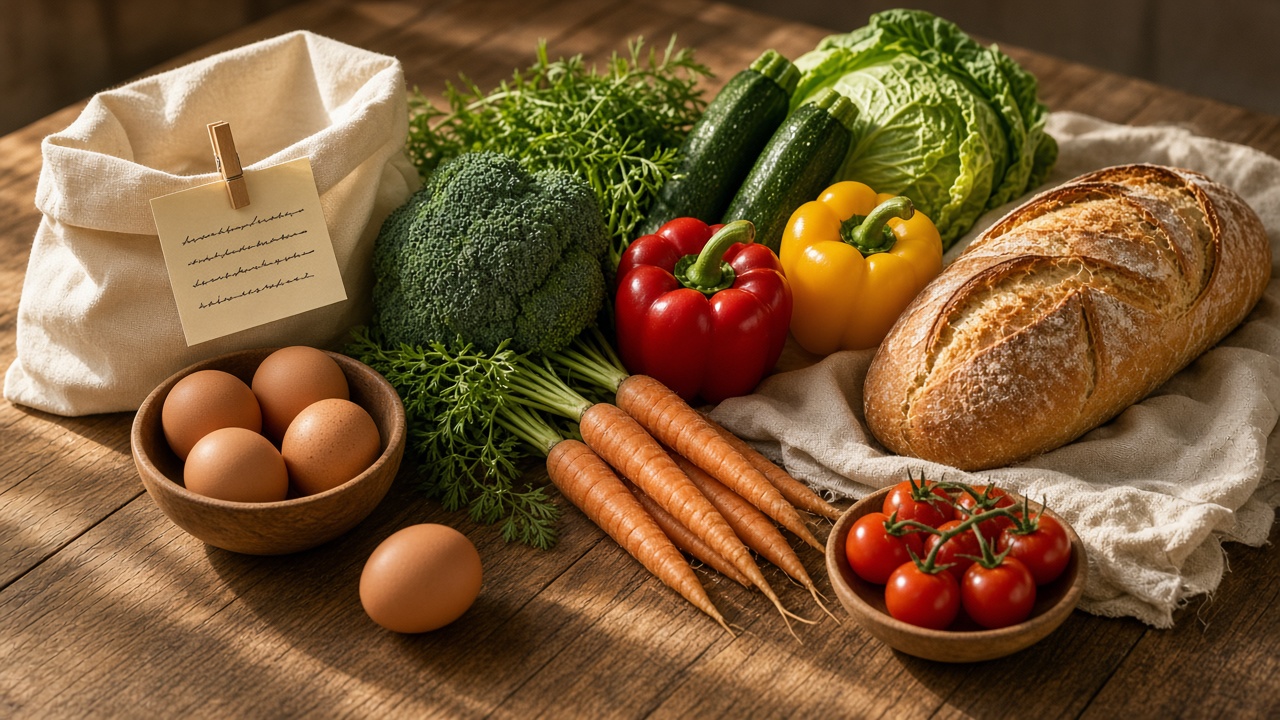
Produce waste happens when recipes call for esoteric, single-use ingredients: half a stalk of lemongrass, two sprigs of fresh tarragon, or a single specialty pepper that rots in the crisper drawer. An inflation-proof week relies entirely on the universal workhorse aromatic base: yellow onions, heads of garlic, fresh ginger, carrots, and frozen sweet peas. These ingredients are affordable, hold up in storage for weeks, and work interchangeably across curries, stews, soups, and fried rice.
Pillar 4: Planned leftover loops (The 2x rule)
Cooking dinner from scratch seven nights a week burns out home cooks and increases kitchen energy bills. An inflation-proof plan cooks extra starch and extra protein on Monday and Wednesday nights on purpose. Those planned surpluses form the backbone of Tuesday’s and Friday’s dinners and provide weekday lunch packs, saving $12 to $18 per person every time you avoid a takeout lunch.
Boneless, skinless chicken breasts cost between $3.99 and $5.99 per pound and dry out rapidly if overcooked by even two minutes. Bone-in chicken thighs cost roughly half as much ($1.49 to $2.49/lb). The bone conducts heat gently into the center of the meat, while connective tissue and natural gelatin melt into the cooking liquid, keeping the meat succulent and creating rich, savory sauces without commercial stock cubes.
The 5-day dinner plan for a family of four
Monday: Braised chicken thigh and vegetable curry with fluffy rice
Kick off the week with a deeply satisfying, fragrant one-pot curry. Heat 2 tablespoons of oil in a heavy Dutch oven, season 2 pounds of bone-in chicken thighs with salt and turmeric, and brown them on both sides to render chicken fat. Remove the chicken, add 2 diced yellow onions, 4 minced garlic cloves, and 1 tablespoon of grated ginger, sautéing until golden brown. Stir in 1 tablespoon of ground cumin, 1 tablespoon of ground coriander, and 1 teaspoon of chili powder. Add 1 can of crushed tomatoes and 2 sliced carrots. Return the chicken to the pot, cover, and simmer for 30 minutes until the meat is fork-tender.
The Starch Strategy: While the curry simmers, cook 4 cups of long-grain basmati rice. Serve half of the rice with Monday’s dinner; immediately cool and refrigerate the remaining 4 cups of cooked rice in an airtight container for Tuesday and Friday.
Tuesday: Golden spiced red lentil & chana bowls
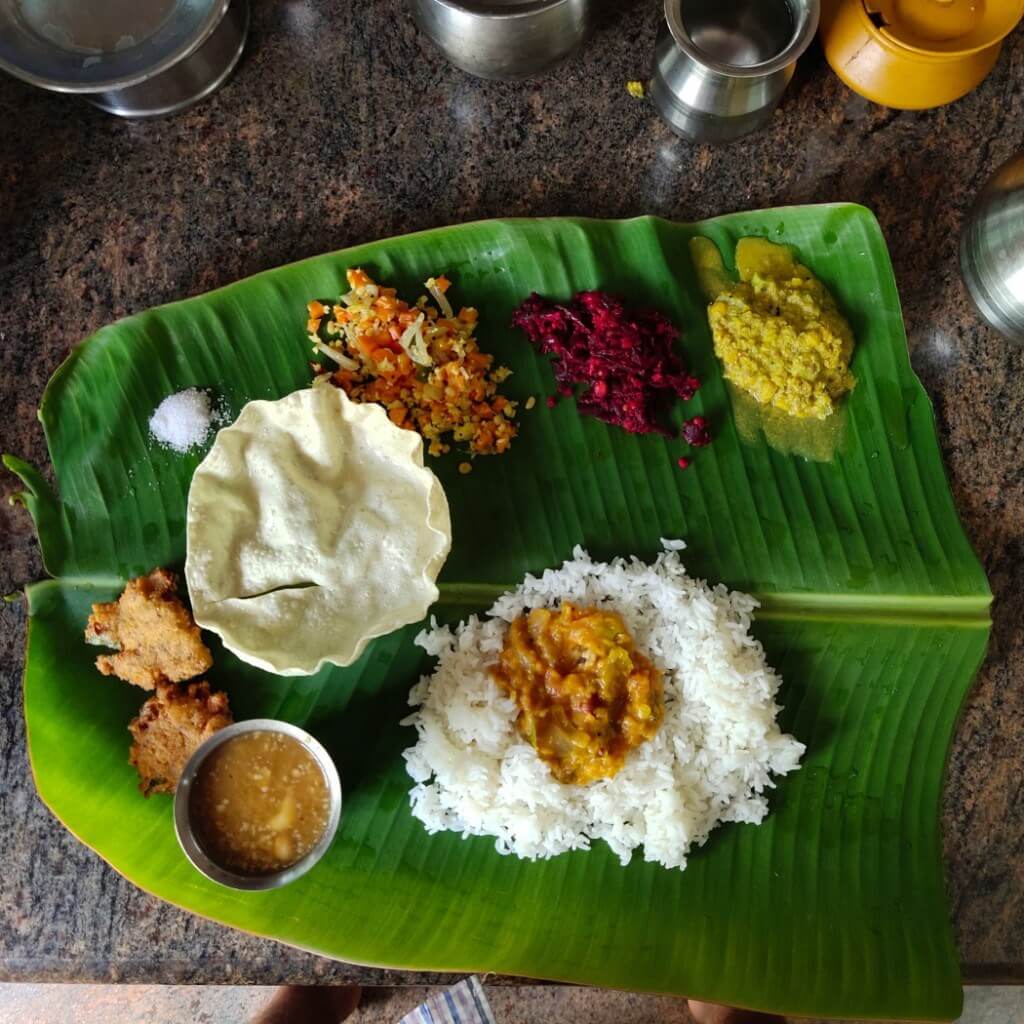
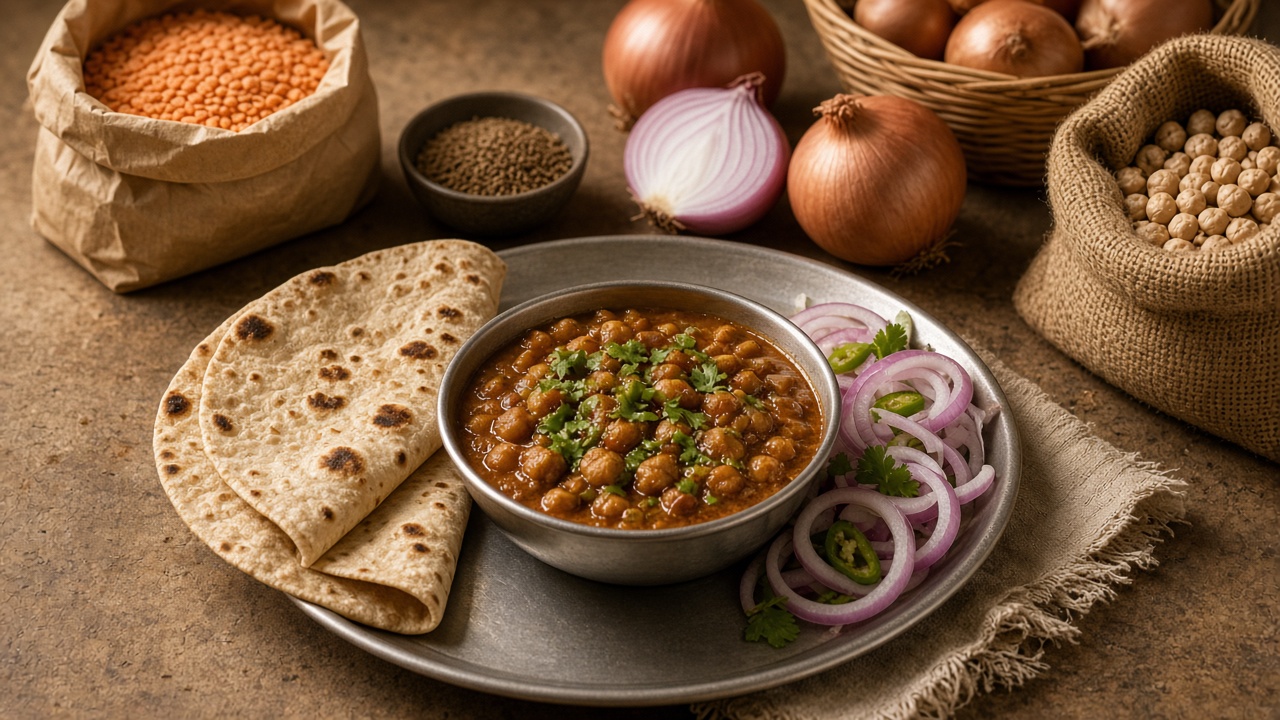
Lentils are the undisputed champions of budget nutrition. In a medium saucepan, simmer 1.5 cups of rinsed red lentils (masoor dal) with 4 cups of water, 1/2 teaspoon of turmeric, and 1 teaspoon of salt for 20 minutes until the lentils dissolve into a creamy, golden porridge. In a small skillet, heat 1 tablespoon of oil, sizzle 1 teaspoon of cumin seeds and sliced garlic until fragrant (the tarka), and pour over the lentils. Alternatively, prepare a rich batch of chana masala using pantry chickpeas. Serve hot over a portion of yesterday’s chilled rice, topped with a dollop of cool plain yogurt and crisp cucumber slices. Explore our classic daal chawal lunch bowl for full flavor notes.
Wednesday: One-pot chicken, potato, and root vegetable stew
Return to your chicken thigh base for a comforting, hearty Western-style braise. In your Dutch oven, brown the remaining chicken thighs. Add 3 large russet potatoes (cut into 1.5-inch chunks), 2 sliced carrots, 1 sliced onion, and 4 cups of chicken broth or water. Simmer covered for 30 minutes. As the potatoes simmer, their surface starches naturally break down and thicken the savory broth into a rich, velvety gravy without requiring cornstarch or heavy cream. Serve with warm store-brand bread. Yield bonus: this meal easily produces two generous leftover bowls for Thursday’s lunch.
Thursday: Chickpea, sweet potato, and spinach skillet curry
By Thursday evening, dinner should be effortless. In a wide skillet, sauté diced sweet potatoes and onions in a little oil until starting to soften. Pour in 1 can of coconut milk (or chopped canned tomatoes), 1 can of drained chickpeas, 1 tablespoon of mild curry powder, and a pinch of salt. Simmer for 15 minutes until the sweet potatoes are tender. Fold in two handfuls of fresh or frozen spinach during the final 2 minutes until wilted. This vibrant, colorful plant-based dinner costs less than $6.00 to feed four people. Check our complete chickpea and sweet potato curry recipe.
Friday: The ultimate fridge-clear egg & vegetable fried rice
End the week by spending zero new dollars. Retrieve the final portion of chilled rice from Monday night. In a hot skillet, scramble 4 eggs in 1 tablespoon of oil and set aside. Sauté minced garlic, a bag of frozen sweet peas and diced carrots, and any stray vegetable bits left in your crisper drawer. Toss in the cold rice, breaking apart clumps with your spatula. Drizzle with 2 tablespoons of soy sauce and a splash of toasted sesame oil, fold in the scrambled eggs, and toss over high heat for 3 minutes until steaming and fragrant. For wok technique, see our quick egg fried rice.
The consolidated single-trip market shopping list
| Supermarket Aisle | Item & Quantity | Estimated Cost Range | Role Across 5-Day Plan |
|---|---|---|---|
| Meat & Poultry | Bone-in chicken thighs (4 to 5 lbs / 2 family packs) | $7.50 – $9.50 | Protein base for Monday curry and Wednesday potato stew |
| Dairy & Eggs | Large Grade A eggs (1 dozen) + Plain yogurt (32 oz) | $4.50 – $6.00 | Protein for Friday fried rice; cooling dollop for Tuesday dal |
| Bulk Grains & Starches | Long-grain white rice (5 lb bag) + Russet potatoes (5 lb bag) | $5.50 – $7.00 | Caloric anchor across Monday, Tuesday, Wednesday, Friday |
| Pantry Canned & Dry Goods | Dry red lentils (1 lb) + Canned chickpeas (2 cans) + Canned tomatoes (2 cans) | $4.50 – $6.00 | Protein and rich sauce foundations for Tuesday and Thursday |
| Fresh Produce | Yellow onions (3 lb bag) + Carrots (2 lb bag) + Garlic (2 heads) + Fresh ginger + Cucumbers (2) | $6.00 – $8.00 | Universal aromatic base; crunchy fresh side for Tuesday |
| Frozen Foods | Frozen sweet peas and carrots (16 oz bag) | $1.25 – $1.75 | Zero-waste vegetable booster for Friday fried rice |
| Total Estimated Bill | Complete 5-Day Plan (20+ Servings) | $29.25 – $38.25 | Under $1.75 per individual dinner serving |
What fails: 5 costly budget meal planning mistakes
- The "Shopping Without Inventory" trap: Walking into a supermarket without checking your pantry guarantees duplicate purchases. Home cooks frequently buy another jar of cumin or bag of onions when they already have two at home. Always check your pantry before opening your shopping app.
- Buying pre-cut produce: Pre-washed, pre-chopped butternut squash, diced onions, and broccoli florets carry a 200% to 400% markup per pound. Spend three minutes with a sharp chef’s knife to chop whole vegetables yourself.
- Ignoring store-brand staples: National food conglomerates spend millions advertising canned beans, flour, sugar, and white rice. Store brands (private label) are packaged in the exact same processing facilities and adhere to identical USDA standards for 30% less money.
- Cooking single-serving meals: Cooking small, isolated portions uses the same gas/electricity, requires the same dishwashing, and creates small, unusable ingredient scraps. Always cook full batches of starch and sauce.
- Buying out-of-season fresh berries and greens: Purchasing delicate fresh berries or imported asparagus in January is a guaranteed budget killer. Stick to seasonal root vegetables, apples, citrus, and frozen fruit blends for cost stability.
Frequently asked questions
How much does this 5-day plan realistically cost per serving?
When purchasing store-brand ingredients and standard supermarket sales, the entire grocery basket averages between $30 and $38 depending on your geographical region. With the plan yielding 20 dinner servings plus 4 bonus lunch servings, the true cost comes out to $1.25 to $1.60 per serving—far lower than any commercial meal delivery kit or fast-casual lunch.
How do I scale this plan if I am cooking for two people instead of four?
Do not cut recipe quantities in half. Cook the full recipe as written for Monday and Wednesday, and immediately freeze half of the finished dish in two-portion glass containers. You will cut your cooking nights in half and build a freezer inventory of homemade convenience meals. Use our interactive servings scaler to automatically adjust ingredient weights if cooking for solo dining or extended families.
Are frozen vegetables as healthy as fresh produce on a budget?
Yes. Frozen vegetables (like peas, corn, green beans, and spinach) are flash-frozen within hours of harvest at the peak of their nutritional maturity. By contrast, "fresh" vegetables shipped across continents often sit in transit and supermarket displays for 10 to 14 days, during which vitamins (especially vitamin C and B-complex) degrade. Frozen vegetables have zero peeling waste and never spoil in the freezer.
How can I generate a personalized budget grocery list automatically?
Use our interactive meal plan generator to customize low-cost weekly dinners around ingredients you already keep in stock, and then let our grocery list generator consolidate your items by supermarket aisle. To transform any unexpected pantry extras into dinner tonight, check the leftover finder.