Recipe Planning
Every year on 22 April, Earth Day inspires millions of people to reflect on conservation, climate action, and sustainability. Yet while many people think of ecological responsibility in terms of electric vehicles or solar panels, the single most impactful environmental action any household can take happens inside the kitchen. Food production accounts for over a quarter of global greenhouse gas emissions, and astonishingly, between 30% and 40% of all food produced in the United States and Europe is thrown into landfills, where it decomposes anaerobically into potent methane gas.
True zero-waste cooking is not an exercise in joyless deprivation or eating spoiled food. It is a creative, liberating culinary discipline practiced by top professional chefs worldwide: recognizing that carrot tops, broccoli stalks, stale bread crusts, wilted herbs, and leftover cooked rice are culinary goldmines waiting to be unlocked. By adopting a structured First-In, First-Out (FIFO) Kitchen Framework and mastering five versatile, scrap-friendly recipes, you can drastically lower your grocery bills while honoring the planet with extraordinary dinners.
The food science of vegetable revival and scrap transformation
Before throwing out sad-looking vegetables in your crisper drawer, apply these simple principles of food physics to restore their crispness and flavor:
- Cellular Osmosis for Wilted Greens: Carrots, celery stalks, radishes, and leafy greens turn limp not because they have rotted, but because their plant cells have lost water through transpiration, causing internal turgor pressure to collapse. Submerging limp carrots or celery in an ice-water bath for 30 to 45 minutes triggers osmosis: water flows across the semipermeable cell membranes, re-inflating cell vacuums and restoring a satisfying, crisp crunch.
- Starch Retrogradation for Perfect Fried Rice: Freshly cooked rice is full of gelatinized surface starches and moisture. If added directly to a hot wok, it clumps together into gummy mush. Chilling cooked rice in the refrigerator overnight induces starch retrogradation: amylose molecules recrystallize, hardening the grains so they separate effortlessly when stir-fried in hot oil. Leftover rice is actually culinarily superior to fresh rice.
- Stem-to-Root Flavor Extraction: Broccoli stalks contain more vitamin C and sweet natural sugars than the florets; simply peel away the tough fibrous outer skin and julienne the tender core into stir-fries. Cilantro and parsley stems contain higher concentrations of aromatic essential oils than the delicate leaves—mince stems finely into curry bases and soup stocks.
The zero-waste recipe matrix: what to cook from your crisper
When your refrigerator contains random odd vegetables, match them to these five highly adaptable culinary frameworks. Scale recipes with our free servings scaler.
| Rescue Dish | Target Ingredient Rescue | Core Technique | Pantry Staples Needed | Zero-Waste Chef Secret |
|---|---|---|---|---|
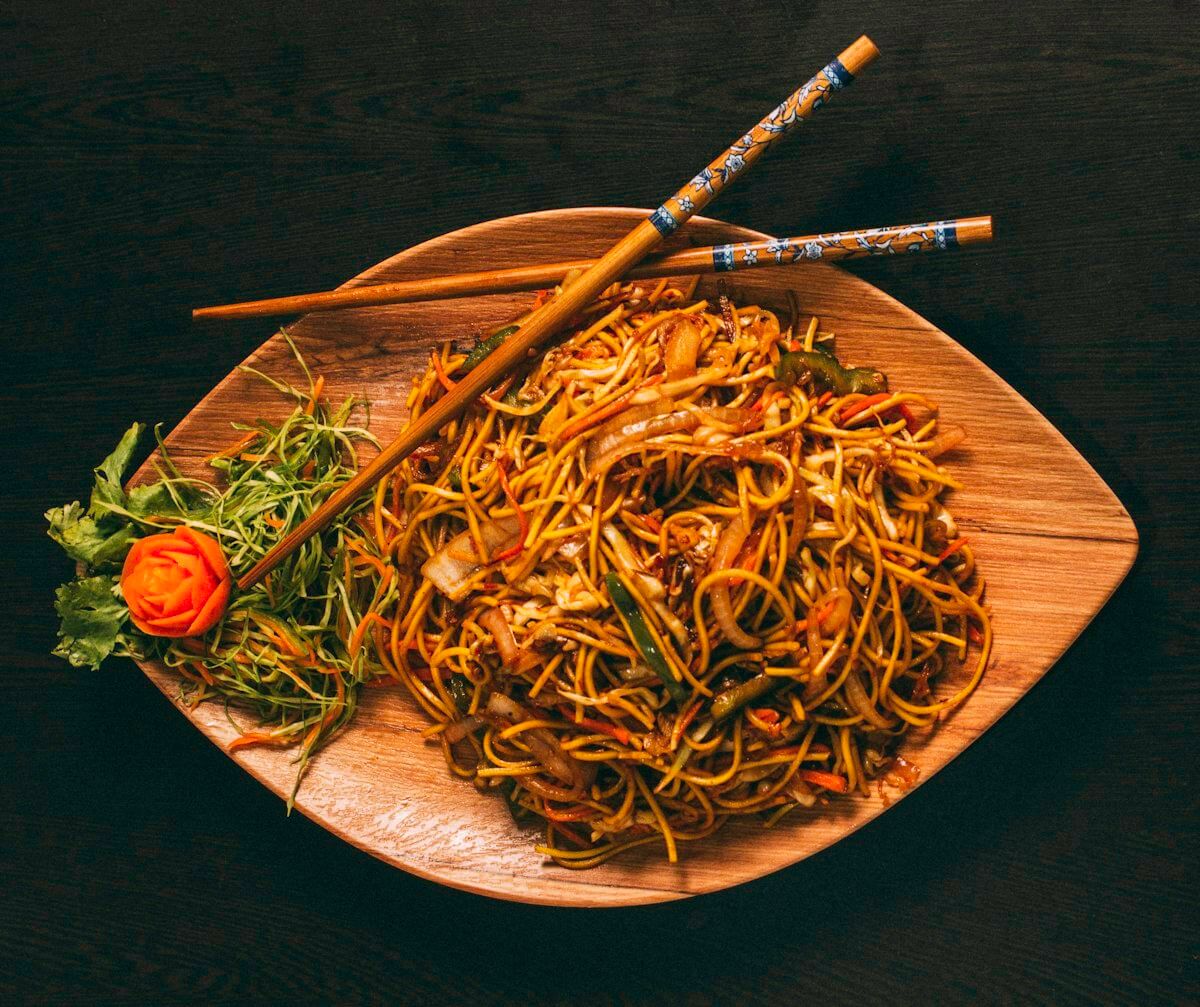
| Crisp vegetable chow mein | Soft bell peppers, cabbage wedges, limp celery, scallions | High-heat wok stir-fry (8 minutes) | Egg noodles, soy sauce, sesame oil, garlic | Slice all vegetables into uniform matchsticks to ensure even cooking in under 3 minutes. |
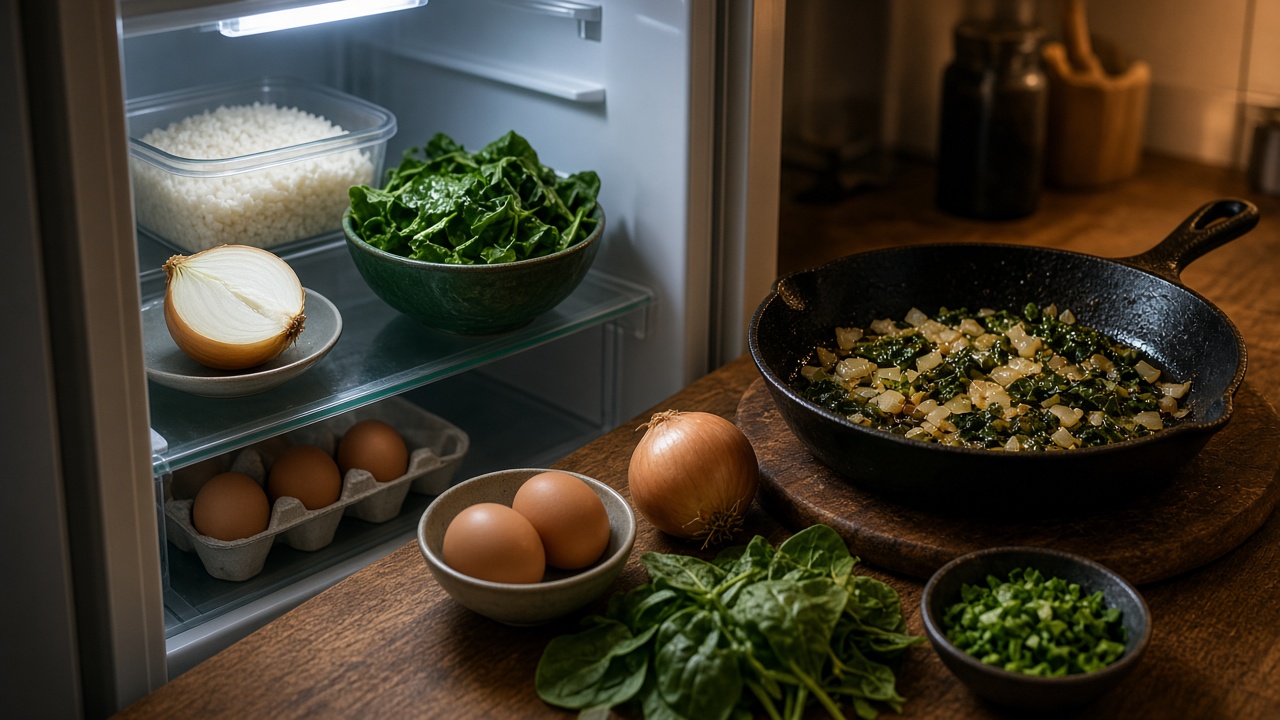
| Savory cauliflower fried rice | Cauliflower cores and leaves, softened zucchini, peas | Grated vegetable flash-sear with beaten egg | Soy sauce, toasted sesame oil, ginger paste | Do not discard cauliflower greens; chop them finely like cabbage—they crisp up deliciously. |
| Comforting miso soup with tofu | Mushroom stems, wilted spinach or bok choy, radish slices | Gentle low-temperature simmering | Miso paste, dried kelp (kombu) or broth, tofu cubes | Never boil miso paste; dissolve it in warm broth off the heat to preserve beneficial live probiotics. |
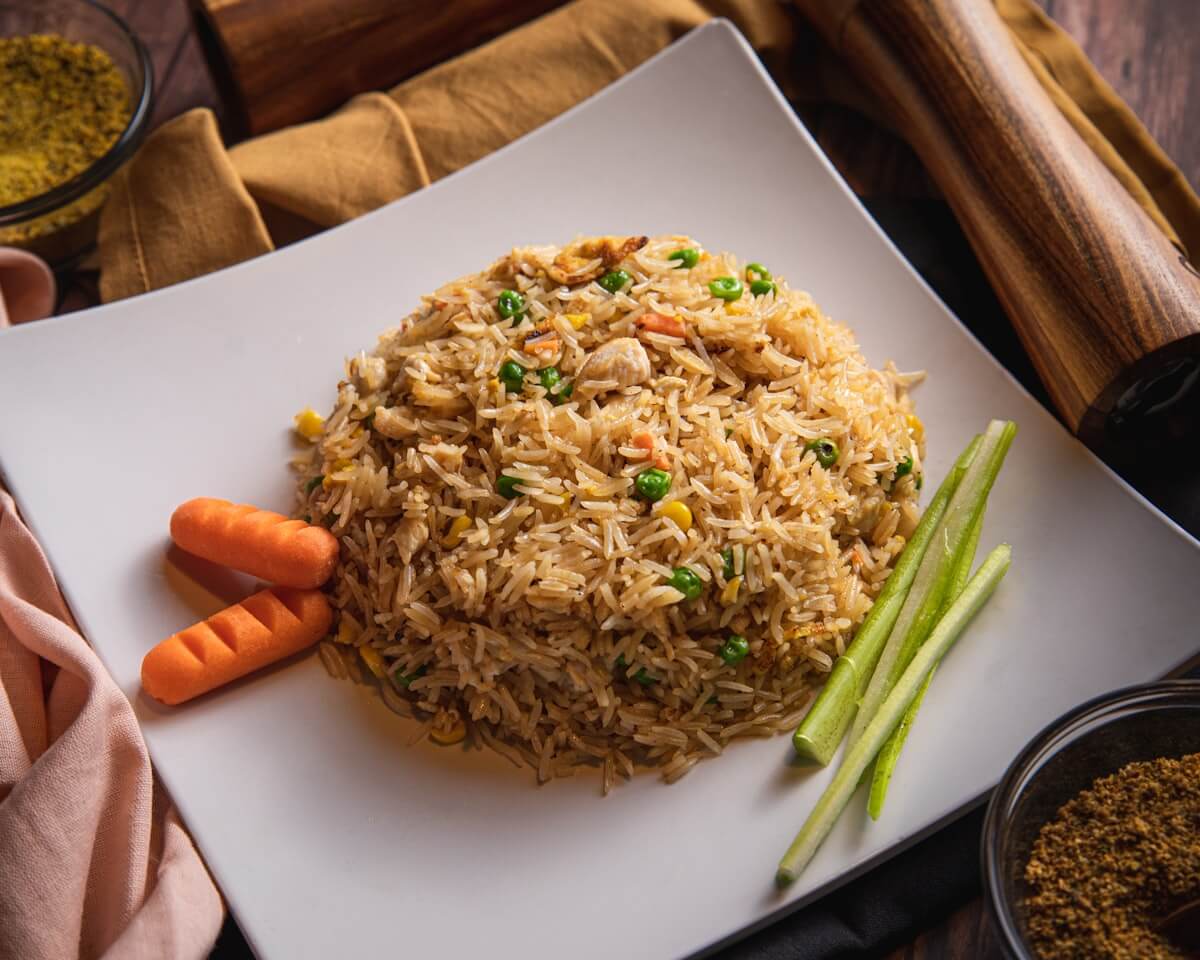
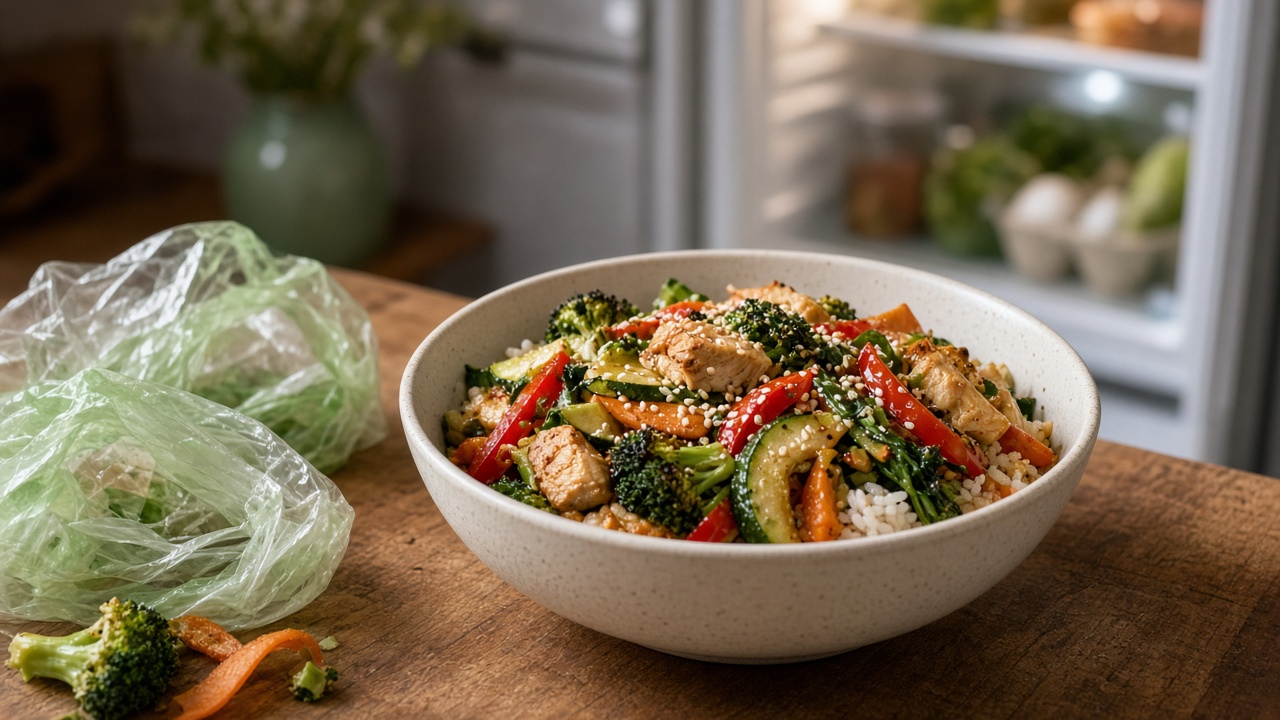
| Protein-packed chicken fried rice | Cold cooked rice, roasted chicken scraps, leftover corn | Wok searing with aromatics | Eggs, neutral oil, scallions, black pepper | Use high heat and keep the grains moving continuously to develop wok hei (breath of the wok). |
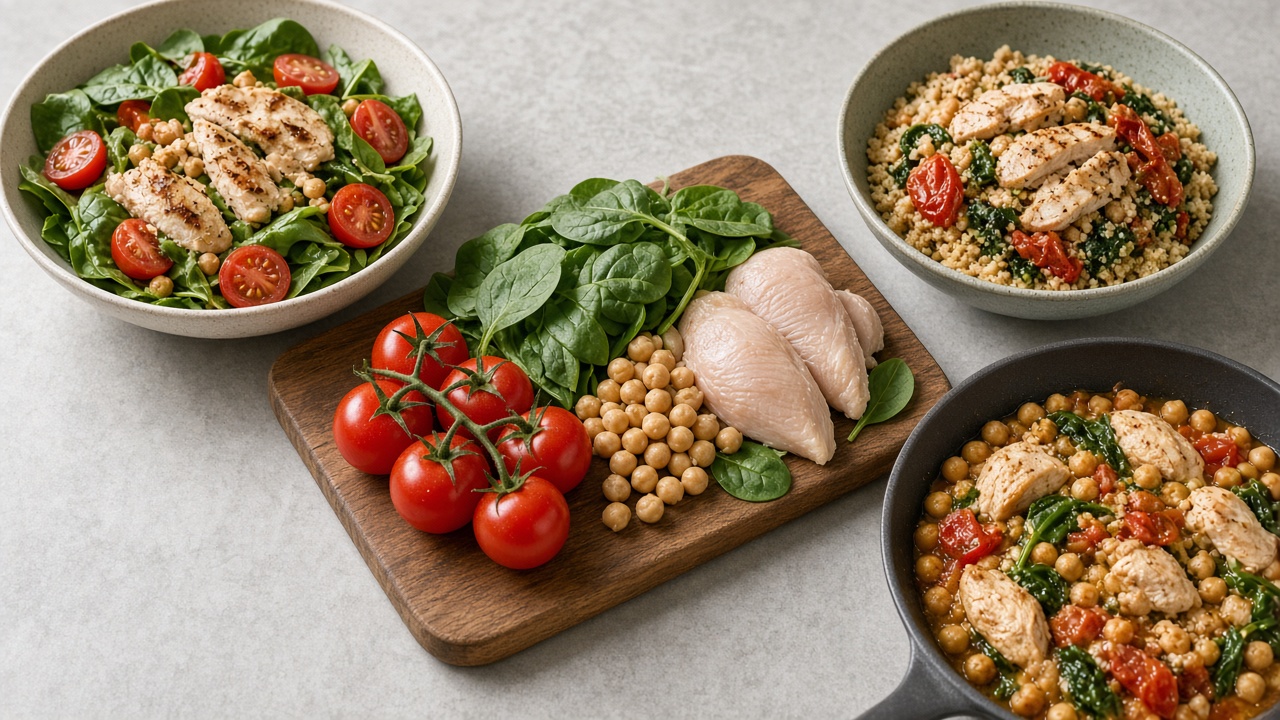
| Pantry chana masala | Softening tomatoes, wrinkled onions, lonely peppers | Slow-simmered spiced tomato gravy | Canned chickpeas, cumin, coriander, turmeric | Puree soft, overripe tomatoes directly into the masala base; their natural acidity enhances the sauce. |
The freezer "scrap vault" method
Transform kitchen trimmings into rich culinary assets by maintaining two dedicated gallon-sized zip-top freezer bags in your freezer:
- The Vegetable Stock Vault: Toss in clean onion skins, carrot peelings, leek greens, celery leaves, mushroom stems, and parsley stalks. When the bag is full, dump the frozen scraps into a large stockpot, cover with cold water, add two bay leaves and black peppercorns, and simmer for 45 minutes. Strain into glass jars for free, deeply flavorful homemade vegetable broth. (Avoid brassicas like cabbage, broccoli, or Brussels sprouts in stock bags, as they turn bitter when boiled for long periods).
- The Herb Compound Butter Log: Collect leftover sprigs of thyme, rosemary, dill, and cilantro before they turn black. Finely mince the mixed herbs and blend them into softened salted butter. Roll into a log using parchment paper and freeze. Slice off coins of herb butter to melt over seared fish, roasted potatoes, or warm flatbreads.
What fails: 5 common zero-waste cooking pitfalls
- Shopping without a thorough pantry and fridge audit: Supermarket trips without an inventory check lead to buying duplicate produce that rots in the crisper drawer while identical items sit in your fridge. Always take a 60-second photo of your refrigerator shelves on your phone before heading out the door.
- Storing all produce together in one bin: Apples, bananas, and ripe tomatoes release high levels of ethylene gas—a natural plant ripening hormone. Storing them directly beside leafy greens, cucumbers, or carrots accelerates spoilage, causing vegetables to rot in half the normal time.
- Trashing bread that has gone stale: Stale bread is not spoiled bread; it has simply lost surface moisture. Blitz stale sourdough slices in a food processor with garlic powder, salt, and oregano to create golden homemade breadcrumbs, or cube and toss in olive oil for crunchy salad croutons.
- Cooking giant batches that never get finished: Meal prepping a five-gallon stew that your family tires of by Wednesday leads straight to the trash bin. Prep versatile individual components (grains, roasted vegetables, sauces) that can be mixed and matched across different dishes.
- Discarding odd partial cans and condiments: When you have half a can of black beans, a lone sausage, or two carrots left, don't throw them away. Input your exact stray ingredients into our free leftover finder to generate instant, delicious dinner solutions.
Frequently asked questions
How do I know if softening produce is still safe to eat?
Vegetables that are merely limp, slightly wrinkled, or soft are completely safe to consume in cooked applications like soups, stews, casseroles, and stir-fries. Discard produce only if it displays fuzzy visible mold, slimy wet rot, a sour fermenting odor, or deep structural decay.
Can fresh herbs like cilantro and basil be frozen?
Yes. Delicate herbs turn black if frozen bare, but freeze beautifully in oil. Chop cilantro, parsley, or basil, pack into silicone ice cube trays, top with extra virgin olive oil, and freeze. Pop a herb-oil cube straight into a hot skillet to begin soups, curries, and pasta sauces.
What can I do with leftover cooked rice that has dried out?
Dry refrigerated rice is the gold standard for egg fried rice and chow mein because it absorbs savory soy and sesame seasonings without turning mushy. Alternatively, simmer dried rice with vegetable broth, shredded chicken, and ginger to create a silky, comforting bowl of congee.
How can I plan grocery shopping so zero food is wasted?
Adopt the "reverse shopping" method: first plan dinners around ingredients already in your pantry and crisper, then use our free grocery list generator to buy only the specific missing items required to complete those meals.