Recipe Planning
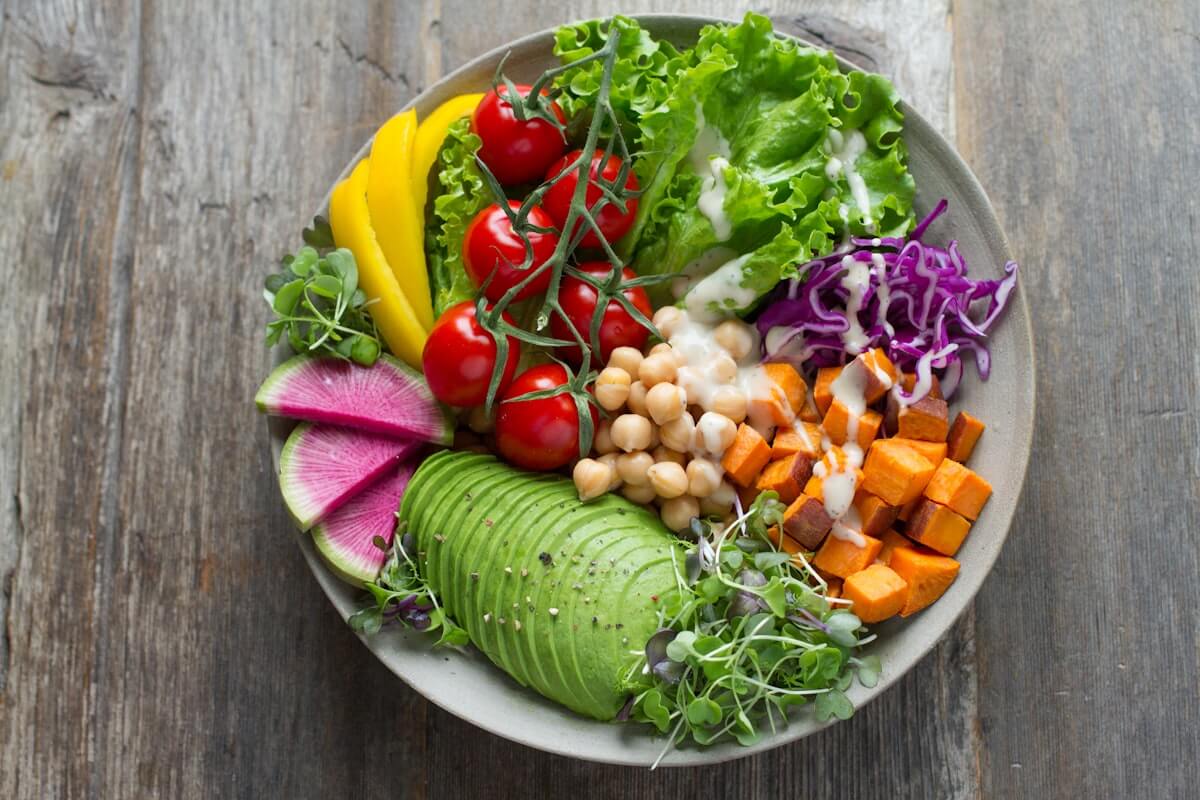
It is 2:15 PM on a Tuesday. You are seated at your office desk or in an afternoon lecture hall staring at an open document. Your eyelids feel weighted, your cognitive processing speed grinds to a halt, and you find yourself re-reading the exact same paragraph four times without retaining a single sentence. In desperation, you wander toward the breakroom to pour a third cup of stale coffee or raid the vending machine for a sugary energy drink and a bag of salted chips.
This universal productivity breakdown is medically known as postprandial somnolence—colloquially termed the "food coma" or the "afternoon slump." Most professionals assume it is simply the natural rhythm of a tiring workday. In reality, it is almost entirely dictated by what you ate between 12:30 and 1:00 PM. When you consume a lunch dominated by fast-digesting refined carbohydrates (white bread sandwiches, flour wraps, pasta bowls) or heavy fried foods, your parasympathetic nervous system diverts massive blood flow toward the gastrointestinal tract while rapid blood glucose spikes trigger a steep rebound crash in insulin. Achieving consistent mental clarity, working memory, and sustained afternoon stamina requires feeding your brain the specific biochemical building blocks it demands. This comprehensive guide outlines the neuro-nutrition science of cognitive focus, five portable slump-proof lunch formulas, a 45-minute Sunday prep schedule, and the workplace food safety rules that keep packed meals fresh and crisp.
This guide provides whole-food culinary preparation strategies and dietary frameworks to support daytime energy. It is not medical or psychiatric advice. If you suffer from chronic daytime fatigue, sleep apnea, or metabolic conditions such as insulin resistance, consult a qualified healthcare provider.
The Neuro-Nutrition Triangle: Fueling the Prefrontal Cortex
Your brain represents roughly 2% of your total body mass, yet it consumes more than 20% of your resting metabolic energy. Unlike muscles, which can store vast reservoirs of glycogen, the brain relies on a constant, uninterrupted supply of glucose delivered through the bloodstream. However, the speed and context of that glucose delivery dictate whether you feel razor-sharp or completely exhausted.
1. Tyrosine and Choline for Neurotransmitter Synthesis
Sustained mental concentration requires active synthesis of dopamine (the neurotransmitter of motivation, drive, and goal-directed attention) and acetylcholine (the neurotransmitter of memory consolidation and rapid cognitive processing). Your brain manufactures dopamine from the dietary amino acid L-tyrosine, found abundantly in lean poultry, eggs, pumpkin seeds, and legumes. Acetylcholine requires dietary choline, found in rich concentrations in whole egg yolks, soybeans, and cruciferous vegetables. A lunch lacking protein leaves your neurotransmitter reserves depleted by early afternoon.
2. Polyphenols and Cerebral Blood Perfusion
Flavonoids and polyphenols from colorful plant foods—such as dark leafy spinach, purple cabbage, wild blueberries, and extra virgin olive oil—stimulate endothelial nitric oxide production. This naturally dilates micro-capillaries within the brain, enhancing oxygen delivery and glucose uptake into the prefrontal cortex while mitigating cellular oxidative stress.
3. Resistant Starch and Beta-Glucan for Glycemic Stability
To avoid the steep glucose spike that triggers reactive brain fog, brain-food lunches utilize complex starches rich in soluble fiber and resistant starch: cold-cooked quinoa, farro, brown basmati rice, and legumes. Resistant starch resists enzymatic breakdown in the small intestine, passing into the colon where it feeds beneficial gut bacteria that produce short-chain fatty acids (SCFAs) like butyrate, which cross the blood-brain barrier to reduce neuroinflammation.
Five Portable Slump-Proof Lunches That Travel Well
These five lunches are engineered for real-world office and campus environments: they require minimal morning assembly, hold up under commuting conditions, and never leave you feeling heavy or lethargic:
1. The Mediterranean Quinoa and Herb Power Box
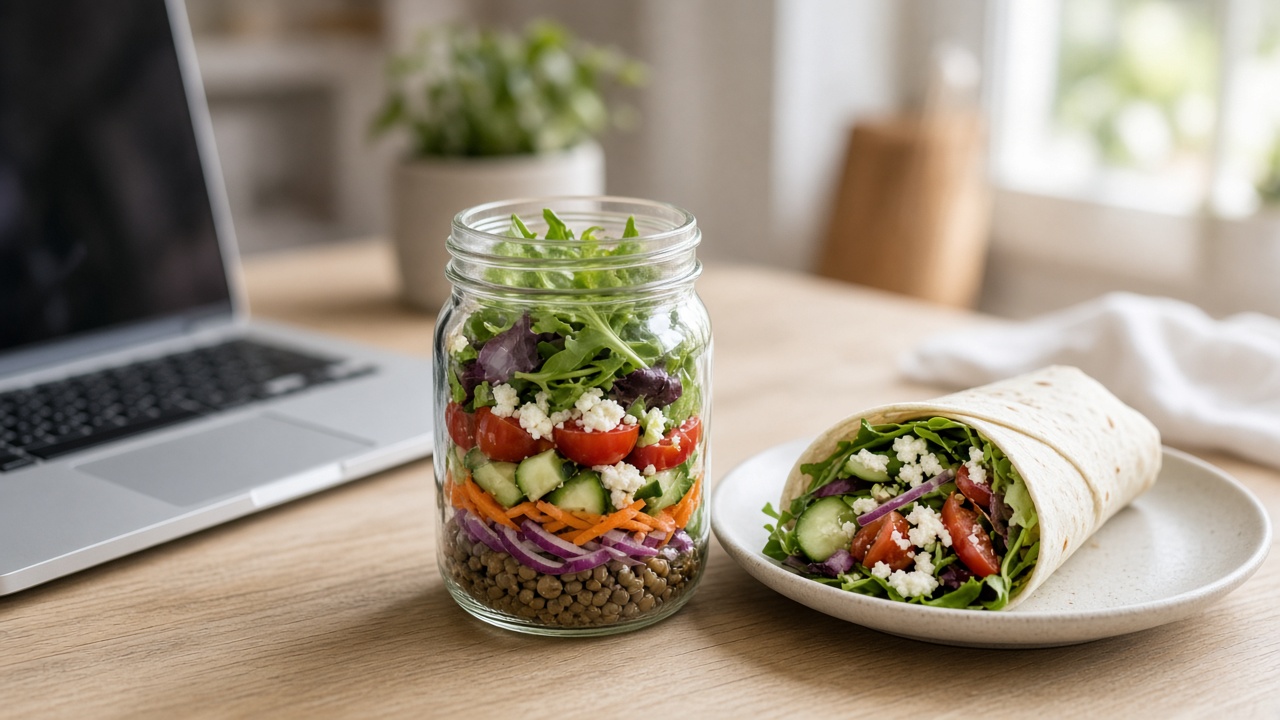
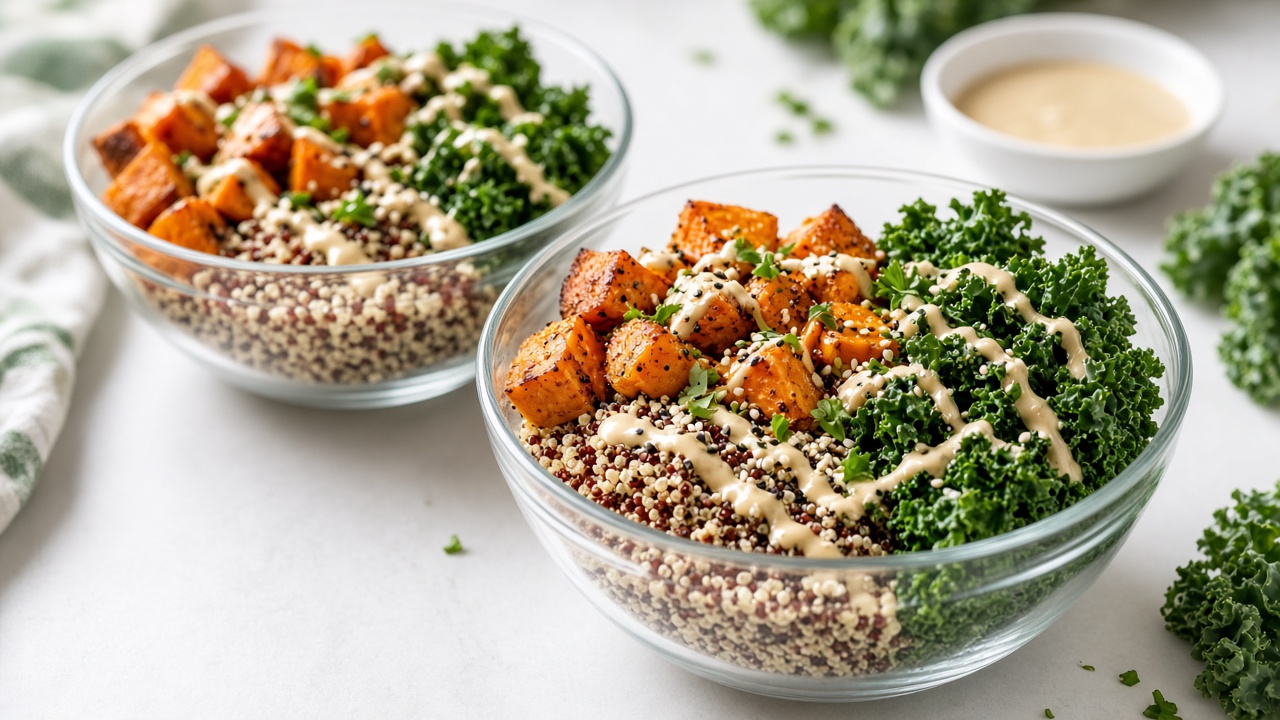
Cold grain salads are the gold standard of portable desk lunches because they never suffer from microwave reheating issues. Combine 1 cup of cooled cooked quinoa with 4 oz of diced grilled lemon chicken breast or marinated firm tofu, 1/2 cup of halved cherry tomatoes, 1/2 cup of diced English cucumber, 2 tablespoons of crumbled sheep’s milk feta cheese, and 2 tablespoons of raw pumpkin seeds. In a small separate dressing container, whisk 1 tablespoon of extra virgin olive oil with fresh lemon juice, dried oregano, and a pinch of sea salt. Dress the bowl immediately before eating. The pairing of low-glycemic quinoa with healthy monounsaturated olive oil and zinc-rich pumpkin seeds delivers four hours of razor-sharp focus. Take inspiration from our signature Mediterranean quinoa salad base. Macros: 36g Protein | 44g Complex Carbs | 16g Healthy Fats (460 kcal).
2. The Rainbow Veggie & Garlic Hummus Whole-Wheat Wrap
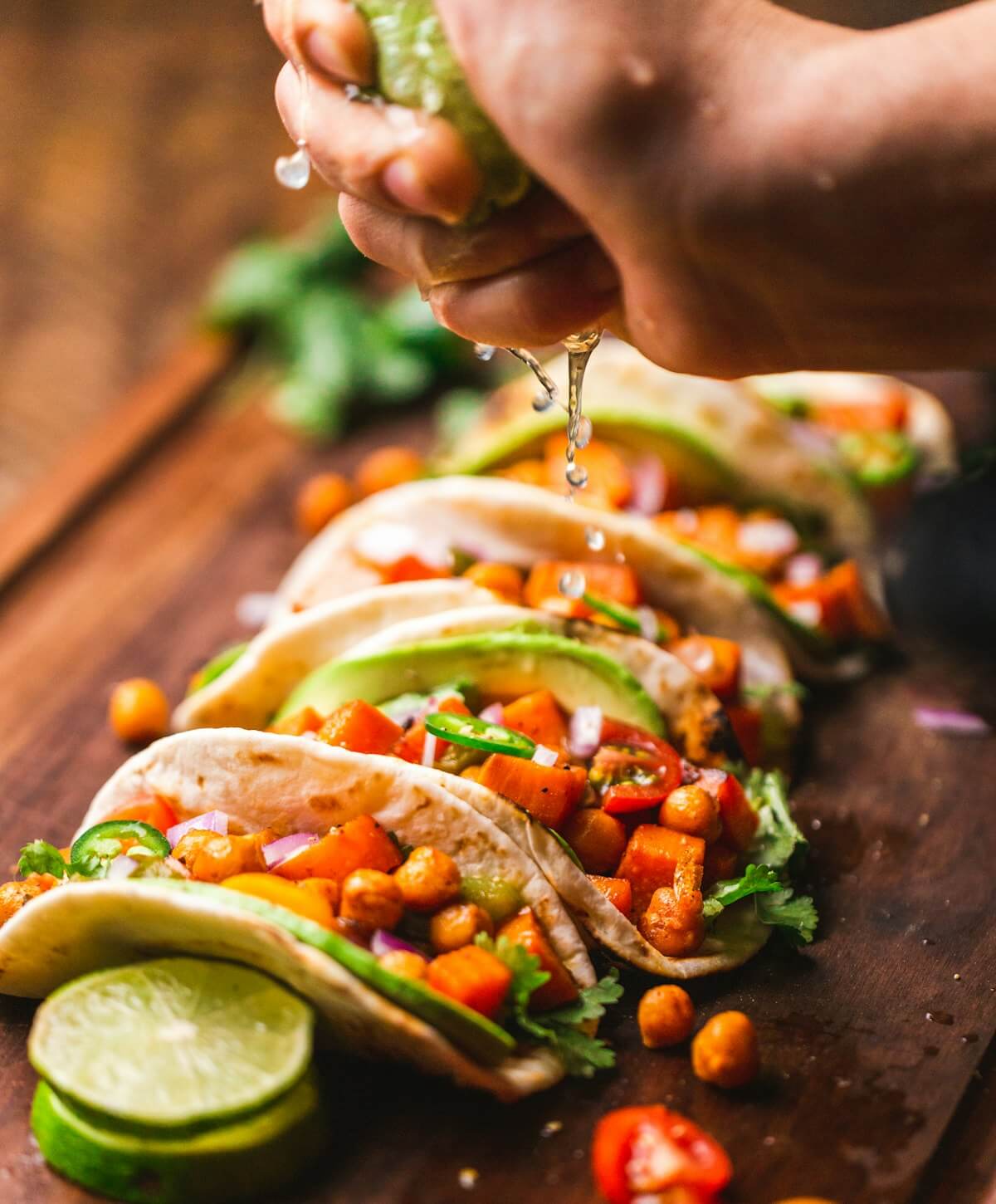
Standard deli sandwiches made with white bread and processed ham trigger instant afternoon brain fog. This crisp, fiber-rich wrap provides vibrant crunch and steady energy. Take a 10-inch sprouted whole-grain tortilla. Spread 3 tablespoons of roasted garlic hummus across the entire surface to act as an impermeable moisture barrier. Layer with 1 full cup of baby spinach leaves, shredded purple cabbage, grated carrots, sliced red bell peppers, and 1/2 cup of seasoned cooked chickpeas or sliced turkey breast. Roll tightly, slice diagonally, and wrap snugly in parchment paper. The vibrant carotenoids from the carrots and peppers protect neural tissues, while the complex chickpea starches prevent mid-afternoon energy crashes. Review our complete hummus veggie wrap assembly technique. Macros: 24g Protein | 52g Carbs | 12g Fat (410 kcal).
3. The High-Protein Sesame Edamame & Chicken Brown Rice Bowl
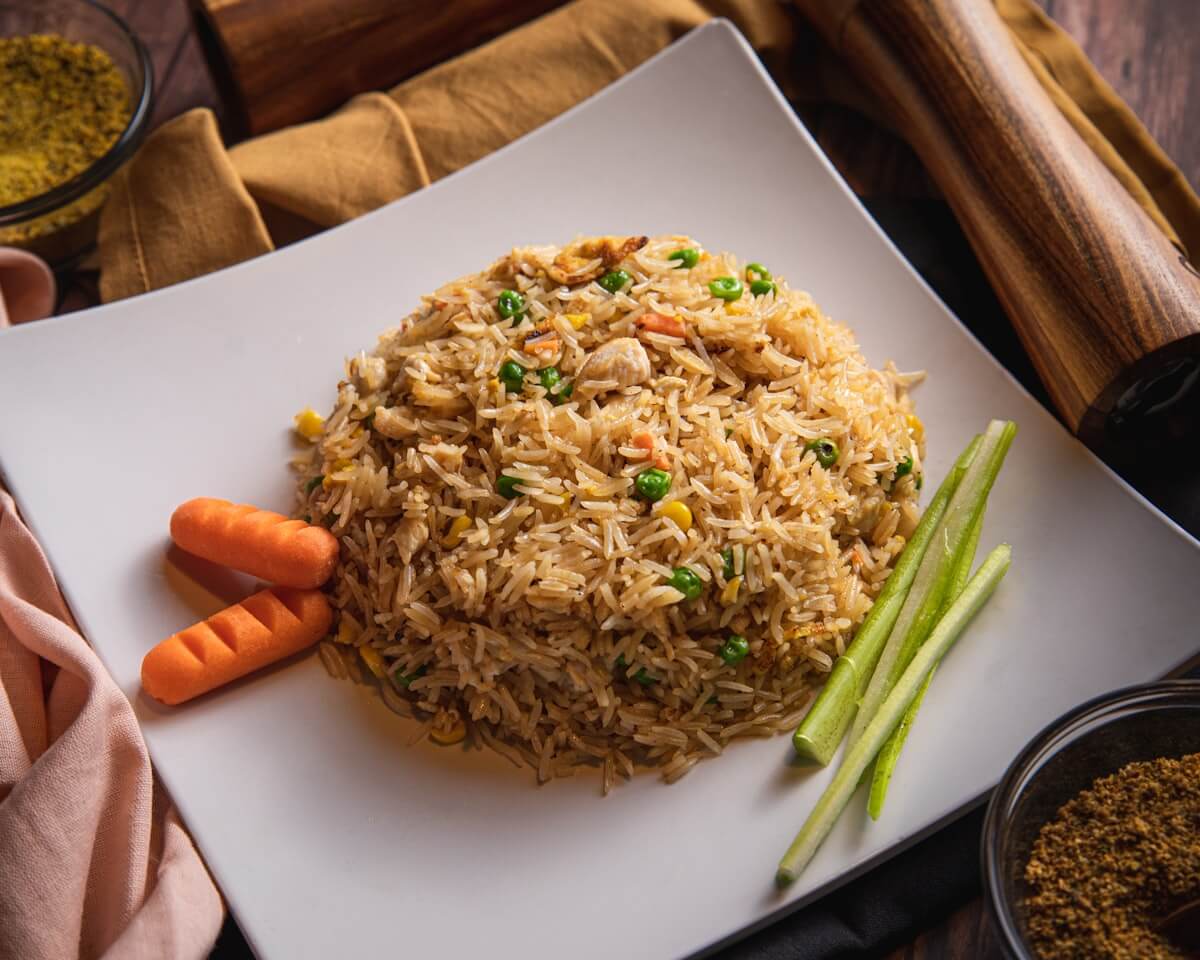
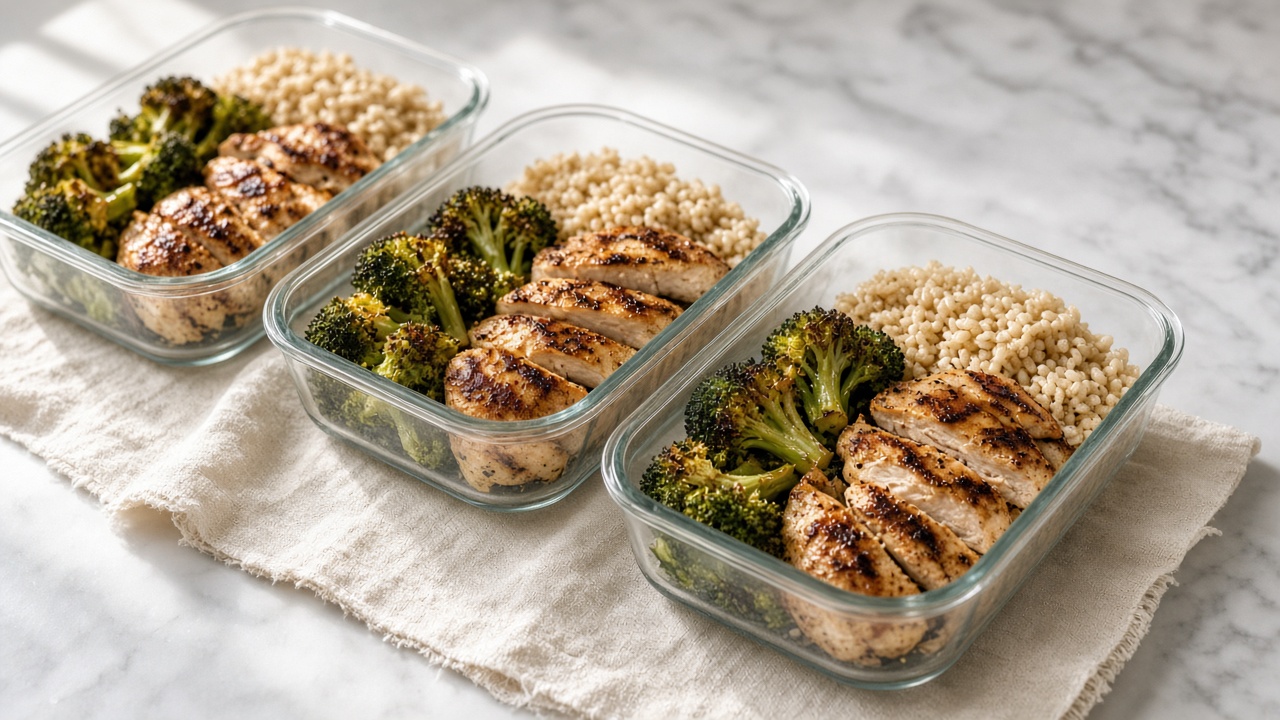
For days when you have access to a clean office microwave and crave a warm, comforting meal, this savory grain bowl beats any food court stir-fry. In a microwave-safe glass container, layer 1 cup of cooked brown basmati rice with 4 oz of shredded rotisserie chicken, 1/2 cup of steamed shelled edamame pods, 1 cup of steamed broccoli florets, and 1 teaspoon of toasted sesame seeds. Pack a small 1-oz container with 1 tablespoon of low-sodium tamari soy sauce, 1/2 teaspoon of toasted sesame oil, and a dash of sriracha. Reheat the bowl in the office microwave for 90 seconds, drizzle with the sesame-tamari sauce, and toss. The edamame and chicken provide a potent 42-gram dose of tyrosine-rich protein that primes your brain for high-stakes afternoon meetings. This lunch channels the easy comfort of our chicken fried rice. Macros: 42g Protein | 46g Carbs | 10g Fat (440 kcal).
4. The Thermos Roasted Tomato-Basil Soup with White Bean Sourdough
When the weather is brisk and chilly, cold salads feel uninspiring. A vacuum-insulated stainless steel food jar (thermos) allows you to transport piping-hot, nutrient-dense soups without relying on the office microwave. Heat 1.5 cups of velvety tomato-basil soup—bulked up by blending in 1/2 cup of cooked cannellini beans for invisible plant protein and creaminess—until simmering hot. Pour into a pre-warmed thermos (pre-heat with boiling tap water for 5 minutes). Pack two thick slices of toasted whole-grain sourdough bread wrapped in foil, along with a small container of raw walnuts and apple slices. The lycopene in cooked tomatoes is a potent brain antioxidant, while the sourdough offers easily digestible fermented carbohydrates. Savor the warmth of our comforting tomato basil soup. Macros: 22g Protein | 56g Carbs | 11g Fat (410 kcal).
5. The Tuscan Chicken Pesto & Fresh Mozzarella Pressed Panini
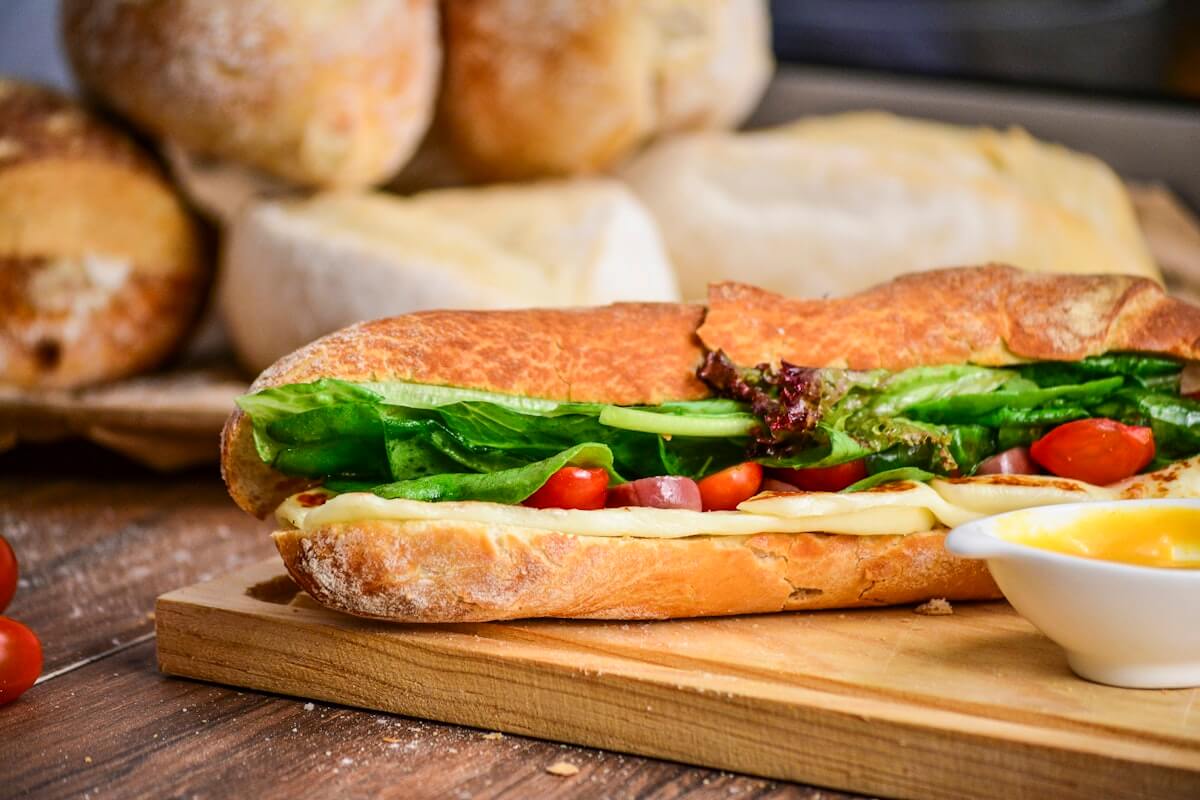
If you prefer a warm, handheld gourmet sandwich, this Italian-inspired lunch satisfies comfort food cravings while maintaining clean nutritional macros. Split a whole-wheat ciabatta roll. Spread 1 tablespoon of basil pesto made with pine nuts and extra virgin olive oil. Layer with 4 oz of sliced grilled chicken breast, 1 oz of sliced fresh mozzarella cheese, roasted red pepper strips, and fresh basil leaves. Press in a home panini press on medium heat for 4 minutes until the exterior is crusty and the cheese is melted. Wrap in heavy aluminum foil to retain warmth, or pack cold and reheat in the office toaster oven. Pair with a crisp side salad of baby arugula tossed with lemon juice. Discover the balanced layers of our caprese panini. Macros: 38g Protein | 38g Carbs | 18g Fat (465 kcal).
The 45-Minute Sunday "Commute-Ready" Prep Routine
Packing fresh lunches every single morning at 7:00 AM while rushing to get dressed is a recipe for failure. Instead, spend forty-five minutes on Sunday afternoon executing this parallel prep protocol:
| Time Window | Kitchen Station & Focus | Specific Batch Preparation Tasks |
|---|---|---|
| 0:00 – 0:15 | Stovetop & Roaster Initiation | Rinse 2 cups of dry quinoa or brown rice; start in a medium pot or rice cooker. Preheat oven to 400°F (200°C). Line two baking sheets with parchment paper. |
| 0:15 – 0:30 | Protein Searing & Vegetable Roasting | Toss 1.5 lb of chicken breast cutlets with olive oil, lemon juice, salt, and garlic powder; place on baking sheet 1. Chop 2 bell peppers and 2 heads of broccoli; toss with oil and cumin on sheet 2. Transfer both sheets into the oven for 20 minutes. |
| 0:30 – 0:40 | Dressing Blending & Cold Vegetable Chop | Whisk a 5-day batch of lemon-oregano vinaigrette in a small mason jar. Dice 2 English cucumbers and halve 1 pint of cherry tomatoes; store in airtight glass containers lined with a dry paper towel to absorb moisture. |
| 0:40 – 0:45 | Portioning Monday & Tuesday Jars | Assemble Monday and Tuesday quinoa bowls completely in glass containers. Keep dressings separate in 2-oz leakproof silicone cups. Store remaining components loosely for Wednesday–Friday rapid assembly. |
The Commute Cold Chain: Office Food Safety Rules
Foodborne bacteria such as Salmonella and Staphylococcus multiply rapidly when cooked proteins and dairy sit in warm backpacks or heated car trunks. Protect your digestion with these non-negotiable food safety rules:
- The Insulated Lunch Bag + Ice Pack Rule: A thin brown paper bag or plastic shopping bag provides zero thermal insulation. Always carry lunch in a double-insulated canvas or nylon lunch tote containing at least one frozen non-toxic gel ice pack placed directly adjacent to your meat or yogurt container.
- The USDA 2-Hour Limit: Never allow perishable cooked poultry, boiled eggs, or dairy products to sit at ambient room temperature (above 40°F / 4°C) for longer than two cumulative hours. As soon as you arrive at work, transfer your glass meal containers directly into the office refrigerator.
- Microwave Steam Venting: When reheating grain bowls in the office microwave, do not snap the plastic lid tightly shut (which can warp the container and leach chemicals) or leave it completely uncovered (which dries out the chicken). Rest the lid loosely over the container or place a damp paper towel over the bowl to trap steam and re-hydrate the grains.
What Fails: 5 Costly Packed Lunch Mistakes to Avoid
Ensure your desk lunches remain delicious and energizing all week by avoiding these five frequent traps:
- Dressing Greens the Night Before: Pouring vinegar-based dressing over delicate salad greens (spinach, romaine, arugula) on Sunday evening guarantees a soggy, unappetizing sludge by lunchtime on Monday. Acid breaks down cell walls within hours. Always carry dressings in separate leakproof condiment cups and toss right before eating.
- Relying on High-Sodium Processed Deli Meats: Packaged pre-sliced deli turkey, ham, and pastrami are loaded with sodium nitrates, phosphates, and up to 1,000mg of sodium per 3-oz portion. This excessive sodium triggers water retention, lethargy, and afternoon thirst. Roast your own chicken breasts or use canned wild tuna and hard-boiled eggs instead.
- Skipping Dietary Fats Entirely: Eating a lunch of dry lettuce, raw vegetables, and unseasoned chicken breast leaves you with zero satiety. Within forty minutes, your stomach is rumbling, and you reach for sugary breakroom snacks. Always include 10 to 15 grams of healthy fats (olive oil, avocado, pumpkin seeds, or feta) to stimulate satiety hormones.
- Using Flimsy, Leaky Storage Containers: Storing soup or vinaigrette-heavy salads in cheap, cracked takeout containers that leak oil across your laptop bag ruins your workday. Invest in premium borosilicate glass containers with four-sided locking silicone seals.
- Eating at Your Desk While Staring at a Screen: Mindless eating while answering urgent emails impairs cephalic phase digestion and prevents your brain from registering fullness cues. Take a mandatory 15-minute break away from your screen: sit outside, chew your food thoroughly, and enjoy your meal. You will return to your desk significantly more refreshed.
Streamline Your Workday Nutrition with Smart Digital Tools
Eliminate weekday lunch stress by integrating your packed lunches with your dinner plans using our free interactive tool suite:
- Map out five cohesive office lunches alongside your family dinners using the meal plan generator.
- Combine all your proteins, fresh produce, and grain shopping into one organized supermarket checklist with the grocery list generator.
- Have extra grilled chicken or roasted vegetables from Tuesday dinner? Instantly transform them into Wednesday's power bowl with the leftover finder.
- Packing lunches for both you and your partner? Automatically double ingredient weights with the servings scaler.
Frequently Asked Questions
What should I pack if my workplace has neither a refrigerator nor a microwave?
Focus on room-temperature-stable, no-reheat meals packed with dual frozen gel ice packs in an insulated tote. Cold grain salads (like Mediterranean quinoa with chickpeas and feta), whole-wheat hummus vegetable wraps, and chilled lentil salads thrive at cool ambient temperatures and require zero heating. Alternatively, bring piping-hot soups or chili in a pre-warmed vacuum-insulated stainless steel thermos.
How can I prevent whole-wheat wraps from becoming soggy by lunchtime?
Wrap sogginess occurs when wet vegetables (sliced tomatoes, watery cucumbers) directly touch the tortilla. To prevent this, spread a thick, oil-rich or fat-based condiment (such as hummus, cream cheese, or pesto) completely across the wrap to create a waterproof barrier. Then layer dry, hearty greens (like whole spinach or romaine leaves) over the spread before adding sliced vegetables and proteins in the center.
Are canned sardines or wild salmon better for brain focus than chicken?
Nutritionally, yes. Canned oily fish (wild salmon, sardines, mackerel) are nature’s richest dietary sources of preformed omega-3 fatty acids—eicosapentaenoic acid (EPA) and docosahexaenoic acid (DHA)—which integrate directly into brain cell membranes to enhance neuroplasticity. If office odors are a concern, choose mild skinless/boneless wild pink salmon tossed with lemon juice, diced celery, and light yogurt over greens.
Can I boil a batch of eggs on Sunday for the entire work week without them smelling sulfurous?
Yes. That unpleasant sulfur smell and greenish-grey ring around the yolk are caused by overcooking, which causes iron in the yolk to react with hydrogen sulfide in the white. Boil large eggs for exactly 9 to 10 minutes, then plunge immediately into an ice-water bath for 15 minutes to stop cooking instantly. Store unpeeled in their carton in the refrigerator; they will remain completely fresh and odor-free for up to 7 days.