Recipe Planning

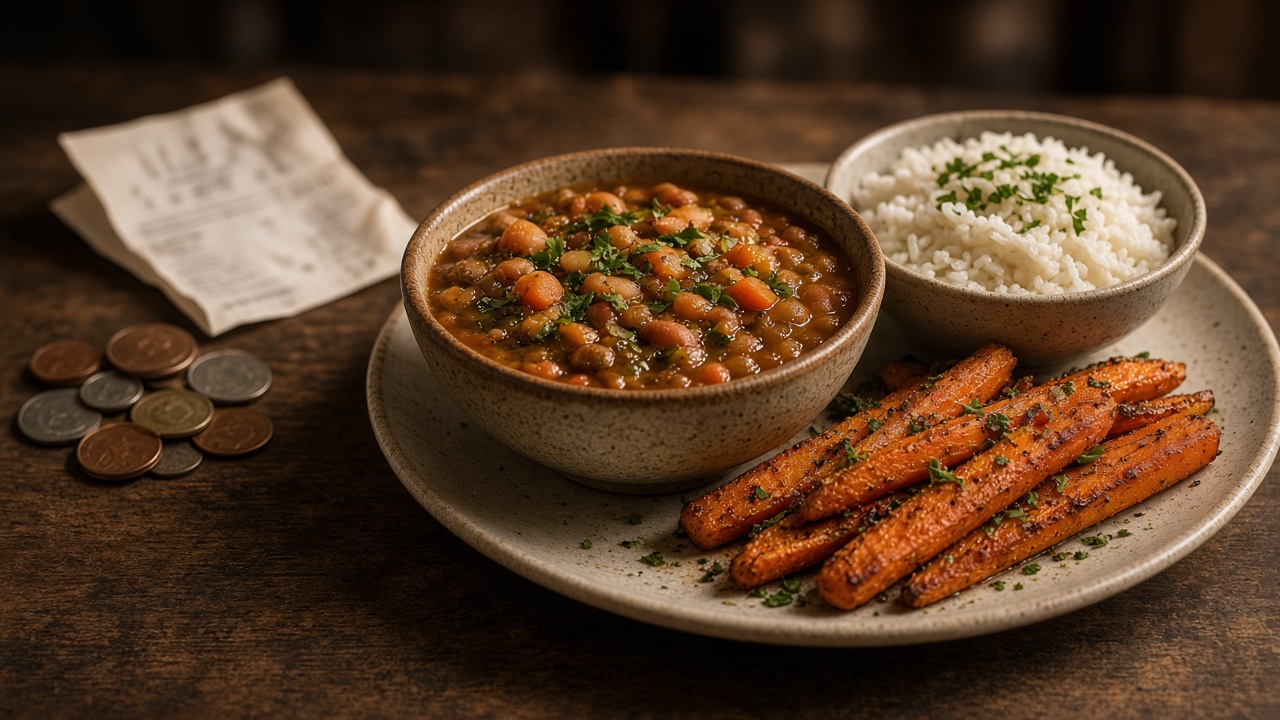
Black Friday is mostly a retail event, but for many households the same weekend starts the heavy spending season: gifts, hosting, and extra trips for things that were not on the list. A black Friday grocery budget helps you decide what dinners you need before the week gets busy, so you spend on the meals you planned rather than the ones that sounded good in the aisle.
This is a planning guide, not a list of deals. We do not track grocery prices, so the budget here is a method: choose your limit, pick proteins that stretch, reuse ingredients and build one list. For the wider system, read budget meal planning first.
Set the budget before the list
Pick one number for the week's dinners. Decide it from your last three weeks of receipts, not from a feeling. If you do not track groceries, count the cost of five typical dinners for one week and use that number as a starting point. Adjust it after one week.
Split the weekly budget by dinner. A week of seven dinners on a set amount forces better choices than a vague goal of “spend less”.
Choose proteins that stretch
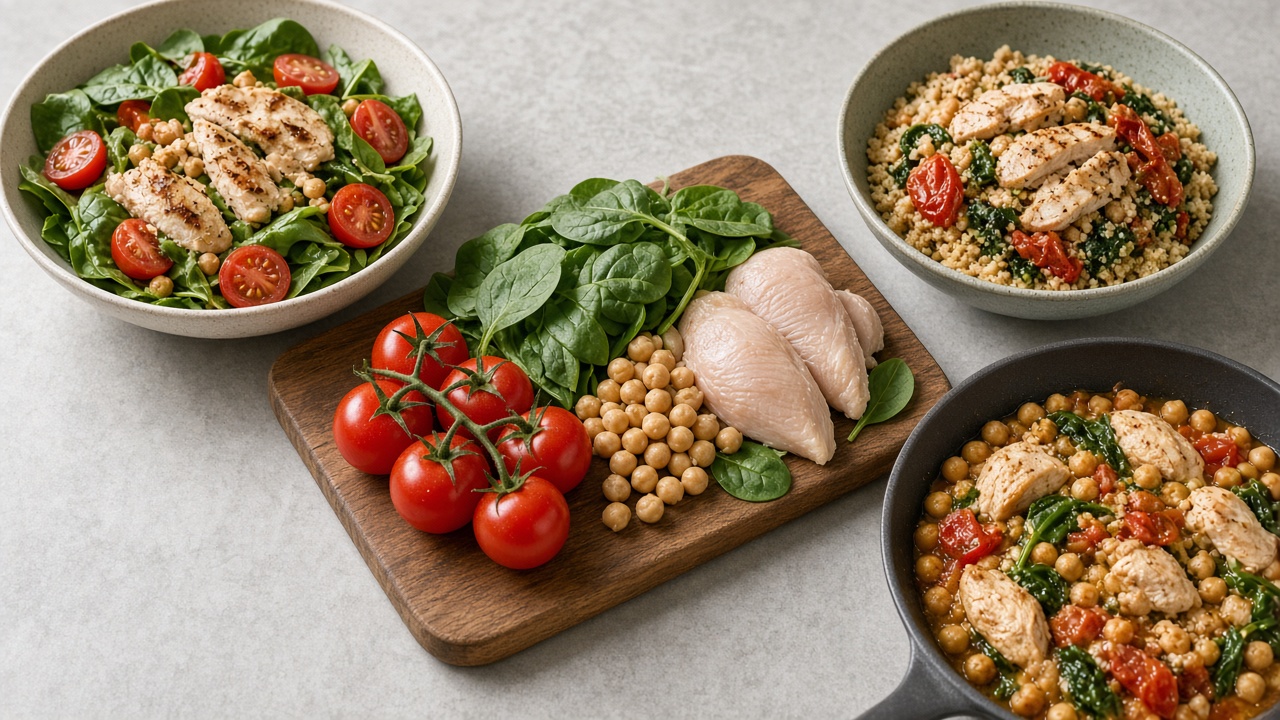
- Beans and lentils for burgers, curries and bowls. They are cheap, filling and keep for days in the fridge once cooked.
- Chicken thighs instead of breasts when the meal is braised, roasted or stir-fried.
- Eggs for fried rice, frittatas and quick lunches.
- Frozen vegetables and fish when fresh prices are high. Frozen food keeps, so it cuts waste too.
Build five dinners around shared ingredients
The cheapest week is the one with the fewest unique ingredients. Plan dinners that use the same onion, the same lemon and the same herbs. Shared ingredient meal planning is the method that makes this work.
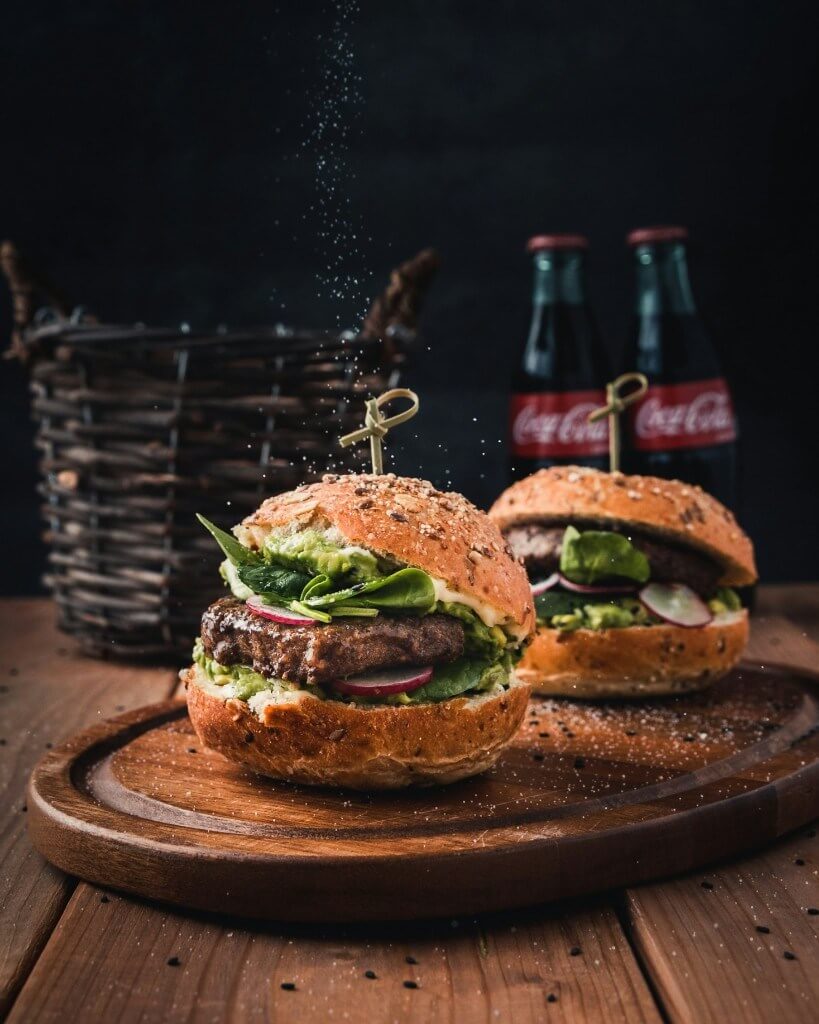
- Monday: black bean burgers. Canned beans make the protein cheap. Black bean burgers
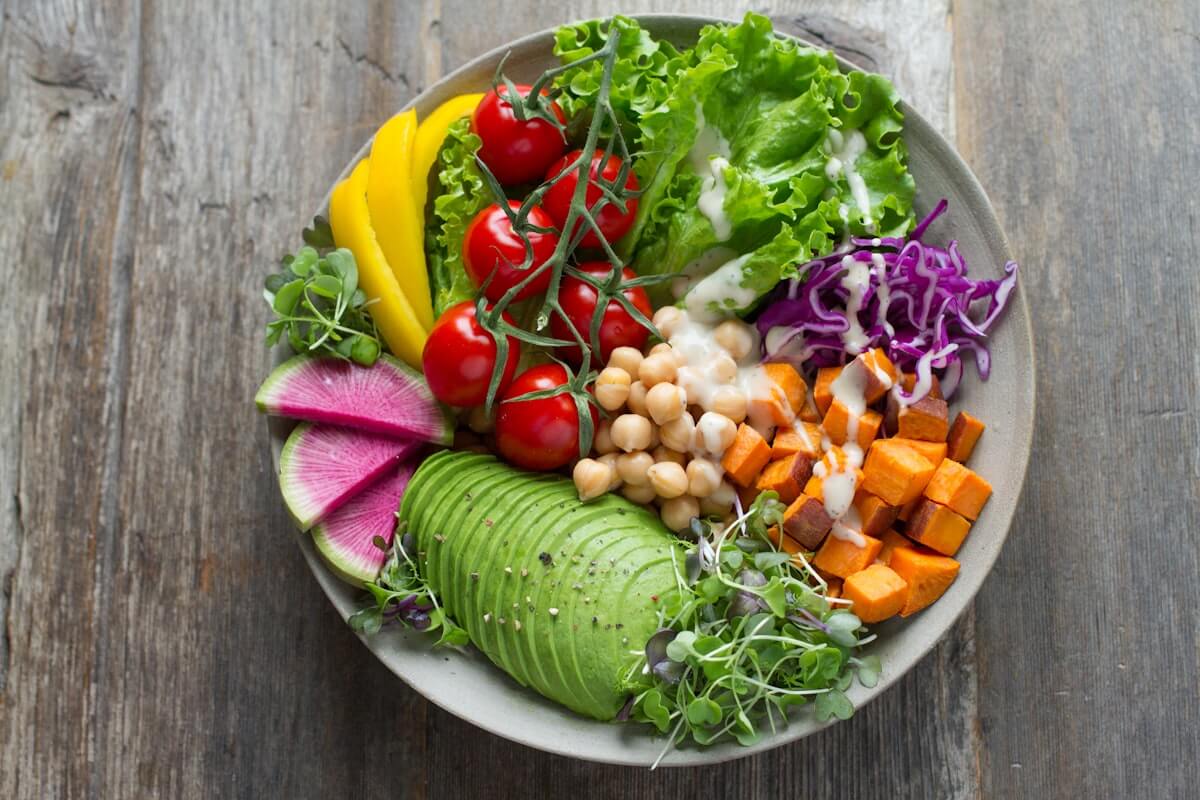
- Tuesday: chickpea and sweet potato curry. Shares onion and garlic with Monday's burgers, and adds canned tomatoes and chickpeas. Chickpea and sweet potato curry
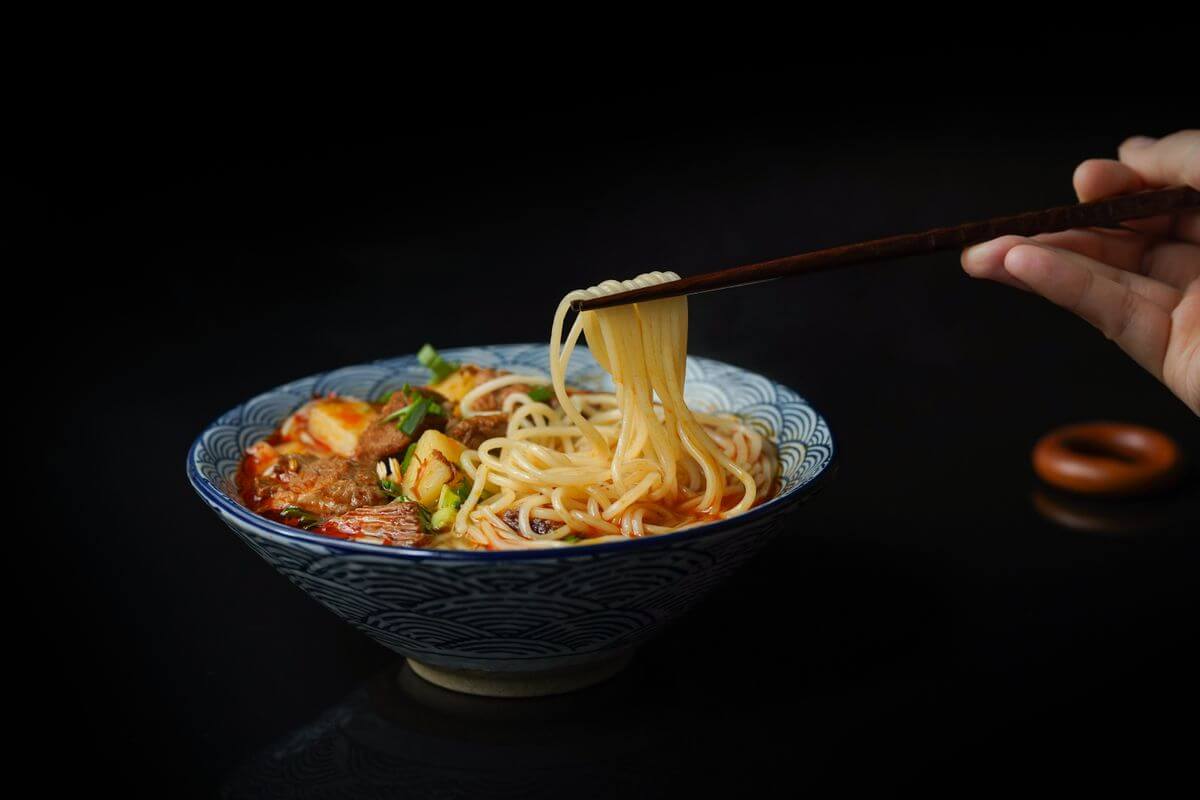
- Wednesday: peanut noodle bowl. Uses garlic and ginger from Tuesday, plus cucumber, carrot and lime. Peanut noodle bowl
- Thursday: Mediterranean quinoa salad. A cold dinner that uses the cucumber from Wednesday's bowl and cooked quinoa. Mediterranean quinoa salad
- Friday: cilantro lime rice. Cook a big pot and use the rest for lunches. Cilantro lime rice
Each dinner reuses at least one ingredient from another. That is the difference between a budget week and a week of single-use packs.
Skip the expensive extras
- Pre-cut vegetables cost more per kilo than whole ones. Cut them yourself on Sunday.
- Single-serve snacks and packs add up quickly. Buy one large container and portion at home.
- Specialty sauces for one recipe. Choose a recipe that uses sauces you already own, or buy the smallest size.
Shop once, from one list
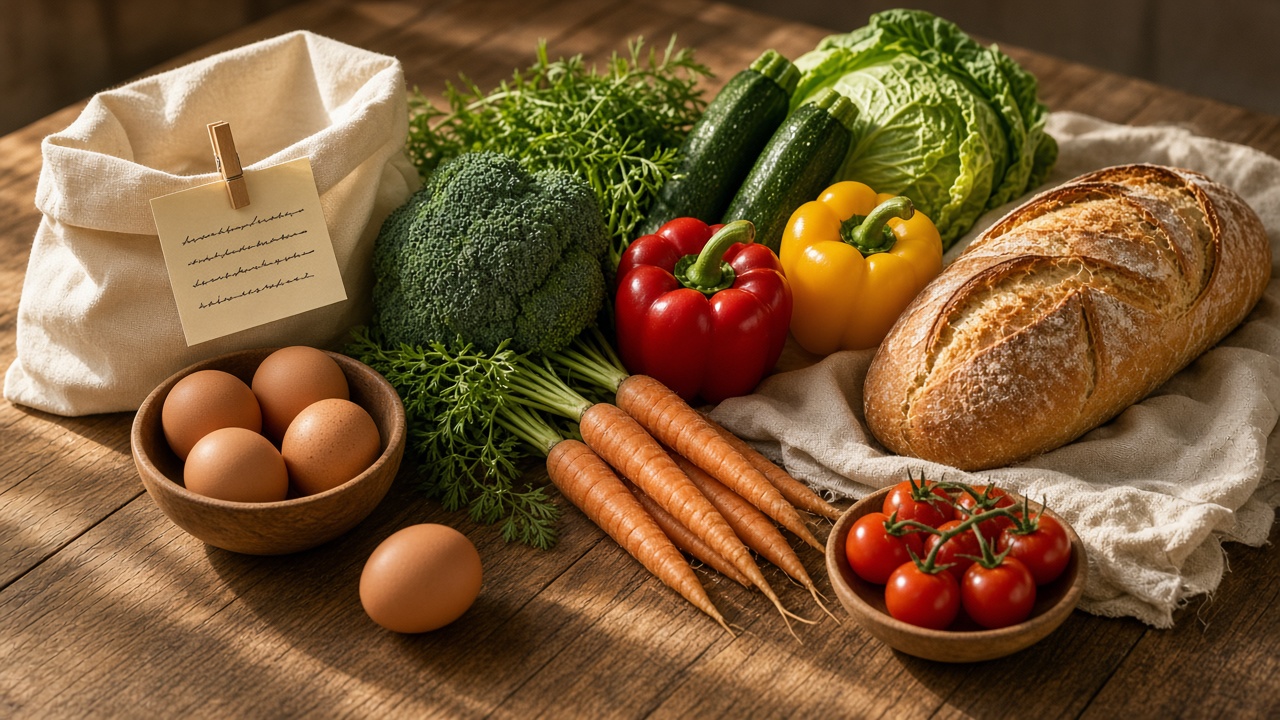
Before you shop, merge the ingredients for all five dinners into one list, grouped by store section. This is where budgets usually break: the second trip for “just a few things”. Use the grocery list generator to combine the recipes and check off what you already have. Then read grocery list tips for the aisle order that saves time.
Plan for leftovers
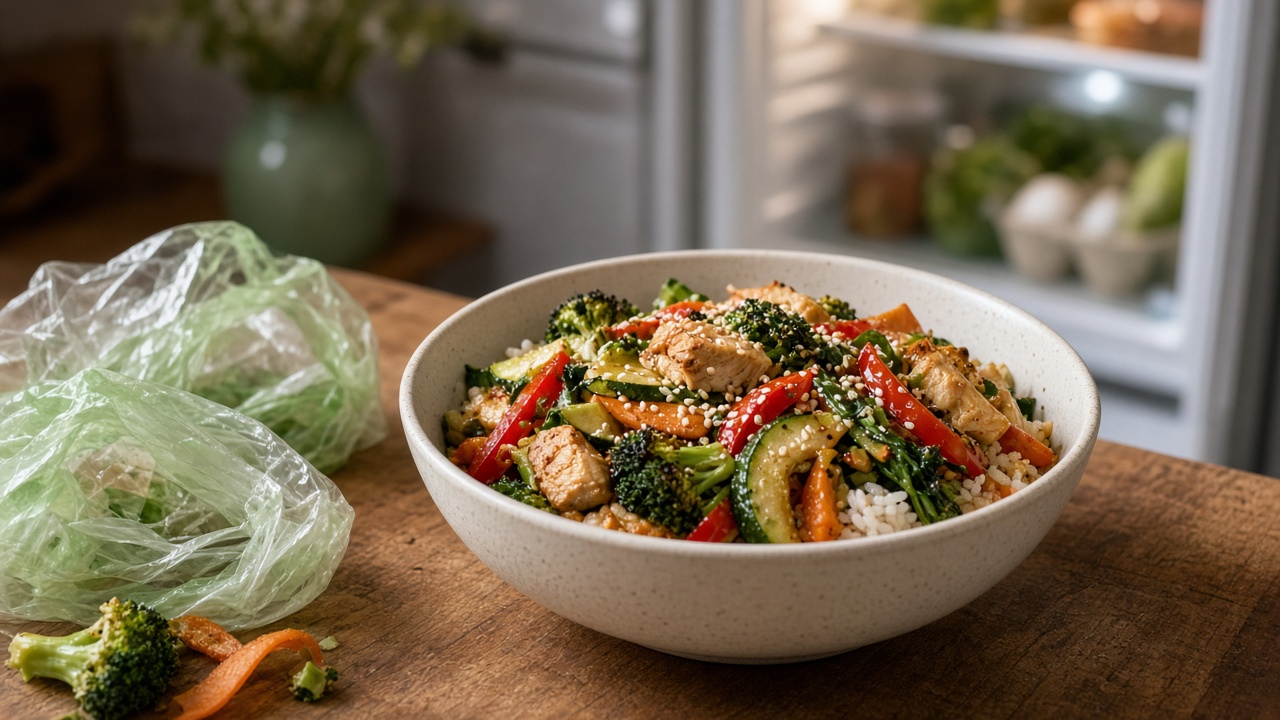
Food that is thrown away is the most expensive food on the list. Cook once for two nights, use the rice or beans in a second meal, and freeze anything you will not eat within three or four days. How to stop food waste covers the storage rules and the shopping habits that help.
What to do if the budget is tight
- Cut one dinner and make a double batch of another.
- Use the freezer for bread, cooked grains and fruit.
- Plan a no-shop night built on the pantry.