Recipe Planning

Introducing finger foods builds essential hand-eye coordination, fine-motor pincer dexterity, sensory oral-spatial mapping, and self-feeding autonomy. However, transitioning from spoon-fed mashes to solid finger foods is often accompanied by acute parental anxiety regarding choking dangers. In infants and young toddlers, the anatomical diameter of the trachea is approximately the width of an ordinary drinking straw (8 to 10 millimeters). Foods that possess specific mechanical properties—those that are small, spherical, cylindrical, hard, sticky, or slippery—pose an immediate risk of forming an airtight plug across the subglottic airway.
Important Pediatric Notice: This guide provides general nutritional frameworks, culinary preparation guidelines, and caregiver meal-planning routines. It is not medical or feeding advice. Choking is a leading cause of unintentional injury and fatality in children under age 4. Always supervise children with total visual attention while eating; ensure they remain seated upright in an ergonomic high chair or booster seat. Never feed finger foods in moving vehicles, strollers, or while children are walking or playing. Complete a certified infant and pediatric CPR/choking course. Always consult your pediatrician regarding developmental readiness and individual oral-motor limitations.
Transforming ordinary family meals into safe finger foods does not require buying specialized commercial infant snacks, which are often heavily processed and laden with refined starches. By mastering specific culinary cutting techniques, testing food compressibility with the clinical "Squash Test," and tailoring shapes to your child's developmental age, you can serve delicious, iron-dense finger foods with total peace of mind.
The Anatomical Physics of Choking Hazards
Pediatric otolaryngologists categorize choking hazards based on geometry and physical compliance. An object or piece of food becomes lethal to a toddler when three conditions align:
- Spherical or Cylindrical Shape: A round grape, whole cherry tomato, or hot dog round perfectly matches the cross-sectional geometry of the pediatric windpipe. When aspirated, it wedges tightly against the mucosal walls, creating a vacuum seal that prevents airflow in both directions.
- Hard, Unyielding Texture: Raw carrots, raw apples, celery sticks, and whole nuts require molar grinding teeth to pulverize. Toddlers do not have second molars until 24 to 30 months. When biting a hard raw carrot with front incisors, brittle chunks snap off whole, slipping down the pharynx before being ground into a swallowable bolus.
- Sticky, Tenacious Consistency: Large clumps of dry peanut butter, sticky marshmallows, gelatinous gummy candies, and thick cubes of melted cheese can adhere to the back of the pharynx and soft palate, resisting coughing efforts.
The Choking Hazard Modification Protocol
To eliminate dangerous geometry, apply these standard culinary modifications to high-risk foods before serving to children under age 4:
- Grapes, Cherry Tomatoes, and Large Berries: Never serve whole. Slice lengthwise into four long quarters. For infants under 12 months, slice into eighths or crush flat.
- Sausages, Hot Dogs, and Meat Sticks: Never slice into round coins. First, slice the sausage completely in half lengthwise, then slice each half lengthwise again into long quarters, and finally dice into tiny half-moon pieces.
- Hard Root Vegetables (Carrots, Beets, Parsnips): Never serve raw. Steam, boil, or roast with olive oil until fork-tender and easily crushed between your thumb and index finger. See our sweet potato hash for soft root vegetable techniques.
- Apples and Firm Pears: Grate raw apples on the large holes of a box grater, steam slices until translucent and soft, or bake them into tender wedges.
- Nut and Seed Butters: Never offer thick spoonfuls. Whisk smooth peanut or almond butter into warm water, breast milk, or applesauce to create a thin, fluid drizzle, or spread it paper-thin onto warm toasted bread strips.
- Whole Nuts, Popcorn, and Hard Candies: Strictly prohibit under age four. Grind nuts into fine flours to stir into warm oatmeal or baked oat bars.
Safe Finger Foods Master Matrix: Age-by-Age Progression
This master matrix outlines how to prepare safe, nutrient-dense finger foods across different developmental stages. Build your weekly grocery list using our grocery list generator.
| Food Category | 6 to 9 Months (Palmar Grasp) | 9 to 18 Months (Pincer Grasp) | 18 to 36 Months (Mature Chewing) | Cooking & Safety Method |
|---|---|---|---|---|
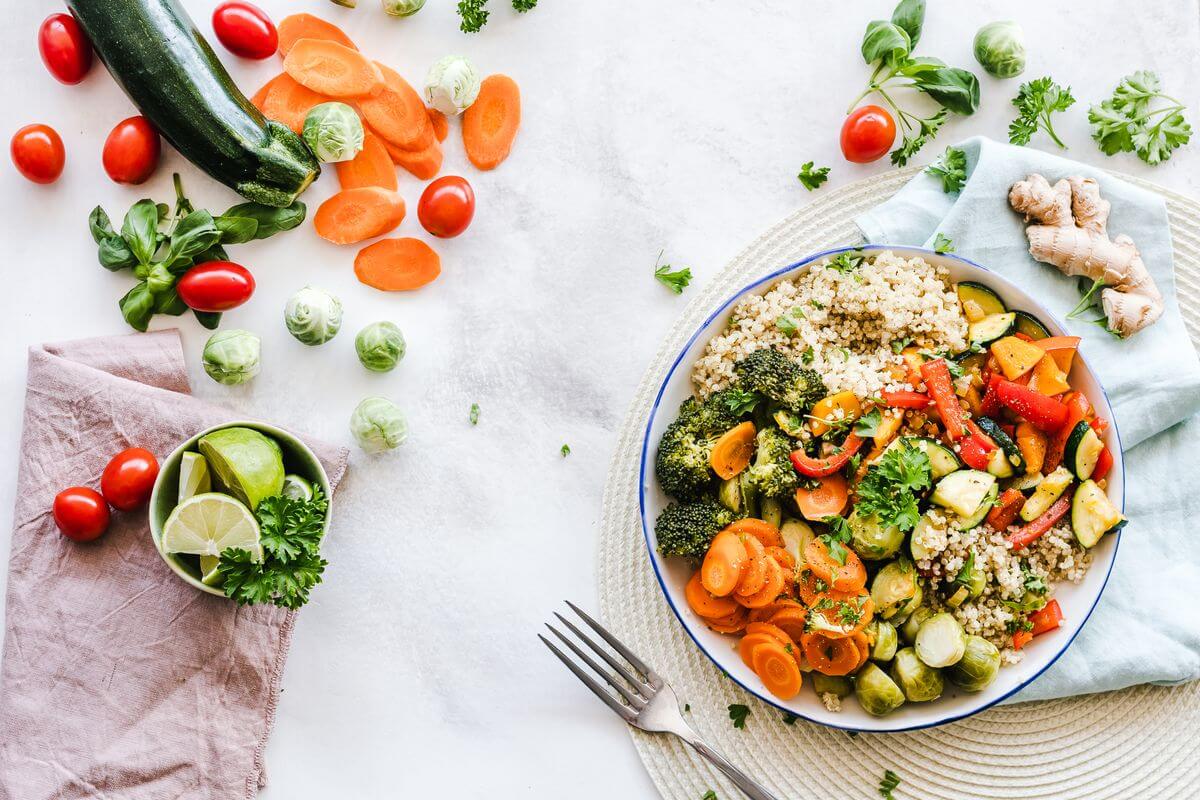
| Vegetables | Thick, finger-length steamed sweet potato or carrot batons (3" long) | Soft steamed pea-sized diced zucchini or sweet potato cubes | Fork-tender roasted cauliflower and broccoli florets | Steam until knife glides through with zero resistance; must pass squash test. |
| Fruits | Thick avocado spears rolled in hemp seeds; steamed pear batons | Quartered blueberries (crushed flat); diced soft ripe banana | Thin-sliced ripe strawberries, quartered grapes, melon cubes | Avocado provides traction when coated; never serve hard unripe fruit. See avocado prep. |
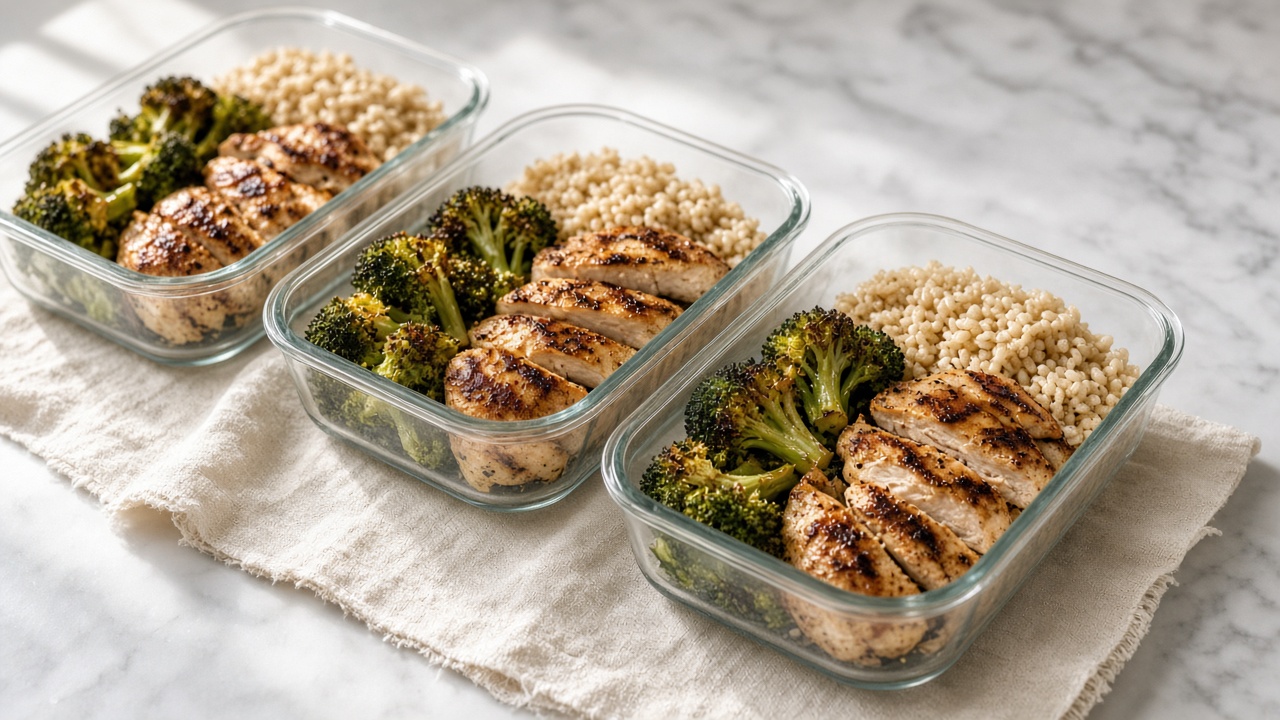
| Meats & Poultry | Slow-cooked chicken drumstick bone with meat/cartilage stripped clean, or long shredded fiber bundles | Finely shredded chicken thigh, minced beef, or soft meatball crumbles | Bite-sized tender meatball quarters, slow-braised pulled beef | Braise meats in broth until fibers separate effortlessly; dry meat triggers choking. |
| Fish & Seafood | Flaked wild salmon or cod, double-checked for pin bones, pressed into soft patties | Small bite-sized flakes of tender cooked white fish or salmon | Fish cakes made with mashed sweet potato and salmon, cut into bites | Bake fish with olive oil and lemon; use fingers to systematically feel for micro-bones. |
| Eggs & Dairy | Omelet ribbon strips sliced into 3-inch finger-width lengths | Scrambled egg curds, shredded mozzarella, pasteurized paneer cubes | Hard-boiled egg wedges, cheese sticks sliced lengthwise into quarters | Cook eggs fully; never serve large round cubes of rubbery hard cheese. |
| Plant Proteins | Firm silken tofu cut into long rectangular batons | Sautéed tofu cubes, cooked black beans or chickpeas gently flattened | Lentil and vegetable patties cut into bite-sized strips or squares | Sauté tofu in olive oil; always smash round beans between thumb and forefinger. |
High-Protein and Iron-Dense Finger Food Concepts
Finger foods should not be limited to fruit and crackers. Use these nutrient-dense recipes to deliver bioavailable iron, zinc, and healthy fats:
- Soft Ricotta & Spinach Meatballs: Combine ground pasture-raised beef or turkey with whole-milk ricotta, finely minced steamed spinach, an egg, and breadcrumbs. Bake until tender and simmer in marinara sauce. The ricotta keeps the meatball exceptionally moist, preventing dry crumbling in the throat.
- Salmon and Sweet Potato Patties: Mash cold baked sweet potato with canned or fresh wild salmon, an egg, and chopped parsley. Shape into small flat patties and pan-sear in olive oil until golden. Cut into strips for infants or cubes for toddlers.
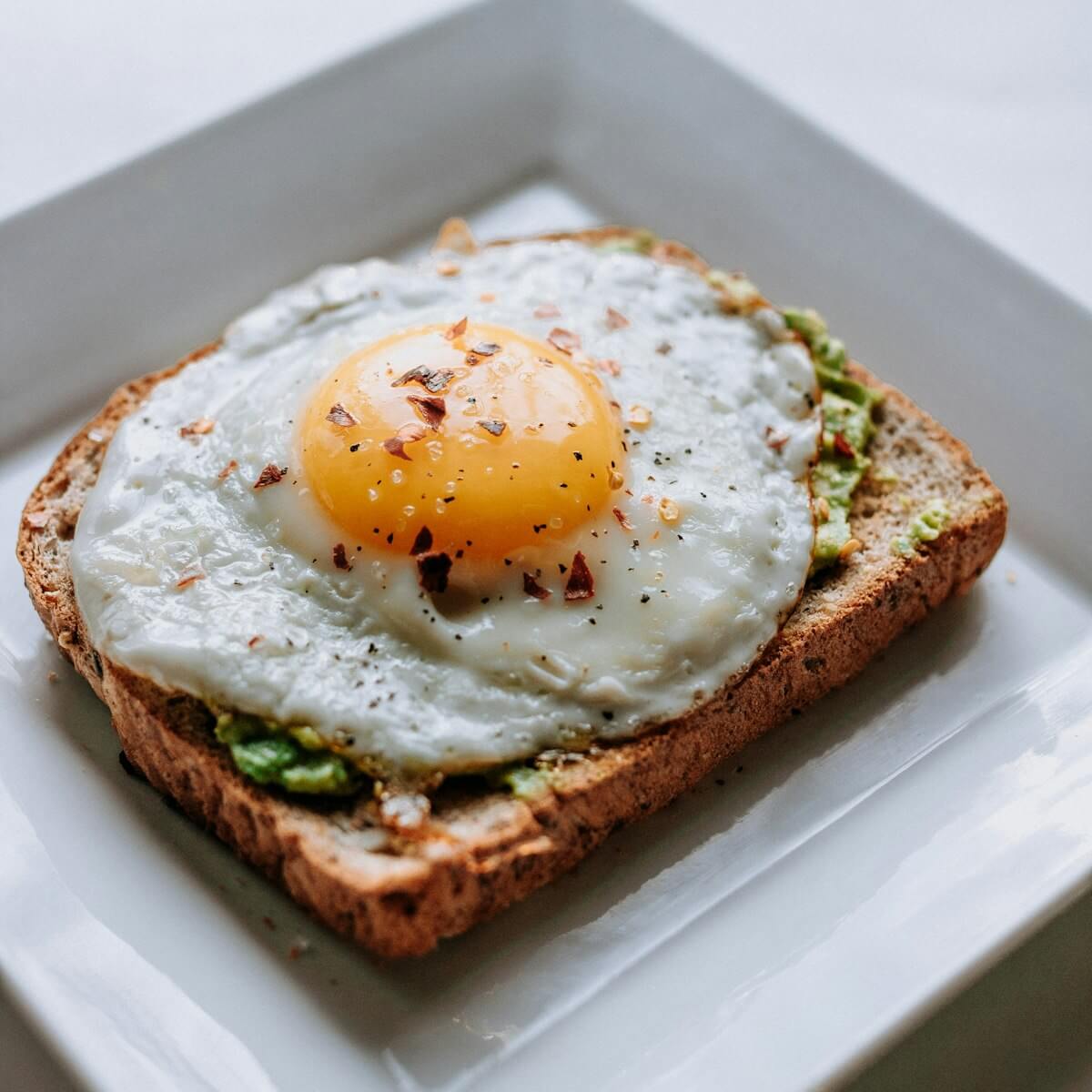
- Avocado Toast "Soldier" Strips: Toast whole-grain sourdough bread lightly (toasting eliminates gummy dough balls that stick to the palate). Spread with mashed avocado, olive oil, and a dusting of hemp seeds. Slice into long, rigid soldier strips that fit the toddler palm.
- Greek Yogurt Dipping Boards: Serve thick plain whole Greek yogurt (parfait concepts) in a shallow suction bowl, accompanied by soft steamed carrot fries and soft pita triangles for self-dipping.
What Fails: 5 Dangerous Finger Food Mistakes
- Mistake 1: Feeding While Distracted or On the Move. Never hand a toddler a finger food while they are running around the living room, riding in a car seat, or sitting in a reclined stroller. If a child trips or laughs while chewing, the diaphragm spasms, pulling food directly into the trachea. Eating must happen seated upright at the table.
- Mistake 2: Cutting Foods into "Choking Size" Too Early. Parents often believe cutting food into tiny, pebble-sized pieces is safer for a 6-month-old. However, a 6-month-old has no pincer grasp; small pieces get trapped in their fist, causing immense frustration, or get swallowed whole without oral inspection. Offer long batons at 6 months, switching to tiny dices at 9 months.
- Mistake 3: Relying on Meltable Commercial Puffs as Daily Nutrition. Commercial rice puffs melt with saliva and feel safe, but they offer negligible iron, protein, or healthy fats, while training the palate to crave rapidly dissolving processed starches. Prioritize whole-food finger foods like avocados, eggs, and steamed vegetables.
- Mistake 4: Panicking During Normal Gagging. When parents gasp, scream, or hit a gagging child on the back, they terrify the infant. An abrupt slap on the back can cause the child to gasp in shock, aspirating a loose piece of food into the airway. Stay silent, maintain calm eye contact, and let the cough reflex do its job.
- Mistake 5: Leaving Older Siblings' Snacks Unattended. In homes with multiple children, toddlers frequently choke on foods belonging to older brothers and sisters (e.g., whole nuts, popcorn, hard candies, chewing gum). Establish a strict rule: high-risk older-child snacks must be eaten at the kitchen island, away from toddler floor level.
Frequently Asked Questions
How can I be completely certain a finger food is soft enough?
Use the "Squash Test": hold the piece of food between your thumb and index finger and press firmly. If the food mashes into a smooth, flattened pulp with minimal effort, it is soft enough for your baby's gums to crush against their palate. If you feel a hard inner core or if the food springs back resiliently, cook it longer.
When can children safely eat popcorn and whole nuts?
The American Academy of Pediatrics strongly advises withholding whole nuts, seeds, popcorn, hard candies, and chewing gum until a child is at least 4 years old. At age 4, children have erupted their secondary molars, mastered rotary grinding chewing, and have mature airway reflexes.
What is food pocketing, and how should I handle it?
Food pocketing occurs when a toddler stores chewed food in their cheeks like a chipmunk rather than swallowing. This typically happens when the food is too dry or dense to form a cohesive bolus, or when the child is overtired. Never dig your fingers into their cheeks. Instead, offer a small sip of water from an open cup to stimulate a swallow reflex, model dramatic chewing and swallowing with your own mouth, or offer a mirror so they can inspect their mouth.
How should I introduce toast or bread safely?
Fresh, soft, untoasted sandwich bread is a major choking risk because saliva turns it into a dense, gummy paste that adheres to the roof of the mouth and pharynx. Always lightly toast bread until dry and crisp, spread with a thin layer of healthy fat (avocado, butter, or thinned nut butter), and slice into finger-length soldier strips.
Helpful resources from Tap Baby Care
If you are planning meals, routines, or navigating growth milestones for your infant or toddler, Tap Baby Care provides research-backed clinical trackers and developmental guides that pair seamlessly with meal planning:
- Baby Development Hub (0–12 Months) — Evidence-based milestone timelines, sleep guides, and complementary feeding trackers for the foundational first year.
- Toddler Care & Routines (13–36 Months) — Practical guidance for managing toddler developmental leaps, behavior shifts, and family meal integration.
- Stage-by-Stage Age Guides — Month-by-month nutritional readiness indicators, physical milestones, and age-calibrated activity ideas.
- Wake Window Calculator — Calculate age-appropriate daytime wake windows to align feeding times with optimal hunger and alert states.
- Baby Feeding Calculator — Estimate liquid feeding volumes (breast milk and formula) based on your infant's weight and age.
- Newborn Diaper Tracker — Log daily wet and dirty diapers to monitor hydration status and digestive efficiency.
- Baby Growth Percentile Calculator — Track WHO growth curve trajectories for weight, length, and head circumference for pediatrician visits.
- Printable Baby Log — Comprehensive paper logs to track feedings, sleep intervals, and diaper changes during shifts.
- Newborn Essentials Checklist — Practical prep lists for nursery setup, caregiver stations, and infant feeding gear.
- Tap Baby Care Articles — Deep dives across baby feeding, newborn care, sleep hygiene, and milestones & routines.
Educational content only — not medical advice. Always consult your pediatrician, child health nurse, or pediatric feeding therapist for individual guidance.